

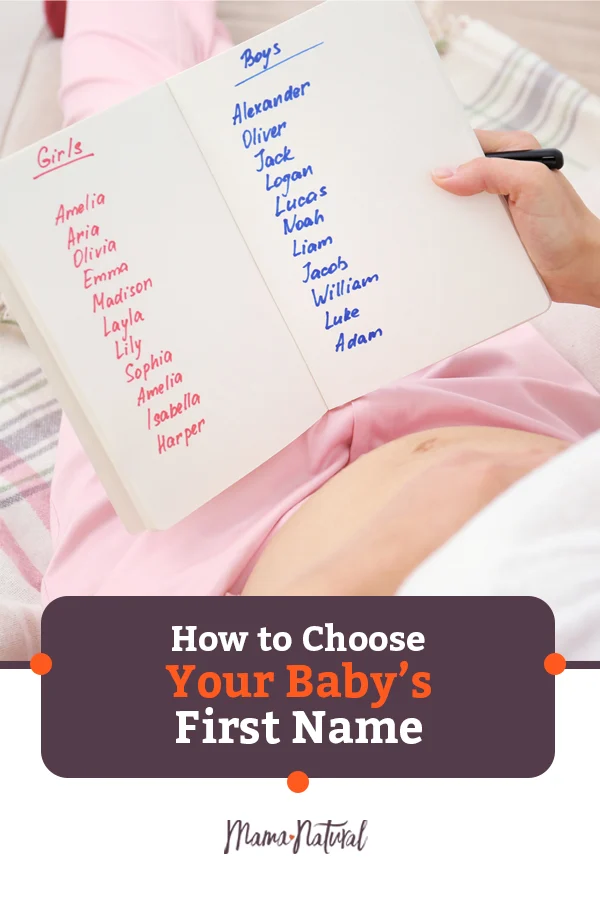
The selection of a child’s first name represents one of the most significant and enduring decisions a parent will make, serving as the primary identifier that an individual will carry throughout their personal and professional life. While the task is often framed as a joyful milestone, modern parents increasingly report high levels of "naming anxiety," driven by the desire to balance cultural tradition, aesthetic appeal, and the modern push for individuality. As the landscape of nomenclature shifts from a limited pool of traditional names toward a vast, globalized inventory of options, experts and sociologists are providing new frameworks to help families navigate this high-stakes decision-making process.
The Evolution of Naming Trends and the Rise of Individuality
To understand the current pressure surrounding baby naming, one must look at the historical data provided by agencies such as the Social Security Administration (SSA). In the mid-20th century, naming patterns in the United States and Europe were remarkably concentrated. In the 1950s, the top ten most popular names accounted for a significant percentage of all births, with traditional names like James, Mary, Robert, and Patricia dominating the registries. However, by the dawn of the 2020s, that concentration had dissipated.
Current data suggests that parents are increasingly moving away from the "Top 10" lists in favor of "unique" or "rare" identifiers. This shift is attributed to the rise of social media, where a unique digital handle and a distinct personal brand have become social currency. Sociologists suggest that a name is no longer just a label; it is a child’s first piece of intellectual property. This cultural shift has necessitated a more analytical approach to naming, moving beyond mere preference and into the realm of strategic selection.
Establishing a Foundation: Strategic Alignment of Parental Values
Before engaging in the creative process of brainstorming, experts recommend that partners establish a baseline of "wants and needs." This preliminary phase is crucial for avoiding the interpersonal conflict that often arises in the later stages of pregnancy. Journalistic analysis of family dynamics suggests that naming disputes are rarely about the name itself and more often about differing visions of identity and heritage.
Key questions that must be addressed in this foundational stage include the desired level of popularity—whether a parent prefers a name that is easily recognizable or one that stands out in a classroom setting—and the importance of familial or cultural honoring. Establishing these boundaries early allows for a more focused search and prevents the "veto fatigue" that occurs when one partner rejects dozens of suggestions without a clear understanding of the other’s criteria.
Diversifying Inspiration: From Biblical Roots to Global Origins
The modern parent has access to a globalized database of names, a stark contrast to previous generations who were often limited to family bibles or local community records. This expansion has led to a resurgence in specific categories, such as "vintage sweethearts" and "cross-cultural gems."
- The Vintage Revival: Names that were once considered "grandparent names," such as Sadie or Minnie, have seen a statistical uptick in the last decade. These names provide a sense of historical grounding while feeling fresh to modern ears.
- Global Integration: As the world becomes more interconnected, parents are looking beyond their immediate geography. For example, a parent may admire the phonetics of a name like Lily but find its current popularity in the United States a deterrent. This often leads them to explore names with similar meanings from different origins, such as the Polynesian name Leilani, which translates to "heavenly flower."
- The Utility of Meaning: For many, the etymology of a name is as important as its sound. In contemporary naming circles, there is a distinct trend toward "virtue names" or names that signify strength and resilience. A name like Ethan, which carries the meaning of "enduring and strong," often appeals to parents who want to instill specific character traits in their children without choosing a name that is overtly descriptive, such as Valor.
Technical Considerations: Phonetics, Surnames, and the "Starbucks Test"
A name does not exist in a vacuum; it must function within the context of a full name and survive the rigors of daily use. Professional naming consultants emphasize the importance of "flow"—the rhythmic relationship between the first, middle, and last names.

A common exercise recommended by linguists is to evaluate the syllable count and the ending sounds of the first name in relation to the surname. A first name ending in a vowel may clash with a surname beginning with a vowel, creating a "run-on" effect that makes the name difficult to pronounce clearly. Furthermore, parents are encouraged to conduct "stress tests" on their top contenders. These include:
- The Shouting Test: Determining if the name is easily articulated when called across a playground or a large room.
- The Professional Preview: Writing the name on a mock business card or resume to see how it ages into adulthood.
- The "Starbucks Test": Giving the name at a coffee shop or restaurant to see how strangers react to the spelling and pronunciation.
These practical applications help move the decision from an abstract concept to a functional reality, ensuring that a name that sounds beautiful in a quiet nursery will also serve the individual well in a boardroom or a public forum.
Conflict Resolution and the Ethics of Disclosure
When parents reach an impasse, the "naming feud" can become a significant source of domestic stress. In these instances, experts suggest a "middle ground" approach. If one partner prefers a highly unconventional name like Chevelle while the other favors a classic choice like Isabella, compromise can often be found in variants such as Isabel or Belle.
Another emerging trend in conflict resolution is the "veto-swap" system, where each parent is given a set number of absolute vetoes, and the final selection must come from a shared list of mutually acceptable options. In extreme cases, some families are turning to "name-consulting" services, a niche industry that has grown by an estimated 20% over the last five years, providing objective, data-driven recommendations to breaking the deadlock.
Once a name is chosen, the question of disclosure arises. The "name reveal" has become a major event in the digital age, yet many parents are opting for "naming privacy" until the birth. This trend is a defensive measure against "name theft" or unsolicited opinions from extended family members. From a psychological perspective, keeping the name private allows the parents to bond with the choice without external influence, ensuring that the decision remains an intimate expression of their own values.
The Broader Impact: Nominative Determinism and Identity
The implications of naming extend far beyond the childhood years. The theory of "nominative determinism" suggests that people tend to gravitate toward areas of work or lifestyle that fit their names. While the scientific community remains divided on the extent of this influence, there is no denying the sociological impact of a name on first impressions.
Studies in the field of behavioral economics have shown that names can influence everything from job interview callbacks to the way teachers perceive students in a classroom. Names that are easy to pronounce and familiar to the local culture often face less "cognitive friction," whereas unique or culturally distinct names can be a source of pride and identity, though they may occasionally require the individual to navigate systemic biases.
Ultimately, the process of picking a baby name is the first act of parenting—a balance of protection, hope, and the granting of an identity. Whether a name is chosen years before conception or in the moments following birth, it remains a permanent gift. As the inventory of available names continues to expand through the influence of global media and a renewed interest in etymology, the modern parent is better equipped than ever to find a name that is not only unique but perfectly suited for the life that lies ahead. In this new era of nomenclature, the most successful names are those that honor the past while providing the child with a distinct and confident path toward the future.
