

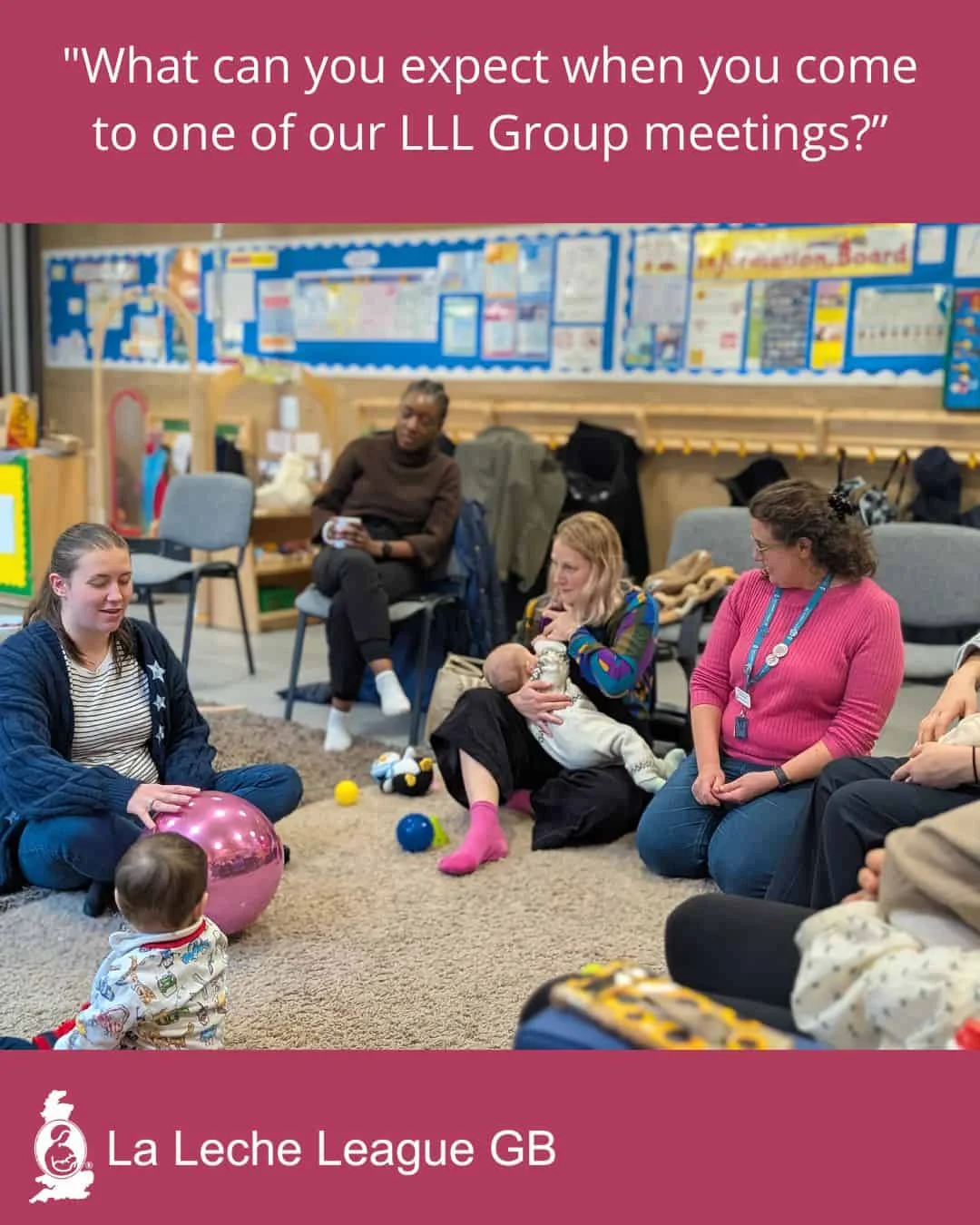
A recent gathering of the La Leche League (LLL) Barnet circle provided a vital forum for breastfeeding mothers to share experiences and seek guidance on the complex transition back to work. The diverse group, encompassing mothers with infants ranging from three to 20 months, solo parents, and those with older children at home, highlighted the broad spectrum of challenges and emotions inherent in this pivotal life stage. The discussions underscored the deeply connected yet varied nature of maternal journeys, offering a grounding perspective for attendees.
The La Leche League: A Global and Local Support Network
La Leche League International, founded in 1956, is a worldwide non-profit organization dedicated to helping mothers worldwide to breastfeed through mother-to-mother support, encouragement, information, and education. Its mission is to empower parents to achieve their breastfeeding goals. LLL circles, like the one held in Barnet, serve as crucial local hubs where mothers can connect, share anxieties, and receive evidence-based information from experienced LLL Leaders. These meetings are particularly important in regions like Barnet, a diverse urban area where access to informal support networks might otherwise be limited. The informal, peer-led structure fosters an environment of trust and empathy, which is essential when discussing sensitive topics such as balancing infant care with professional responsibilities.
The Emotional Landscape of Maternal Separation and Return to Work
A dominant theme emerging from the Barnet circle was the profound anxiety associated with returning to employment while breastfeeding. This concern is rooted in a deeply ingrained biological imperative to nurture and protect offspring. Evolutionary psychology suggests that mothers are biologically wired for close proximity and responsive care, making the thought of extended separation emotionally challenging. Anticipating a baby’s distress in their absence, whether for part-time or full-time work, can be a formidable mental hurdle, often preceding the practical logistics of the transition.
Research consistently supports the emotional intensity of this period. Studies indicate that mothers returning to work often experience increased levels of stress, anxiety, and even symptoms of depression, particularly if they perceive their return as premature or unsupported. A 2017 study published in the Journal of Health and Social Behavior found that mothers returning to work earlier than desired reported higher levels of psychological distress. The emotional ride, as described by attendees, is a critical component of the return-to-work process, often requiring significant emotional labour and self-compassion. For many, the mental preparation for separation and trusting another caregiver can be as demanding as, if not more than, the logistical planning.
Navigating the Practicalities: Breastfeeding, Childcare, and Employment
The discussions at the Barnet circle delved into the tangible challenges of maintaining exclusive breastfeeding (EBF) alongside professional commitments. Several mothers shared their plans for utilising nursery care three days a week, a common arrangement that seeks to balance work demands with continued direct breastfeeding.
Pumping and Milk Expression:
The practicalities of milk expression were a significant point of discussion. One mother candidly shared her experience of finding pumping at work exceedingly stressful, ultimately leading her to discontinue it, noting her baby adapted well without it. This sentiment resonates with many breastfeeding parents. Data from the UK’s National Childbirth Trust (NCT) highlights that while many mothers intend to pump, workplace facilities, time constraints, and the emotional burden often lead to reduced pumping frequency or cessation. The challenges include finding private, hygienic spaces, managing pump equipment, storing milk, and the mental load of maintaining supply while focused on work tasks. According to a 2019 report by the Breastfeeding Network, inadequate workplace support for expressing milk remains a significant barrier for mothers wishing to continue breastfeeding after returning to work. The experience shared at the LLL Barnet meeting serves as a gentle reminder that flexibility and adaptation are key, and there are multiple valid pathways through this season of life.
Feeding Alternatives: Bottles vs. Cups:
The introduction of alternative feeding methods also generated considerable discussion. While some families opt for bottles, particularly for younger infants, others choose to bypass bottles entirely and introduce a cup, especially once solids are more established. The decision often hinges on the baby’s developmental stage and their proficiency with solids. Between six and twelve months, breast milk remains a central and highly nutritious source of calories, antibodies, and essential nutrients. The World Health Organization (WHO) and UK National Health Service (NHS) recommend continued breastfeeding alongside complementary foods up to two years and beyond. Therefore, extending grace and understanding if a child still heavily relies on milk during this period is crucial, irrespective of the feeding method used when the mother is absent.
Infant Development and Adaptation:
The dynamic nature of infant development was another key point. Attendees acknowledged the radical growth and developmental leaps that can occur in as little as two to four months, often leaving parents feeling they have an entirely different child. This rapid evolution makes it challenging to predict how an infant will adjust to new routines and caregivers. However, the collective experience shared was one of reassurance: transitions frequently unfold more smoothly than anticipated, with babies often demonstrating remarkable resilience and adaptability. This observation is supported by developmental psychology, which notes infants’ capacity to form secure attachments with multiple caregivers and adapt to consistent, loving environments.
Trusting Caregivers and Building Support Networks
A profound concern for many mothers, particularly primary caregivers, is the vulnerability associated with entrusting their intimately known babies to others. The unique bond and intuitive understanding between a mother and her child can make it difficult to cede care responsibilities. However, one mother shared her pleasantly surprising experience with nursery staff, commending their knowledge and attunement to her baby’s needs. This highlights the critical role of high-quality childcare providers who are not only professionally trained but also sensitive to individual infant temperaments and parental concerns.
Open communication with childcare providers is paramount. Checking in regularly, asking questions, and seeking reassurance can alleviate maternal anxiety and build a trusting relationship. This proactive approach benefits not only the baby, who experiences consistent care, but also the mother’s nervous system, reducing stress and fostering a sense of security. Childcare experts, such as those from the Early Years Alliance in the UK, frequently advocate for strong parent-provider partnerships, emphasising that continuity of care and shared understanding of a child’s needs are foundational to successful transitions.
Understanding Infant Feeding Dynamics During Separation
The phenomenon of "reverse cycling" was also discussed – a common adaptive behaviour where breastfed babies compensate for daytime separation by taking more of their milk feeds at night or when reunited with their mother. This natural adjustment allows babies to maintain their milk intake and reinforce their attachment bond. It is a normal and healthy response to separation, reflecting the baby’s biological need for both nutrition and comfort from their primary caregiver.
While some babies may initially refuse milk from a bottle or cup when their mother is absent, preferring direct breastfeeding, many adapt remarkably well to the predictable rhythm of nursery life. The structured routine of play, snack, nap, and home often provides a comforting framework that helps babies settle into their new environment over time. This consistent schedule helps infants anticipate events and build confidence in their caregivers, gradually reducing resistance to alternative feeding methods. The brain’s capacity for pattern recognition and adaptation is strong in early childhood, allowing for these adjustments.
Parental Self-Care and Broader Implications
Beyond the immediate challenges, the LLL Barnet circle also touched on the importance of parental self-care. One mother shared her proactive approach to preparing her baby for nursery by planning an evening out with her partner, entrusting a grandparent with bedtime. This act of intentional self-care, allowing a temporary separation in a controlled environment, helps both parent and child practice independence and trust. It was met with a shared sense of relief and acknowledgment that letting go of some anxiety and trusting the process is beneficial. The underlying message was clear: while babies may play longer or sleep later on such occasions, the eventual outcome is typically positive – everyone survives, and parents benefit immensely from carving out time to enjoy themselves and nourish their relationship.
Broader Impact and Policy Considerations
The discussions at the LLL Barnet meeting reflect broader societal challenges faced by breastfeeding mothers in the workforce. The implications extend beyond individual families, affecting public health, gender equality, and economic productivity.
- Workplace Support: Insufficient workplace support for breastfeeding mothers remains a significant barrier. While UK law provides for reasonable breaks for breastfeeding employees to express milk and requires employers to provide suitable facilities, enforcement and awareness vary. Many companies still lack dedicated, private, and hygienic spaces for pumping, or fail to offer adequate flexibility in working hours. Improved policies, including extended paid parental leave, flexible working arrangements, and comprehensive lactation support programs, are crucial for retaining skilled female employees and promoting infant health.
- Societal Value of Breastfeeding: Supporting breastfeeding mothers to return to work is not just a personal choice; it is a public health imperative. Breastfeeding confers numerous health benefits to both mother and child, reducing risks of infections, chronic diseases, and certain cancers. From an economic perspective, higher breastfeeding rates can lead to reduced healthcare costs.
- Mental Health Support: The anxieties discussed at the LLL circle highlight the critical need for robust maternal mental health services. Support networks like LLL play a vital role, but they should be complemented by accessible professional mental health care for mothers struggling with the emotional demands of returning to work.
- Childcare Infrastructure: The reliance on nurseries underscores the importance of high-quality, affordable childcare that is sensitive to the needs of breastfeeding infants and their parents. Training for childcare staff on safe handling of breast milk, understanding infant feeding cues, and supporting breastfeeding families is essential.
The tenderness and honesty present in the LLL Barnet circle underscored a universal truth: transitions, particularly those involving a return to work with a breastfeeding infant, can feel immense. Yet, the collective experience shared reinforced that mothers are not alone in navigating these complex pathways. The open-hearted sharing of experiences, challenges, and triumphs provides invaluable peer support, affirming the resilience of mothers and the enduring power of community. Such gatherings are more than just support groups; they are vital pillars in the ecosystem of maternal and infant well-being, fostering understanding, empathy, and practical solutions in an often demanding world.
