

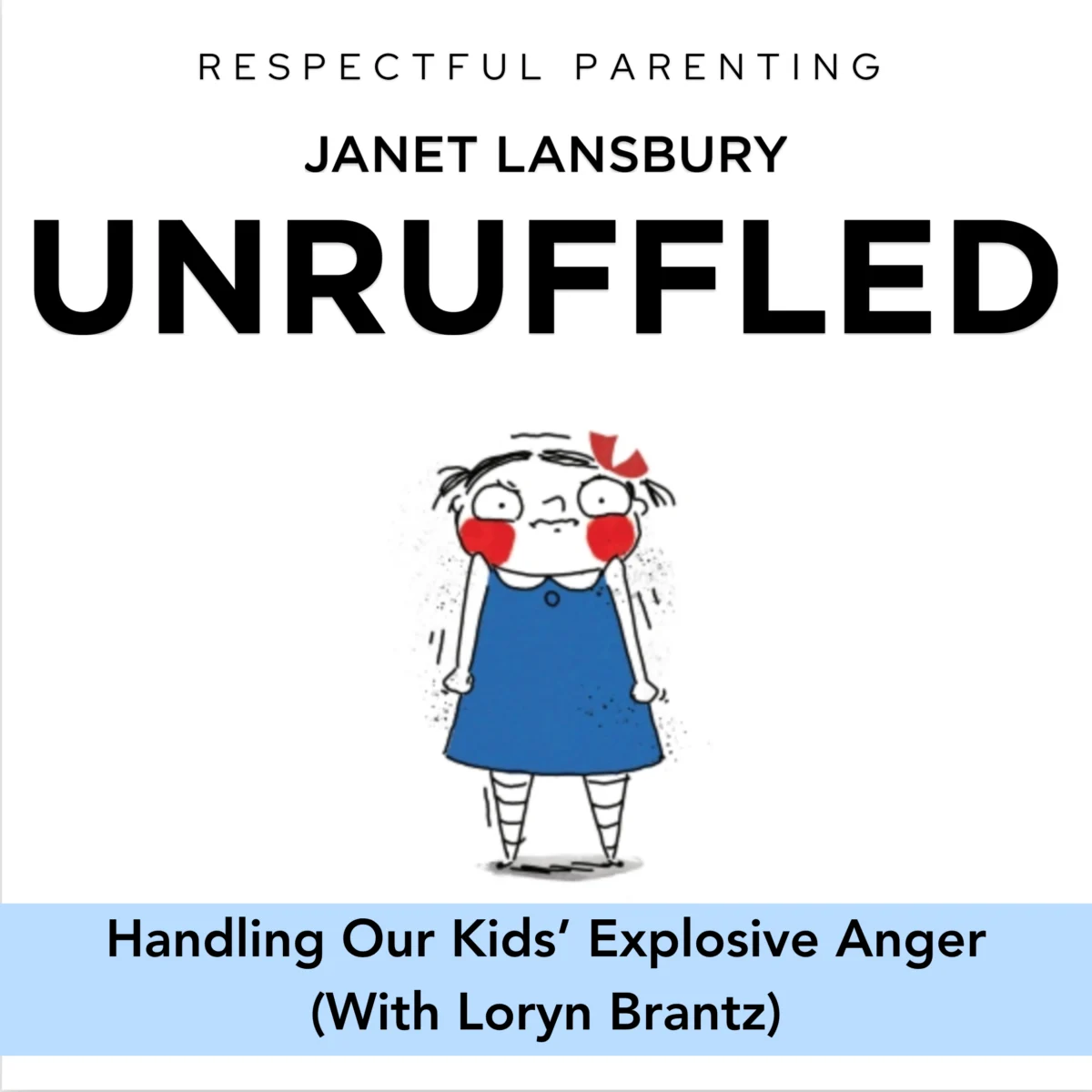
In a recent discussion on the widely recognized parenting podcast "Unruffled," hosted by Janet Lansbury, acclaimed author and illustrator Loryn Brantz delved into the complex and often overwhelming subject of children’s explosive anger. Brantz, known for her bestselling "Feminist Baby" series and her Emmy-winning work with Jim Henson’s Creature Shop, shared insights from her latest children’s book, "I Am a Spicy Nugget." The conversation, which aired on August 31, 2026, provided a nuanced perspective on understanding and responding to intense emotional outbursts in young children, emphasizing a "less is more" approach rooted in empathy and radical acceptance.
The core of Brantz’s message, as articulated in her book and during the podcast, centers on reframing a child’s tantrum or meltdown not as defiance or misbehavior, but as a natural consequence of an underdeveloped prefrontal cortex and overwhelming emotions. Brantz coined the term "spicy nugget" to describe a child in the throes of such an outburst, a metaphor that highlights both the intensity of their feelings and their inherent vulnerability. This framing, she explained, is crucial for parents to adopt, shifting their internal narrative from frustration to compassion.
The "Spicy Nugget" Phenomenon: Understanding Overwhelm
Brantz’s journey to this philosophy was deeply personal, stemming from her experiences raising her own children, whom she describes as having "extreme" emotional reactions. She recounted a particularly challenging period with her daughter, Dalia, who struggled with bedtime routines and experienced significant dysregulation. This led Brantz and her husband on an extensive search for effective parenting strategies, including consultations with specialists.
"We went through the gauntlet of parenting," Brantz shared on "Unruffled." "Everything has just always been so extreme." She detailed how initial advice, while well-intentioned, proved insufficient, prompting her to trust her instincts and tailor her approach to her child’s unique needs. This led to an exploration of concepts like Pathological Demand Avoidance (PDA), a neurodevelopmental condition characterized by an extreme aversion to everyday demands and expectations.
"PDA is pathological demand avoidance," Brantz explained. "It’s when you ask your kid to put on their shoes, not only is there a normal power struggle of being a child, but their nervous system just short circuits because they feel a bunch of things. Maybe they feel like they’re not able to do it or they’re anxious about it." This understanding, she emphasized, applies broadly to all children experiencing intense emotions; their outbursts are often not a choice but a system overload.
Shifting Parental Perspective: From Control to Acceptance
A significant portion of the discussion focused on the parental mindset during these challenging moments. Brantz stressed the importance of recognizing that children are not on an "equal footing" with adults due to their developing brains. "They are sweet little spicy nuggets with underdeveloped prefrontal cortexes that are still learning and growing," she stated. This perspective, she believes, is the cornerstone of effective parenting during emotional storms.
Brantz’s own journey towards this empathetic approach was significantly influenced by her personal practice of meditation and her deep dive into self-help literature. She specifically cited Michael Singer’s "The Untethered Soul" as a transformative read, which taught her to become an "observer of her own thoughts and feelings rather than getting swept up in them." This practice of detachment, she explained, is vital for parents.
"What you said about being able to be outside of your feelings, I think is what you gain as an adult. That’s something you can do as an adult that they can’t do," Brantz told Lansbury. "I ended up meditating a lot and reading a gajillion books… I ended up learning how to become the observer of my thoughts and feelings rather than getting swept up in them." This ability to remain grounded allows parents to respond thoughtfully rather than react impulsively.
The "Do Less, Not More" Philosophy in Practice
Brantz’s book advocates for a strategy of intervention that is often counterintuitive to parents: doing less. She argues that when a child is in the midst of an emotional eruption, parental intervention, such as attempts to reason, discipline, or even comfort forcefully, can often exacerbate the situation. Instead, she proposes allowing the child the space to experience and process their emotions.
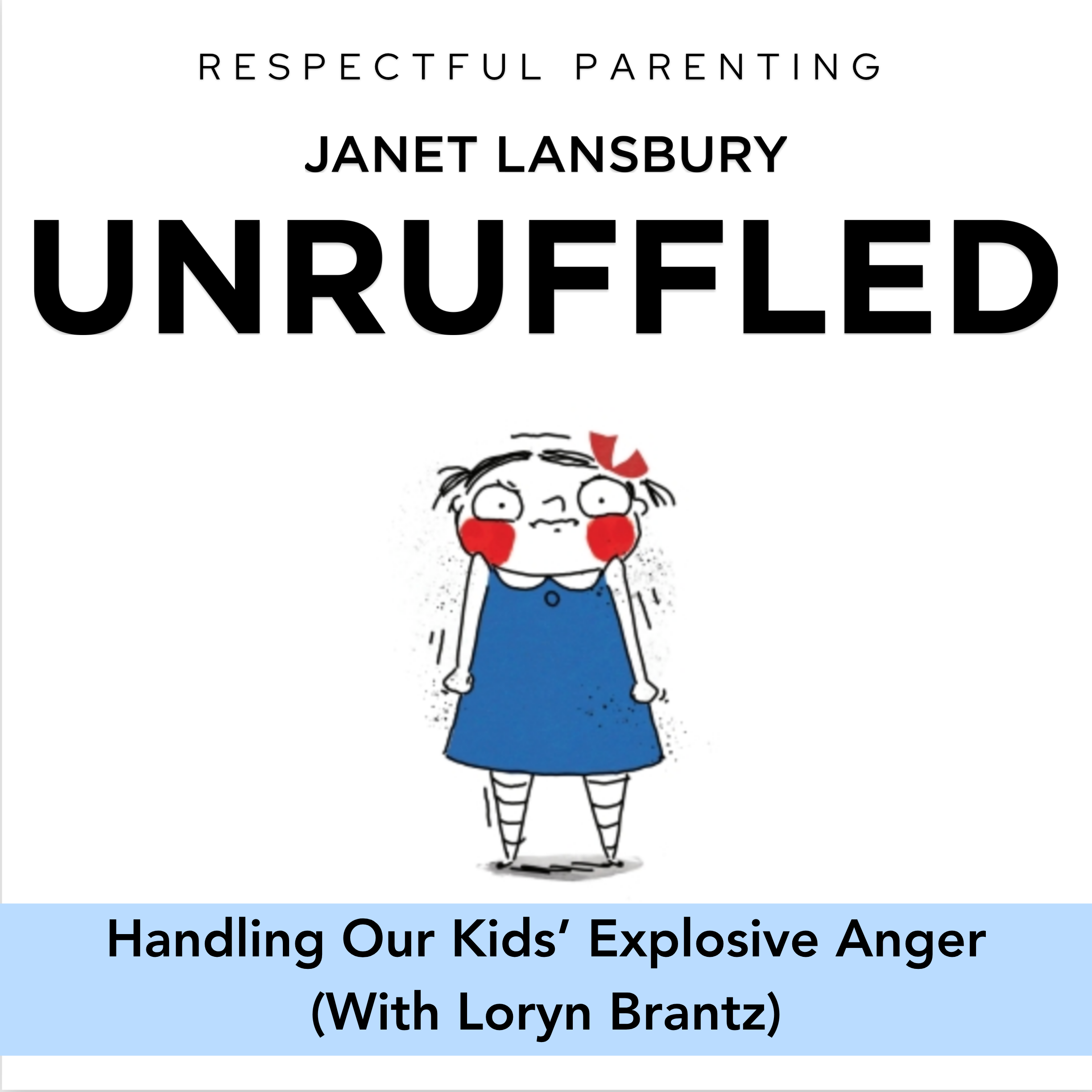
"Something I’ve learned in my house is that intervention usually makes things worse. Doing less is more," Brantz asserted. "So the grown-up doesn’t help the nugget calm down. She eventually calms down herself because they always do, and that’s when they unpack it and try again next time." This concept of "letting the storm pass" without direct intervention is a central theme.
In practical terms, Brantz described scenarios where, after a child has had an outburst, she would offer a hug once they have calmed down, reinforcing that their actions are not a reflection of their worth or the parent’s love. She shared a powerful anecdote about her daughter using a whiteboard to draw a graph illustrating her emotions, demonstrating a nascent ability to process and communicate her feelings after the initial intensity had subsided. This visual representation of sadness underscored Brantz’s belief that children’s outbursts often stem from internal struggles rather than a desire to be difficult.
The Role of Humor and Imaginative Play
Beyond radical acceptance, Brantz highlighted the power of humor and imaginative play as tools for de-escalating tension and navigating transitions. She shared how she and her husband use playful strategies, such as pretending to race invisible animals or engaging in conga lines, to make everyday activities, like leaving the house or going to bed, more enjoyable and less prone to conflict.
The very inspiration for her book, "I Am a Spicy Nugget," stemmed from such a moment. Brantz recounted telling her daughter, "Are you becoming a spicy nugget? I’m going to dunk you in some cold milk to cool you off." This lighthearted, albeit nonsensical, interaction, she explained, broke the tension, lowered the emotional temperature, and diffused the potential tantrum. This demonstrates how a parent’s playful engagement can redirect a child’s energy and perspective.
Broader Implications and Parental Self-Care
The conversation also touched upon the societal conditioning surrounding anger, particularly for women, and the importance of parental self-care. Brantz acknowledged that managing intense emotions, both in children and in oneself, is an ongoing practice. Her commitment to meditation, even for just ten minutes a day, underscores the deliberate effort required to cultivate inner peace amidst the chaos of parenting.
Janet Lansbury emphasized that this approach is not just about managing children’s emotions but also about the parent’s own well-being. "Our own self-care means practicing as much as possible letting go of those feelings that other people have, especially our kids, who are just experiencing everything so vividly," she stated. She likened the parental role to an anchor, providing stability without becoming entangled in the child’s emotional storm.
The book’s concluding message, where the child protagonist forgets what they were initially angry about, serves as a poignant reminder of the transient nature of these intense emotions and the underdeveloped state of a child’s cognitive and emotional processing. This reinforces the idea that blaming or punishing a child for an outburst is illogical, as they were not fully in control of their actions or emotions at that moment.
A Timely Release in a Demanding Era
The release of "I Am a Spicy Nugget" in September 2026 comes at a time when parents are increasingly seeking effective, empathetic strategies for child-rearing. With growing awareness of child psychology and the impact of early experiences, Brantz’s work offers a valuable resource that normalizes children’s emotional intensity and empowers parents to respond with understanding rather than frustration.
The book is available wherever books are sold, and links to purchase it, along with Lansbury’s new book "Baby Person," were provided in the podcast’s show notes. The discussion between Brantz and Lansbury serves as a testament to the power of shared experience and expert insight in navigating the often-turbulent waters of parenting, offering a beacon of hope and practical guidance for those raising the next generation.
