

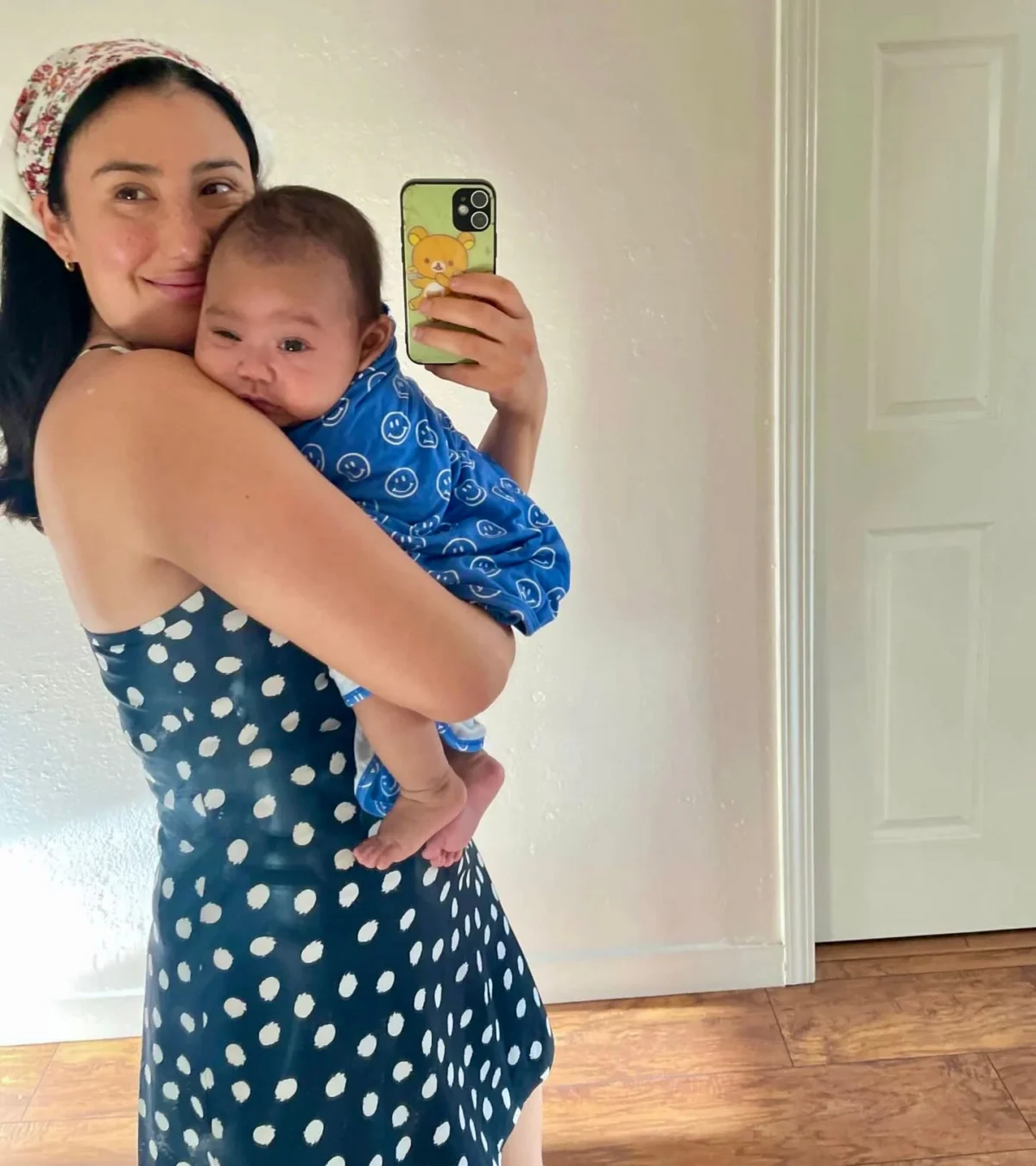
The transition into motherhood, often referred to by medical professionals as the "fourth trimester," represents one of the most significant physiological and psychological shifts an individual can experience. While societal attention is frequently concentrated on the prenatal period and the immediate event of childbirth, the subsequent twelve months are increasingly recognized by healthcare providers as a critical window for maternal health and long-term family stability. Recent data from maternal health organizations suggests that the support systems provided during this first year—ranging from emotional check-ins to practical logistical assistance—play a fundamental role in mitigating the risks of postpartum mood and anxiety disorders (PMADs). As the landscape of parenting evolves, the focus of gift-giving and community support has shifted from purely infant-centric items toward products and gestures that prioritize the mother’s recovery and well-being.
The Postpartum Chronology: Navigating the First Year
The first year of motherhood is rarely a linear progression, but rather a series of developmental milestones for both the infant and the parent. Medical experts typically categorize the postpartum recovery into several distinct phases, each requiring different types of support.
The first six to eight weeks are characterized by acute physical recovery and the establishment of feeding routines. During this period, mothers often experience significant hormonal fluctuations. In the initial days following birth, it is common for infants to lose a small percentage of their birth weight—a phenomenon that, while medically expected, frequently causes intense psychological distress for new parents. The "night-time anxiety" associated with back-to-back nursing sessions and sleep deprivation is a documented experience that peaks during these first two months.
By the six-month mark, many mothers begin to navigate the "return to work" transition or the introduction of solid foods, both of which introduce new logistical complexities. However, it is the one-year anniversary of the birth that many mothers cite as the true turning point. This milestone often marks the period where a mother begins to regain a sense of individual identity, moving beyond the "survival mode" of the early months.
Strategic Support: Five Pillars of Postpartum Gift Giving
To address the multifaceted needs of new mothers, experts recommend a shift toward gifts that provide utility, comfort, and emotional resonance. Journalistic analysis of modern parenting trends identifies five specific categories where community intervention is most effective.
1. Symbolic Stability and Aesthetic Comfort
While practical items are necessary, the psychological impact of aesthetic beauty in the home environment should not be underestimated. The provision of a high-quality vase, for example, serves as a recurring vessel for community support. When visitors bring flowers, the presence of a dedicated, attractive vase simplifies the act of receiving and displaying these gestures. Over time, such objects become "emotional anchors," reminding the mother of the community that surrounded her during the raw, early stages of her child’s life.
2. Dermatological Care and Sensory Wellness
Postpartum hormonal shifts frequently result in significant changes to skin elasticity and hydration. Estheticians and dermatologists note that "postpartum glow" is often followed by periods of extreme dryness or hormonal acne. Skincare products, particularly those emphasizing hydration and ease of use—such as Korean "glow pads" or cooling masks—offer a low-effort way for mothers to engage in self-care. Because new mothers often deprioritize their own hygiene and grooming routines in favor of infant care, receiving high-quality, refreshing skincare products can provide a much-needed sensory "pick-me-up" that does not require the time commitment of a full makeup application.
3. Functional Mobility and Ergonomic Footwear
The logistical demands of new motherhood often involve unexpected challenges, such as premature births or Neonatal Intensive Care Unit (NICU) stays. In these high-stress scenarios, the ability to transition from the home to a medical environment quickly is paramount. Footwear that requires no manual dexterity—specifically high-quality slip-on clogs or slides—has become a staple of the postpartum wardrobe. For mothers recovering from abdominal surgery (C-sections) or those managing the physical strain of carrying an infant, the ability to put on shoes without bending over is a significant ergonomic advantage. Furthermore, as mothers begin to resume physical activity through stroller walks, supportive, easy-to-wear footwear remains a long-term utility item.
4. Nutritional Intervention Beyond the Traditional Dinner
The "meal train" is a long-standing tradition in many communities, yet it often focuses exclusively on evening meals. Nutritional experts point out that the highest caloric demand for breastfeeding mothers often occurs during the middle of the night or in the early morning hours. Consequently, there is a growing trend toward providing "grab-and-go" nutrition.
Items such as nutrient-dense energy balls, breakfast casseroles (stratas), and pre-washed, pre-cut salads provide sustenance during the "hazy" hours of the day when a mother may be alone and unable to prepare a full meal. Providing food that is "good all week" reduces the cognitive load of meal planning and ensures that the mother remains fueled throughout the demanding 24-hour cycle of newborn care.
5. Community Validation and the "Village" Narrative
The emotional isolation of modern parenting is a frequent subject of sociological study. One of the most impactful gifts identified by veteran parents is the "legacy letter." When friends and family members write handwritten letters to the infant, detailing their hopes and the community’s love, they provide the mother with a tangible reminder that she is not parenting in a vacuum. These letters serve as a psychological buffer during difficult parenting moments, reinforcing the idea that the child is part of a larger, supportive ecosystem.
Supporting Data: The Impact of Social Support on Maternal Health
The necessity of these support systems is backed by rigorous data. According to the World Health Organization (WHO), the first six weeks after childbirth are the most neglected phase in the provision of quality maternal and newborn care. In the United States, approximately one in seven women experiences postpartum depression. Research published in the Journal of Women’s Health indicates that perceived social support is one of the strongest predictors of a mother’s mental health status.
Furthermore, the economic impact of the "baby shower" market—estimated to be worth billions of dollars annually—has historically focused on toys and infant apparel. However, consumer behavior is shifting. A 2023 retail report indicated a 15% increase in the purchase of "maternal recovery kits" and "postpartum care packages," suggesting that gift-givers are becoming more attuned to the needs of the mother rather than just the baby.
Professional Perspectives and Expert Reactions
Maternal health advocates emphasize that the best gifts are those that "remove a task from the mother’s plate." Dr. Sarah Jenkins, a clinical psychologist specializing in perinatal health, states, "When we give a new mother a gift that facilitates her own comfort or nutrition, we are sending a powerful message that her well-being is as important as the baby’s. This validation is a key component in preventing the burnout and identity loss often associated with the first year of parenting."
Similarly, lactation consultants point out that the "meal train" should be viewed as medical support. "Caloric intake and hydration are the foundations of a successful breastfeeding journey," says Maria Rodriguez, IBCLC. "When a neighbor drops off high-protein snacks or a pre-made breakfast, they are directly contributing to the infant’s nutrition by supporting the mother’s physiology."
Broader Implications for Policy and Society
The discussion surrounding postpartum gifts and support is part of a larger global conversation regarding parental leave and the "Motherhood Penalty." In countries with robust paid leave policies, the community support system acts as a supplement to state-sponsored care. In regions where such policies are lacking, the "village" of friends and family becomes the primary safety net.
As society continues to move toward a more holistic understanding of family health, the "gifts" given to new mothers are increasingly viewed not just as tokens of affection, but as essential tools for a successful transition into a new life stage. Whether it is a pair of shoes that simplify a trip to the NICU or a letter that provides emotional solace during a sleepless night, these gestures form the fabric of a support system that sustains mothers through the most transformative year of their lives.
In conclusion, the evolution of postpartum support reflects a growing awareness of the complexities of motherhood. By prioritizing the mother’s physical recovery, nutritional needs, and emotional stability, communities can ensure that the "highs and lows" of the first year are met with resilience and a sense of shared responsibility. The most enduring gifts are those that remind a mother that while she is caring for a new life, she is also being cared for herself.
