

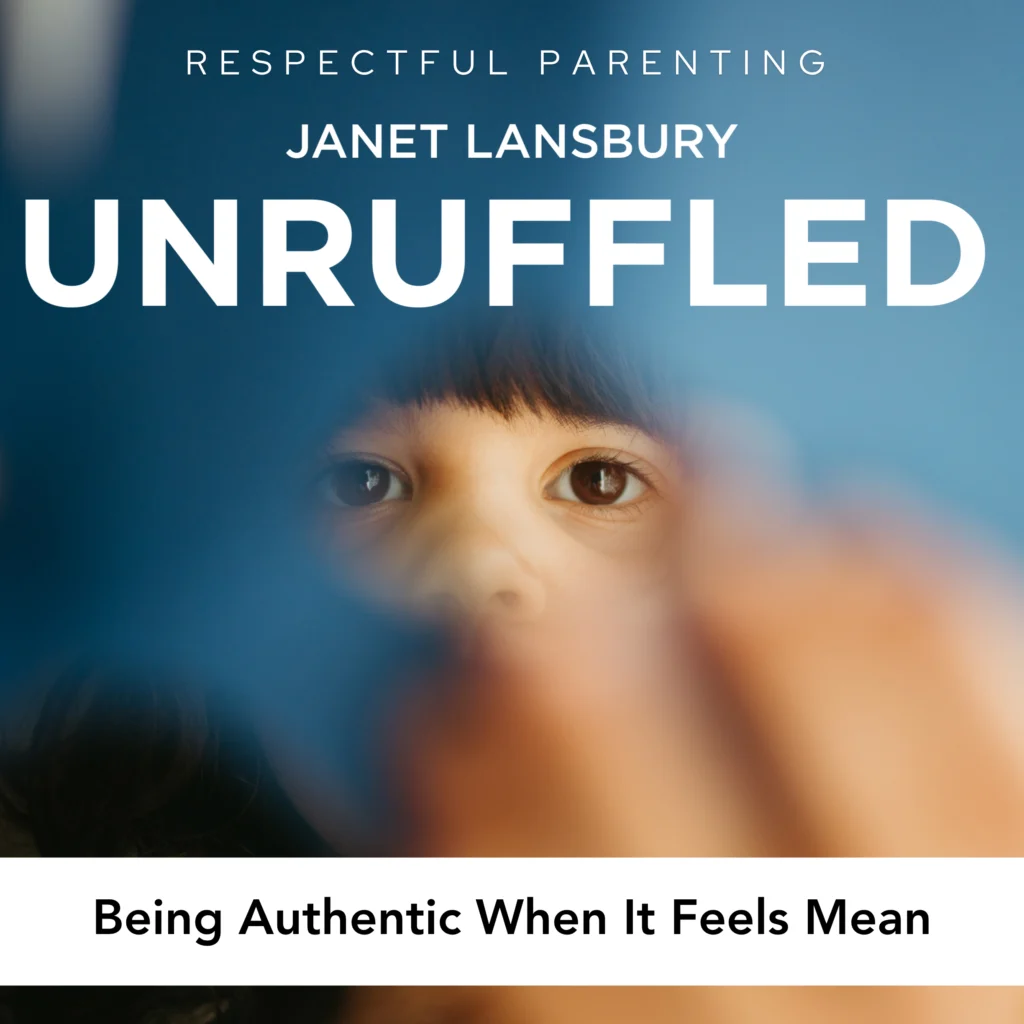
A concerned parent’s query about expressing negative emotions to her three-year-old son has ignited a broader discussion among parenting experts and educators regarding the complexities of parental authenticity and its impact on child development. The core of the issue, as articulated by the parent in an email to influential parenting author and podcast host Janet Lansbury, revolves around the struggle to reconcile genuine feelings of annoyance or anger with the desire to foster a secure and loving relationship with her child. This internal conflict, amplified by a desire to model emotional honesty and healthy boundaries, raises critical questions about how parents can navigate their own emotional landscape without inadvertently making their children feel rejected or unloved.
The parent, who requested anonymity, described a common scenario: her three-year-old son engaging in behavior she finds exasperating, such as repeatedly tidying up items only to scatter them again, seemingly for amusement. Her initial response is to set a boundary, explaining that she has just tidied the items and wishes for the house to remain neat, before moving the objects away from him. While her son appears to accept this intervention, he soon afterwards seeks physical affection, requesting a hug. This is where the parent’s dilemma intensifies. Despite her son’s overture for connection, she admits to still feeling annoyed by his disruptive actions and questions whether it is appropriate or beneficial to express this lingering frustration, stating, "Is it wrong to say ‘I don’t really want to hug you right now because I’m annoyed with you, I didn’t like it when you threw the things around and made the house untidy’?" Her fear is that such an admission would be perceived as conditional love, implying that affection is only granted when the child is "good," thereby undermining the foundation of unconditional acceptance. Furthermore, she worries this approach might contradict the principles of consent and bodily autonomy she strives to teach.
Understanding Parental Emotional Expression and Child Development
Janet Lansbury, a proponent of respectful parenting, addressed the parent’s concerns in her podcast "Unruffled," emphasizing the importance of understanding the underlying needs and developmental stages of children. Lansbury acknowledged the parent’s struggle, noting that many individuals were raised in environments where emotional expression, particularly negative emotions, was discouraged, leading to a personal mission to embrace and process feelings authentically. She highlighted the parent’s insightful observation that anger can sometimes serve as a "crutch emotion," masking deeper feelings like fear or vulnerability.
Lansbury proposed that the three-year-old’s behavior, while seemingly driven by a desire for amusement, is more likely a complex response to his environment and developmental stage. She suggested that children, especially those with younger siblings, can experience significant anxiety about shifts in parental attention and affection. The act of tidying and then re-scattering items, in this context, might not be purely for fun but a subconscious attempt to elicit a reaction from the parent, a form of seeking attention or expressing underlying distress. Research in child psychology supports the idea that children are highly attuned to their caregivers’ moods and emotional states, even from infancy. Studies have shown that infants can detect subtle changes in parental tone of voice and facial expressions, indicating a sophisticated capacity for emotional perception. This heightened awareness means that a child’s seemingly disruptive behavior might be a bid for connection or a signal that they are struggling to cope with their own emotions or environmental changes.
The Nuance of Authenticity in Parent-Child Interactions
The parent’s apprehension about being "authentic when it feels mean" touches upon a common parental challenge: how to be genuine without causing emotional harm. Lansbury’s analysis suggests that authenticity in parenting is not about unfiltered emotional dumping but about a more nuanced form of honest communication that respects the child’s developmental capacity. She argued that the parent’s lengthy explanations about why the child shouldn’t throw things are often unnecessary, as a three-year-old is likely already aware that such behavior is undesirable. Over-explaining can inadvertently give more weight to the behavior and increase parental frustration, making it harder to respond with calm understanding.
Lansbury proposed a simpler approach to setting boundaries, focusing on clear, concise actions rather than elaborate justifications. For instance, instead of a detailed explanation, a parent could simply state, "I can’t let you throw these things. I’m going to put them away now." This approach, she suggested, conserves parental energy and avoids unnecessarily prolonging the interaction, allowing the parent to manage her own feelings more effectively.
Navigating the "Hug Request" Dilemma
The crucial point of the parent’s concern – whether to offer a hug when she still feels annoyed – was addressed by Lansbury with a focus on maintaining parental integrity while also reassuring the child. Lansbury agreed that forcing a hug when one doesn’t feel like it is inauthentic and can be counterproductive. Instead, she suggested a response that acknowledges the child’s need for connection without compromising the parent’s emotional truth. A possible response, according to Lansbury, could be: "I’m not going to hug you right now, sweetie, but I love you. I will hug you when I feel like it." This phrasing validates the parent’s feelings while simultaneously offering a promise of future affection, conveying that the temporary lack of a hug is not a rejection of the child’s inherent worth.
This approach aligns with principles of attachment theory, which posits that secure attachment is built on consistent responsiveness to a child’s needs, but not necessarily on immediate gratification of every desire. It acknowledges that parents are human and experience a range of emotions, and that children can learn to navigate these fluctuations in a secure environment. The key, Lansbury emphasized, is that the parent’s love for the child remains constant, even if the immediate expression of affection is delayed.
The Broader Implications for Parental Well-being and Child Security
The parent’s internal struggle highlights a wider societal pressure on parents to be perpetually nurturing and patient. The reality of parenting often involves moments of intense frustration, and the expectation to always present a composed and loving facade can be emotionally taxing. Lansbury’s advice implicitly encourages parents to embrace their full emotional spectrum, not by projecting negative feelings onto their children, but by acknowledging them internally and managing them constructively.
Background Context: The parent’s situation is not isolated. Numerous studies indicate high levels of parental stress and burnout, particularly in the early years of child-rearing. A 2023 report by the American Psychological Association revealed that nearly 60% of parents reported feeling stressed about their parenting responsibilities, with a significant portion citing concerns about meeting their child’s emotional needs and managing their own emotional reactions. The rise of social media has also contributed to a culture of idealized parenting, where curated images of perfect family life can exacerbate feelings of inadequacy for parents struggling with the everyday challenges of raising children.
Timeline and Chronology: The parent’s specific dilemma likely emerged as her son transitioned into toddlerhood and developed more independent, and potentially challenging, behaviors. The introduction of a younger sibling, which Lansbury alluded to as a common trigger for such issues, could also be a factor. This developmental phase, typically between ages two and four, is characterized by increasing assertiveness, testing of boundaries, and heightened emotional expression from children, coinciding with parents often grappling with their own emotional regulation and past experiences.
Supporting Data: Child development experts widely agree on the importance of emotional availability in parenting. Research by Dr. Daniel Siegel, a clinical professor of psychiatric best practices, emphasizes the concept of "mindsight," the ability to understand one’s own mental and emotional state and that of others. This capacity is crucial for fostering secure attachment and resilience in children. When parents can acknowledge their own feelings without judgment and respond to their children’s emotions with empathy, it creates a safe space for the child to explore their own feelings and develop emotional intelligence. Conversely, suppressing parental emotions or reacting with harshness can lead to children internalizing their feelings, potentially resulting in behavioral issues later in life.
Analysis of Implications: The parent’s desire to be authentic while avoiding harm to her child reflects a growing awareness of the long-term impact of parental emotional responses. By seeking guidance, she is actively working to break potential cycles of emotional suppression or reactivity. Her efforts, supported by Lansbury’s advice, point towards a model of parenting that is both honest and attuned to the child’s developmental needs. This approach not only benefits the child by fostering a secure attachment and teaching healthy emotional expression but also supports the parent’s own emotional well-being by validating her experiences and empowering her to set realistic boundaries.
Lansbury’s response offers a framework for parents to navigate these complex emotional waters. It suggests that true authenticity in parenting lies not in a constant outpouring of every feeling, but in a conscious effort to understand both oneself and one’s child, responding with honesty, respect, and a commitment to the underlying love that forms the bedrock of the parent-child relationship. The journey of parenting is, in many ways, a continuous process of learning to balance one’s own emotional needs with the profound responsibility of nurturing another human being. The parent’s courage in voicing her struggle and Lansbury’s thoughtful response provide valuable insights for countless families navigating similar challenges.
