

Baby sign language serves as a sophisticated transitional tool designed to facilitate communication between infants and caregivers during the developmental period preceding the acquisition of spoken language. While infants typically possess the cognitive capacity to understand concepts and express needs long before their vocal apparatus and neurological pathways for speech are fully matured, this "pre-verbal gap" often results in frustration for both the child and the parent. By utilizing a simplified version of American Sign Language (ASL), caregivers can provide infants with a manual vocabulary that aligns with their developing motor skills. This journalistic overview examines the methodology, developmental benefits, and practical application of baby sign language within the context of early childhood development.
The Fundamental Mechanics of Infant Gestural Communication
Baby sign language is not a distinct linguistic system but rather a modified application of standard ASL, tailored to the physiological limitations of an infant’s hands and fingers. In standard ASL, complex hand shapes and precise movements are required; however, baby sign language prioritizes the intent of the message over technical precision. The primary objective is to establish a functional link between a physical gesture and a specific need or object.
Neurologically, the areas of the brain responsible for processing language develop more rapidly than those controlling the fine motor movements of the tongue, lips, and vocal cords. Most infants begin to understand the permanence of objects and the cause-and-effect nature of communication by the middle of their first year. By introducing manual signs, caregivers leverage the infant’s earlier-maturing gross motor skills to bypass the physical hurdles of speech.
Chronological Milestones in Early Sign Acquisition
The implementation of a sign language program follows a predictable developmental timeline. While every child progresses at an individual pace, pediatric experts generally identify several key phases:
- The Introduction Phase (4 to 6 Months): At approximately four months of age, an infant’s eyesight has developed sufficiently to track hand movements with clarity. While infants at this age lack the coordination to replicate signs, they can begin to form the mental associations between a sign and its meaning.
- The Recognition Phase (6 to 8 Months): During this period, infants may begin to show signs of recognition when a caregiver uses a familiar gesture. They might smile, kick their legs, or focus intently when they see the sign for "milk" or "eat."
- The Expression Phase (8 to 12 Months): This is the window during which most infants produce their first manual signs. Initial attempts are often "approximations"—gestures that resemble the parent’s sign but may lack perfect form. For example, a child might clap their hands together to represent "more" rather than touching their fingertips.
- The Verbal Integration Phase (12 to 18 Months): As vocal skills emerge, children often use signs and spoken words simultaneously. Eventually, as the ease of speaking surpasses the effort of signing, the child will naturally phase out the manual gestures in favor of verbal communication.
Scientific Analysis of Cognitive and Emotional Benefits
The benefits of early gestural communication extend beyond simple convenience. Research conducted by developmental psychologists suggests that baby sign language has a measurable impact on the emotional environment of the home and the cognitive trajectory of the child.
Reduction in Frustration and Behavioral Outbursts
A significant portion of "temper tantrums" in toddlers is attributed to the frustration of being unable to communicate specific needs. Data suggests that infants who can sign "water," "sleep," or "help" experience fewer instances of extreme emotional distress. By providing a medium for expression, caregivers can respond to needs accurately rather than relying on a process of elimination while the child cries.
Enhancement of the Caregiver-Child Bond
Successful communication fosters a sense of security. When an infant realizes that their specific gestures result in a targeted response from a caregiver, it reinforces a "secure attachment" style. This interaction proves to the child that their needs are understood and valued, which can lead to higher levels of self-esteem and social confidence as they age.
Impact on Long-Term Literacy and Intelligence
A common concern among parents is whether signing will delay speech. However, a study funded by the National Institutes of Health (NIH) and conducted by researchers at the University of California, Davis, found that infants who signed actually scored higher on standardized intelligence tests in later childhood than those who did not. While the research on whether it makes babies talk sooner remains mixed, the consensus among speech-language pathologists is that it does not hinder verbal development; rather, it reinforces the symbolic nature of language.
Methodological Strategies for Effective Instruction
To successfully teach sign language to an infant, caregivers are encouraged to follow a structured pedagogical approach centered on three pillars: familiarity, repetition, and positive reinforcement.
Selection of High-Utility Vocabulary
Instruction should begin with signs that have immediate relevance to the infant’s daily routine. Initial signs typically include "milk," "more," "eat," and "all done." By focusing on these high-frequency needs, the infant receives constant exposure to the signs in a meaningful context.
Consistency and Repetition
The "Sign-Say-Object" method is considered the gold standard for instruction. A caregiver should perform the sign, say the word clearly, and point to or provide the object simultaneously. This triple-coding of the information—visual, auditory, and tactile—helps the infant’s brain map the concept more effectively.
Emotional Regulation of the Instructor
Infants are highly sensitive to the emotional state of their caregivers. Instruction should be treated as an interactive game rather than a rigorous academic exercise. Experts suggest that keeping a relaxed demeanor and offering verbal praise when an infant attempts a sign creates a positive feedback loop that encourages further experimentation.
A Lexicon of Essential Signs for Beginners
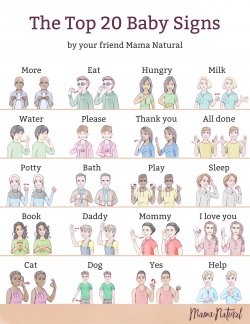
For caregivers beginning the transition to a signing household, the following 20 signs represent the most functional starting point:
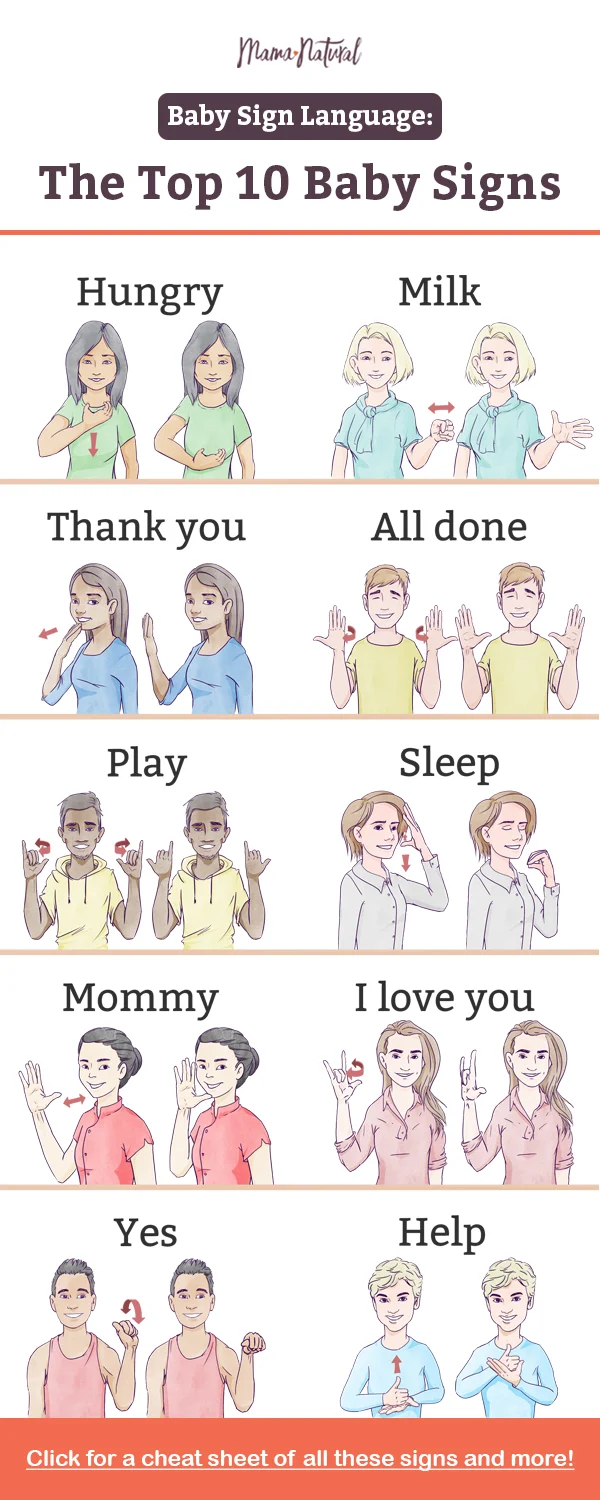
- More: Bring the fingertips of both hands together in a tapping motion. This is often the first sign a baby masters because of its high reward value.
- Eat: Using a "pinched" hand shape, tap the fingertips against the lips. This is used for solid foods.
- Hungry: Slide a flat palm from the throat down to the stomach, simulating the path of food.
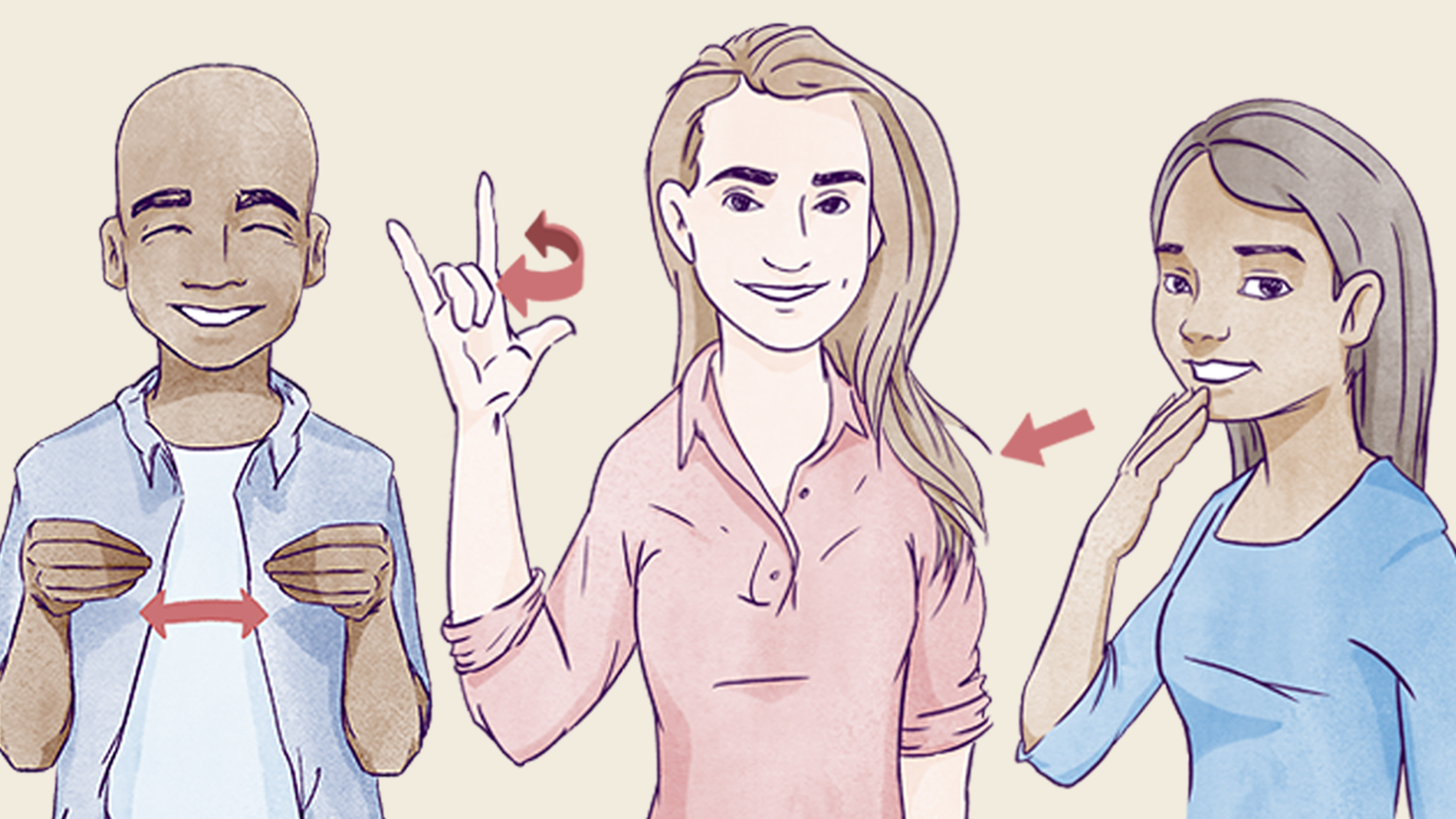
- Milk: Open and close a fist as if milking a cow. This is essential for infants to communicate thirst or the need for a bottle/nursing.
- Water: Form a "W" with the three middle fingers and tap the index finger against the chin.
- Please: Place a flat palm on the chest and move it in a circular motion. This introduces early social etiquette.
- Thank You: Touch the fingertips to the chin and then move the hand outward toward the person being thanked.
- All Done: Hold both hands up with palms facing in, then flip them outward. This is crucial for ending meal times or activities.
- Change: Cross the wrists with hands in a "hook" shape and rotate them. This allows the infant to indicate discomfort from a soiled diaper.
- Potty: Place the thumb between the index and middle fingers (forming a "T" in ASL) and shake the hand.
- Bath: Make two fists and move them up and down the chest, mimicking a scrubbing motion.
- Play: Extend the thumb and pinky finger while tucking the others, then twist the wrist.
- Sleep: Start with an open hand over the forehead and draw it down to the chin, closing the fingers to represent closing eyes.
- Book: Place palms together and open them like a hinge, keeping the pinky fingers touching.
- Daddy: Tap the thumb of an open hand against the forehead.
- Mommy: Tap the thumb of an open hand against the chin.
- Dog: Pat the thigh and then snap the fingers (or mimic the snap).
- Cat: Use the thumb and index finger to "pull" imaginary whiskers away from the side of the mouth.
- I Love You: While the ASL sign for "I Love You" is a specific handshape, for infants, crossing the arms over the chest in a self-hug is an effective and intuitive alternative.
- Help: Place a "thumbs up" hand on top of a flat, open palm and lift both hands together.
Broader Implications and Expert Consensus
The adoption of baby sign language has seen a significant increase in early childhood education centers across North America and Europe. Many preschools and daycares now integrate basic signs into their curriculum to manage groups of pre-verbal children more effectively.
Speech-language pathologists (SLPs) often recommend signing for children with developmental delays or those on the autism spectrum, as it provides a low-pressure entry point into the world of communication. By removing the immediate demand for vocalization, children can focus on the "pragmatics" of communication—the understanding that an action can influence another person’s behavior.
In summary, baby sign language is a scientifically grounded tool that enhances the early developmental years. It provides a window into the infant’s mind, allowing caregivers to see the world through their child’s eyes months before the first word is spoken. While it requires patience and consistent effort, the long-term rewards of reduced stress, increased cognitive engagement, and a strengthened familial bond make it a valuable practice for modern parenting. As the child eventually transitions to verbal speech, the foundation of successful communication remains, having been built on the simple, manual gestures of their earliest months.
