

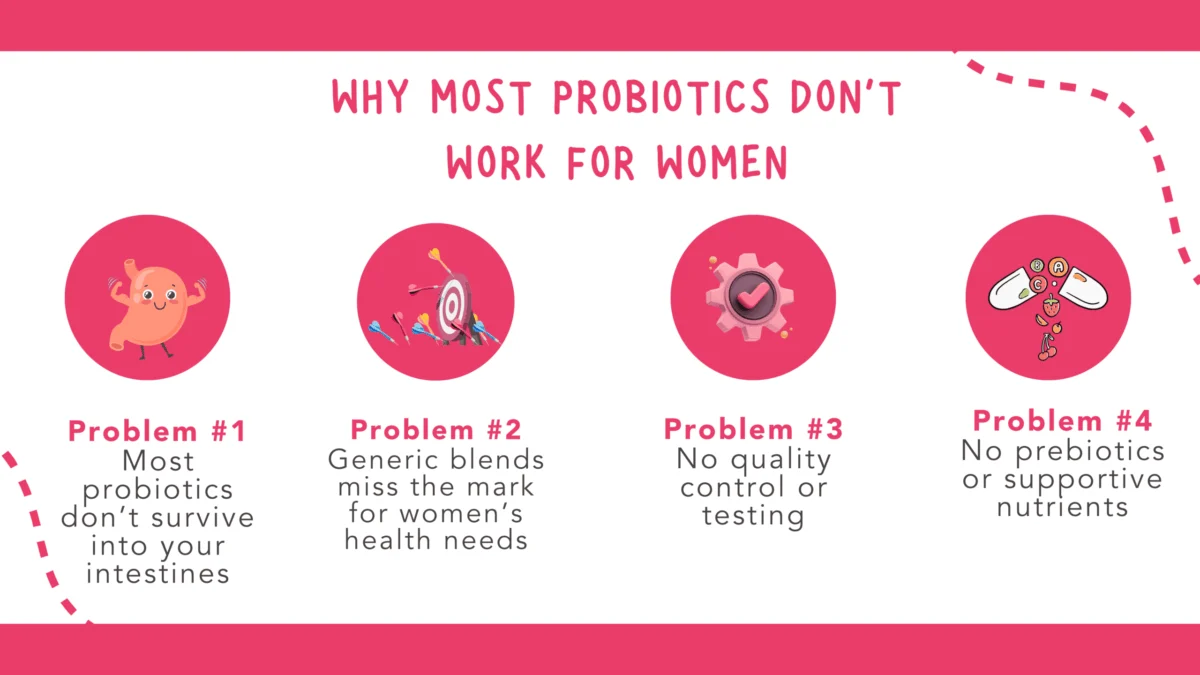
The global probiotic market, currently valued at over $70 billion and projected to grow significantly by 2030, has successfully permeated the health and wellness consciousness of the modern consumer. Marketing campaigns frequently promise a panacea for digestive distress, dermatological issues, and emotional dysregulation. However, a growing body of clinical evidence and consumer feedback suggests a significant gap between the advertised benefits of these supplements and their actual physiological impact, particularly concerning the female demographic. Industry experts and researchers point to several systemic failures in probiotic formulation, ranging from biological delivery challenges to a lack of gender-specific tailoring.
The Biological Barrier: The Survival of Live Cultures
The primary hurdle for any oral probiotic is the human digestive system’s natural defense mechanism. The stomach is an extraordinarily hostile environment, characterized by gastric juices with a pH level typically ranging from 1.5 to 3.5. This high acidity is an evolutionary necessity designed to break down complex proteins and neutralize potentially lethal pathogens before they can colonize the intestinal tract.
Unfortunately, this biological "security system" does not distinguish between harmful bacteria and the beneficial strains contained in most commercial probiotics. Data suggests that a significant percentage of standard probiotic bacteria—often as high as 80% to 90%—are destroyed within minutes of entering the stomach. Consequently, by the time the supplement reaches the small and large intestines, where colonization is intended to occur, the "colony-forming units" (CFUs) are often insufficient to effect any meaningful change in the microbiome.
To address this, high-tier formulations have shifted toward a strategy of "potent overage." This manufacturing process involves packing the capsule with a significantly higher number of live bacteria than the label claims at the time of manufacture. This ensures that even after the inevitable attrition caused by shelf-life degradation and gastric transit, a therapeutic dose remains viable for the consumer. This approach bypasses the need for synthetic enteric coatings, which can sometimes fail to dissolve at the correct physiological juncture.
Chronology of the Probiotic Evolution
The scientific understanding of the human microbiome has undergone a rapid transformation over the last century.
- Early 1900s: Nobel laureate Élie Metchnikoff first proposed that consuming beneficial bacteria (specifically Bulgarian yogurt) could delay senility and improve health.
- 1990s: The commercialization of probiotics began in earnest, though products were largely generic and focused on basic digestive health.
- 2007: The National Institutes of Health (NIH) launched the Human Microbiome Project, which provided the first comprehensive map of the microbial communities inhabiting the human body.
- 2015-Present: Research has shifted toward "precision probiotics," acknowledging that different demographics—particularly women—require specific bacterial strains to address unique physiological demands.
The Gender Gap in Microbiome Research
A critical failure in the probiotic industry is the "one-size-fits-all" approach to formulation. Clinical data indicates that the female microbiome is distinct from the male microbiome, influenced heavily by hormonal fluctuations and the presence of the vaginal ecosystem. Estrogen levels, for instance, have been shown to influence gut motility and the permeability of the intestinal lining.
Furthermore, women face specific health challenges that generic probiotics are not equipped to address. Recurrent urinary tract infections (UTIs), bacterial vaginosis (BV), and yeast infections are directly linked to imbalances in the vaginal flora. While a generic probiotic may contain Lactobacillus species, it may lack the specific strains required to migrate from the gut to the vaginal tract to restore equilibrium.
Specific strains have emerged as the "gold standard" for female-specific health:
- Lactobacillus rhamnosus: Extensively studied for its ability to survive the digestive tract and support both gut and vaginal health.
- Lactobacillus reuteri: Known for its role in maintaining a healthy pH balance in the vaginal microbiome and supporting the immune system.
- Lactobacillus gasseri: Linked in several clinical trials to metabolic health and the reduction of menstrual-related bloating.
Quality Control and the Labeling Crisis
The supplement industry operates under the Dietary Supplement Health and Education Act of 1994 (DSHEA) in the United States, which means products are not subject to the same rigorous pre-market approval as pharmaceutical drugs. This regulatory environment has led to significant discrepancies in product quality.
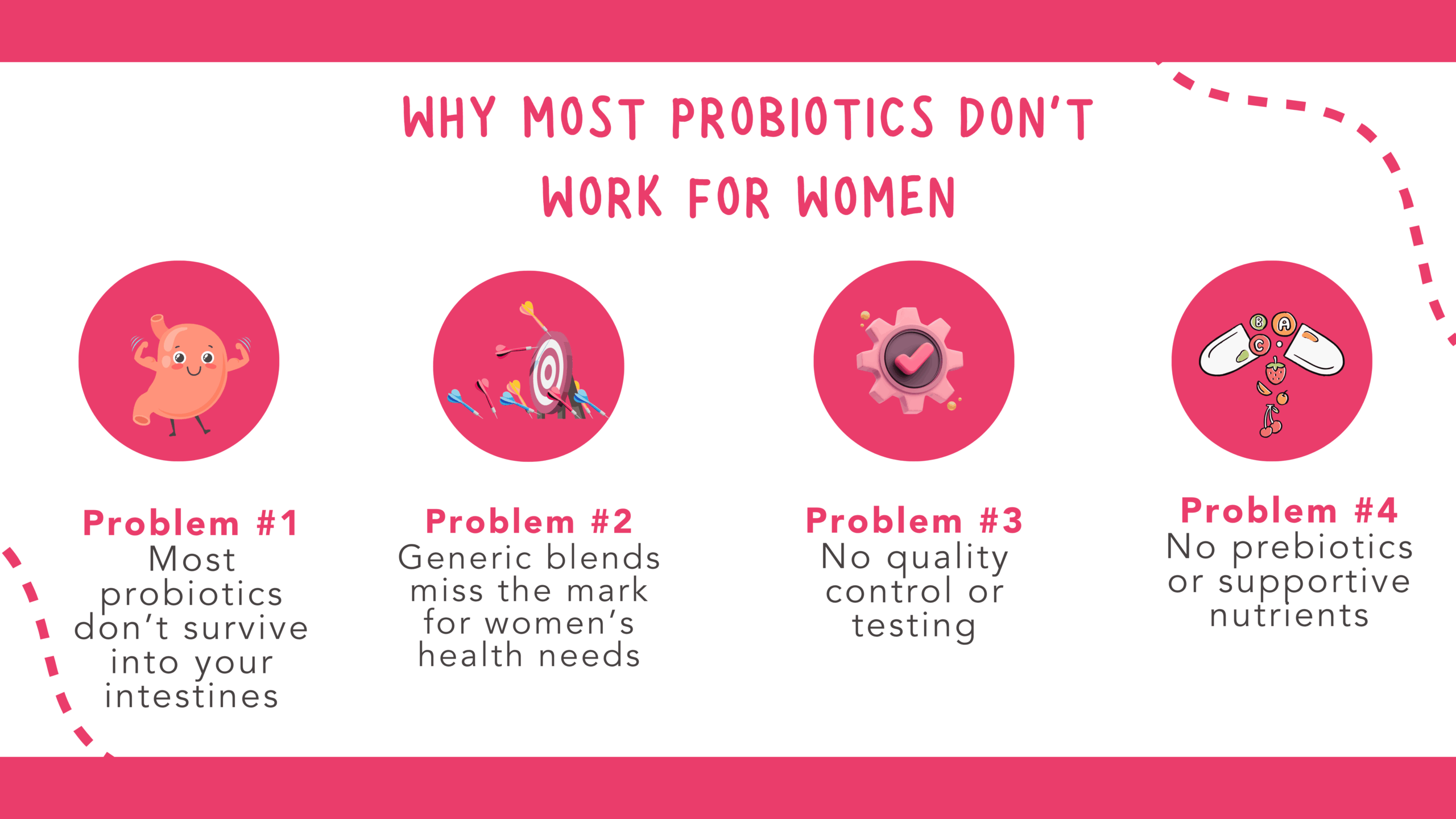
An independent study published in the journal Nutrients and corroborated by various consumer advocacy groups found that a startling number of probiotics on retail shelves did not meet their label claims. Some brands contained less than 10% of the advertised live bacteria, while others contained none at all. Furthermore, the lack of third-party testing means that many products may contain unlisted fillers, allergens, or even contaminants.
To mitigate these risks, industry analysts recommend that consumers look for products that undergo third-party certification (such as NSF or USP) and specifically list the strain designations (e.g., Lactobacillus rhamnosus HN001) rather than just the genus and species. Strain-specific labeling is a hallmark of a manufacturer that is adhering to clinical research.
The Role of Prebiotics and Nutrient Synergy
A probiotic’s efficacy is largely dependent on the environment it enters. Without adequate "fuel," even the most robust bacterial strains will fail to colonize. This fuel is known as prebiotics—non-digestible fibers that feed beneficial bacteria.
The modern Western diet is notoriously deficient in fiber. The American Heart Association and other health bodies recommend a daily intake of approximately 25 grams of fiber for women, yet the average consumption remains closer to 15 grams. This "fiber gap" creates a starvation environment for probiotics.
Innovative formulations are now incorporating whole-food prebiotic sources, such as fiber from the Baobab tree (Adansonia). Sourced primarily from Africa and often referred to as the "Tree of Life," Baobab fruit pulp is exceptionally high in soluble fiber and antioxidants. Unlike synthetic prebiotics like inulin, which can cause gas and bloating in sensitive individuals, Baobab fiber is generally well-tolerated and provides a slow-release energy source for the microbiome.
Analysis of Implications: The Future of Probiotic Therapy
The shift toward targeted, high-quality probiotics reflects a broader trend in personalized medicine. As consumers become more educated, the demand for "clean label" products—those free from gluten, soy, dairy, and synthetic binders—continues to rise. This is particularly relevant for women, who are statistically more likely to suffer from autoimmune conditions and food sensitivities.
The implications of a properly balanced microbiome extend beyond simple digestion. The "gut-brain axis"—the bidirectional communication network between the enteric nervous system and the central nervous system—suggests that gut health plays a pivotal role in mental health, including the management of anxiety and depression. For women, whose hormonal cycles can influence neurotransmitter production, maintaining gut equilibrium is a critical component of holistic wellness.
Consumer Guidance for Maximum Efficacy
Based on the current scientific consensus, the following protocols are recommended for those seeking to implement a probiotic regimen:
- Consistency is Paramount: The microbiome is a dynamic ecosystem. Clinical benefits typically require 14 to 30 days of consistent daily supplementation to manifest.
- Synergistic Diet: Probiotics should be viewed as a supplement to, not a replacement for, a diet rich in fermented foods (kimchi, kefir, sauerkraut) and diverse plant fibers.
- Hydration and Sugar Reduction: High sugar intake can promote the growth of opportunistic pathogens like Candida, which compete with probiotics for space and resources.
- Targeted Selection: Women should prioritize formulas like the Mama Natural Women’s Probiotic, which utilizes the 10-strain blend (including L. reuteri and L. gasseri) and avoids common allergens and GMOs.
In conclusion, the failure of many probiotics to deliver results is not a failure of the science itself, but rather a failure of formulation and delivery. By prioritizing strain specificity, ensuring high survival rates through potent overage, and including supportive nutrients like Baobab fiber, manufacturers are beginning to meet the complex biological needs of the female body. As the industry moves toward greater transparency and clinical rigor, the promise of improved digestion, clearer skin, and better mood may finally move from marketing slogan to physiological reality.
