

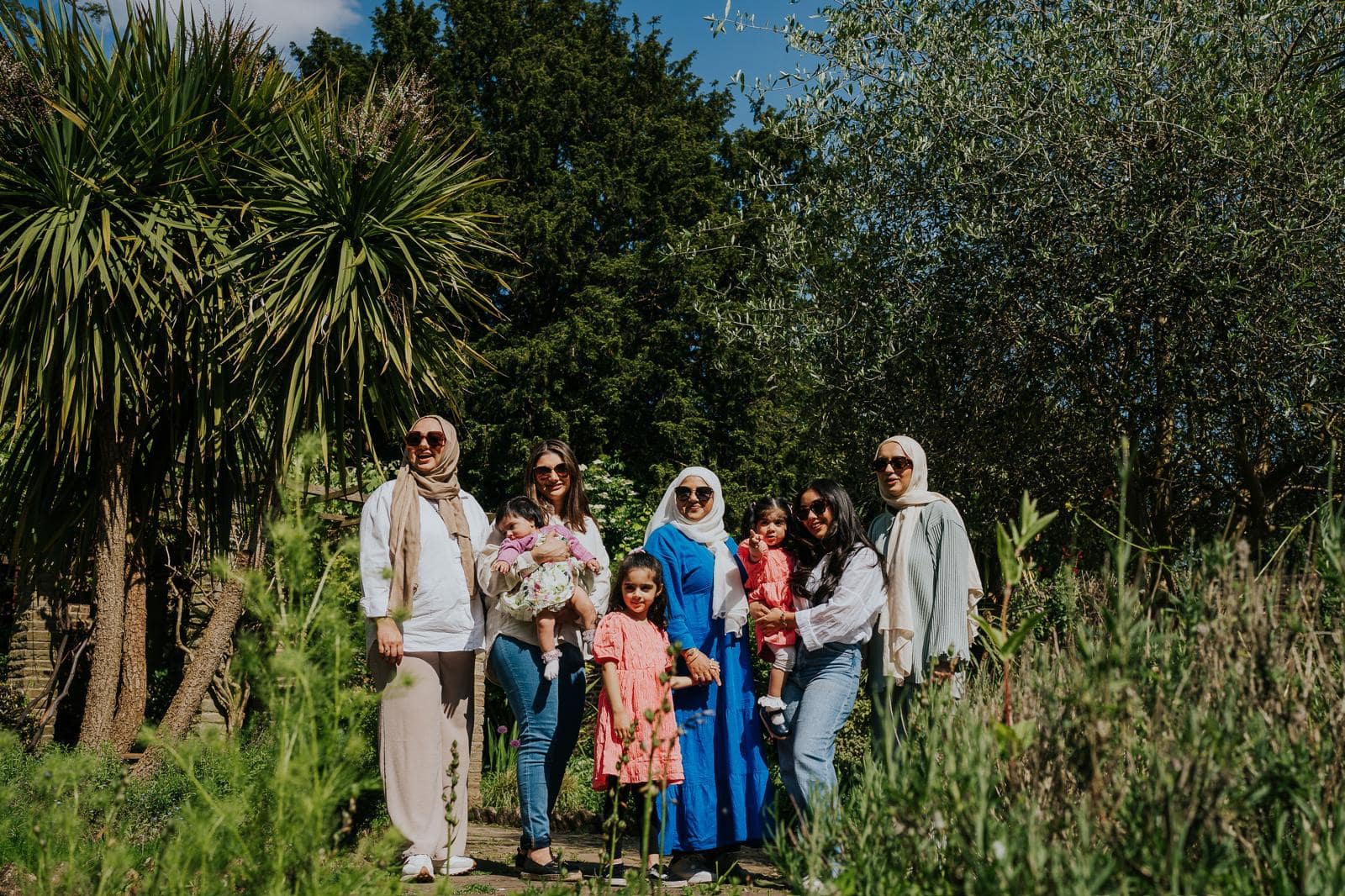
Zarina Ayyub, a dedicated doula and breastfeeding advocate from Tooting, London, stands as a testament to resilience and cultural change, having transformed her own challenging experiences with infant feeding into a powerful movement for support and empowerment within the South Asian community. Her journey, spanning decades and multiple children, illuminates the profound impact of cultural norms, historical medical practices, and the transformative power of informed advocacy on maternal and infant health.
The Echoes of a Past Generation: Zarina’s Mother’s Ordeal
Zarina’s own story is deeply rooted in the experiences of her mother, who immigrated to England from Pakistan in the late 1960s. This era in the UK was characterized by a significant decline in breastfeeding rates, heavily influenced by medical advice that often favoured formula. Hospitals routinely provided formula and milk-drying pills, a practice Zarina’s mother encountered firsthand and never forgot. She attempted to breastfeed her older son, Zarina’s brother, but faced immense difficulty and lack of support, describing it as a painful and unfulfilling experience.
Compounding the medical environment were the cultural pressures within her in-laws’ household in Birmingham. Living with five other adults, predominantly male, her mother was bound by strict household rules that offered little privacy or encouragement for breastfeeding. Traditional Pakistani beliefs further complicated matters; colostrum, the vital "first milk," was often considered "dirty" in parts of India and Pakistan. Instead, new mothers were sometimes advised to give newborns a concoction of cooled boiled water with fennel and other seeds to "clear" meconium – a practice now known to interfere with early breastfeeding and colostrum intake. This lack of cultural and familial support, coupled with the prevailing hospital practices, left Zarina’s mother traumatized, leading her to later dissuade her own daughter from breastfeeding, fearing she would endure similar pain.
Zarina’s Traumatic Introduction to Motherhood
Zarina’s own entry into motherhood at the age of 20, just days after her birthday on November 1st, mirrored many of the challenges her mother faced, albeit in a different decade. Her baby, born prematurely at 4 lbs 13 oz, was immediately separated from her and placed in a special nursery, where she was fed formula by tube. Zarina, isolated in her own room, received no information or choices regarding feeding. The crucial concept of colostrum or hand expression was entirely absent from her hospital care. This lack of guidance, combined with her mother’s cautionary tales, left her feeling scared and disempowered, unable even to hold her tiny newborn initially. The hospital staff, while stating the baby’s small size was due to a poorly functioning placenta, offered no further explanation, leaving Zarina with lingering questions and emotional scars.
When her daughter was finally brought to her on day three, Zarina was severely engorged. Despite her mother’s urging to request milk-drying pills, an instinctual drive compelled Zarina to try breastfeeding. However, the attempt was fraught with difficulty. Her breasts were "big and hard, and felt heavy like bricks," making it challenging for her tiny baby to latch. A midwife’s forceful intervention, which Zarina recalls as "horrible" and tear-inducing, further underscored the lack of gentle, informed support. This difficult start set the tone for a gruelling initial period.
A Hard-Won Battle: The Early Days at Home
Returning home around day five or six, Zarina faced cracked and bleeding nipples. The distress was palpable, leading to a night of collective tears with her husband. In a testament to the lack of readily available support and resources at the time, her husband’s desperate search for solutions in Birmingham yielded an ineffective hand pump and a dummy disproportionately large for their newborn. This period highlighted not only the physical pain but also the emotional toll of unsupported breastfeeding.
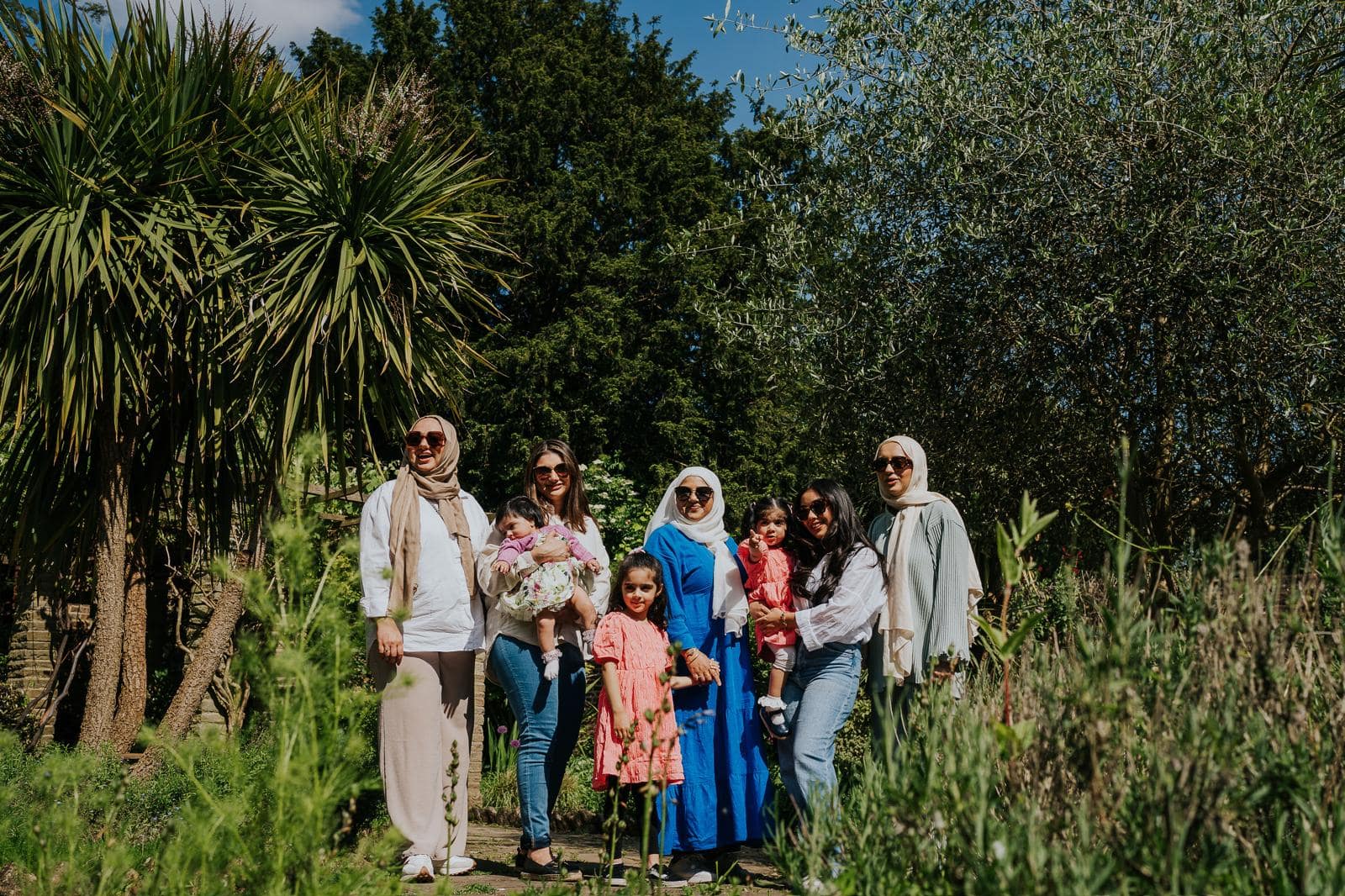
The subsequent move to their own flat in London, after two weeks at her mother’s, offered a semblance of independence but introduced new challenges. Living with her husband’s extended Pakistani family – an aunt, uncle, and grandparents – meant constant company, as her husband frequently hosted newly arrived relatives from abroad. This environment, while supportive in its hospitality, placed significant pressure on Zarina. She felt embarrassed to breastfeed outside the home, leading to social isolation, and the constant demands of cooking and cleaning for a busy household made it difficult to prioritize feeding her baby. She adhered to a strict three-hour feeding schedule, influenced by her mother’s formula-feeding routine, unaware of the benefits of responsive feeding.
Cultural Scrutiny and the Pursuit of a "Spotless House"
The cultural pressures continued to mount within her London in-laws’ household. Even her mother-in-law, who had breastfed all her sons, struggled to understand Zarina’s determination. The prevailing community value, as Zarina observed, prioritized a "spotless house" and active contribution to family chores over the perceived "laziness" of sitting to breastfeed. Her children, being small like herself, were unfavourably compared to other larger babies in the family, leading her husband to also pressure her to supplement with "bottle milk." This constant scrutiny and lack of understanding were a profound source of stress, challenging her innate desire to provide closeness and comfort to her crying baby.
The Turning Point: Empowerment Through Knowledge
The birth of her third child marked a pivotal moment in Zarina’s journey. By this time, her household had expanded further, with her husband’s mother and two brothers also living with them. Despite the increased demands and external pressures, Zarina found an inner strength. This period coincided with her discovery of "The Womanly Art of Breastfeeding," a seminal text by La Leche League. She borrowed the book from the library and immersed herself in its contents for the entire nine months of her pregnancy. The knowledge gained – particularly debunking myths like colostrum being "dirty" and understanding the possibility of relactation – was profoundly empowering. Armed with this information, she felt resolute, declaring, "no one was going to mess with me!" She went on to breastfeed her third child for two full years, defying numerous critical comments.
Seeking and Building Community Support
A few weeks after her third baby’s birth, Zarina developed mastitis, a common and painful breastfeeding complication. This led her to contact an LLL Leader and attend a local LLL group in Wimbledon. Her experience there, as "the only woman wearing shalwar kameez," highlighted the existing cultural gap in mainstream breastfeeding support. While she wore the traditional attire to appease her in-laws and minimize conflict, it made feeding awkward and reinforced a sense of embarrassment. It would be years before she gathered the courage to return to such a group.
However, Zarina’s innate desire to support others had already begun to manifest much earlier. Just four weeks after her first child was born, she helped her husband’s aunt, who had returned from the hospital with her own engorged breasts and was facing similar challenges within a non-breastfeeding household. This informal support continued with her younger sister, whom she helped breastfeed all her children. Over time, seeing her sister’s "big, happy babies" gradually normalized breastfeeding for Zarina’s own mother, transforming her initial trauma into genuine support for her last two children.
Formalizing Advocacy: From Peer Supporter to Doula
Zarina’s long-held wish to become a breastfeeding peer supporter finally materialized after the birth of her fifth child. This birth, though improved, presented new breastfeeding challenges due to her baby’s prematurity (35 weeks) and severe reflux. Seeking help, she encountered poor advice from a breastfeeding counsellor but then, serendipitously, found a local breastfeeding café. There, she saw an advertisement for La Leche League’s 12-week peer supporter training course, run by the NHS in her area. This discovery felt like divine intervention, solidifying her determination to provide proper, informed support to other mothers. Her graduation from the course, marked by the gift of a pink knitted breast model, remains a cherished memory, symbolizing her official entry into advocacy.
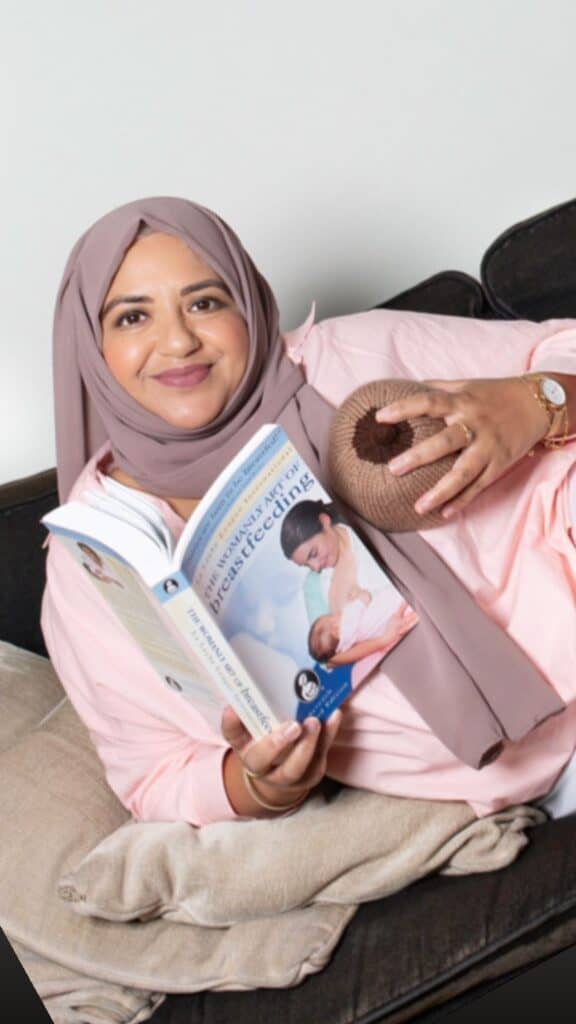
For two or three years, Zarina served as a peer supporter, notably as the sole Muslim peer supporter in her group. She observed a scarcity of Asian women attending, underscoring the critical need for relatable figures and culturally sensitive spaces. While her support extended to all mothers, she recognized the immense value of connecting with individuals who shared similar backgrounds, even beyond language barriers. Her effectiveness was such that many mothers she helped expressed a desire to "take me home with them!"
Today, Zarina works as a doula, guiding mothers through birth and the postnatal period, a role made more manageable now that her five children, aged 18 to 34, are grown. Her advocacy has expanded, contributing to significant projects aimed at supporting ethnic minority families. Last year, she participated in a project with The Raham Project in Peterborough and the charity BLISS, sharing her deeply personal birth stories and experiences related to neonatal intensive care units and premature babies. Her participation highlighted the enduring pain of her early experiences, particularly concerning her first baby.
Intergenerational Impact and a Cultural Shift
Zarina’s tireless efforts have yielded remarkable intergenerational change within her own family. Her daughters, now living nearby, exemplify a stark contrast to her initial struggles. One daughter has three children under four, having breastfed her first for two years, tandem-fed her first two, and continues to breastfeed her youngest at eight months. This success, supported by a husband who has grown to champion breastfeeding despite initial familial discomfort, showcases the ripple effect of Zarina’s influence. She has also supported her daughter’s sister-in-law, who has had a brilliant breastfeeding journey.
Despite these advancements, Zarina acknowledges that significant challenges persist within the broader South Asian community. "There is still a lot of shame surrounding breastfeeding in the Asian community. Many families are still quite prudish," she notes. However, her own household stands as a unique example, where once-taboo subjects like breastfeeding and periods are openly discussed and normalized. This openness has permeated her children’s spouses and friends, largely due to Zarina’s unwavering commitment to fostering dialogue. The aspiration among her other daughters to explore home births, a significant departure from community norms, stands as a "huge miracle."
Addressing Cultural Misconceptions and Future Directions
Zarina stresses that the reluctance to breastfeed openly or seek support among South Asian women is often cultural, rather than religious. She clarifies that the Muslim faith unequivocally teaches that a baby has a right to be breastfed for as long as they wish, often interpreted as up to two years. The discomfort many women feel about lifting their tops in public, even among other women, stems from deeply ingrained cultural modesty, often confused with religious mandates.
Her work, and that of organizations like La Leche League and the NHS, aims to bridge this gap. By building relationships of trust and providing culturally sensitive support, advocates can address fears, dismantle misconceptions, and normalize breastfeeding as a natural, beneficial process for both mother and baby. The "Breastfeeding Matters LLLGB Podcast," featuring Zarina Ayyub, further amplifies this message, discussing the critical need for safe and supportive environments for new mothers, echoing ancient traditions like the "fourth trimester" practiced across many cultures.
Zarina Ayyub’s life story is more than a personal narrative; it is a powerful blueprint for cultural transformation. From battling misinformation and societal pressures to becoming a beacon of support and education, she embodies the spirit of a true trailblazer, working tirelessly to ensure that future generations of mothers, especially those within the South Asian community, can embrace breastfeeding with confidence, knowledge, and unwavering support. Her unwavering dedication serves as an inspiration for a more informed, empathetic, and culturally competent approach to maternal health worldwide.