

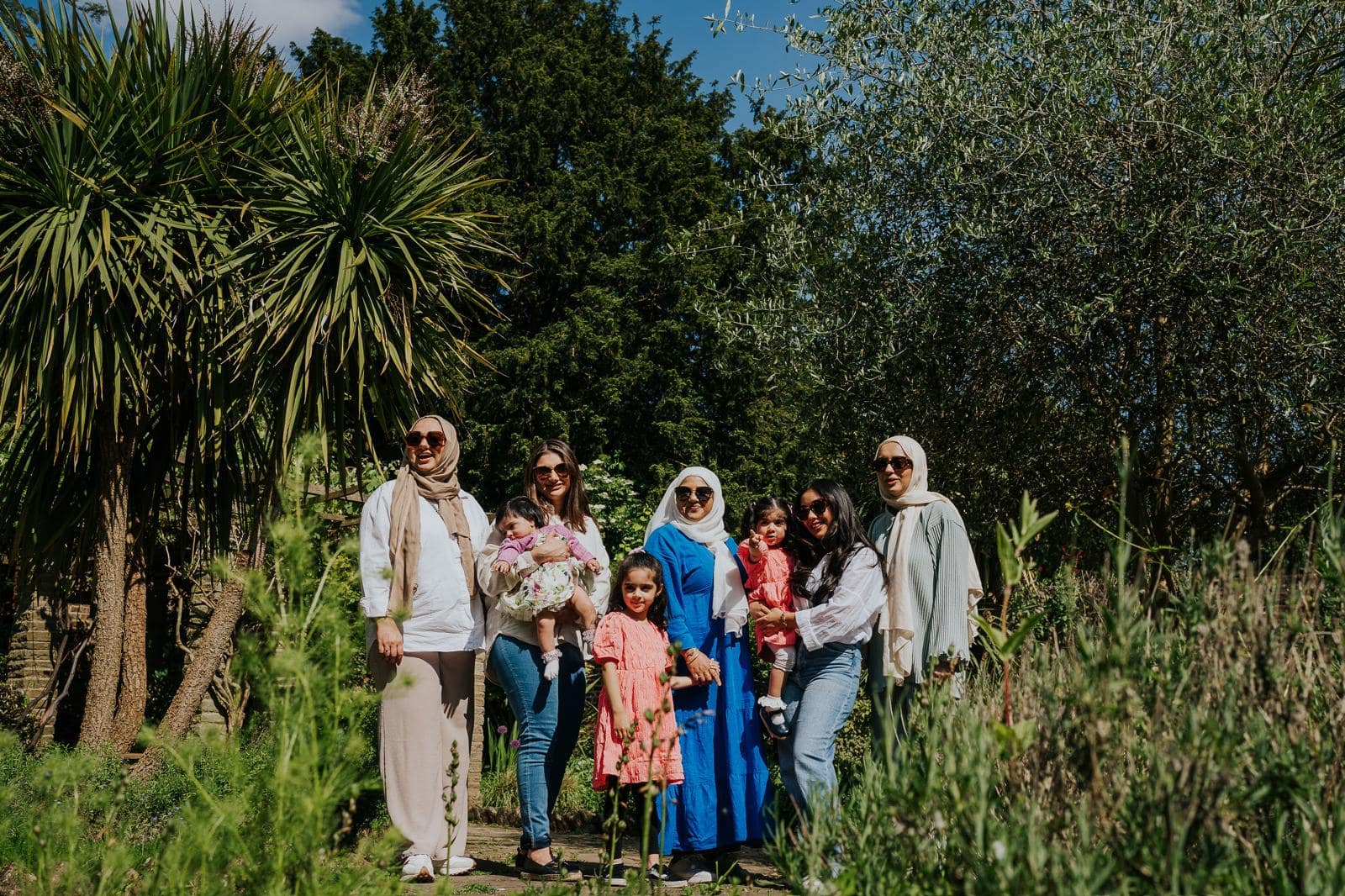
Zarina Ayyub, a 54-year-old mother of five and a dedicated Doula from Tooting, London, has emerged as a formidable trailblazer in breastfeeding advocacy, particularly within the South Asian community. Her personal journey, marked by profound struggles and systemic neglect during her early motherhood in the 1980s, has transformed into a powerful mission to normalize breastfeeding and provide culturally sensitive support to new mothers. Ayyub’s story highlights the critical interplay of generational trauma, medical practices of the era, and deep-rooted cultural beliefs that often isolate and undermine women’s choices in maternal care.
Early Life and Generational Trauma
Born in Birmingham, Zarina Ayyub’s early experiences with motherhood were shaped by a legacy of challenging breastfeeding journeys. Her mother, a Pakistani immigrant who arrived in England in the late 1960s, was among the first in her community to have children in the UK. Facing a new country and living with unsupportive in-laws, Ayyub’s mother encountered significant obstacles. In hospital, she was routinely given formula and medication to suppress lactation, a common practice at the time designed to "dry up" milk, which she never forgot and deeply resented. This medical intervention, combined with the social pressures of a multi-generational household where privacy was scarce, led to a traumatic breastfeeding experience for her. She recalled discomfort, a feeling of her baby never being full, and a profound lack of enjoyment. The family’s living situation, with Ayyub and her siblings sharing a single room with their parents until she was nearly a decade old, underscored the profound lack of personal space that exacerbated her mother’s difficulties.
This intergenerational trauma profoundly influenced Ayyub’s initial approach to motherhood. Her mother, still scarred by her own experience, repeatedly cautioned Ayyub against breastfeeding, fearing her daughter would endure similar pain. Furthermore, traditional beliefs from India, shared by her mother, held that colostrum – the vital "first milk" – was "dirty" or unsuitable. Instead, new mothers were often advised to feed newborns a concoction of cooled boiled water with fennel and other seeds, intended to clear meconium from the baby’s bowels. Such ingrained cultural practices, coupled with a lack of understanding of modern infant feeding guidelines, created a significant barrier to Ayyub’s own nascent desire to breastfeed.
Navigating a System of Neglect: A Young Mother’s Ordeal
Ayyub’s first child was born in November, shortly after her 20th birthday, weighing a tiny 4 lbs 13 oz. Her birth experience in the hospital was characterized by a startling lack of information and autonomy. She recounts that, possibly due to her youth, no medical staff explained the physiological processes of breastfeeding or offered her choices. Her newborn was immediately taken to a special nursery, where she was tube-fed formula, while Ayyub was isolated in her own room. The absence of guidance on crucial aspects like colostrum or milk expression left her feeling powerless and scared, even to hold her own child. Her mother’s advice to "trust them" echoed the compliance of her own generation but did little to empower Ayyub. The explanation for her baby’s low birth weight – a poorly functioning placenta – was delivered without further detail, leaving Ayyub with lingering questions and painful memories that persist to this day.
On the third day post-partum, when her daughter was finally brought to her, Ayyub was severely engorged. Despite her mother’s urging to request milk-drying pills, Ayyub resisted, driven by an instinctive desire to feed her baby. However, with her small baby struggling to latch onto her hard, heavy breasts, the situation became deeply distressing. She vividly recalls a midwife forcefully grasping her breast and pushing her baby onto it, an experience so traumatic it brought her to tears. This incident underscores the stark realities faced by many mothers in the 1980s, where hospital practices often prioritized medical efficiency over gentle, mother-led support. A 2007 report by the National Childbirth Trust (NCT) highlighted that such forceful interventions were not uncommon during this period, reflecting a broader medical culture that often failed to adequately support new mothers in establishing breastfeeding.
Cultural Barriers and Community Pressure
The struggle continued after Ayyub and her baby returned home around day five or six. Her nipples were sore, cracked, and bleeding, a testament to the difficult start. The family’s initial attempt to find relief for the crying baby on their first night home in Birmingham, searching for an open chemist for a breast pump or dummy, illustrated the profound lack of preparedness and support infrastructure.
Relocating to London with her husband and baby, Ayyub faced a new set of challenges within her husband’s extended Pakistani family, which included his aunt, uncle, and grandparents. Despite the privacy of their own flat, Ayyub felt embarrassed to breastfeed in public, leading to social isolation. Her home was frequently occupied by newly arrived relatives from abroad, a testament to her husband’s hospitality, but also a constant demand on her time for cooking and cleaning. This environment made responsive feeding – feeding on demand rather than a schedule – nearly impossible, as she attempted to adhere to her mother’s formula-feeding schedule of every three hours.
The cultural pressures intensified. Even her mother-in-law, who had breastfed all her sons, struggled to understand Ayyub’s persistence. Breastfeeding was often perceived as "laziness" compared to the visible contributions of housework and maintaining a spotless home, which were highly valued within the community. Ayyub’s instincts to hold and comfort her crying baby were often at odds with expectations for her to be "up and about." Her husband, influenced by comparisons with larger, formula-fed babies in the family, also pressured her to supplement with "bottle milk," expressing concern about their children’s perceived thinness. This societal emphasis on infant weight as a marker of health, often leading to formula supplementation, is a well-documented issue in many communities, including South Asian, where larger babies can be culturally prized. Research by Public Health England consistently points to cultural norms and lack of visible role models as significant barriers to sustained breastfeeding in ethnic minority groups.
A Catalyst for Change: Self-Education and Advocacy
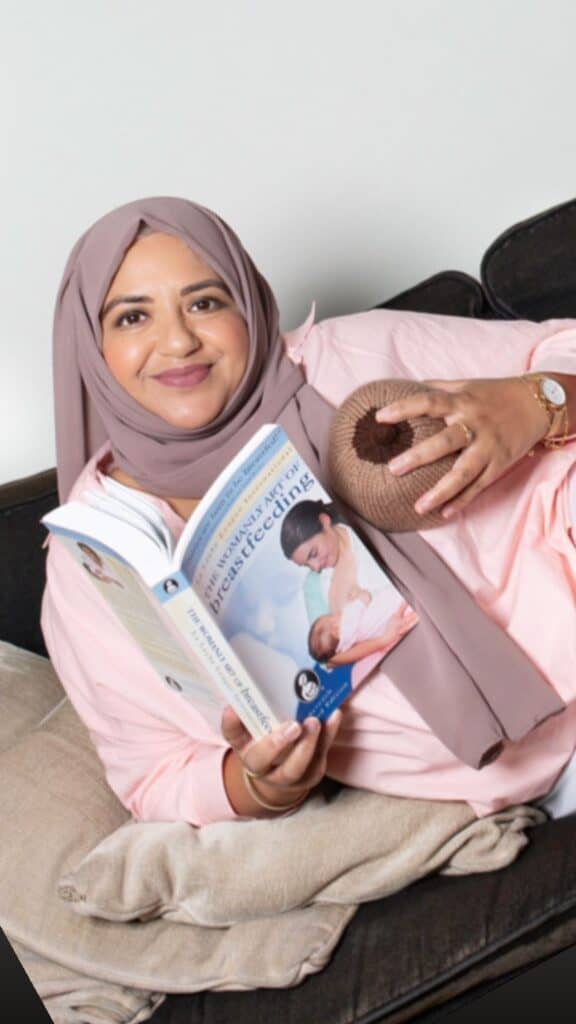
Despite these formidable obstacles, Ayyub harbored an internal resolve. "There was something inside me that just knew what to do," she reflects. The turning point arrived during her third pregnancy when she discovered "The Womanly Art of Breastfeeding" at her local library. Immersing herself in the book for nine months, she gained a wealth of knowledge that empowered her: "colostrum is not dirty, if you lose your milk, you can relactate…" Armed with this information, Ayyub felt emboldened to challenge the prevailing narratives and practices. She breastfed her third child for two full years, undeterred by critical comments from her family and community. This experience marked a pivotal shift from passive recipient to active advocate.
Her personal struggles further ignited her passion for supporting others. A few weeks after her third baby’s birth, she contracted mastitis, a common and painful breastfeeding complication. This led her to a La Leche League (LLL) group in Wimbledon, a global organization dedicated to providing mother-to-mother breastfeeding support. Attending in her shalwar kameez, Ayyub felt awkward and embarrassed, a reflection of the cultural modesty she adopted to appease her in-laws, making feeding in public more challenging. Despite the initial discomfort, the LLL group provided her first taste of a supportive community, though it would be years before she felt confident enough to return regularly.
Pioneering Peer Support
Ayyub’s innate desire to help other mothers surfaced early. Just four weeks after her first child was born, she assisted her husband’s aunt with engorged breasts, recognizing a shared struggle in a household devoid of breastfeeding knowledge. She also became a vital support system for her younger sister, guiding her through breastfeeding all her children. Witnessing her sister’s successful and happy breastfeeding journey eventually softened her own mother’s stance, leading to invaluable support during Ayyub’s later pregnancies.
It was after the birth of her fifth child, a premature baby born at 35 weeks with severe reflux, that Ayyub fully embraced her calling. A difficult breastfeeding period, coupled with poor advice from a breastfeeding counsellor, led her to a local breastfeeding café. There, she discovered an advertisement for La Leche League’s 12-week peer supporter training course, run by the NHS in her area. This discovery was a profound moment of affirmation for Ayyub: "thank God I came today!" She completed the course, feeling "special" at graduation and cherishing the pink knitted breast she received – a symbol of her commitment.
As a peer supporter for two to three years, Ayyub was often the sole Muslim woman in her role, highlighting the significant underrepresentation of ethnic minority women in such positions. She observed a marked absence of Asian women at the groups she ran, despite the lack of a language barrier. This experience underscored the importance of cultural representation and trust-building in healthcare support. "It’s easier to relate to people who look like you," she notes. Her compassionate and effective support was so valued that many mothers wished to "take [her] home with them."
Intergenerational Legacy and Broader Impact
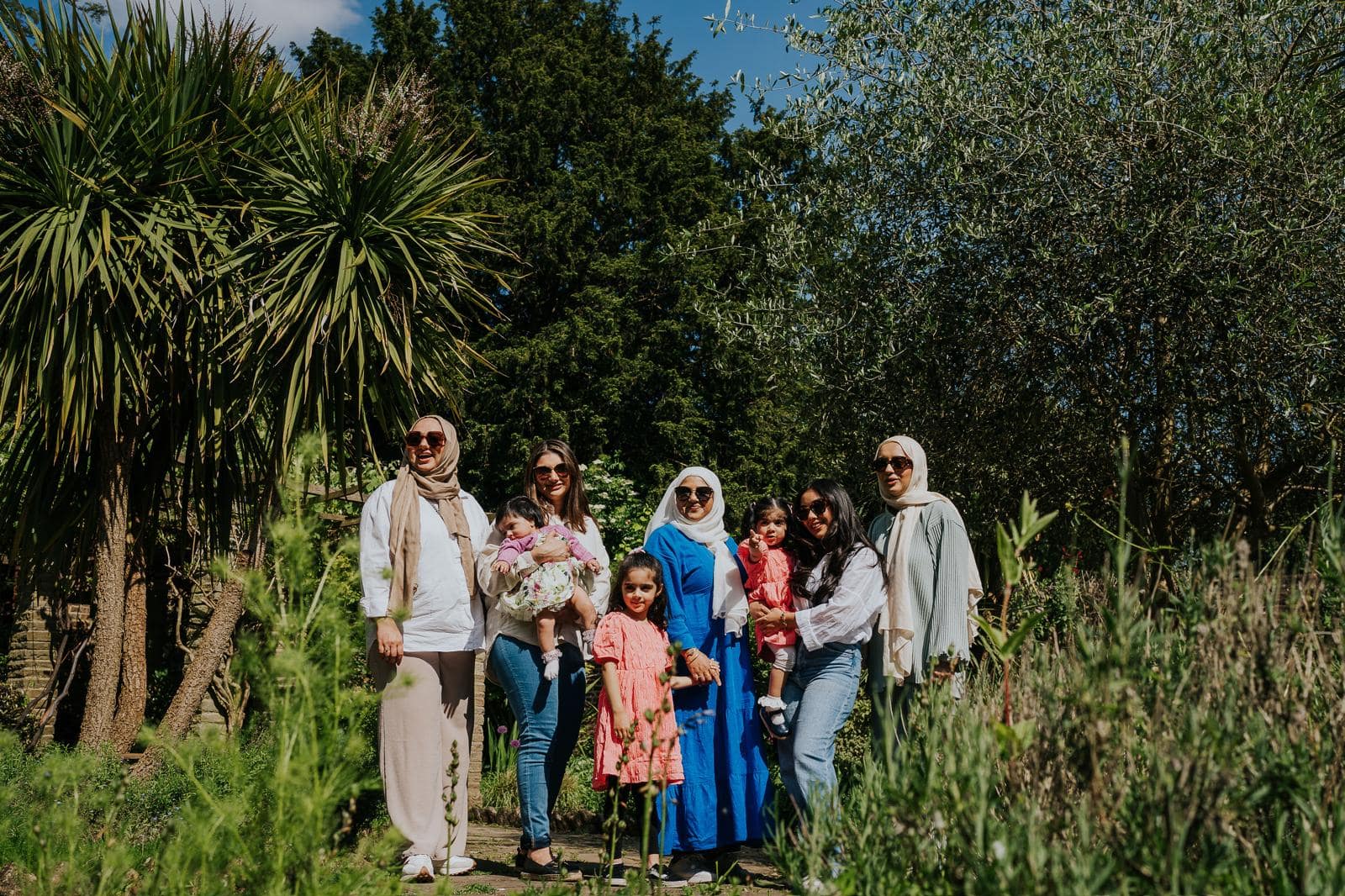
Today, with her children grown, aged 18 to 34, Zarina Ayyub continues her advocacy as a Doula, supporting mothers through birth and the postnatal period. Her journey has created a powerful ripple effect within her own family. Her eldest daughter, now a mother of three under four, has successfully breastfed her children, even tandem feeding, demonstrating a vastly different and more empowered experience than her mother’s. Crucially, her daughter’s husband, despite his family’s initial discomfort with breastfeeding, has been profoundly supportive, reflecting the transformative influence of Ayyub’s advocacy. She has also extended this support to her daughter’s sister-in-law, who has thrived in her breastfeeding journey.
Ayyub’s unwavering commitment has normalized open discussions about women’s health within her family, extending to topics like menstruation and breastfeeding – subjects traditionally shrouded in shame within many Pakistani households. This openness has influenced her children’s spouses and friends, challenging long-held cultural taboos. Remarkably, her other daughters are now considering home births, a significant departure from community norms and a testament to the shifting perspectives within her family.
Addressing Systemic Gaps and Future Directions
Zarina Ayyub’s story is a powerful illustration of the ongoing need for culturally sensitive and accessible breastfeeding support, particularly for South Asian and other ethnic minority communities in the UK. Data from Public Health England and UNICEF UK’s Baby Friendly Initiative consistently show lower breastfeeding initiation and continuation rates among certain ethnic minority groups, often attributed to cultural beliefs, lack of family support, and insufficient culturally competent healthcare provision.
Ayyub emphasizes that the "shame surrounding breastfeeding in the Asian community" is often cultural, rather than religious. Islamic faith, she notes, generally supports a baby’s right to be breastfed, often suggesting up to two years, though cultural interpretations can vary. The prudishness and discomfort with public feeding, even among women, remain significant barriers to accessing vital support groups.
Current initiatives are striving to bridge these gaps. Ayyub highlights collaborative efforts like The Raham Project in Peterborough, working with the charity BLISS, to improve neonatal intensive care unit (NICU) experiences for premature babies and ethnic minority families. Her participation in such projects, sharing her own painful birth stories, underscores the emotional toll these experiences take and the importance of empathetic, representative voices in healthcare development.
Ayyub’s advocacy culminates in a call to action: "I want more South Asian women to be open about their experiences." By building relationships of trust and providing culturally informed care, breastfeeding supporters can help dismantle fears and normalize this "natural and normal process." Her vision is for a society where breastfeeding is universally accepted and celebrated, not just for its profound health benefits for both mother and baby, but as a fundamental aspect of life that transcends cultural misconceptions and historical neglect. Her journey from a vulnerable young mother to a respected Doula and community leader stands as a beacon of hope and a blueprint for effective, culturally responsive maternal care.