

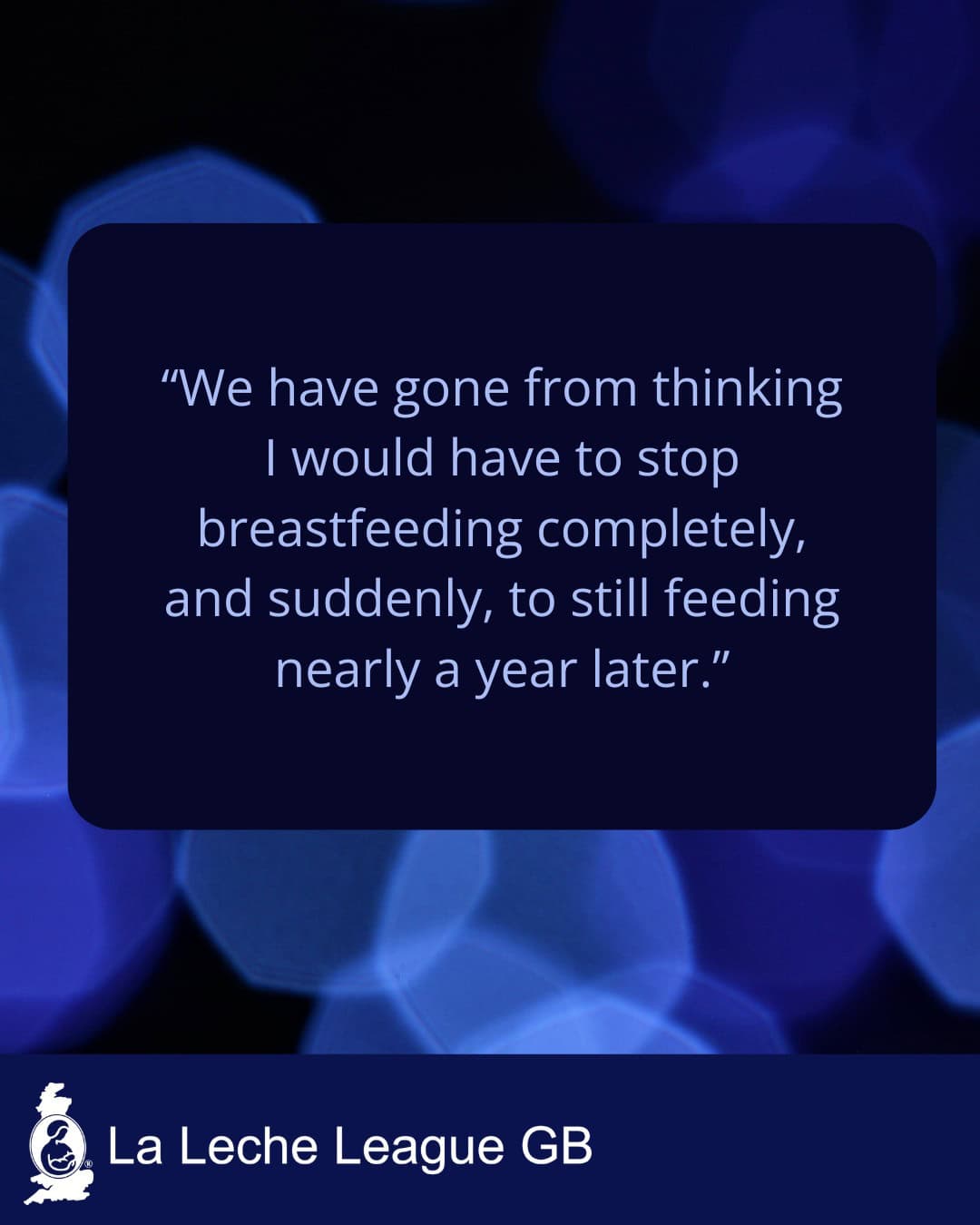
A mother from Yorkshire has shared a compelling account of her struggle to continue breastfeeding her infant daughter following a severe breast injury sustained in a car crash. The incident, which occurred when her daughter was six months old, presented a complex medical and personal challenge, ultimately underscoring the importance of patient advocacy and flexible medical approaches in rare cases of trauma affecting lactation. Despite initial advice suggesting complete cessation of breastfeeding, the mother successfully navigated a months-long recovery process, continuing to nurse her daughter on both sides nearly a year later.
The Incident: A Sudden Impact on a National Speed Limit Road
The car crash unfolded rapidly on a national speed limit road, a context known for higher vehicle speeds and increased potential for severe impact. The mother was seated in the rear of the vehicle with her six-month-old daughter when another driver unexpectedly turned across their path, precipitating a collision. While the front airbags deployed, protecting the driver—the mother’s partner—from significant injury beyond a burn, the rear of the vehicle lacked airbag protection. Consequently, the mother’s seatbelt became the sole restraint, effectively securing her but exerting immense pressure on her chest.
The force of the impact, channeled through the seatbelt, resulted in a severe crush injury to one of her breasts. Seatbelt injuries, while crucial for occupant safety, can paradoxically cause localized trauma, particularly to the chest, abdomen, and collarbone areas. Such injuries range from bruising to more significant internal damage, depending on the force and angle of impact. In this specific case, the direct pressure led to immediate and pronounced swelling, bruising, and intense pain in the affected breast.
Crucially, the infant daughter, secured in a rear-facing car seat, emerged from the collision largely unscathed, save for a minor bruise from her car seat belt. This outcome serves as a powerful testament to the efficacy of rear-facing car seats, which are designed to distribute crash forces more evenly across an infant’s back, head, and neck, significantly reducing the risk of serious injury in young children. Road safety statistics consistently highlight the protective benefits of proper child restraint systems, with rear-facing seats offering superior protection for infants and toddlers up to specific age and weight limits. The family expressed profound gratitude for their relatively fortunate outcome in the broader context of the accident’s potential severity.
Initial Medical Response and Diagnoses
Following the collision, the mother was promptly taken to Accident & Emergency (A&E) due to the visible severity of her breast injury. Upon examination, the injured breast presented with immediate and significant swelling, accompanied by extensive bruising and considerable pain. Medical staff, recognizing the mother’s exclusive breastfeeding status, arranged for a hospital-grade breast pump to be brought from the maternity ward. The initial attempt to express milk from the traumatized breast yielded minimal results, and the small amount that did emerge was alarmingly bright red, indicating the presence of blood—a clear sign of internal trauma and capillary damage within the breast tissue.
Fortunately, the unaffected breast continued to function normally, producing milk without issue, despite some minor bruising in the general area. Medical professionals advised the mother to continue regular pumping on the injured breast, a standard recommendation aimed at maintaining milk supply and preventing engorgement or mastitis, even in the presence of injury.
A few days later, an ultrasound scan was performed to assess the extent of the internal damage. The initial scan revealed no immediate surgical concerns but confirmed significant tissue damage, consistent with a severe contusion. The subsequent weeks were described as "extremely painful," with persistent swelling and a burning sensation in the injured breast upon movement. The intense pain severely restricted the mother’s ability to pick up or hold her daughter, confining them indoors and impacting the crucial physical bonding that breastfeeding facilitates. This period of incapacitation not only posed physical challenges but also exacted an emotional toll on the mother, grappling with pain while trying to care for her infant.
Escalating Medical Concerns and the Threat to Breastfeeding
As the initial weeks progressed with little improvement, the mother was referred by her General Practitioner (GP) to a specialized breast clinic for further evaluation. A second ultrasound scan conducted at the clinic unveiled a critical development: a substantial accumulation of fluid within the injured breast. This fluid, often a mix of blood and serous fluid, is medically referred to as a hematoma or seroma, common complications of blunt force trauma.
To alleviate the pressure and pain, a needle aspiration was performed, draining over a pint of liquid. A nurse reportedly described the appearance of the fluid as resembling a "latte," a detail that, while perhaps an attempt at levity, highlighted the unusual nature and volume of the fluid. The relief from pain following this procedure was immediate and profound.
However, the consultant delivered a significant caution: if the swelling and fluid buildup recurred, the mother might need to cease breastfeeding altogether from that breast. The rationale behind this advice was to halt milk production, allowing the breast to rest and heal without the added physiological stress of lactation. This recommendation, while medically sound in certain severe trauma cases, presented a profound emotional challenge for the mother. She recounted finding only one other similar case online—a woman advised to stop breastfeeding her newborn after a car crash due to an identical injury. The prospect of suddenly discontinuing breastfeeding for her six-month-old daughter, who relied exclusively on breast milk for nutrition and comfort, was described as "extremely upsetting." The emotional distress stemmed not only from the nutritional aspect but also from the abrupt loss of the deep comfort and bonding that breastfeeding provided.
Navigating a Cycle of Intervention and Hope
Within days of the initial drainage, the swelling in the injured breast began to return, though not to the same severe extent as before. This recurrence necessitated another needle aspiration, and the mother was also prescribed antibiotics, likely as a prophylactic measure against potential infection given the trauma and fluid collection.
In a pivotal decision, the consultant agreed to allow the mother to continue breastfeeding for the time being. This "wait-and-see" approach represented a departure from the earlier, more definitive advice, offering a glimmer of hope. The medical team monitored the situation closely, observing if the fluid buildup would naturally reduce over time.
This marked the beginning of a challenging cycle: the mother returned to the hospital for repeated drainage procedures every few days. With each subsequent aspiration, the volume of fluid extracted progressively decreased, indicating a slow but steady healing process. Throughout this period, the mother diligently continued pumping from the damaged side every few hours. Initially, the expressed milk from this breast remained discolored, appearing "pink," signaling ongoing internal bleeding or inflammation. This persistent effort was crucial for maintaining some level of lactation and preventing further complications like engorgement or mastitis in the injured tissue.
Eventually, after several months of consistent pumping and repeated medical interventions, the fluid buildup ceased, and there was nothing left to drain. Concurrently, the small amount of milk being produced from the injured breast transitioned from pink to white, a positive indicator of tissue recovery. At this point, the mother was able to cautiously reintroduce direct feeding from the damaged breast, eliminating the need for constant pumping—a significant milestone in her recovery journey. The chronic pain gradually subsided, and the breast began to regain a more normal appearance, though a noticeable ridge remained where the seatbelt had inflicted its initial crush injury.
The Long-Term Impact: Persistent Challenges and Adaptive Feeding
Approximately nine months after the traumatic accident, the mother continues to breastfeed her daughter on both sides. While the injured breast now produces very little milk, it still serves a vital function in providing comfort and connection for her daughter. The unaffected breast has commendably compensated for the reduced output from the injured side, producing sufficient milk to satisfy the child’s nutritional needs.

As her daughter is now also consuming solid foods, the mother’s concerns regarding her nutritional intake have naturally diminished. This developmental stage offers an additional layer of dietary support, reducing the sole reliance on breast milk. The mother suspects, though medical professionals have not definitively confirmed, that the milk ducts in the injured breast sustained permanent damage. This hypothesis aligns with the observed outcome: milk from a significant portion of the damaged breast could not reach the nipple, leading to a localized cessation of milk production in those areas.
Medical consultants have been unable to provide a definitive answer regarding the potential return of milk supply in the damaged breast, with the mother herself deeming it "unlikely." This uncertainty highlights the complex and often unpredictable nature of nerve and ductal regeneration following severe trauma. The physical consequence of this uneven lactation is a noticeable asymmetry, described by the mother as being "a bit lopsided-looking," given that one breast has performed almost all of the feeding for nearly a year.
Despite these lasting physical changes, the overall outcome represents a remarkable triumph. The journey began with the daunting prospect of having to abruptly cease breastfeeding altogether. Now, nearly a year later, the mother and daughter continue their breastfeeding relationship, a testament to perseverance and adaptive medical care.
Expert Insights and Medical Perspectives on Breast Trauma
Seatbelt-related breast injuries, while less commonly reported than other forms of blunt chest trauma, are a recognized clinical entity. The forces exerted by a seatbelt during a high-impact collision can lead to significant contusions, hematomas (collections of blood), or seromas (collections of clear fluid) within the breast tissue. In severe cases, structural damage to milk ducts, blood vessels, and nerves can occur, potentially impacting lactation.
The formation of a large hematoma or seroma, as experienced by the mother, can cause immense pain, swelling, and, if not managed, lead to complications like infection or capsular contracture. Drainage via needle aspiration is a standard procedure for symptomatic fluid collections, providing immediate relief and aiding in the healing process.
From a lactation physiology perspective, the human body exhibits remarkable adaptability. When one breast’s milk supply is compromised, the other breast often increases its production to compensate, a phenomenon known as unilateral compensatory hypertrophy of the mammary gland. This allows many mothers to successfully continue breastfeeding even with significant issues affecting one breast, as seen in this case. The ability of the unaffected breast to meet the infant’s full nutritional demands was critical to the success of continued breastfeeding.
The presence of "red" or "pink" milk initially signifies bleeding within the milk ducts or surrounding tissues. While alarming, small amounts of blood in breast milk are generally not harmful to the infant. However, persistent bleeding indicates ongoing trauma and necessitates careful monitoring. The gradual return to "white" milk is a positive sign of healing and resolution of internal bleeding.
Road Safety and Infant Protection: A Critical Review
This incident also serves as a stark reminder of the importance of road safety measures. National speed limit roads inherently carry a higher risk of severe accidents due to the speeds involved. The effectiveness of vehicle safety features, particularly child restraint systems, cannot be overstated. The fact that the infant daughter suffered only a minor bruise while secured in a rear-facing car seat underscores the life-saving difference these devices make.
According to various road safety organizations, rear-facing car seats are up to five times safer for infants and toddlers than forward-facing seats, as they distribute crash forces more effectively across a larger area of the child’s body, protecting the fragile head and neck. While the mother sustained a significant injury from her seatbelt, her life was undoubtedly saved by its function. This highlights the double-edged nature of safety devices, where protection comes with the potential for localized injury. Public awareness campaigns continually emphasize correct installation and usage of car seats and seatbelts to mitigate risks for all occupants.
Psychological Resilience and the Power of Patient Advocacy
The mother’s journey through this ordeal highlights profound psychological resilience. Facing immense physical pain, the emotional distress of potentially ceasing breastfeeding, and the ongoing uncertainty of her condition, her determination to continue providing her daughter with milk and comfort was unwavering. This narrative powerfully illustrates the deep emotional bond fostered through breastfeeding and how mothers often advocate fiercely for its continuation, even in challenging circumstances.
The initial advice to potentially stop breastfeeding, while perhaps based on a lack of precedent for successful continuation in such severe cases, underscores a broader challenge in medical practice. Cases like this demonstrate the value of a patient-centered approach, where medical professionals are open to exploring alternatives and supporting patient preferences where clinically safe and feasible. The consultant’s eventual "wait-and-see" approach proved invaluable, allowing for an outcome that preserved the breastfeeding relationship, which was deeply meaningful to the mother.
Implications for Medical Practice and Future Research
This case offers valuable insights for medical professionals, particularly those in emergency medicine, breast clinics, and lactation support. It illustrates that severe breast trauma does not automatically necessitate the cessation of breastfeeding. While caution is warranted, especially with significant fluid collections or ongoing bleeding, a flexible and individualized management plan, focusing on drainage, infection control, and vigilant monitoring, can lead to positive outcomes.
The rarity of documented similar cases suggests a need for more comprehensive guidelines or case studies to inform clinical practice. Further research into the long-term effects of blunt breast trauma on lactation, including the potential for ductal repair or regeneration, could provide clearer prognostic indicators for mothers facing similar injuries. Additionally, this story emphasizes the importance of multidisciplinary care, involving emergency physicians, radiologists, breast surgeons, and lactation consultants, to ensure holistic patient management.
Conclusion: A Story of Hope and Perseverance
The experience of the Yorkshire mother is a testament to human resilience and the powerful bond between a mother and her child. From the immediate aftermath of a terrifying car crash, through months of intense pain, medical procedures, and the emotional struggle with uncertain prospects for breastfeeding, she persevered. What began with the grim possibility of an abrupt end to her breastfeeding journey has culminated in nearly a year of continued nursing, albeit with adaptations.
Her decision to share this story aims to offer hope and practical insight to other mothers who might face similar, rare injuries. It underscores that even when circumstances appear dire and medical advice leans towards cessation, there can be a path to continued breastfeeding through persistent effort, adaptive medical care, and a flexible, wait-and-see approach from healthcare providers. The outcome serves as a powerful reminder of the importance of individualized patient care and the profound impact it can have on a mother’s ability to maintain a cherished connection with her child.