

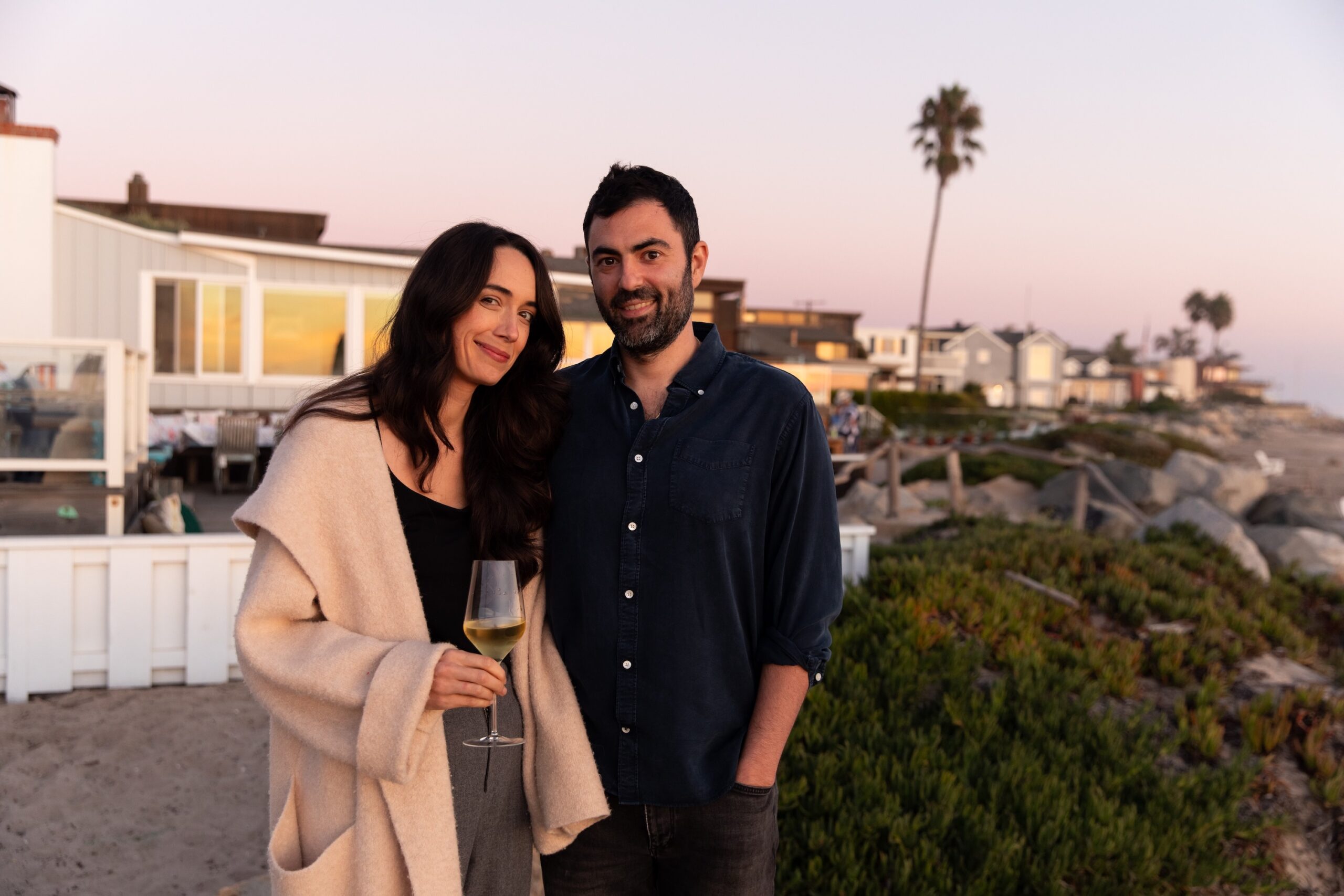
The literary landscape of 2026 has been significantly reshaped by the release of Rachel Hochhauser’s debut novel, Lady Tremaine, a work that offers a rigorous reimagining of the classic Cinderella narrative through the perspective of its historically maligned antagonist. Published by St. Martin’s Press, the novel has rapidly ascended the bestseller lists, bolstered by its selection as the latest pick for Reese’s Book Club. This endorsement, often referred to in the industry as the Reese Effect, has historically served as a catalyst for significant commercial success and subsequent cinematic adaptations. Hochhauser’s narrative departs from the traditional fairy tale tropes, presenting a gritty, grounded exploration of 18th-century survival, maternal desperation, and the systemic economic disenfranchisement of women.
Narrative Overview and Thematic Shift
Lady Tremaine introduces a protagonist who is far removed from the two-dimensional villain depicted in Charles Perrault’s 1697 version or the 1950 Disney animated feature. In Hochhauser’s rendering, Lady Tremaine is a twice-widowed mother of two biological daughters and one stepdaughter, struggling to maintain a crumbling estate while buried under the weight of inherited debt. The story details her transition from a teenager who escaped destitution to a middle-aged woman facing the prospect of returning to it.
The novel’s plot centers on the logistical and emotional labor required to secure the future of her daughters. Rather than the vanity and malice typically attributed to the character, her actions are framed as a response to the harsh realities of the era. The narrative highlights the labor-intensive nature of her existence, including hunting for food and performing manual repairs on a decaying household. This shift in perspective invites readers to reconsider the "evil stepmother" archetype as a survivalist navigating a world where a woman’s security was entirely dependent on marriage or inheritance.
Chronology of Development and Personal Catalyst
The genesis of the novel is rooted in a period of personal crisis for the author. In 2023, Rachel Hochhauser’s husband was diagnosed with a severe neurological condition requiring emergency brain surgery. During the prolonged recovery period, Hochhauser served as a primary caregiver while managing the demands of full-time employment and solo-parenting a toddler.
According to Hochhauser, the inspiration for Lady Tremaine occurred in a hospital waiting room. Encountering a visual representation of the Cinderella stepmother, she experienced a shift in perception, viewing the character not as a villain, but as a fellow caregiver under extreme duress. This realization prompted an intensive writing process that sought to bridge the gap between the fantastical elements of the fairy tale and the visceral experiences of modern motherhood and caregiving. The manuscript was developed over the following two years, culminating in its 2026 release.
Historical Context and Research Methodology
To ground the novel in a sense of realism, Hochhauser conducted extensive research into 18th-century European life, despite the story occupying a somewhat nebulous historical setting. Her research included the study of 18th-century women’s diaries, etiquette manuals, and period-specific fiction. This research informed the novel’s depiction of the limited legal and social agency afforded to widows and the immense pressure to secure advantageous marriages for offspring.
Furthermore, the author engaged in practical research to flesh out the character’s survival skills. Because Lady Tremaine is depicted as a falconer in this version, Hochhauser consulted falconry manuals and participated in avian workshops. She has cited Helen Macdonald’s H Is for Hawk as a significant influence on the novel’s exploration of the relationship between humans and the natural world. This attention to detail contributes to a cinematic atmosphere that has already attracted attention from major film production houses.
The Visual Identity of Lady Tremaine
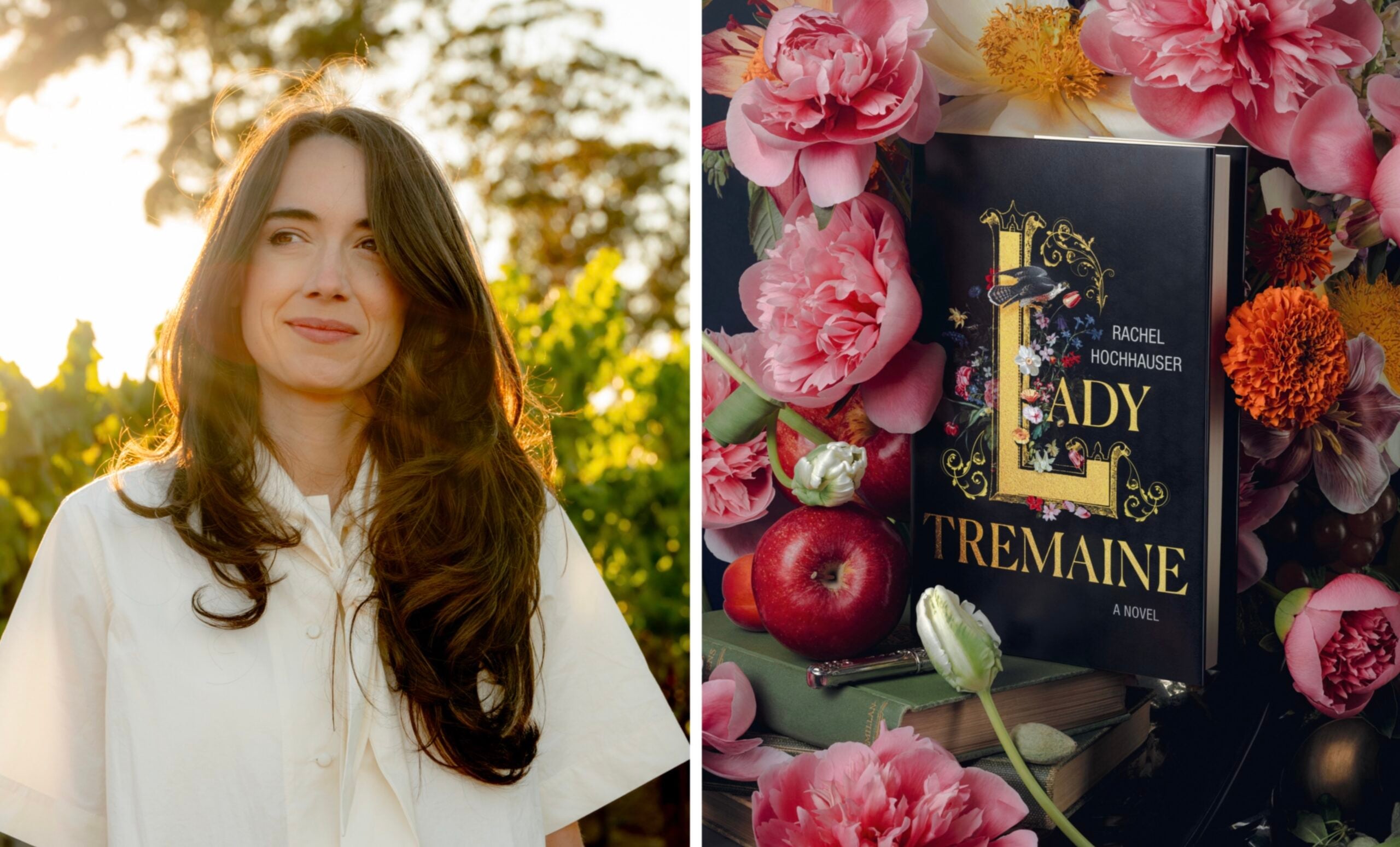
The aesthetic presentation of the book has also been a subject of critical discussion. In a rare move for a debut author, Hochhauser was granted significant input into the cover design. The final artwork features floral elements extracted from the paintings of Clara Peeters, a pioneering female artist of the Dutch Golden Age. Peeters was one of the few women active in the professional painting guilds of the early 17th century and is credited with popularizing the "still life" genre.
Industry analysts suggest that the choice of Peeters’ work for the cover is a deliberate meta-commentary on the novel’s themes. Just as Peeters asserted her presence in a male-dominated artistic field, the character of Lady Tremaine asserts her agency within the restrictive social structures of the narrative. The use of authentic historical art distinguishes the book from the more contemporary, graphic-heavy designs prevalent in the current market.
Supporting Data: The Rise of the Retelling Genre
The success of Lady Tremaine is reflective of a broader trend in the publishing industry toward feminist retellings of classic myths and folklore. Data from the last five years indicates a high consumer demand for stories that humanize female antagonists or marginalized characters.
- Market Growth: The "mythic retelling" subgenre has seen a 35% increase in sales volume since 2020, led by titles such as Madeline Miller’s Circe and Jennifer Saint’s Ariadne.
- The "Reese Effect": Statistics show that books selected for Reese’s Book Club typically see a 400% to 600% increase in sales within the first three months of the announcement.
- Demographics: The primary audience for these retellings consists of women aged 25–55, a demographic that aligns with the caregivers and mothers Hochhauser aims to represent.
By situating Lady Tremaine within this market, St. Martin’s Press has tapped into a pre-existing appetite for narratives that deconstruct traditional morality in favor of psychological depth and historical nuance.
Broader Impact and Implications
Literary critics argue that Lady Tremaine serves as a critique of the "perfect mother" myth. By portraying the stepmother as a woman who must make impossible choices—often at the expense of her own likability—Hochhauser challenges the binary of the "good" mother versus the "evil" stepmother. The novel’s exploration of parenting as a "violation of expectations" resonates with contemporary discussions regarding the mental load and the invisible labor performed by women.
The novel also addresses the complexities of female relationships and competition. The interactions between Lady Tremaine and her stepdaughter, Cinderella, are stripped of their magical interventions, focusing instead on the friction caused by scarcity and the desperate need for security. This approach has led to a broader conversation on social media and in literary circles about the way history and fiction have traditionally pitted women against one another for limited resources.
Official Responses and Future Outlook
While St. Martin’s Press has not yet released official sales figures, the publisher has confirmed that the book has entered its fourth printing within weeks of its debut. Film industry insiders report that a bidding war for the adaptation rights is currently underway, with several high-profile actresses expressing interest in the title role.
The author’s favorite line from the book—"You are the scariest thing in the woods"—has already become a viral slogan among the novel’s fanbase. It encapsulates the book’s central thesis: that the perceived "villainy" of women is often a form of power or protection developed in response to a threatening environment.
As 2026 progresses, Lady Tremaine is expected to remain a central fixture in cultural discourse. Its success signals a continued shift in how society consumes and interprets legacy stories. By providing a voice to the silent architect of the Cinderella story, Rachel Hochhauser has not only provided a compelling piece of fiction but has also demanded a re-evaluation of the historical and literary standards by which women’s lives are judged. The novel stands as a testament to the enduring power of the retelling, proving that even the most familiar stories still contain unexplored depths when viewed through a different lens.