

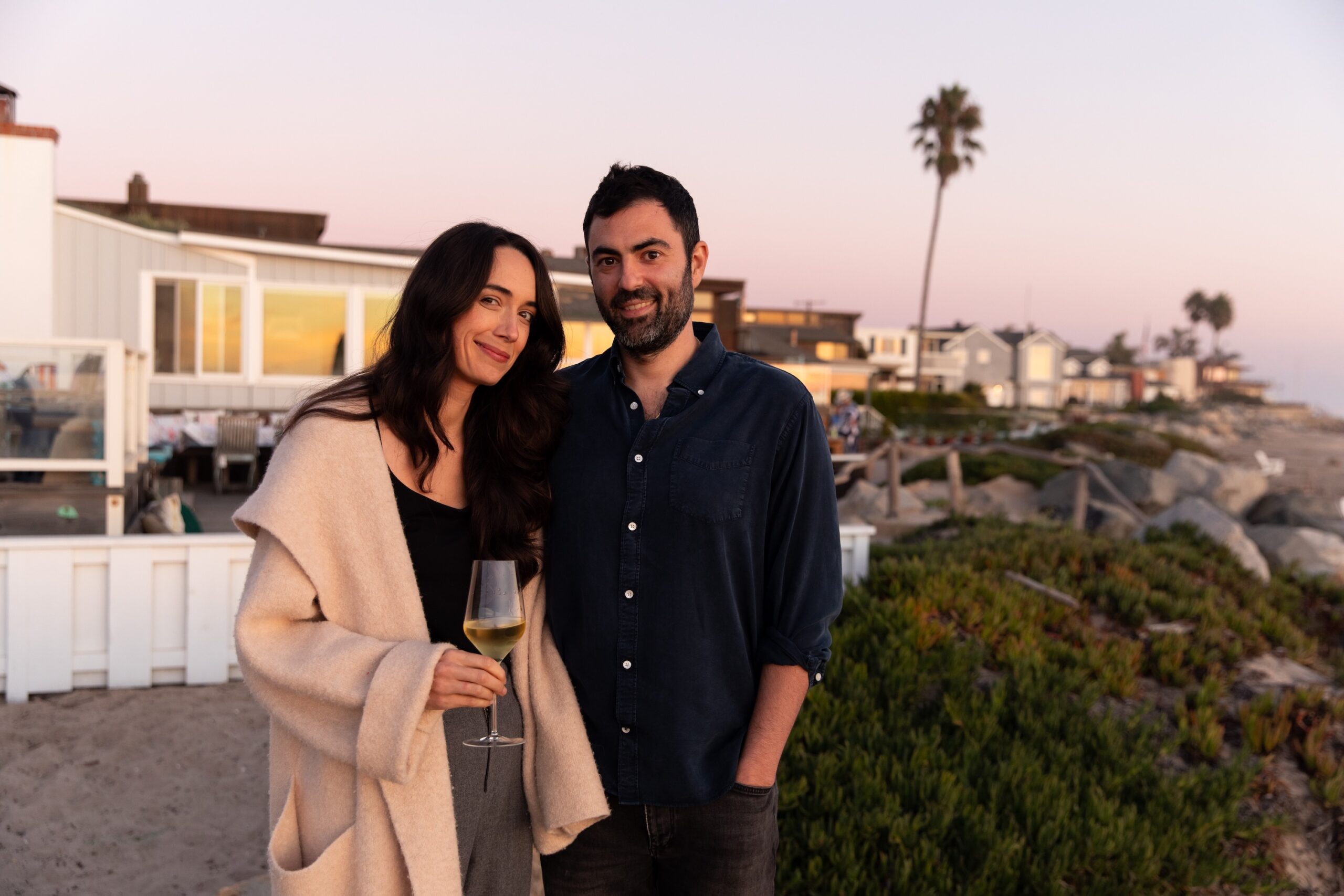
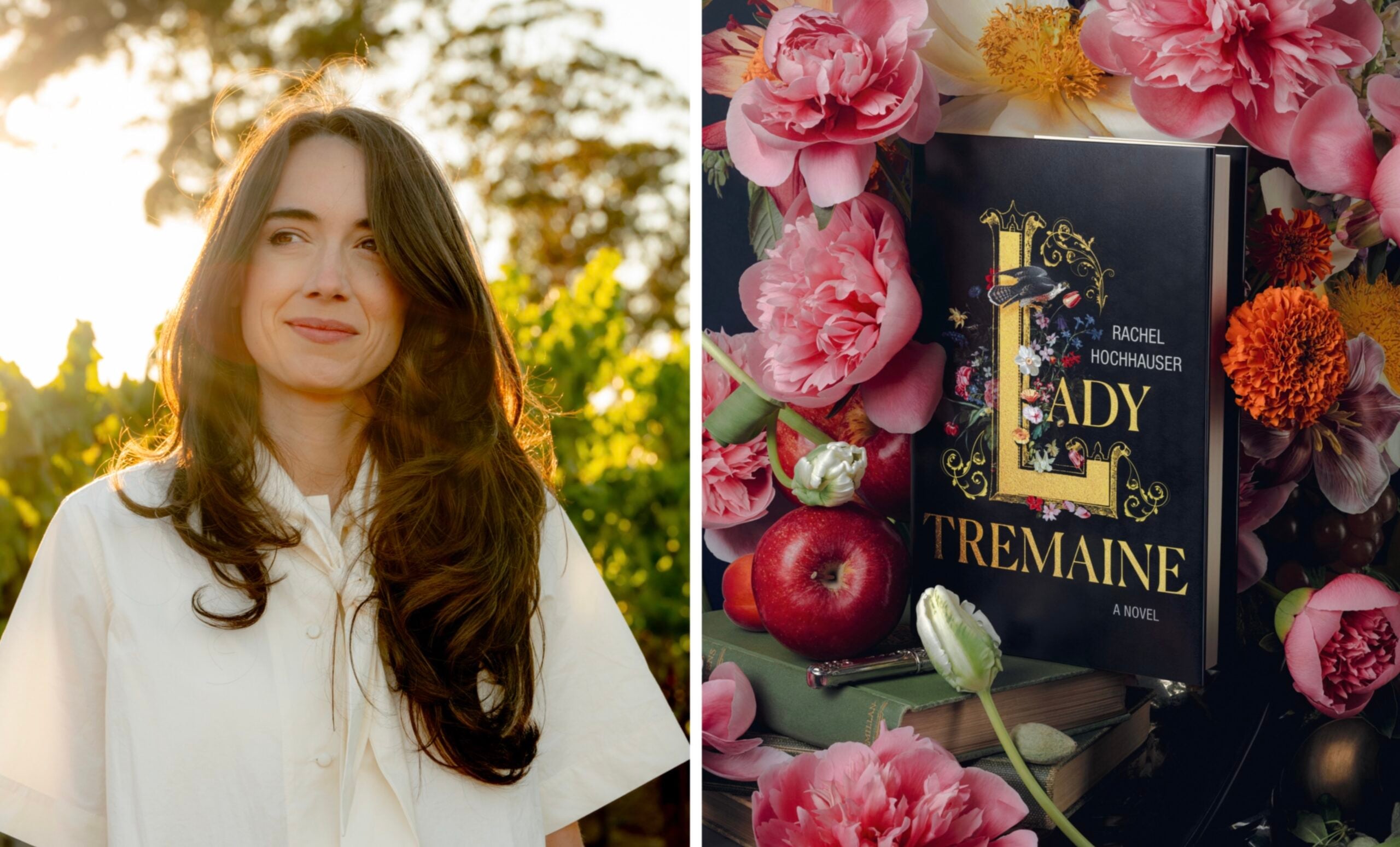
The literary world is currently bracing for the release of one of the most anticipated novels of the year, Lady Tremaine by Rachel Hochhauser. Published by St. Martin’s Press, the novel represents a significant shift in the contemporary trend of fairy-tale retellings, offering a gritty, psychologically complex reimagining of the classic Cinderella story from the perspective of the infamous stepmother. Since its announcement, the book has garnered substantial industry attention, culminating in its selection for Reese Witherspoon’s influential book club. This endorsement, often referred to in the publishing industry as the "Reese Effect," typically guarantees a surge in sales and a position on global bestseller lists, positioning Lady Tremaine as a frontrunner for the most significant literary release of 2026.
A Narrative Pivot: From Villainy to Survival
Rachel Hochhauser’s debut novel does not merely recount the events of the Perrault or Grimm versions of the Cinderella tale; instead, it deconstructs the archetype of the "wicked stepmother." In this version, Lady Tremaine is portrayed not as a cartoonish villain motivated by vanity, but as a twice-widowed mother navigating the brutal socioeconomic realities of an unspecified European past. The narrative follows her desperate attempts to secure the futures of her two biological daughters, Drizella and Anastasia, while maintaining a crumbling estate and managing a stepdaughter, Ella, whose grief and refusal to conform to the household’s survival needs create a central domestic tension.
The novel’s strength lies in its ability to ground fairy-tale tropes in historical realism. Scenes that are iconic in the Disney animation—such as the tearing of the blue dress—are recontextualized as moments of high-stakes domestic conflict. In Hochhauser’s version, these actions are born out of a scarcity of resources and the rigid social hierarchies that dictate a woman’s worth based on her marriageability. By focusing on the labor required to keep a household running—hunting, repairing structural damage, and navigating local markets—the novel transforms a magical story into a study of maternal desperation and female agency.
The Genesis of the Work: A Timeline of Inspiration
The development of Lady Tremaine is deeply rooted in a period of personal crisis for the author. In 2023, Rachel Hochhauser’s husband was diagnosed with a severe neurological condition characterized by extreme vertigo and significant weight loss. Following a period of medical uncertainty, he underwent emergency brain surgery. During the prolonged recovery period, Hochhauser acted as a primary caregiver, a full-time professional, and a solo parent to a toddler.
It was during this high-pressure period that Hochhauser encountered a cartoon image of the Disney version of Lady Tremaine. Viewed through the lens of her own exhaustion and the weight of familial responsibility, the character ceased to be a villain and instead became a recognizable figure: a woman tasked with the impossible burden of keeping a family intact under duress. This realization served as the catalyst for the manuscript, which Hochhauser developed while balancing her duties in hospital waiting rooms and during late-night caregiving shifts. The author has stated that the novel serves as both a "re-messaging" of the Cinderella myth and a "love letter" to the resilience required of women in caregiving roles.
Historical Research and Aesthetic Foundations
While the novel occupies a liminal space between historical fiction and folklore, Hochhauser conducted extensive research to ensure the world-building felt authentic. Rather than anchoring the story to a specific year, she drew from a broad spectrum of the 18th and early 19th centuries. Her research involved:
- Primary Source Documents: The study of diaries written by 18th-century women to capture the vernacular and daily concerns of the era.
- Etiquette and Conduct Books: Analysis of historical manuals that dictated the social expectations placed upon women and girls.
- Falconry and Natural History: Because the protagonist in the novel handles a falcon—a symbol of power and predatory survival—Hochhauser studied historical falconry manuals and participated in bird-of-prey workshops.
- Art History: The author influenced the book’s visual identity by suggesting the work of Clara Peeters, a 17th-century Flemish still-life painter. Peeters was a pioneer in her field, often inserting subtle self-portraits into her work, a theme that mirrors Lady Tremaine’s struggle for visibility and legacy.
The "Reese Effect" and Market Projections
The selection of Lady Tremaine by Reese’s Book Club is a critical indicator of its projected commercial success. Data from the publishing industry suggests that titles selected by celebrity book clubs see an average sales increase of 200% to 500% within the first three months of the announcement. Furthermore, many of these selections are fast-tracked for film and television adaptations through production companies like Hello Sunshine.
Industry analysts suggest that Lady Tremaine fits into a growing market for "feminist rehabilitations" of historical and mythological figures. Following the success of Madeline Miller’s Circe and Jennifer Saint’s Ariadne, the market for stories that humanize female antagonists is at an all-time high. Lady Tremaine is expected to appeal to a broad demographic, including fans of historical fiction, literary retellings, and readers interested in modern explorations of motherhood and social class.
Critical Analysis: Motherhood as a Violation of Expectations
A central theme of the novel, as noted by early reviewers and the author herself, is the subversion of parenting ideals. The narrative explores the idea that parenting is a "violation of expectations," where children rarely conform to the roles their parents envision for them. In the book, Lady Tremaine must learn to parent three distinct personalities—her two biological daughters and her stepdaughter—each of whom requires a different approach to survive their precarious social standing.
The novel’s conclusion has been highlighted for its departure from traditional fairy-tale endings. Rather than focusing on a royal marriage as the ultimate solution, the story emphasizes the internal strength and "scary" potential of women who have been pushed to their limits. The final sentence of the novel—"You are the scariest thing in the woods"—has already begun to circulate as a defining mantra for the book’s marketing campaign, signaling a shift toward empowerment rather than victimization.
Industry and Peer Reactions
While official reviews are still pending for the wide release, the literary community has already begun to react to the novel’s themes. St. Martin’s Press has signaled its confidence in the title with a significant marketing budget and a high initial print run.
"The reimagining of Lady Tremaine is not just about changing a POV; it’s about acknowledging the invisible labor of women in history," says one industry consultant. "By stripping away the magic and replacing it with the grit of survival, Hochhauser has created something that feels entirely modern despite its period setting."
Additionally, the author’s decision to include Clara Peeters’ artwork on the cover has been praised by art historians and book designers alike. It marks a rare instance where an author’s specific historical research directly informs the commercial packaging of the book, bridging the gap between high art and popular fiction.
Broader Implications and Future Outlook
The success of Lady Tremaine is likely to spark a renewed interest in "villain" narratives within the publishing sector. As readers increasingly seek stories that reflect the complexities of real-world challenges—such as financial instability and the burdens of caregiving—the demand for nuanced, morally gray protagonists is expected to rise.
Beyond the literary market, the cinematic potential of the novel is substantial. The vivid descriptions of the crumbling Tremaine estate, the falconry sequences, and the high-stakes social maneuvers of the village market provide a rich visual palette for a film adaptation. Discussions regarding screen rights are rumored to be underway, with industry insiders suggesting that the role of Lady Tremaine could become a highly sought-after "prestige" part for an established actress.
As 2026 approaches, Lady Tremaine stands as a testament to the power of perspective. By taking one of literature’s most hated figures and placing her in the context of her own survival, Rachel Hochhauser has not only challenged the "wicked stepmother" trope but has also provided a profound commentary on the lengths to which a mother will go to protect her own. The novel is poised to dominate book club discussions and bestseller lists, solidifying its place as a landmark work in the genre of modern folklore.