

The global probiotic market, currently valued at over $70 billion and projected to surpass $100 billion by 2030, faces a growing crisis of consumer confidence as users report a significant gap between marketing promises and physiological results. While the demand for gut health solutions has surged, particularly among women seeking relief from digestive distress, hormonal imbalances, and skin conditions, recent clinical assessments suggest that a vast majority of commercially available probiotics are insufficient for the specific biological requirements of the female body. The discrepancy arises from a combination of poor bioavailability, generic bacterial strains, and a lack of rigorous quality control within the supplement industry.
The Gastric Barrier: A Primary Hurdle in Probiotic Bioavailability
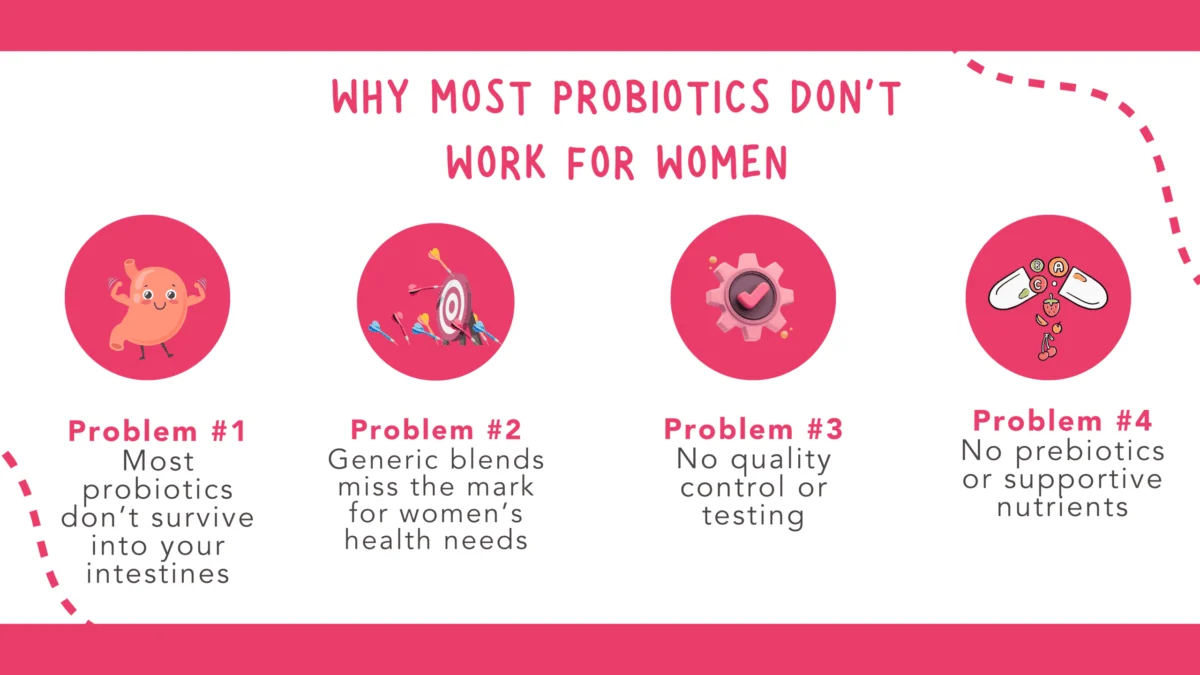
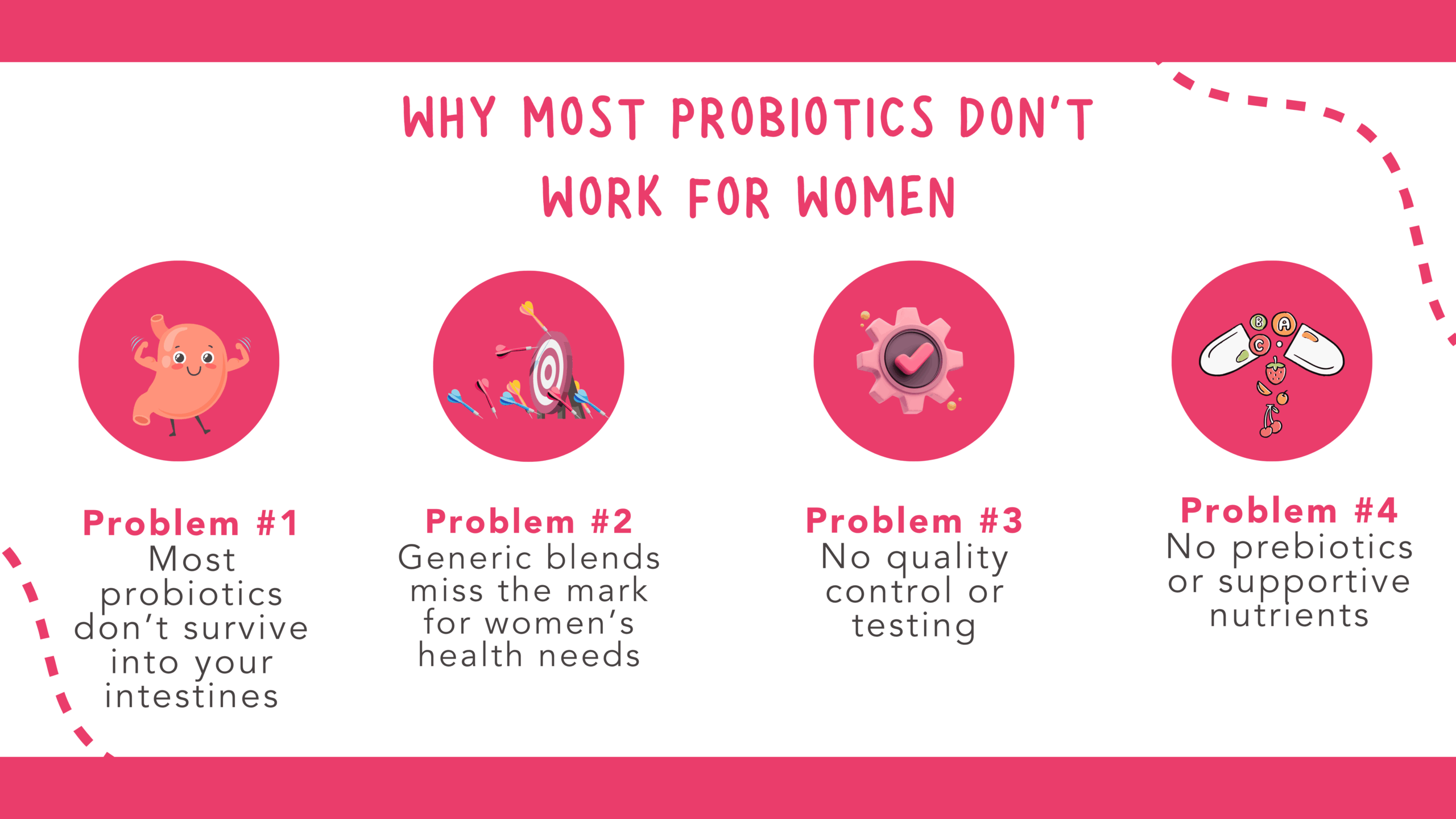
The fundamental challenge in probiotic supplementation is the survival of live microorganisms during gastric transit. The human stomach maintains a highly acidic environment, typically ranging from a pH of 1.5 to 3.5, designed to denature proteins and neutralize harmful pathogens. However, this biological defense mechanism also serves as a lethal environment for most delicate probiotic bacteria.
Industry data indicates that many standard probiotic capsules lose up to 90% of their colony-forming units (CFUs) before reaching the small intestine. To combat this, advanced formulations have moved toward "potent overage"—the practice of over-packing a capsule with higher concentrations of bacteria than the label requires at the time of manufacture. This ensures that even after natural degradation and the journey through stomach acid, a therapeutic dose remains viable for the intestines.
Furthermore, the shift toward using resilient, naturally hardy strains has reduced the reliance on synthetic enteric coatings, which can sometimes interfere with the timely release of the bacteria in the lower gastrointestinal tract. Manufacturers are increasingly scrutinized on whether their products can guarantee live delivery to the "gut garden," where these microorganisms are intended to colonize and provide systemic benefits.
The Specificity Gap: Why Generic Blends Fail Women
For decades, the probiotic industry relied on a "one-size-fits-all" approach, predominantly utilizing generic strains of Lactobacillus and Bifidobacterium. Emerging research into the female microbiome, however, reveals that women have unique physiological needs influenced by hormonal fluctuations, the menstrual cycle, and the distinct requirements of the vaginal microbiome.
Women are disproportionately affected by certain health challenges, including urinary tract infections (UTIs), yeast overgrowth, and irritable bowel syndrome (IBS). A generic probiotic blend often lacks the specific strains necessary to address these issues. For instance, the presence of Lactobacillus reuteri and Lactobacillus rhamnosus has been clinically linked to the maintenance of healthy vaginal pH and the prevention of urogenital infections.
Moreover, the "estrobolome"—a collection of bacteria in the gut specifically tasked with metabolizing and exfoliating estrogens—requires targeted support. When the gut microbiome is imbalanced, estrogen can be reabsorbed into the bloodstream rather than excreted, leading to conditions such as endometriosis or polycystic ovary syndrome (PCOS). Probiotics formulated without consideration for these gender-specific pathways often fail to deliver the "clearer skin" or "better mood" promised in advertisements.
The Quality Control Crisis and Label Accuracy
The dietary supplement industry operates under a regulatory framework that often places the burden of proof on the consumer or independent third parties rather than pre-market government approval. A landmark independent study revealed that a significant percentage of probiotics on retail shelves did not contain the quantity of live bacteria claimed on the label. In some instances, products contained zero live cultures by the time they reached the consumer.
This lack of stability is often attributed to poor manufacturing practices and inadequate packaging. Probiotics are living organisms sensitive to heat, light, and moisture. Without third-party testing and certifications, consumers have little assurance that the product they are purchasing is biologically active.
To address this, premium brands have begun implementing more transparent supply chains and rigorous testing protocols. This includes identifying specific strains by their full scientific nomenclature (e.g., Lactobacillus rhamnosus rather than just Lactobacillus), as different strains within the same genus can have vastly different effects on the body.
The Role of Prebiotics and the Baobab Innovation
A significant evolution in the field of "synbiotics"—the combination of probiotics and prebiotics—has highlighted a common reason for supplement failure: the lack of "fuel" for the beneficial bacteria. Prebiotics are non-digestible fibers that serve as the primary food source for probiotics. Without adequate prebiotic support, even high-quality probiotics may fail to colonize the gut effectively.
Recent industry trends have seen a move away from synthetic prebiotic fillers toward whole-food sources. One notable innovation is the use of baobab fruit fiber, harvested from the African "Tree of Life." Baobab is not only a potent source of soluble fiber but is also rich in antioxidants and Vitamin C.
Clinical recommendations suggest that women require approximately 25 grams of fiber daily to maintain optimal digestive health and hormone excretion. However, the average Western diet provides less than half of this amount. By integrating natural prebiotics like baobab into probiotic capsules, manufacturers are creating a self-sustaining ecosystem within the supplement, increasing the likelihood of successful bacterial colonization and improving overall digestive regularity.
A Chronology of Microbiome Research and Consumer Trends
The understanding of probiotics has transitioned through several distinct phases over the last century:
- Early 20th Century: The "Metchnikoff Era," where the consumption of fermented dairy was first linked to longevity and gut health.
- 1990s – early 2000s: The rise of general "acidophilus" supplements and the initial commercialization of probiotic yogurts.
- 2010s: The Human Microbiome Project provides a massive influx of data, leading to the realization that bacterial diversity is the key to health.
- 2020 – Present: The era of "Precision Probiotics," focusing on strain-specific benefits, gender-specific formulations, and clean-label standards.
Today’s consumers are increasingly avoiding products that contain common allergens or synthetic additives. The demand for supplements that are non-GMO, vegan, and free from gluten, soy, and dairy has forced a shift in how probiotics are encapsulated. The removal of binders and fillers is no longer just a marketing preference but a clinical necessity, as these additives can trigger inflammation in sensitive individuals, counteracting the benefits of the probiotic itself.
Analysis of Implications: The Future of Women’s Wellness
The shift toward high-quality, targeted probiotics represents a broader movement in the "Femtech" and women’s health sectors toward personalized medicine. As more women seek alternatives to synthetic interventions for hormonal and digestive issues, the role of the microbiome has moved to the forefront of clinical discussion.
Medical professionals are now emphasizing that consistency is vital. The gut is a dynamic ecosystem; rebalancing it is not an overnight process but one that requires 2 to 4 weeks of daily, consistent supplementation paired with a fiber-rich diet. The integration of strains like Lactobacillus gasseri (linked to weight management and vaginal health) and Bifidobacterium longum (linked to stress reduction and gut barrier integrity) indicates a move toward holistic, whole-body support.
The implications for the supplement industry are clear: transparency, strain specificity, and bioavailability are the new benchmarks for success. Products that fail to meet these standards are likely to be phased out as consumer education improves and independent testing becomes more accessible.
Conclusion: Establishing a New Standard for Gut Health
For a probiotic to be effective for the female body, it must overcome the logistical hurdles of stomach acid, provide gender-specific bacterial strains, maintain high quality-control standards, and include supportive prebiotic nutrients. Formulations like the Mama Natural Women’s Probiotic exemplify this new standard by utilizing a 10-strain blend designed for vaginal, immune, and digestive health, while incorporating organic baobab fiber and maintaining a clean-label profile.
As research continues to uncover the deep connections between the gut microbiome and nearly every aspect of human health—from mental clarity to immune resilience—the importance of choosing a scientifically sound supplement cannot be overstated. For the modern woman, the path to wellness involves moving beyond generic promises and embracing a targeted, evidence-based approach to internal health.
