

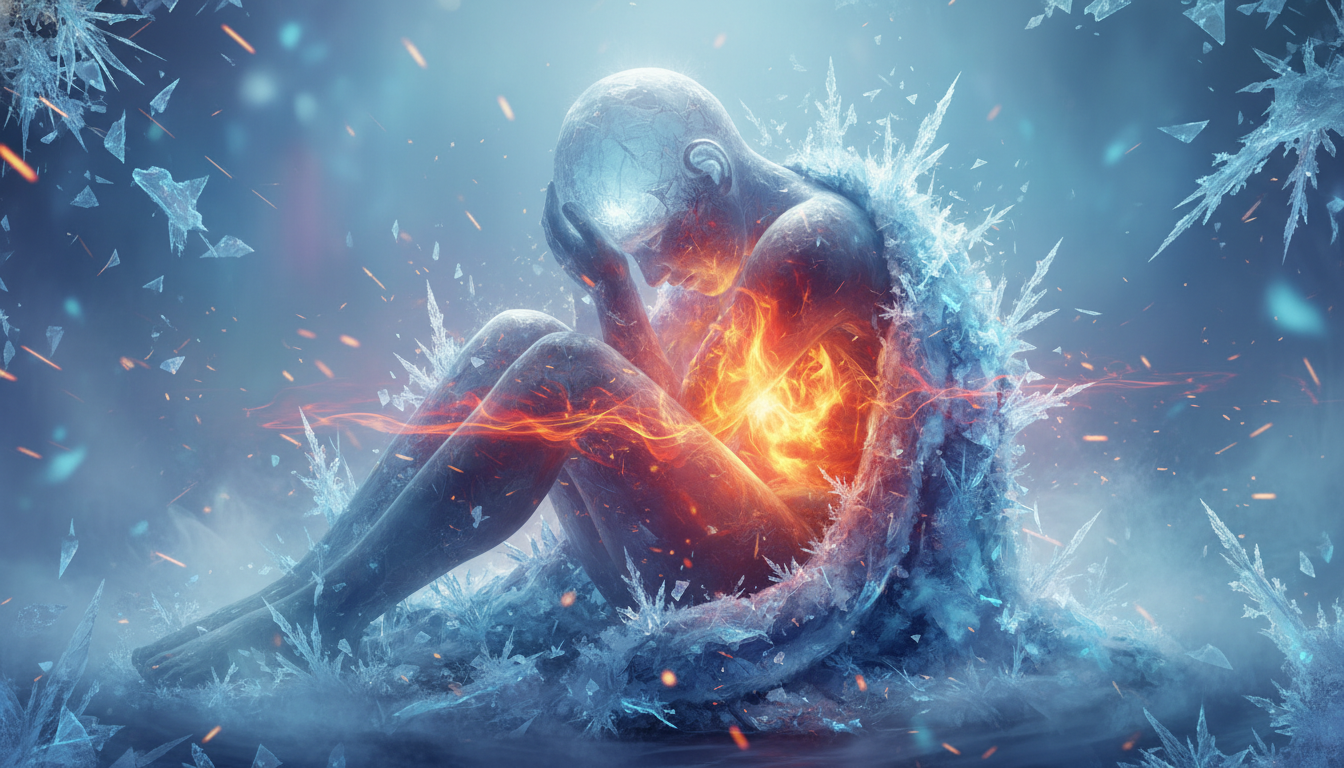
Experiencing a fever is often a confusing ordeal for the body. While your internal temperature is rising significantly above the normal 98.6 degrees Fahrenheit, you might find yourself shivering under layers of blankets, feeling an intense chill. This phenomenon is known as the fever paradox.
The Hypothalamus: The Body’s Internal Thermostat
To understand why you feel cold during a fever, you must first understand the role of the hypothalamus. Located in the brain, the hypothalamus acts as the body’s thermostat, constantly monitoring and regulating your core temperature to keep it within a narrow, healthy range.
Under normal circumstances, the hypothalamus ensures that heat production from metabolic processes is balanced by heat loss through the skin and lungs. However, when an infection or inflammation occurs, this delicate balance is intentionally disrupted by the immune system.
How Pyrogens Trigger a Fever
When your body detects an invader, such as a virus or bacteria, your immune cells release chemicals called pyrogens. These substances travel through the bloodstream to the brain, signaling the hypothalamus that it is time to turn up the heat to fight the infection.
The hypothalamus responds by raising its internal ‘set point.’ If your normal set point is 98.6 degrees, the pyrogens might convince the brain that the new, ‘correct’ temperature should be 102 degrees. This shift is the fundamental cause of the chills you experience.
The Shift in the Set Point
Once the hypothalamus raises the set point, your actual body temperature is suddenly lower than what the brain now considers ‘normal.’ Even though you might have a temperature of 99 or 100 degrees, your brain perceives this as being dangerously cold because it is below the new target of 102 degrees.
Because the brain thinks the body is too cold, it initiates several heat-generating and heat-conserving mechanisms. This is why you feel a sudden onset of chills and an urgent need to bundle up, even if the room is warm.
The Mechanism of Chills and Shivering
One of the most effective ways the body generates heat quickly is through shivering. Shivering involves rapid, involuntary muscle contractions. These movements consume energy and produce heat as a byproduct, helping to drive your core temperature up toward the new set point.
While shivering makes you feel uncomfortable and cold, it is actually a sign that your body is working hard to reach the higher temperature dictated by the hypothalamus. It is a biological defense mechanism designed to make your body a less hospitable environment for pathogens.
Vasoconstriction: Conserving Core Heat
Another reason you feel cold, particularly in your extremities, is vasoconstriction. When the hypothalamus wants to raise your temperature, it signals the blood vessels near the surface of your skin to narrow.
By narrowing these vessels, the body redirects warm blood away from the skin and toward the internal organs. This minimizes heat loss to the environment but leaves your skin, hands, and feet feeling icy and pale. This lack of warm blood flow to the skin is what creates the sensation of ‘the chills.’
The Three Stages of a Fever
A fever typically progresses through three distinct phases, each characterized by different physical sensations. Understanding these stages can help you manage the discomfort more effectively.
1. The Onset (Cold Phase)
This is the stage where the set point has just been raised. You feel cold, you shiver, and you may experience ‘goosebumps’ as the body tries to trap a layer of air for insulation. During this phase, your temperature is actively climbing.
2. The Plateau Phase
Once your body reaches the new set point, the shivering usually stops. You will no longer feel cold, but you will feel very hot and flushed. Your skin may feel dry and warm to the touch as the body maintains the elevated temperature to optimize immune function.
3. The Resolution (Sweating Phase)
When the infection begins to clear, the hypothalamus resets the thermostat back to its normal level. Now, your body temperature is higher than the set point, making you feel overheated. The body initiates vasodilation and sweating to dump the excess heat, often referred to as the fever ‘breaking.’
Why Does the Body Need a Fever?
While uncomfortable, a fever is a vital part of the immune response. High temperatures can help the body in several ways:
- Inhibiting the growth and reproduction of certain bacteria and viruses.
- Increasing the production of white blood cells and antibodies.
- Speeding up metabolic reactions to repair tissues faster.
Managing Fever and Chills Safely
When you are in the ‘cold phase’ of a fever, it is tempting to use heavy blankets or heating pads. However, medical professionals advise against over-bundling, as this can trap too much heat and cause your temperature to spike to dangerous levels.
Instead, use a light blanket for comfort and focus on hydration. Fevers lead to increased fluid loss through breathing and eventually sweating, so drinking water, broth, or electrolyte solutions is essential for recovery.
When to Seek Medical Attention
While most fevers are a normal response to minor infections, some situations require professional intervention. You should contact a doctor if:
- The fever exceeds 103 degrees Fahrenheit in adults.
- The fever lasts for more than three days.
- The fever is accompanied by a stiff neck, severe headache, or confusion.
- A child or infant shows signs of extreme lethargy or dehydration.
In summary, feeling cold during a fever is a biological illusion created by your brain to help you get well. By raising the set point and inducing chills, your body is effectively mobilising its defenses to fight off illness and restore your health.