

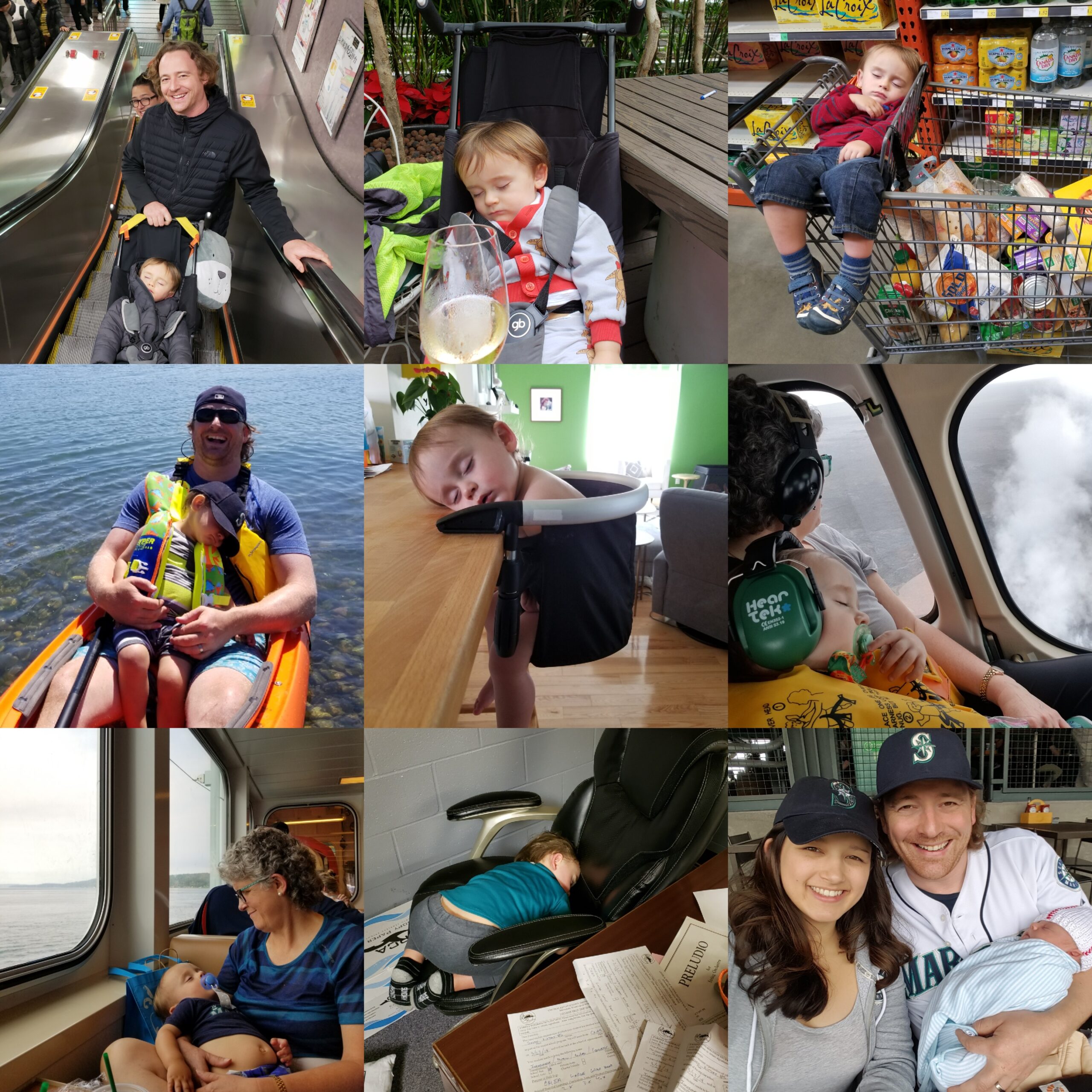
The physiological capacity of human infants to achieve profound states of rest in high-stimulation environments remains a subject of significant interest for both developmental psychologists and the parenting community. Recent anecdotal data and photographic evidence provided by a diverse cohort of caregivers highlight a phenomenon where infants and young children bypass traditional sleep environments—such as cribs or bassinets—in favor of highly unconventional locations. These range from the rhythmic vibrations of a helicopter in flight over volcanic terrain to the gentle buoyancy of a river raft in the Pacific Northwest. This report examines the biological mechanisms, safety considerations, and cultural shifts associated with "on-the-go" infant sleep, utilizing case studies from a recent survey of modern parents.
The Biological Foundations of Opportunistic Sleep
The ability of an infant to sleep through loud noises or significant movement is rooted in the early stages of neurological development. Newborns and young infants spend approximately 50% of their sleep time in Rapid Eye Movement (REM) sleep, a state characterized by high brain activity and, paradoxically, a high threshold for certain external stimuli. According to pediatric sleep researchers, the "white noise" effect of consistent environmental sounds—such as the roar of a river or the hum of an engine—can actually facilitate sleep by masking sudden, sharp noises that would otherwise trigger the Moro reflex (the startle response).
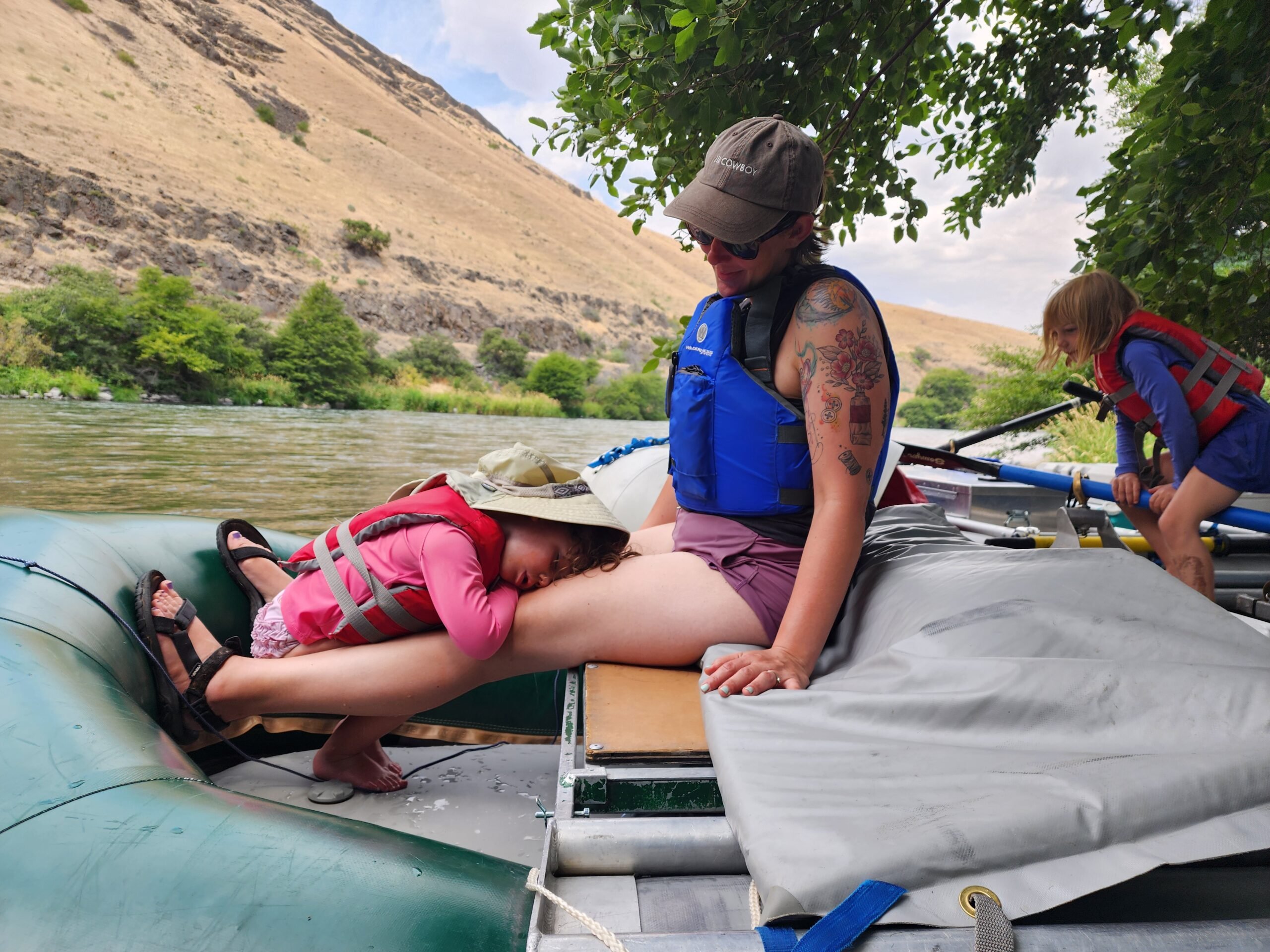
In the case of Nicole, a parent traveling in Oregon, her four-year-old daughter transitioned from "squealing with joy" to a deep sleep while floating down the Deschutes River. This transition illustrates the "crash" phenomenon, where high sensory engagement leads to rapid exhaustion, and the repetitive, rhythmic motion of the water acts as a natural sedative.
Case Studies in Non-Traditional Sleep Environments
A cross-sectional analysis of parent-reported data reveals eight distinct categories of unconventional sleep locations, each presenting unique insights into the adaptability of the infant circadian rhythm.
1. High-Stimulation Transit and Aerial Environments
Katherine, a contributor to the study, reported that her son, Henry, demonstrated an extraordinary ability to sleep during high-altitude helicopter tours over active volcanoes. Similarly, he remained asleep during kayaking excursions in the Puget Sound. This suggests that vestibular stimulation—the sensation of movement and balance—can be a powerful sleep inducer. Katherine noted that while her first child was highly flexible, her second child required a controlled environment, highlighting the significant role of individual temperament in sleep hygiene.
2. Adaptive Mobility and Accessibility
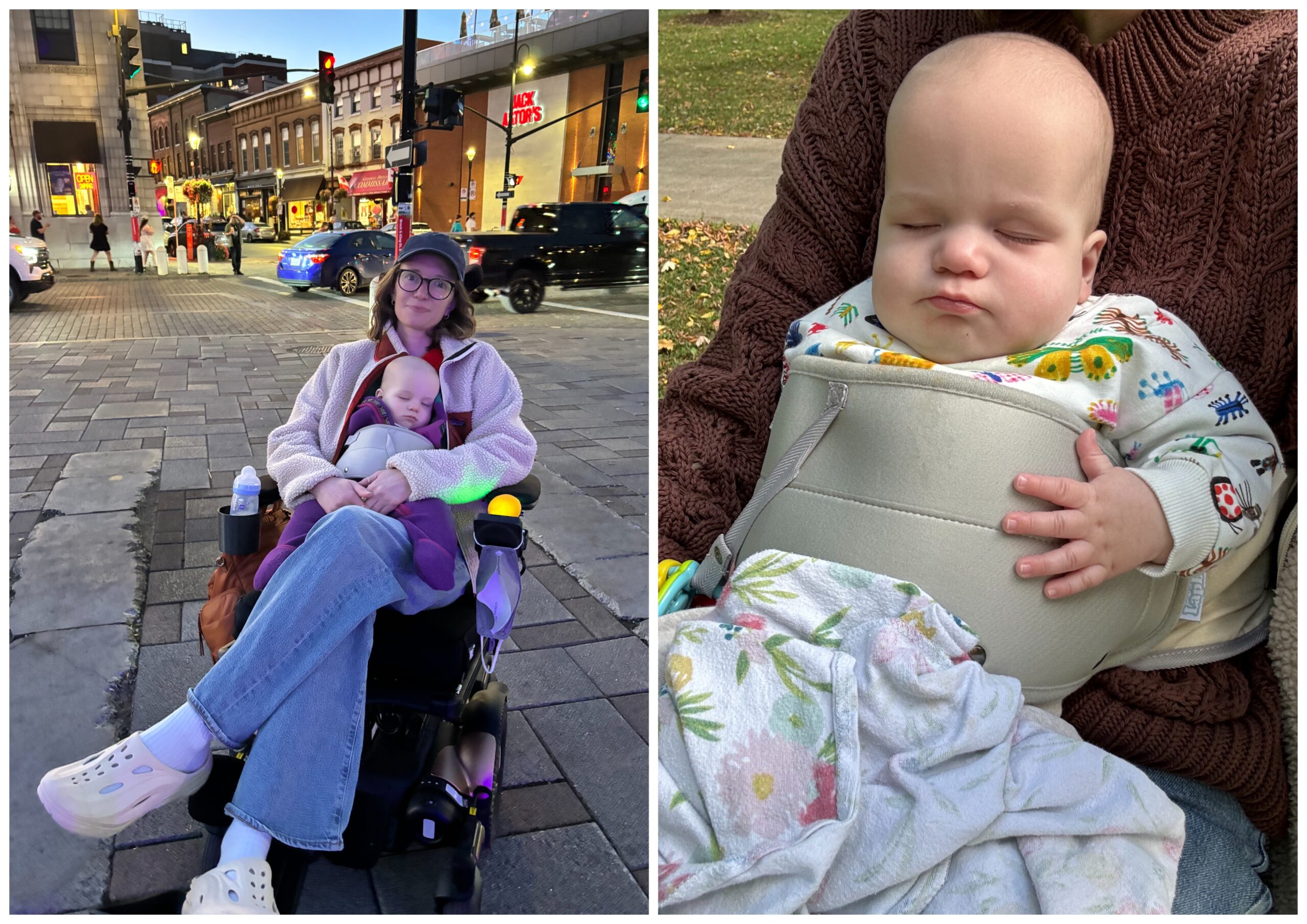
The intersection of disability and parenting provides further insight into mobile sleep. Jessica Slice, an advocate for accessible parenting, utilized a specialized "LapBaby" carrier to secure her son, Frank, while she navigated her wheelchair during a public parade. Slice observed that the physical connection allowed her to sense her son’s transition into sleep through tactile feedback, even when he was out of her direct line of sight. This case underscores the importance of adaptive gear in facilitating the participation of both parent and child in community events.
3. Transitional Chaos and Domestic Settings
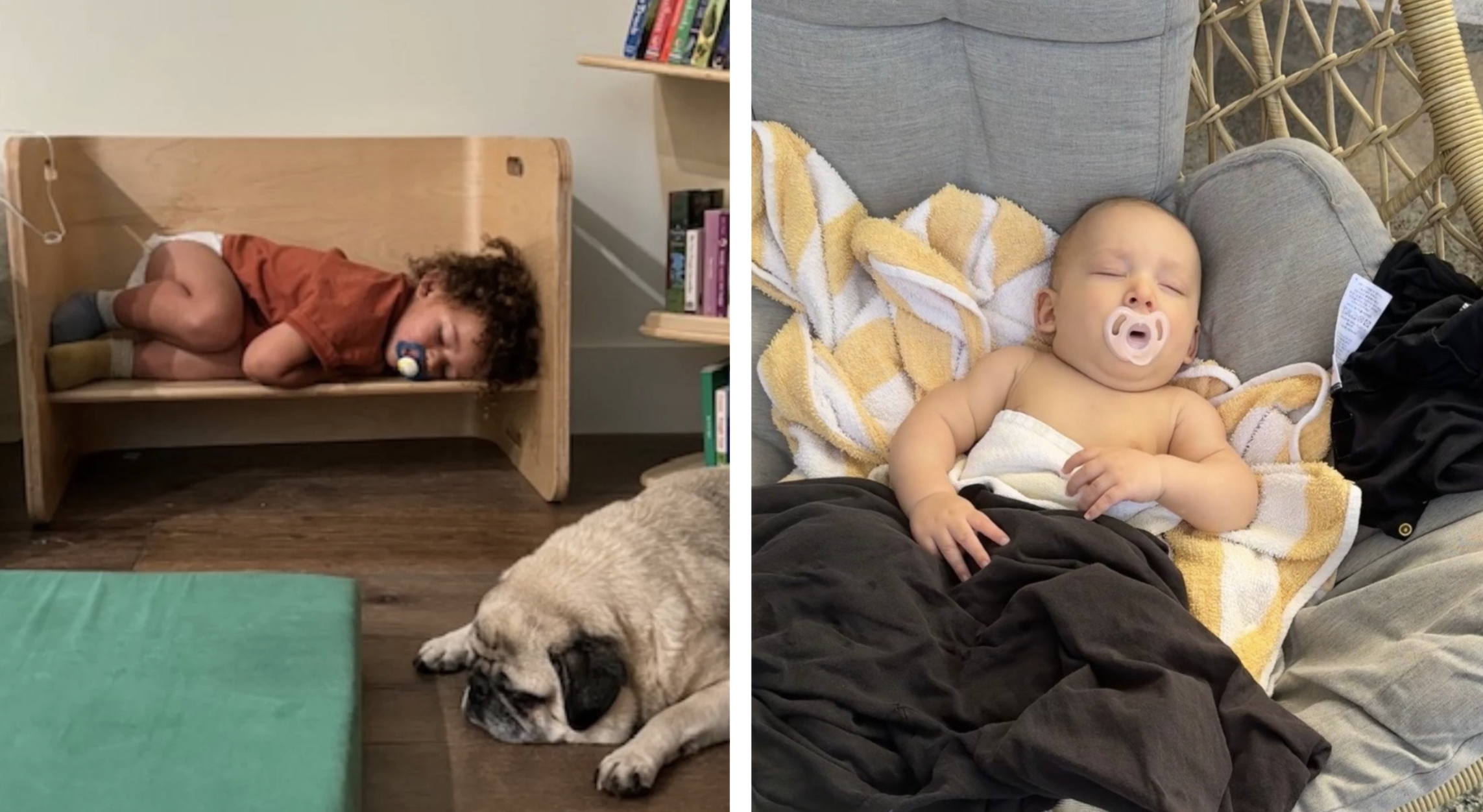
Environmental changes, such as moving to a new residence, often disrupt sleep. However, Chloe Hall reported that her son, Otis, fell asleep on a small dinner bench amidst the "chaos in boxes" during a home transition. This suggests that even in unfamiliar surroundings, the presence of familiar objects—in this case, his books and bench—can provide enough of a "secure base" to allow for spontaneous rest.
4. Post-Prandial Somnolence in High Chairs
The phenomenon of "falling asleep in the soup" is a well-documented occurrence in early childhood. Kaitlan, a mother of four, noted that all of her children consistently fell asleep in a standard IKEA high chair during the evening meal. This is often attributed to a combination of the "food coma" (post-prandial somnolence) and the physical support provided by the chair’s structure, which allows a tired child to lean forward or sideways once the drive to sleep overrides the drive to eat.
The "Sleep Training" Debate and Parental Wellness
For many years, the prevailing wisdom in Western pediatrics emphasized the "nursery-only" approach to sleep, suggesting that infants must be in a dark, quiet, and stationary room to achieve quality rest. However, contemporary perspectives are shifting toward "flexible sleep."
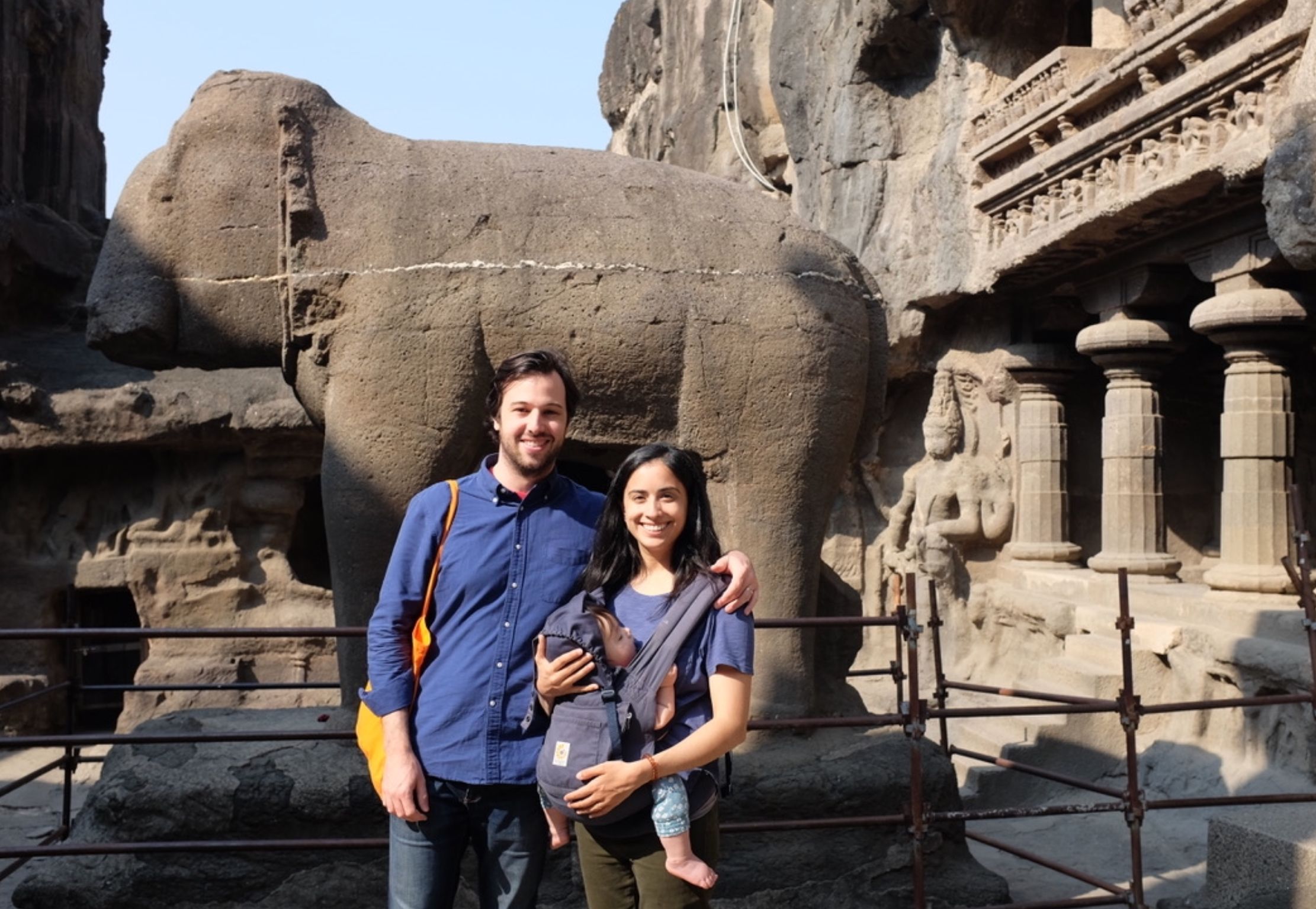
Melina Gac Levin, who traveled with her infant to India, reflected on the stress of managing rigid nap schedules. She discovered that her daughter, who was previously a difficult sleeper, napped successfully during sightseeing tours. This realization aligns with a growing movement among parents to prioritize family mobility and psychological flexibility over strict adherence to sleep schedules.
"I spent too much of my eldest’s first year stressed about naps," Levin stated, reflecting a sentiment common among modern parents who find that "on-the-go" sleeping can reduce parental isolation by allowing caregivers to maintain an active social and travel life.
Safety Standards and Pediatric Guidelines
While the images of babies sleeping in grocery carts or snow tubes are often viewed as humorous or "cute," medical professionals urge a balanced approach that prioritizes safety. The American Academy of Pediatrics (AAP) maintains strict "Safe Sleep" guidelines to reduce the risk of Sudden Infant Death Syndrome (SIDS) and accidental suffocation.
Key Safety Considerations:
- Positional Asphyxia: When infants sleep in a semi-upright position (such as in a car seat, high chair, or swing), their heavy heads can fall forward, potentially compressing the airway. The AAP recommends that if an infant falls asleep in such a device, they should be moved to a flat, firm surface as soon as is practical.
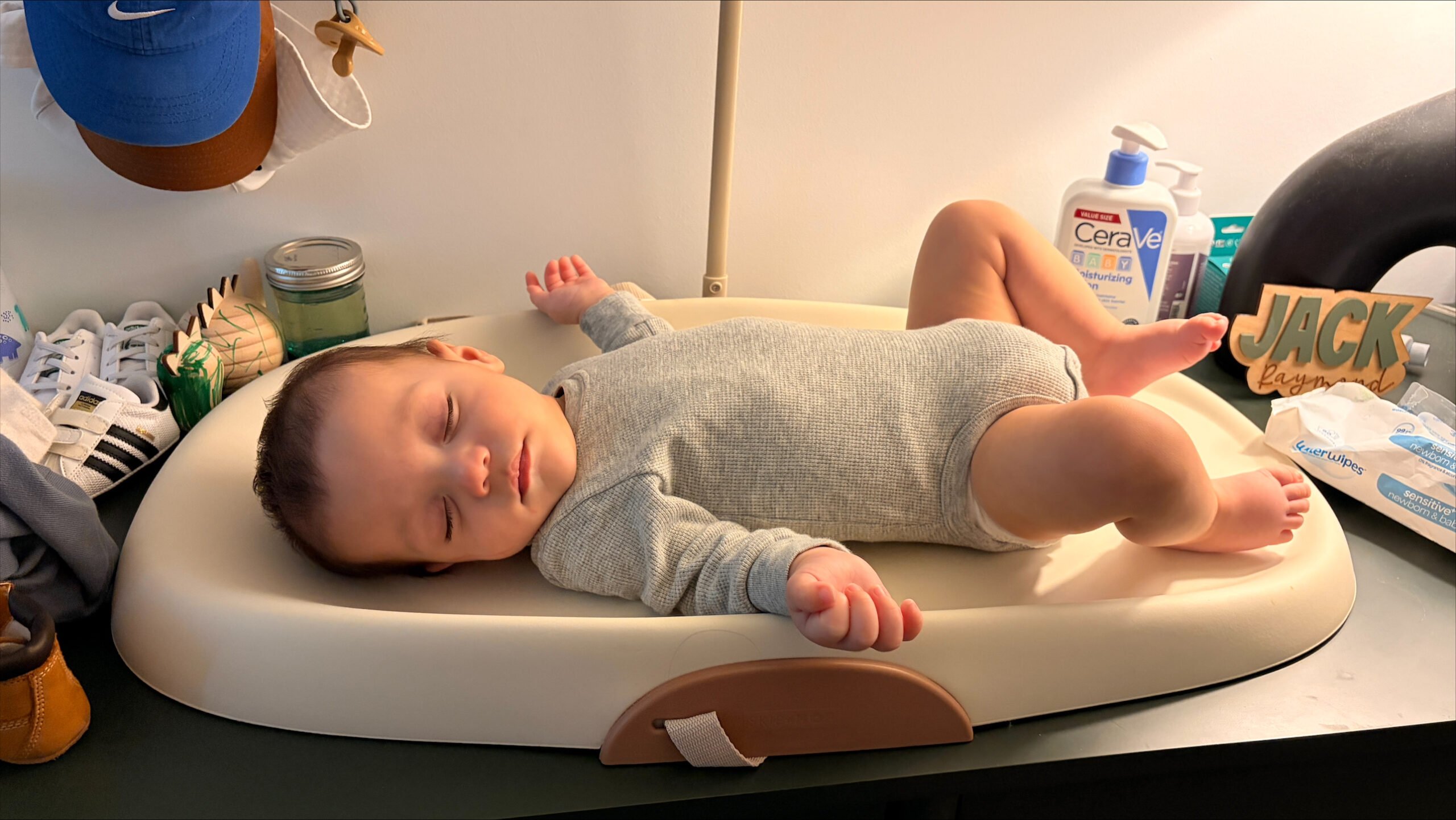
- Supervision: Spontaneous sleep in unconventional places, such as the changing pad mentioned by Aveena Mathew, requires constant adult supervision to prevent falls.
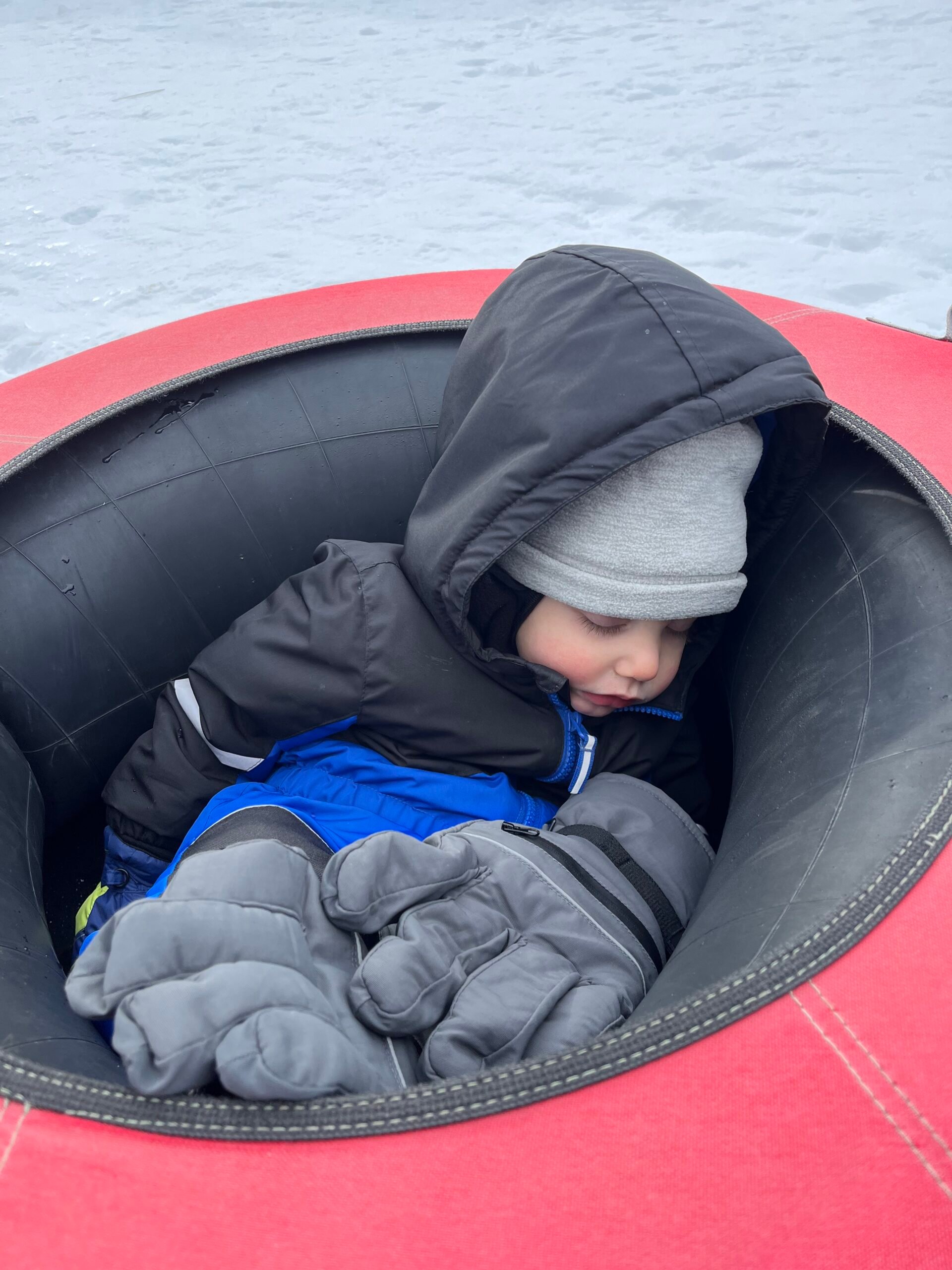
- Environmental Factors: Sleep during outdoor activities, like snow tubing (as reported by Kali) or rafting, requires careful monitoring of the child’s core temperature and protection from UV radiation.
Market Trends and Technological Interventions
The demand for "anywhere sleep" has driven significant growth in the baby gear market. Products such as portable white noise machines, blackout travel blinds, and ergonomic baby carriers have seen increased sales. The "LapBaby" carrier mentioned by Jessica Slice is an example of a niche product designed to solve specific mobility challenges, while the IKEA Antilop high chair has become a global staple due to its simple, easy-to-clean design that inadvertently supports the "dinner-time nap."
Furthermore, the "sleep tourism" industry is beginning to cater to families, with hotels offering "baby concierge" services that provide high-quality, safe sleep equipment to encourage parents to travel without the fear of disrupted sleep cycles.
Broader Implications for Child Development
Psychologists suggest that children who can sleep in various environments may develop higher levels of "environmental resilience." Exposure to different sounds, temperatures, and movements during sleep cycles can, in some cases, help habituate the nervous system to a world that is not always quiet.
However, there is a trade-off. Consistent, consolidated sleep in a primary environment is still considered the gold standard for cognitive development and emotional regulation. The "anywhere sleeper" is often a product of both genetic predisposition and early exposure to a mobile lifestyle.
Chronology of a Changing Paradigm
- Pre-1990s: General lack of standardized "safe sleep" messaging; infants often slept in various positions and locations with less parental anxiety.
- 1992: The AAP launches the "Back to Sleep" campaign, significantly reducing SIDS but increasing parental focus on the "perfect" sleep environment.
- 2010s: The rise of social media and "mommy vlogging" creates a dual pressure: the need for perfect sleep schedules versus the aesthetic of the "adventurous, mobile family."
- 2020-Present: A post-pandemic shift toward "slow travel" and flexible work-life balance leads parents to reintegrate children into all aspects of daily life, leading to an increase in reported unconventional sleep incidents.
Conclusion: The Balance of Adventure and Rest
The anecdotes provided by Nicole, Aveena, Chloe, Melina, Jessica, Kali, Kaitlan, and Katherine represent a broader cultural truth: childhood is an exhausting endeavor. The ability of an infant to find rest in the midst of a rafting trip or a helicopter ride is a testament to the adaptability of the human body.
While the "perfect" nap may remain a goal for many, the reality of modern parenting often requires a compromise. As long as safety remains the primary directive, the "anywhere sleeper" allows families to continue exploring the world, proving that while sleep is a biological necessity, it does not always require a stationary bed. The data suggests that for a significant portion of the population, the best place for a baby to fall asleep is wherever the family happens to be.