

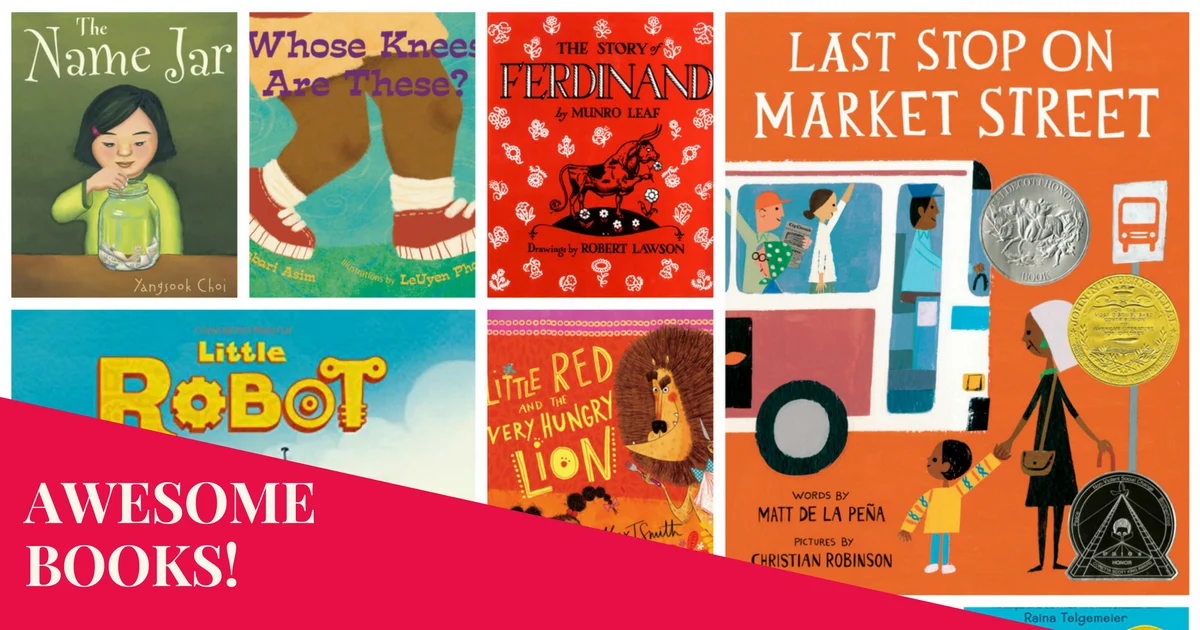
The world of children’s literature, a foundational element in a child’s cognitive and emotional development, is undergoing a critical examination regarding its representation of diverse identities. While beloved stories have long captured the imaginations of young readers, a growing body of research and advocacy highlights a persistent imbalance in the characters and narratives presented. This imbalance, characterized by an overwhelming prevalence of white, male protagonists, has prompted a deeper engagement with the question of how to ensure that the books shared with children reflect the multifaceted reality of the society they inhabit. The following curated list of books, spanning various age groups, aims to provide educators, parents, and caregivers with valuable resources that not only entertain but also foster empathy, understanding, and a sense of belonging for all children.
The Underrepresentation Crisis in Children’s Books: A Statistical Overview
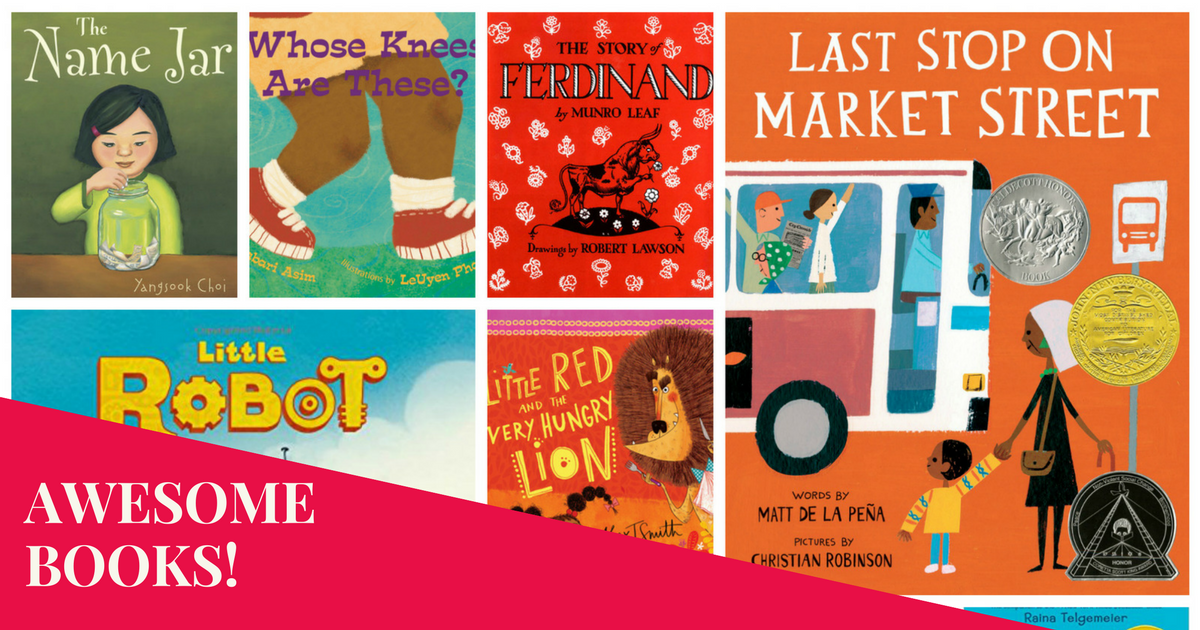
For decades, the landscape of children’s literature has been dominated by a narrow spectrum of representation. Data consistently reveals a significant disparity. According to a 2015 study by the Cooperative Children’s Book Center at the University of Wisconsin-Madison, only 22% of children’s books published that year featured characters of color. This figure has seen some improvement, with later reports indicating figures around 27% in some years, but it still falls short of reflecting the demographic reality of many nations. Furthermore, the representation of girls and women in leading roles has also been a point of concern. A 2016 analysis by The Washington Post found that even in books where the protagonist was an animal or an anthropomorphic character, the majority were male. This pervasive underrepresentation can have profound implications for children, shaping their perceptions of themselves and others, and potentially limiting their understanding of the world.
The lack of diversity extends beyond race and gender to include characters with disabilities and those from LGBTQ+ families. While progress is being made, these groups remain even more underrepresented, often relegated to secondary roles or absent altogether. This absence can send a subtle but powerful message to children who identify with these groups: that their experiences are not as valuable or worthy of narrative attention. Conversely, for children who do not share these identities, a lack of exposure can perpetuate stereotypes and hinder the development of crucial empathy and understanding.
Fostering a More Inclusive Reading Experience: A Curated Selection
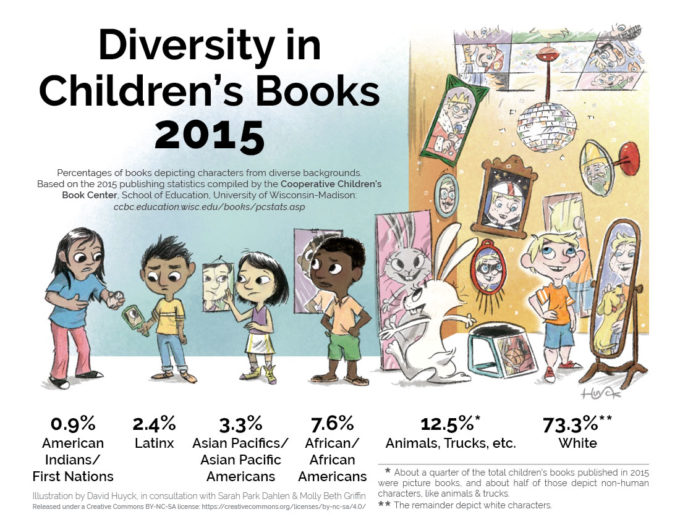
The following selection of books is designed to address this critical need for diverse representation. These titles have been chosen not only for their literary merit and appeal to young readers but also for their intentional inclusion of characters from various racial backgrounds, genders, abilities, and family structures. The aim is to provide a starting point for building bookshelves that mirror the richness and complexity of the world around us.
Books for Babies and Toddlers: Laying the Foundation for Empathy
The earliest years of a child’s life are crucial for developing foundational social and emotional skills. Introducing diverse characters from infancy can help normalize a variety of identities and experiences.

-
"Not Quite Narwhal" by Jessie Sima: This heartwarming story follows Kelp, a creature who has always felt a little different. While on the surface it’s a tale of discovering where one belongs, it also beautifully illustrates the all-encompassing nature of family and acceptance. The narrative subtly champions the idea that being unique is not only acceptable but can lead to profound connections. Its charming illustrations and simple, engaging story make it a perfect read-aloud for the youngest audiences, implicitly promoting the value of individuality within a supportive familial structure.
-
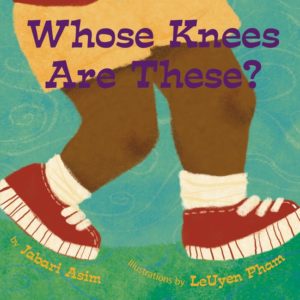
"Whose Knees Are These?" by Sundee T. Frazier, illustrated by Shane W. Evans: This simple yet delightful board book uses playful rhymes to introduce young children to body parts. The book’s appeal lies in its relatable exploration of the familiar, but its illustrations often depict a diverse group of children, normalizing a range of skin tones and features from the outset. This early exposure to visual diversity within a context of learning and discovery is invaluable for building a child’s understanding of human variation.
-
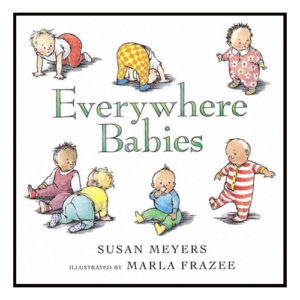
"Everywhere Babies" by Susan Meyers, illustrated by Rafael López: With luminous illustrations by Rafael López, renowned for his work on the Caldecott Honor book "All the World," this book offers a gentle and inclusive celebration of babies. It portrays infants of all ages, ethnicities, and abilities engaged in the universal activities of early childhood. The book’s strength lies in its simple yet profound message that babies, in all their diversity, are everywhere and cherished. It provides a vital visual representation of a multicultural and inclusive society from the very beginning of a child’s literary journey.
-
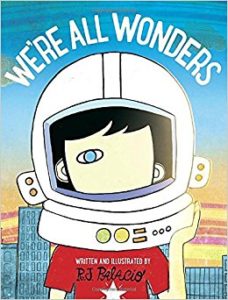
"We’re All Wonders" by R.J. Palacio: Adapted from the New York Times bestseller "Wonder," this picture book introduces the character of Auggie Pullman to a younger audience. Auggie, who looks different from his peers due to facial differences, navigates the challenges of public school. The book champions kindness and acceptance, encouraging children to look beyond appearances and recognize the inherent worth in everyone. "We’re All Wonders" directly tackles themes of difference and belonging, providing a powerful early lesson in empathy and understanding for children as young as preschoolers.
Books for Preschoolers: Exploring Identity and Belonging
As children enter preschool, their understanding of the world expands, and they begin to form stronger ideas about their own identities and those of others. Books at this level can introduce more nuanced themes of individuality, societal expectations, and the beauty of diversity.
-
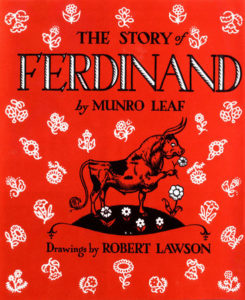
"The Story of Ferdinand" by Munro Leaf, illustrated by Robert Lawson: This timeless classic, first published in 1936, tells the story of Ferdinand, a bull who prefers smelling flowers to bullfighting. In a society that expects bulls to be aggressive and competitive, Ferdinand’s gentle nature sets him apart. The book has been lauded for its subtle anti-war message and its celebration of non-conformity. Ferdinand’s quiet strength in defying expectations serves as an early lesson in embracing one’s true self, regardless of societal norms, making it a powerful narrative for preschoolers exploring their own burgeoning identities.
-
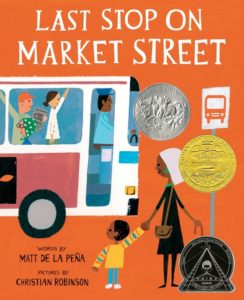
"Last Stop on Market Street" by Matt de la Peña, illustrated by Christian Robinson: This Caldecott Medal winner follows CJ and his grandmother on their weekly bus ride. Initially, CJ questions their routine, but his grandmother guides him to see the beauty and wonder in their community, highlighting the diverse people and vibrant city life around them. The book is a masterclass in finding joy and appreciation in the everyday, celebrating community, and showcasing a loving, intergenerational relationship between a Black grandmother and her grandson. Its vibrant illustrations and thoughtful narrative offer a rich tapestry of urban life and the importance of connection.
-
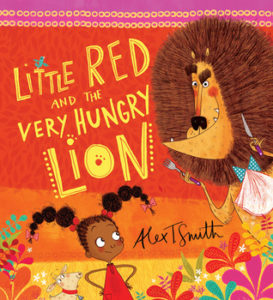
"Little Red and the Very Hungry Lion" by Alex Smith: A delightful reimagining of the classic "Little Red Riding Hood" set in the African jungle. This version features a resourceful Little Red and a less menacing, albeit still hungry, lion. The story is lauded for its vibrant illustrations, engaging narrative, and a satisfyingly non-violent resolution. It offers a fresh cultural perspective on a familiar tale, showcasing a different landscape and characters, which can broaden a child’s understanding of storytelling traditions and diverse settings. Its humor and colorful presentation make it a perennial favorite.
-
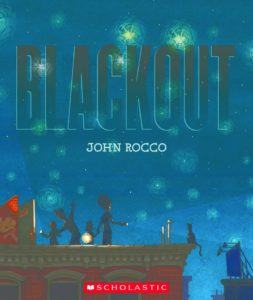
"Blackout" by John Rocco: This Caldecott Honor book uses minimal text and striking illustrations to tell the story of a city plunged into darkness by a power outage. Initially, a young boy and his family are engrossed in their own devices, but the blackout forces them to reconnect with each other and their neighbors. The story highlights the importance of community, shared experience, and stepping away from technology to engage with the world and the people around us. The illustrations depict a diverse urban population coming together, subtly reinforcing the idea of a collective human experience that transcends individual differences.
-
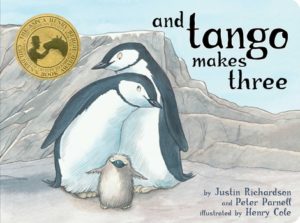
"And Tango Makes Three" by Justin Richardson and Peter Parnell, illustrated by Henry Cole: Based on a true story, this book recounts the tale of two male penguins, Roy and Silo, at the Central Park Zoo who form a pair and, with the help of a zookeeper, are given an egg to raise together. This heartwarming narrative provides a simple and accessible introduction to same-sex families for young children. In a literary landscape where same-sex parental figures are still relatively scarce, "And Tango Makes Three" offers a crucial affirmation for children in LGBTQ+ families and a valuable lesson in acceptance and love for all readers.
-
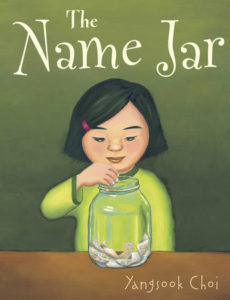
"The Name Jar" by Yangsook Choi, illustrated by Yan Nascimbene: This Newbery Honor book tells the story of Unhei, a young girl who has recently moved from Korea. Worried about her classmates pronouncing her name, she decides to keep it a secret. Her classmates create a "name jar" filled with potential new names, but when Unhei is meant to choose, the jar goes missing. The book gently explores themes of cultural identity, the challenges of being new, and the process of finding one’s voice. It highlights the beauty of diverse names and cultures, encouraging readers to embrace their heritage and to be welcoming to newcomers.
-
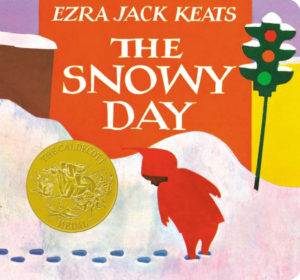
"The Snowy Day" by Ezra Jack Keats: A landmark in children’s literature, this Caldecott Medal winner, first published in 1962, features a young Black boy named Peter experiencing the magic of a snowy day in his urban neighborhood. The book was groundbreaking for its time due to its depiction of an interracial urban setting and a Black protagonist without racial commentary. Its enduring appeal lies in its simple, evocative portrayal of childhood joy, exploration, and the wonder of a winter wonderland. It remains a beloved classic that celebrates the simple pleasures of childhood and the beauty of a diverse urban environment.
-
"Little Robot" by Ben Hatke: This wordless picture book introduces a small, endearing robot who is befriended by a curious and loyal young girl. The narrative unfolds through stunning, expressive illustrations, demonstrating how friendship can blossom across apparent differences. The story’s power lies in its visual storytelling, allowing readers of all ages to interpret the emotional arc and the development of the bond between the robot and the girl. Hatke’s work consistently features relatable characters and themes of connection, making this a compelling example of visual literacy and inclusive storytelling.
Books for Older Children: Navigating Complex Themes and Identities
As children mature, their reading preferences evolve, and they can engage with more complex narratives that explore nuanced themes of identity, social justice, and personal growth. These books often feature protagonists who grapple with significant challenges, offering opportunities for deep reflection and discussion.
-
"Zita the Spacegirl" Series by Ben Hatke: This beloved trilogy follows Zita, a feisty and loyal Earth girl who embarks on an interstellar adventure to rescue her best friend. Along the way, she encounters alien planets, befriends a giant sentient mouse, and navigates intricate political landscapes. Hatke’s series is celebrated for its dynamic storytelling, relatable characters, and strong female protagonist. Zita’s bravery, resourcefulness, and loyalty resonate with young readers, while the fantastical settings and diverse alien species offer imaginative explorations of difference and intergalactic cooperation. The series is an excellent example of adventure fiction that seamlessly integrates diverse characters and themes.
-
"Mighty Jack" Series by Ben Hatke: A creative retelling of the Jack and the Beanstalk fable, this series centers on Jack, whose sister Maddy has autism and is nonverbal. Maddy plays a pivotal role in the narrative, and her relationship with Jack is central to the plot. The story also delves into themes of divorce, mother-son relationships, and the challenges of navigating different family structures. While offering thrilling adventure, swordplay, and dragons, the series grounds its fantastical elements in authentic portrayals of family dynamics and sibling bonds. The inclusion of a prominent character with autism offers a valuable opportunity for young readers to understand and empathize with neurodiversity.
-
"El Deafo" by Cece Bell: This Newbery Honor-winning graphic novel is a memoir about the author’s childhood experience of losing her hearing and her journey to adapt. Cece imagines herself as a superhero named "El Deafo," who uses her hearing aids to navigate the world and overcome her feelings of being different. The book honestly explores themes of pain, isolation, and the search for acceptance, all while maintaining a humorous and engaging tone. It provides a powerful and relatable depiction of living with a disability, demonstrating that differences can be a source of strength and unique perspective.
-
"Sisters" by Raina Telgemeier: This graphic novel, along with Telgemeier’s other works like "Ghosts" and "Drama," offers highly relatable stories for middle-grade readers. "Sisters" focuses on the complex relationship between two sisters during a family road trip, exploring themes of sibling rivalry, friendship, and personal growth. Telgemeier’s accessible art style and honest portrayal of pre-teen experiences have made her a highly popular author. "Ghosts" features a protagonist whose sister has cystic fibrosis, and "Drama" touches upon unrequited crushes and a character exploring his sexuality. These stories, while often humorous, tackle significant themes with sensitivity and authenticity, providing diverse characters and experiences for young readers to connect with.
The Enduring Significance of Diverse Narratives
The selection of books presented here is by no means exhaustive but serves as a testament to the growing and vital movement towards greater representation in children’s literature. The inclusion of characters from diverse racial backgrounds, genders, abilities, and family structures is not merely a matter of political correctness; it is an essential component of fostering a generation that is empathetic, understanding, and inclusive.
By engaging with these stories, children can develop a broader worldview, recognizing that their own experiences are valid and that the experiences of others are equally worthy of exploration and respect. For children from underrepresented groups, seeing themselves reflected in the pages of a book can be a profoundly affirming experience, validating their identities and fostering a sense of belonging. For all children, diverse literature serves as a bridge, dismantling stereotypes and building connections.
The statistics on underrepresentation in children’s books, while concerning, also highlight an immense opportunity. As publishers, authors, illustrators, educators, and parents increasingly recognize the imperative of diverse storytelling, the landscape of children’s literature is poised for continued positive transformation. The ongoing conversation and commitment to curating inclusive bookshelves will undoubtedly contribute to a more equitable and understanding future, one story at a time. As this list demonstrates, the literary world offers a wealth of compelling narratives that not only entertain but also enlighten, preparing young readers to navigate and contribute to an increasingly diverse and interconnected world.
