


The transition from a two-child household to a three-child family represents a significant demographic and psychological shift for modern parents, as evidenced by the recent experiences shared by maternal health advocate and contributor Jannelle following the birth of her third child, Evelynn. This transition, occurring after the previous births of her children Ella and Emiliano, highlights a broader societal trend regarding the evolution of parenting philosophies, the necessity of communal support systems, and the recalibration of maternal self-identity. As families navigate the complexities of raising multiple children under the age of five, the narrative of "intensive parenting" is increasingly being replaced by a more pragmatic, community-focused approach. This report examines the specific milestones, logistical challenges, and psychological adaptations observed in multi-child households, using the case study of the Jannelle family to illustrate broader sociological implications.
A Chronology of Family Expansion
The timeline of the Jannelle family’s growth provides a clear view of the escalating demands placed on modern caregivers. The journey began in late 2021 with the birth of the eldest daughter, Ella. This initial phase was characterized by the high-pressure environment often associated with first-time parenthood, where every developmental milestone is met with intense scrutiny and a desire for perfection. By November 2024, the family expanded with the birth of a second child, Emiliano. This period marked the beginning of a shift in parental strategy, moving from a singular focus to the management of sibling dynamics.

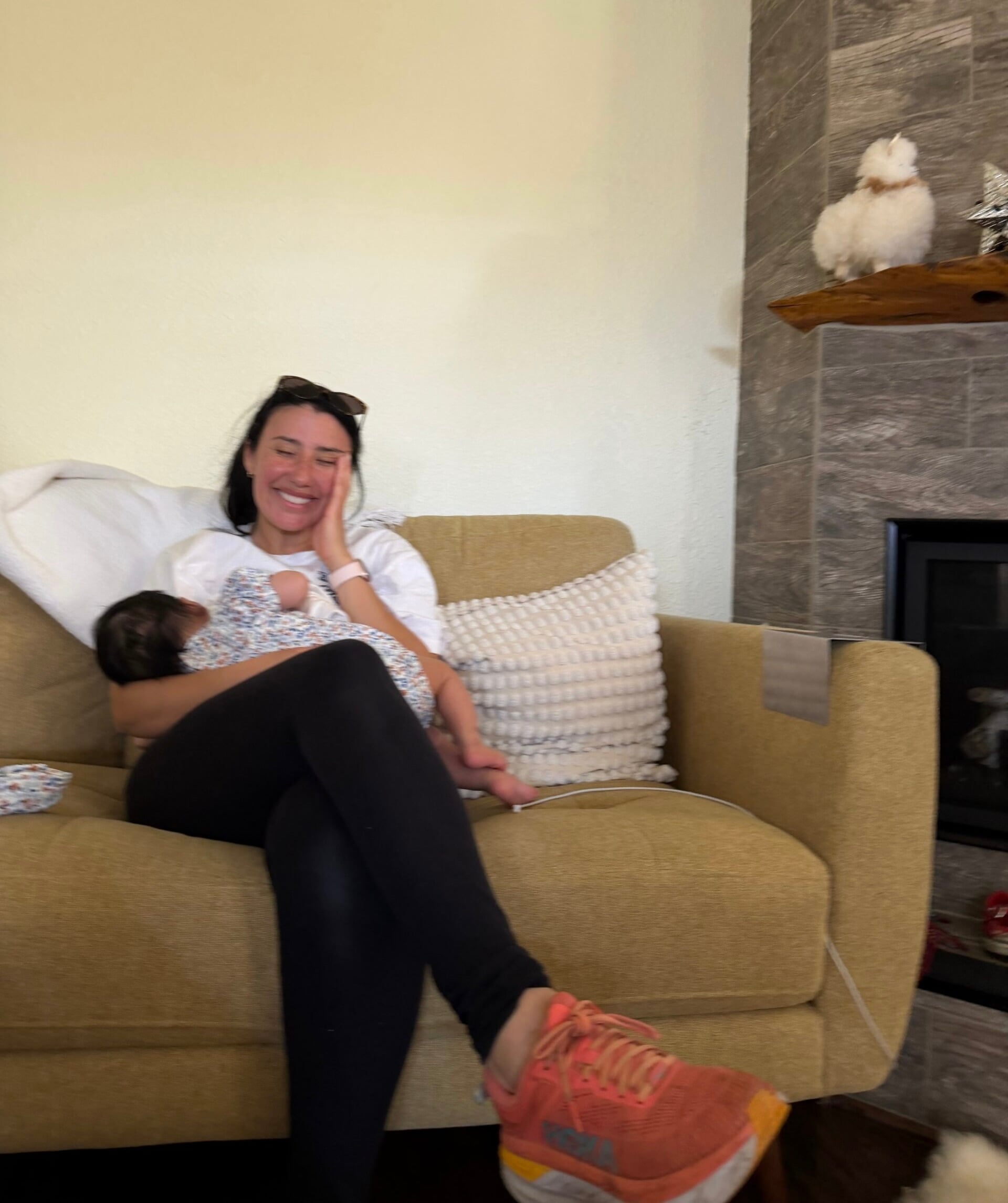
The most recent development occurred in late 2025 with the birth of Evelynn, following a six-month maternity leave that concluded in early 2026. This third transition has been described as a pivotal moment, not merely because of the increased headcount, but because of the qualitative change in how parenting is executed. The transition to three children often necessitates a "zone defense" strategy rather than "man-to-man" coverage, a shift that forces parents to abandon the pursuit of total domestic control in favor of functional stability.
Statistical Context and Demographic Trends in Family Size
The decision to move from two to three children is increasingly rare in many developed economies. According to data from the Pew Research Center and various national census bureaus, the "two-child norm" remains the most common family structure. Parents who opt for a third child often report a unique set of stressors. A widely cited survey by Today.com of over 7,000 mothers indicated that mothers of three children report higher stress levels than those with one, two, or even four or more children. This phenomenon is often attributed to the logistical "tipping point" where standard family vehicles, housing configurations, and the parental ratio are no longer sufficient to meet the needs of the household without significant structural changes.
In the case of the Jannelle household, the presence of three children under the age of five represents a high-intensity caregiving environment. This demographic reality correlates with what sociologists term "time poverty," a state where the demands of childcare and domestic labor leave fewer than 30 minutes of discretionary time per day for the primary caregiver.

The Psychological Shift: From Perfectionism to Pragmatism
One of the most significant findings in the study of multi-child parenting is the gradual erosion of the "perfectionist" impulse. In her primary account, Jannelle identifies as a "recovering people pleaser," a trait common among modern parents who feel pressured by social media and cultural expectations to maintain an image of effortless competence. However, the arrival of a third child appears to serve as a catalyst for a more authentic and vulnerable parenting style.
The willingness to request assistance for mundane domestic tasks—such as sanitizing facilities or laundering linens—marks a departure from the traditional "supermom" archetype. Psychological experts suggest that this shift is beneficial for maternal mental health. By lowering the threshold for what constitutes "having it together," parents can reduce the risk of postpartum burnout and anxiety. The transition from doing everything independently with the first child to actively outsourcing domestic chores with the third highlights a necessary adaptation to the overwhelming volume of labor required in a large family.
The Vital Role of Intergenerational and Communal Support
The success of the multi-child household is frequently dependent on the strength of the "village"—a network of extended family and friends who provide tangible support. In the reported case, the involvement of maternal figures (the grandmother and great-grandmother) and extended family (Aunt Annette) proved essential during the immediate postpartum period.

This reliance on communal support is not merely a personal preference but a survival strategy. The act of "paying it forward"—offering assistance to other parents in the community—creates a reciprocal ecosystem of care. This behavior, observed in Jannelle’s proactive offer of support to a sick friend, reinforces the theory that experienced parents often develop a heightened sense of empathy and a "bone-aching" understanding of the challenges faced by those in similar positions. These micro-interactions, such as taking a friend’s child to the restroom or delivering meals, form the backbone of modern parental resilience.
Developmental Observations and the "Startle Reflex" of Parenting
While the logistical burdens of three children are significant, the psychological rewards are often found in the nuances of child development. Developmental psychologists note that parents of multiple children often become more attuned to subtle biological and behavioral markers. The "startle reflex" (Moro reflex) and the unique vocalizations associated with nursing are cited as moments of profound connection that might be overlooked in the frantic pace of first-time parenting.
Furthermore, the observation of "familial signatures"—shared physical traits or gestures among siblings—provides a sense of continuity and biological wonder. Seeing a newborn replicate a specific smirk or expression previously seen in an older sibling creates a "whole new high" for parents, reinforcing the emotional bond within the family unit. These observations suggest that while the quantity of time per child may decrease, the quality of parental observation may actually become more refined and appreciative of the ephemeral nature of infancy.
Time Management and the Pursuit of Maternal Identity
A critical challenge in the three-child household is the preservation of the parent’s individual identity. With approximately 30 minutes of personal time available daily, the selection of activities becomes a deliberate act of self-preservation. For Jannelle, this involves a return to nature through gardening and a return to intellectual stimulation through literature, specifically "funny novels" like Margo’s Got Money Troubles by Rufi Thorpe.
This clarity of purpose is a direct byproduct of extreme time scarcity. When time is the most limited resource, parents are forced to identify exactly what brings them "energy and joy." This process of elimination helps to strip away low-value activities, leading to a more focused and satisfying personal life, even if that life is restricted to small windows of opportunity.
Analysis of Broader Implications and Conclusion
The experiences of the Jannelle family serve as a microcosm for the contemporary shift in domestic life. The transition to three children is a complex negotiation between increased physical labor and decreased psychological pressure to perform. It represents a move toward a more communal, less isolated form of parenting that values vulnerability over the facade of perfection.

The broader implications of this shift suggest that:
- Support Systems are Non-Negotiable: The "independent" model of parenting is unsustainable in multi-child households, necessitating a revival of intergenerational and community-based support.
- Parental Mental Health Requires Pragmatism: The reduction of "people-pleasing" behaviors is a critical defensive mechanism against parental burnout.
- Refined Observational Skills: Experience with multiple children allows parents to find deeper meaning in minor developmental milestones, potentially leading to a more grounded emotional experience.
In conclusion, the evolution of a family from one to three children is a transformative process that reshapes the parents’ worldview. While the challenges of time poverty and logistical complexity are undeniable, the resulting psychological clarity and the strengthening of communal bonds offer a compelling counter-narrative to the idea that more children simply equals more stress. Instead, it suggests that the third child may be the catalyst that finally allows parents to embrace the messy, authentic, and collaborative reality of modern family life.