

The landscape of children’s literature, while rich and varied, has historically been dominated by a narrow representation of characters. This article delves into the vital importance of diversity in children’s books, exploring its impact on a child’s development and worldview, and presents a curated list of exemplary titles that champion inclusivity across race, gender, ability, and sexuality. The objective is to provide parents, educators, and caregivers with resources that foster empathy, understanding, and a more accurate reflection of the diverse world children inhabit.
The Underrepresentation Paradox in Children’s Books
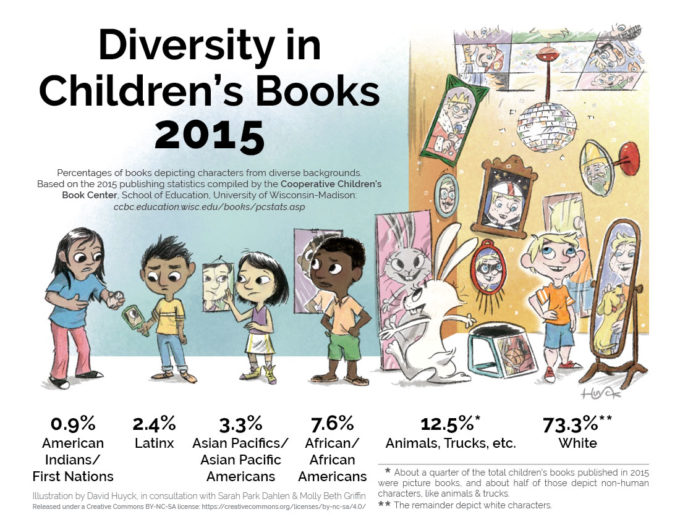
A significant body of research has consistently highlighted a pervasive underrepresentation of diverse characters in children’s books. Studies, such as those conducted by the Cooperative Children’s Book Center at the University of Wisconsin-Madison, have indicated for years that white, male protagonists are overwhelmingly prevalent. For instance, a report analyzing children’s books published in 2015 found that only 22% of books featured characters of color, and even fewer had them as the main protagonist. Similarly, research on gender representation has revealed that male characters often outnumber female characters, even in books where the protagonist is an animal or an anthropomorphic figure, which are frequently gendered male by default.

This disparity is not merely an academic observation; it has tangible implications for children’s cognitive and emotional development. When children consistently see themselves and their communities reflected in the stories they consume, it validates their experiences, fosters a sense of belonging, and strengthens their self-esteem. Conversely, a lack of representation can lead to feelings of invisibility, otherness, and a diminished understanding of the complexities of the human experience.

Why Diverse Representation Matters: Building Empathy and Understanding
The introduction of diverse characters into children’s literature serves multiple critical functions. Firstly, it allows children from underrepresented groups to see themselves as central figures in stories, promoting positive self-identity and reinforcing their value within society. This mirrors the concept of "windows and mirrors" in literature, where books can act as windows into other cultures and experiences, and as mirrors reflecting one’s own identity.
Secondly, for children who are part of the dominant demographic, diverse books act as crucial windows, offering insights into the lives and perspectives of others. This exposure cultivates empathy, breaks down stereotypes, and prepares them to navigate an increasingly diverse and interconnected world with greater understanding and respect. By encountering characters with different backgrounds, abilities, and family structures, children learn to appreciate the richness of human variation and develop a more nuanced understanding of social issues.
Furthermore, the inclusion of characters with disabilities challenges common misconceptions and promotes a more inclusive view of ability. Stories that feature characters with different sexual orientations or family structures can help normalize these experiences, fostering acceptance and reducing stigma from an early age. This proactive approach to representation is vital in shaping a generation that is more tolerant, inclusive, and equipped to address societal inequities.
A Curated Collection: Diverse Books for Every Age Group
The following selection represents a thoughtful compilation of books that not only offer compelling narratives and engaging illustrations but also actively promote diversity. These titles have been chosen for their quality and their ability to introduce children to a broader spectrum of human experiences.
For Babies and Toddlers: Laying the Foundation for Inclusivity
The earliest years of a child’s life are foundational for developing their understanding of the world. Board books, with their durable pages and simple, repetitive text, are ideal for this age group.
- Not Quite Narwhal by Jessie Sima: This charming story introduces Kelp, a creature who has always felt a bit different. While it can be interpreted as a tale of self-acceptance, its underlying theme of embracing family and belonging resonates universally. The narrative subtly showcases that family can be found in unexpected places, promoting a broader understanding of familial structures.
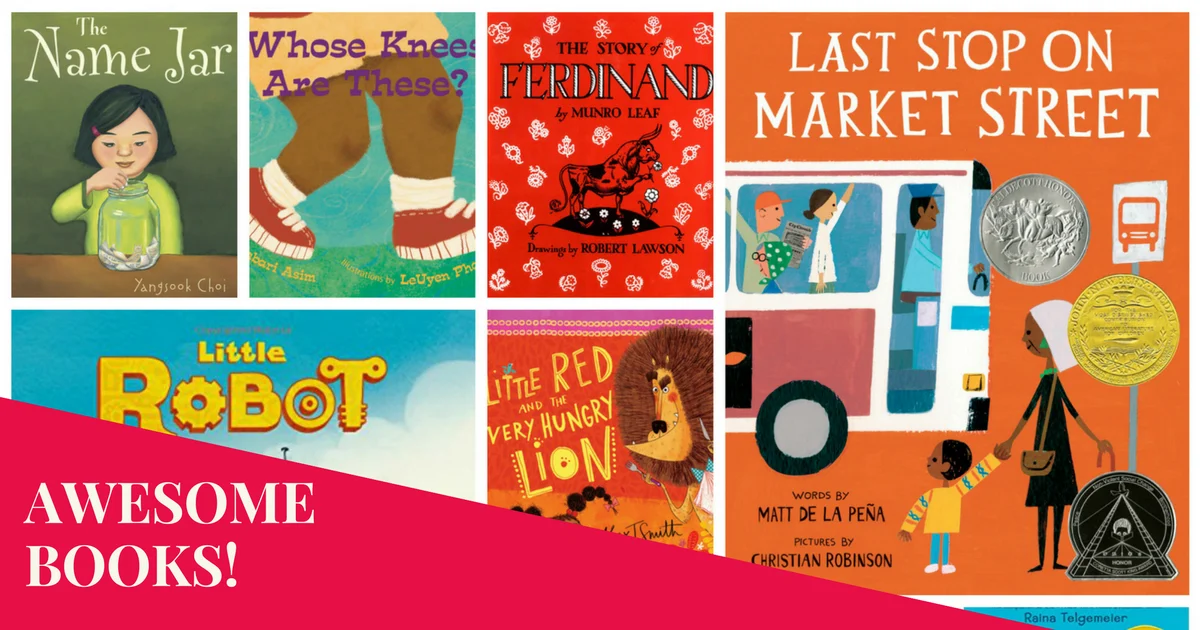
- Whose Knees Are These? by Jabari Asim, illustrated by LeUyen Pham: This simple board book uses delightful rhymes to help young children identify body parts. Its strength lies in its gentle approach and the opportunity it provides for interaction, allowing parents to point out the diverse array of children depicted, showcasing various skin tones and features, reinforcing that all bodies are beautiful and unique.
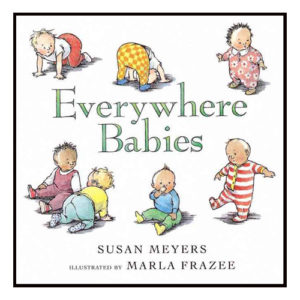
- Everywhere Babies by Susan Meyers, illustrated by Caldecott Honor winner Rafael López: This book is a vibrant celebration of babies in all their diversity. With stunning illustrations, it depicts infants of various ethnicities, abilities, and family configurations engaging in everyday baby activities. It’s a testament to the universality of childhood and the inherent beauty of human variation, making it a perfect introduction to diversity for the youngest readers.
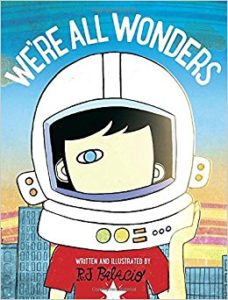
- We’re All Wonders by R.J. Palacio: Adapted from the beloved chapter book "Wonder," this picture book introduces younger children to the story of Auggie Pullman, a boy with facial differences. It emphasizes the message that everyone is unique and special, and that true beauty comes from within. The book promotes empathy and understanding towards those who may look different, encouraging children to be kind and accepting.
For Preschoolers: Exploring Complexities with Wonder
As children enter preschool, their capacity for understanding more nuanced themes grows. These books offer engaging stories that subtly weave in messages of diversity and social awareness.
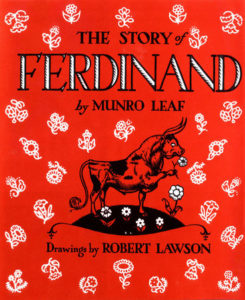
- The Story of Ferdinand by Munro Leaf, illustrated by Robert Lawson: A timeless classic, "The Story of Ferdinand" tells the tale of a bull who prefers smelling flowers to fighting. This story subtly challenges traditional gender roles and expectations, showing that it’s okay to be different and to follow one’s own path, even if it deviates from societal norms. Ferdinand’s gentle nature and preference for peace over aggression provide a valuable lesson in individuality.
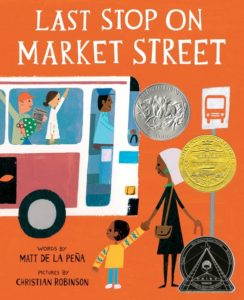
- Last Stop on Market Street by Matt de la Peña, illustrated by Christian Robinson: This Newbery Medal winner follows CJ and his grandmother on their weekly bus ride through the city. The book is a beautiful exploration of community, gratitude, and finding beauty in the everyday, regardless of one’s circumstances. It features a diverse cast of characters and highlights the intergenerational bond between CJ and his Nana, showcasing a loving relationship between a Black grandmother and her grandson.
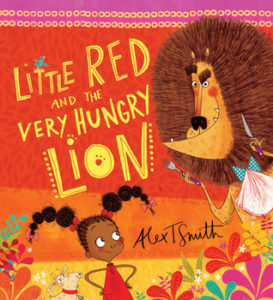
- Little Red and the Very Hungry Lion by Alex Smith: A delightful twist on the classic fairy tale, this version features a brave Little Red in a vibrant jungle setting. The story is filled with humor, colorful illustrations, and a positive resolution that avoids the grim fates of the original. Its appeal lies in its playful reimagining and its introduction to a different cultural milieu, offering a refreshing perspective on a familiar narrative.
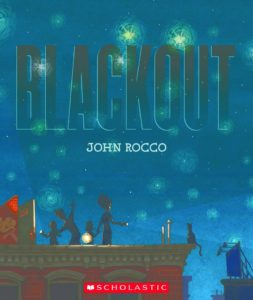
- Blackout by John Rocco: This Caldecott Honor book uses minimal text and powerful illustrations to tell the story of a family and their neighborhood during a city-wide power outage. It emphasizes the importance of human connection and community resilience when technology fails. The diverse portrayal of families and individuals coming together highlights shared humanity and the strength found in unity, transcending racial and socioeconomic differences.
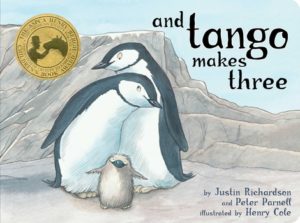
- And Tango Makes Three by Justin Richardson and Peter Parnell, illustrated by Henry Cole: Based on a true story, this heartwarming book tells the tale of two male penguins at the Central Park Zoo who form a pair and are given an egg to raise. It’s a gentle and accessible introduction to the concept of same-sex couples and diverse family structures, presented through the endearing narrative of animal parenting. Its straightforward approach makes it a valuable tool for fostering understanding and acceptance.
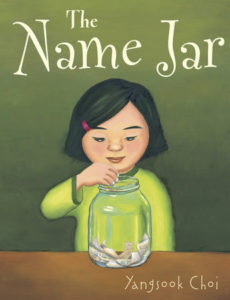
- The Name Jar by Yangsook Choi, illustrated by Cornelius Van Wright and Ying-Hwa Hu: This story follows Unhei, a young Korean immigrant who worries about her new classmates pronouncing her name. The book beautifully explores themes of cultural identity, belonging, and the challenge of adapting to a new environment. It highlights the importance of respecting names and cultural heritage, while also showing the kindness and efforts of classmates to make Unhei feel welcome.
- The Snowy Day by Ezra Jack Keats: A groundbreaking classic, "The Snowy Day" features Peter, a young Black boy, experiencing the magic of a snow day in New York City. Published in 1962, it was one of the first children’s books to feature an African American protagonist in a non-stereotypical role. Its simple yet profound depiction of childhood joy and exploration continues to resonate, celebrating a universal experience through a diverse lens.
- Little Robot by Ben Hatke: This wordless graphic novel tells the story of a small robot who is befriended by a resourceful young girl. The narrative, conveyed entirely through visuals, emphasizes themes of friendship, connection, and overcoming differences. The interaction between the robot and the girl, portrayed without explicit dialogue, highlights universal emotions and the power of non-verbal communication, fostering an appreciation for diverse forms of connection.
For Bigger Kids: Engaging with Complex Narratives
As children grow, their ability to engage with more complex plots and themes expands. The following books offer rich storytelling while incorporating diverse characters and experiences.
- Zita the Spacegirl Trilogy by Ben Hatke: This acclaimed graphic novel series follows Zita, a brave and loyal Earth girl, on extraordinary adventures across the galaxy. The books feature a richly imagined alien world, diverse characters, and compelling themes of courage, friendship, and responsibility. Zita’s interactions with various alien species and her unwavering determination to protect her friends underscore the value of empathy and cooperation across differences.
- Mighty Jack Trilogy by Ben Hatke: A creative retelling of "Jack and the Beanstalk," this series introduces Jack and his sister Maddy, who has autism. Maddy is a central character whose relationship with Jack forms the emotional core of the story. The books deftly explore themes of sibling bonds, divorced households, and the challenges and rewards of neurodiversity, all within an action-packed fantasy adventure.
- El Deafo by Cece Bell: A Newbery Honor winner, this graphic novel memoir recounts the author’s childhood experiences of losing her hearing and navigating the world with a bulky hearing aid. Cece transforms herself into the superhero "El Deafo," using her imagination to cope with her differences. The book is a humorous and honest exploration of disability, friendship, and the search for acceptance, offering a powerful perspective on living with a difference.
- Sisters by Raina Telgemeier: This popular graphic novel explores the complex and often humorous relationship between two sisters during a family road trip. Telgemeier’s work is known for its relatable characters and engaging storytelling, and "Sisters" delves into sibling rivalry, personal insecurities, and the dynamics of family. Her books, including "Smile," "Guts," and "Drama," often feature diverse characters and address themes relevant to young readers, such as friendships, crushes, and personal growth. "Ghost" features a protagonist with cystic fibrosis, and "Drama" includes a subplot about a middle school boy questioning his sexuality, showcasing a range of identities and experiences.
The Broader Impact: Shaping Future Generations
The consistent inclusion of diverse narratives in children’s literature is not merely a trend; it is a fundamental necessity for fostering a more equitable and understanding society. By providing children with books that reflect the world’s rich tapestry of identities, we equip them with the tools to build bridges, challenge prejudice, and celebrate the uniqueness of every individual.
The ongoing commitment from authors, illustrators, publishers, and parents to champion diverse stories is crucial. As research continues to illuminate the benefits of inclusive literature, the demand for such books is growing, encouraging the creation of even more varied and representative content. This evolving landscape promises a future where every child can find themselves within the pages of a book, fostering a generation that is not only well-read but also compassionate, inclusive, and prepared to embrace the full spectrum of human experience. The journey towards truly representative children’s literature is ongoing, and each book that opens a window or reflects a mirror plays a vital role in shaping a more inclusive world for all.
