

The landscape of children’s literature is a powerful influencer of young minds, shaping their understanding of the world and their place within it. For decades, research and industry analysis have pointed to a significant disparity in representation within the books most accessible to children. A comprehensive study by the Cooperative Children’s Book Center at the University of Wisconsin-Madison consistently highlights that the vast majority of children’s books feature white, male protagonists. This dominance of a narrow demographic, even in stories with animal or anthropomorphic characters, underscores a critical gap in reflecting the rich tapestry of human experience. In response to this persistent imbalance, a growing movement advocates for a more inclusive approach to children’s publishing, emphasizing the importance of books that showcase diversity across race, gender, abilities, and sexual orientation. This curated selection aims to provide parents, educators, and caregivers with a list of exceptional books that not only resonate with children but also actively promote understanding and empathy through diverse representation.
The Significance of Diverse Narratives in Early Development
The underrepresentation of diverse characters in children’s books is not merely an aesthetic concern; it carries profound implications for child development. When children see themselves reflected in the stories they consume, it validates their experiences, fosters a sense of belonging, and builds self-esteem. Conversely, a lack of representation can lead to feelings of invisibility or marginalization. Furthermore, exposing children to diverse characters from an early age cultivates empathy, broadens their perspectives, and prepares them for a world that is inherently multicultural and multifaceted. Research published in journals like "Child Development" has demonstrated a correlation between exposure to diverse media and increased cross-group understanding and reduced prejudice in children.
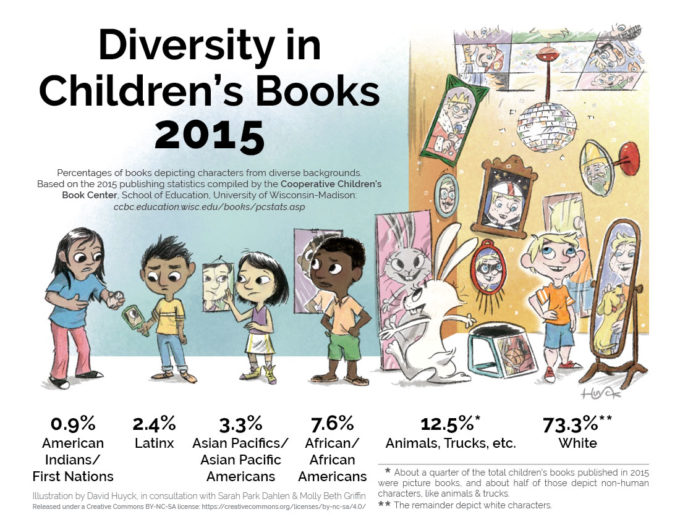
The statistics paint a stark picture. For instance, reports from organizations like Lee & Low Books, a leading publisher of multicultural children’s books, have periodically shown that authors and illustrators of color receive a disproportionately small percentage of publishing contracts and awards. While specific percentages fluctuate year by year and across different studies, the trend remains consistent: white characters and creators dominate the children’s book market. This disparity means that children of color, children with disabilities, and LGBTQ+ individuals are less likely to find stories that mirror their own lives, while white children may be missing out on opportunities to develop a comprehensive understanding of the world beyond their immediate experiences.
A Chronology of Awareness and Action

The call for greater diversity in children’s literature is not a recent phenomenon. Over the past several decades, educators, librarians, authors, and advocacy groups have continuously raised awareness about the issue. Early efforts focused on ensuring that books featuring characters of color were available and accessible. The establishment of organizations like We Need Diverse Books in 2014 marked a significant turning point, galvanizing the industry and creating a powerful platform for amplifying marginalized voices. This organization, founded by a group of children’s literature professionals, advocates for "everyone, by, for, and about them," aiming to make the world of children’s literature more equitable and inclusive. Their ongoing campaigns and initiatives have contributed to increased publishing of diverse books and a greater industry-wide conversation.
Curated Selections for Every Age Group

The following list represents a carefully selected array of books that excel in both storytelling quality and diverse representation, suitable for various age groups. These selections are not exhaustive but serve as a starting point for building a more inclusive home or classroom library.
Books for Babies and Toddlers: Laying the Foundation
For the youngest readers, board books offer durable pages and simple, engaging narratives. The emphasis here is on visual appeal and early concepts, making diverse representation particularly impactful in these formative years.
-
Not Quite Narwhal by Jessie Sima: This charming story introduces Kelp, a creature who feels different and embarks on a journey of self-discovery. While not explicitly about race or identity in a human sense, the narrative powerfully explores themes of belonging and familial love, resonating with any child who has ever felt unique. The gentle illustrations and heartwarming message make it a staple for early readers.
-
Whose Knees Are These? by Jabari Asim, illustrated by LeUyen Pham: This delightful board book uses playful rhymes to explore the human body. The illustrations, a hallmark of LeUyen Pham’s work, often depict a diverse range of children, subtly normalizing varied appearances and ethnicities from the earliest stages of reading. It’s an excellent tool for vocabulary building and body awareness.
-
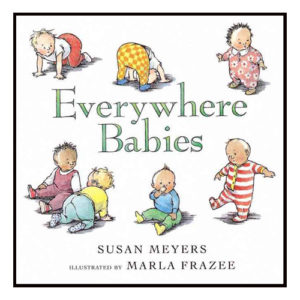
Everywhere Babies by Susan Meyers, illustrated by Rafael López: This beautifully illustrated book celebrates the universality of babies. López’s artwork intentionally showcases a wide spectrum of races, ethnicities, and family structures, presenting a vibrant and inclusive vision of early childhood. The simple text focuses on the common experiences of babies – sleeping, playing, eating – making it relatable to all families.
-
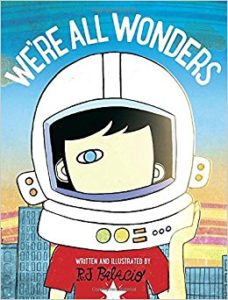
We’re All Wonders by R.J. Palacio: Adapted from the beloved middle-grade novel "Wonder," this picture book introduces the character of Auggie, a boy with facial differences. The book’s core message, "We’re all wonders," is a profound statement about acceptance and embracing individuality. It provides a gentle introduction to the concept of visible differences and the importance of kindness.
Books for Preschoolers: Exploring Identity and Community
As children enter preschool, their understanding of the world expands, and they begin to engage more deeply with social dynamics and different perspectives.
-
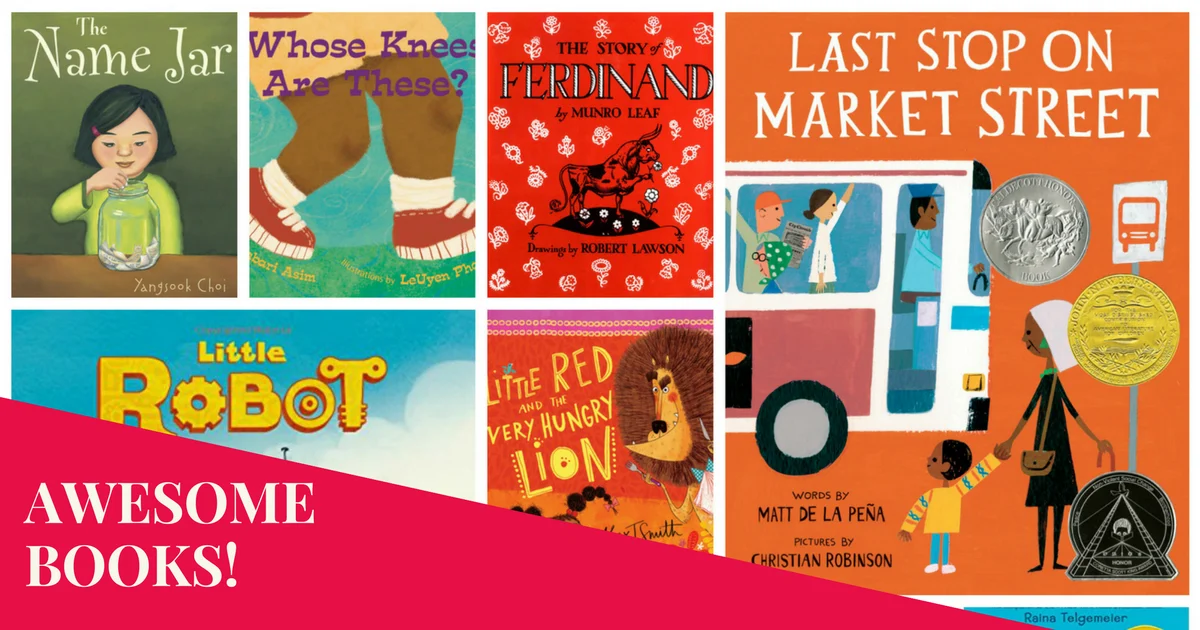
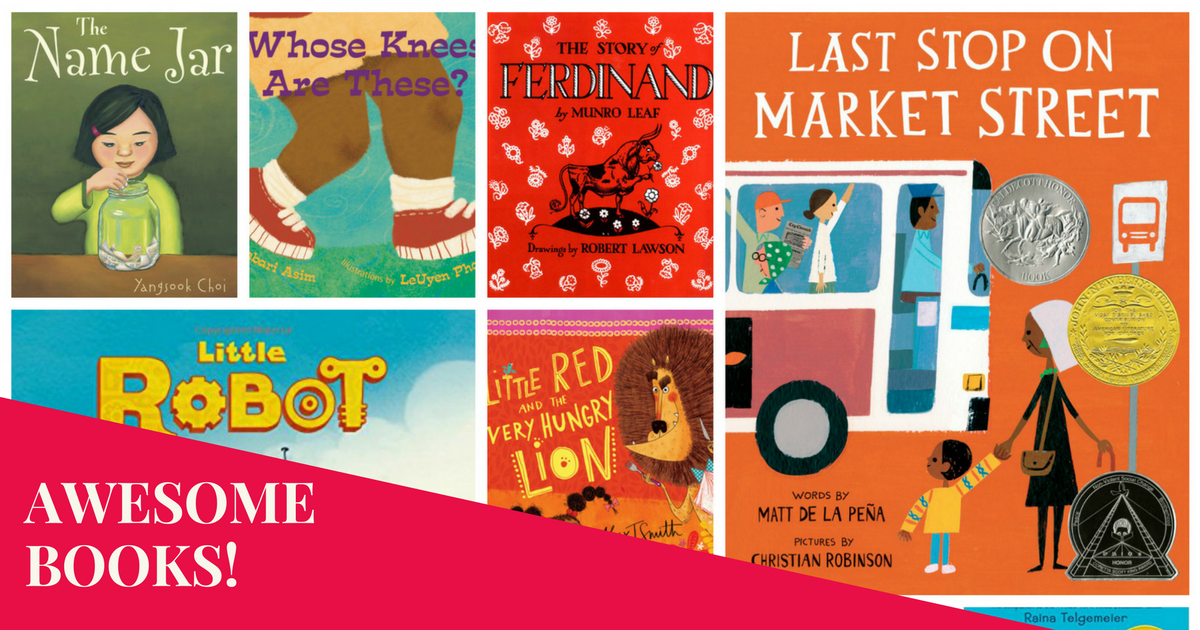
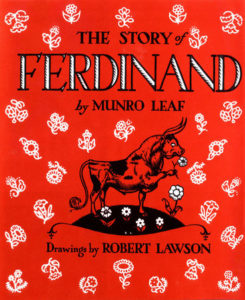
The Story of Ferdinand by Munro Leaf, illustrated by Robert Lawson: A timeless classic, "The Story of Ferdinand" tells the tale of a bull who prefers smelling flowers to fighting. Ferdinand’s gentle nature and rejection of societal expectations for bulls make him an enduring symbol of individuality and non-conformity. While not explicitly diverse in terms of human characters, his unique spirit encourages children to embrace their true selves, regardless of pressures to fit a mold.
-
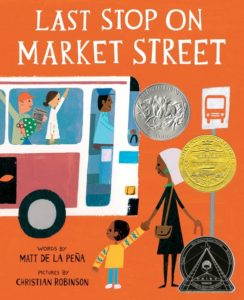
Last Stop on Market Street by Matt de la Peña, illustrated by Christian Robinson: This Caldecott Medal winner is a lyrical exploration of a bus ride through a vibrant urban landscape. CJ and his Nana experience the world through different eyes, finding beauty and joy in everyday moments and diverse communities. Christian Robinson’s bold and energetic illustrations are a visual feast, capturing the spirit of the city and its inhabitants. The book is a masterclass in showing, not telling, the value of community and appreciating different walks of life.
-
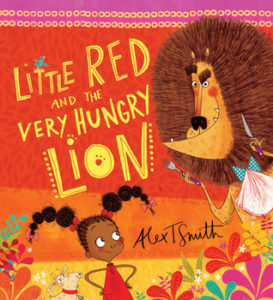
Little Red and the Very Hungry Lion by Alexia Rowland, illustrated by Justin Reed: A playful twist on the classic fairy tale, this version places Little Red in a vibrant jungle setting. The story’s charm lies in its witty retelling and vibrant illustrations, offering a fresh perspective on a familiar narrative. While the primary diversity here is in the reimagined setting, the humor and engaging plot make it a delightful read for young children.
-
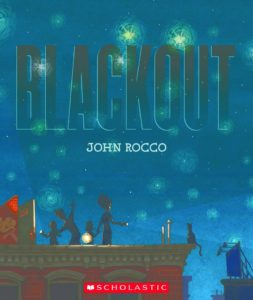
Blackout by John Rocco: This Caldecott Honor book uses minimal text and striking illustrations to tell the story of a family coming together during a city-wide power outage. The narrative focuses on familial connection and rediscovering simple joys. The illustrations depict a diverse urban population, subtly showcasing the interconnectedness of a community during a shared experience.
-
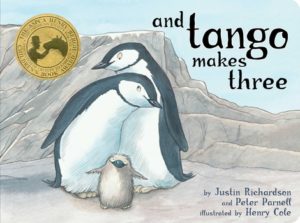
And Tango Makes Three by Justin Richardson and Peter Parnell, illustrated by Henry Cole: Based on a true story, this book tells the heartwarming tale of two male penguins at the Central Park Zoo who form a pair and are given an egg to raise. It is a pioneering book in its depiction of a same-sex couple raising a child, offering a gentle and accessible introduction to diverse family structures for young children. Its message of love and family transcends traditional definitions.
-
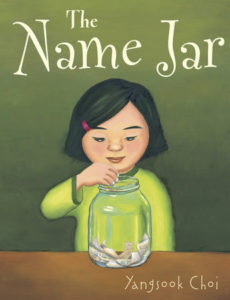
The Name Jar by Yangsook Choi: This engaging story follows Unhei, a young girl who has recently moved from Korea and is worried about her new classmates pronouncing her name. The book beautifully explores themes of cultural identity, belonging, and the power of names. The narrative encourages empathy as Unhei’s classmates try to understand her experience, ultimately celebrating her heritage.
-
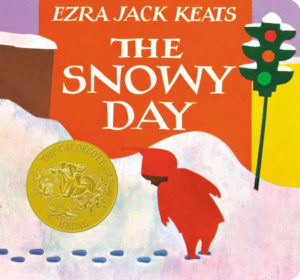
The Snowy Day by Ezra Jack Keats: A landmark in children’s literature, "The Snowy Day" was one of the first full-color picture books to feature a Black child as the protagonist. Peter’s joyous exploration of a snow-covered world broke significant ground in representation. Its enduring popularity is a testament to its universal appeal and its historical importance in diversifying the faces of children in literature.
-
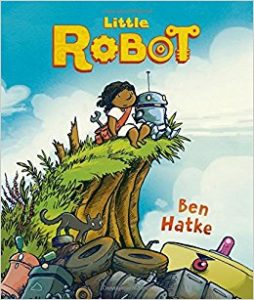
Little Robot by Ben Hatke: This wordless graphic novel tells the story of a small robot who befriends a human girl. The beauty of wordless books lies in their accessibility across language barriers and their reliance on visual storytelling. The heartwarming relationship between the robot and the girl, along with Hatke’s signature expressive illustrations, conveys themes of friendship and connection, making it a universally resonant story.
Books for Bigger Kids: Navigating Complex Themes
For older children, books can tackle more complex themes, including identity, social justice, and navigating the challenges of growing up in a diverse world.
-
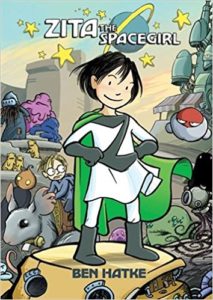
Zita the Spacegirl series by Ben Hatke: The "Zita" trilogy features a spirited young protagonist who embarks on epic adventures across space. Zita is a brave, loyal, and resourceful character whose interactions with a variety of alien species and her friendship with a giant, sentient mouse highlight themes of courage, perseverance, and finding common ground with those who are different. Hatke’s dynamic artwork and engaging storylines make these books a favorite for emergent readers and those who enjoy science fiction and adventure.
-
Mighty Jack series by Ben Hatke: This series offers a creative reimagining of "Jack and the Beanstalk." A central element of the story is the relationship between Jack and his sister Maddy, who has autism. Maddy’s character is portrayed with depth and sensitivity, and her bond with Jack is integral to the plot. The series also touches upon themes of divorce and family dynamics, offering a nuanced look at modern life. The comic book format, with its action-packed narrative and fantastical elements, makes these complex themes accessible to young readers.
-
El Deafo by Cece Bell: A Newbery Honor recipient, "El Deafo" is a graphic novel memoir about the author’s childhood experience of hearing loss and wearing a bulky hearing aid. Cece transforms her perceived difference into a superpower, imagining herself as "El Deafo," a superhero who can hear the world’s secrets. The book is both humorous and poignant, exploring themes of disability, friendship, and self-acceptance with honesty and wit.
-
Sisters by Raina Telgemeier: Raina Telgemeier’s graphic novels are immensely popular, and "Sisters" offers a relatable portrayal of sibling relationships, rivalry, and a memorable family road trip. The book captures the nuances of sisterhood with humor and authenticity. Telgemeier’s work often explores themes of growing up, friendship, and navigating social dynamics, with other notable titles like "Drama" (which features a character questioning his sexuality) and "Ghosts" (featuring a protagonist with cystic fibrosis) further expanding the scope of diverse experiences in her bibliography.
Broader Impact and Future Directions
The increased availability and visibility of diverse books have a ripple effect throughout society. For publishers, it represents an opportunity to connect with a wider readership and to reflect the true diversity of their customer base. For educators and librarians, it provides essential tools for fostering inclusive learning environments and for engaging all students in meaningful literary experiences. For parents, it offers the chance to introduce their children to a broader understanding of the world and to help them develop into compassionate, well-rounded individuals.
The journey towards truly equitable representation in children’s literature is ongoing. Continued advocacy, critical engagement with publishing practices, and the conscious selection of diverse books by consumers are all vital components in ensuring that every child can find themselves, and learn about others, within the pages of a book. The effort to diversify children’s literature is not merely about checking boxes; it is about enriching the lives of all children by providing them with stories that are as varied, complex, and beautiful as the world they inhabit.
