


The intricate journey toward conception is profoundly influenced by an individual’s general wellness and nutritional status, a reality consistently underscored by leading reproductive health organizations, including the American Pregnancy Association. Far from being a mere auxiliary factor, dietary choices and broader lifestyle habits play a pivotal role in optimizing fertility for both prospective parents. This evidence-based perspective highlights that proactive engagement in key lifestyle modifications, including the abandonment of detrimental habits and a concerted effort to enhance nutritional intake, can significantly augment the chances of successful conception and support the earliest, most vulnerable weeks of pregnancy. The following analysis delves into the scientific underpinnings of this connection, exploring specific nutrients, dietary patterns, and lifestyle adjustments that form the cornerstone of preconception health.
The Scientific Foundation of Fertility and Nutrition
The human reproductive system, for both males and females, is a complex biological machinery that requires a steady supply of specific nutrients to function optimally. From the maturation of oocytes (eggs) in women to the production and motility of spermatozoa in men, every cellular process involved in reproduction is fueled and regulated by dietary components. Imbalances or deficiencies can disrupt hormonal pathways, impair gamete quality, and compromise the uterine environment, collectively contributing to subfertility or infertility.
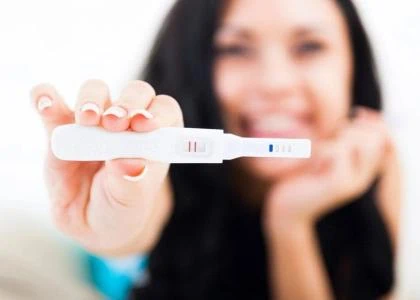
For women, adequate nutrition is essential for regular ovulation, healthy egg development, and maintaining a receptive uterine lining. Hormonal equilibrium, which dictates the menstrual cycle and prepares the body for pregnancy, is particularly sensitive to nutrient availability and metabolic health. For instance, insulin resistance, often exacerbated by poor dietary choices, can lead to conditions like Polycystic Ovary Syndrome (PCOS), a common cause of ovulatory dysfunction.
In men, sperm production (spermatogenesis) is a continuous and energy-intensive process. The quality of sperm—encompassing count, motility (ability to swim), and morphology (shape)—is highly susceptible to nutritional status and oxidative stress. Antioxidants, for example, are crucial in protecting sperm DNA from damage that can impair fertilization and early embryonic development. The male reproductive system also relies on specific vitamins and minerals for testosterone production and overall seminal fluid health.
Key Nutrients for Optimal Reproductive Health
A balanced diet rich in specific micronutrients is paramount for bolstering fertility. Research consistently points to several key players:

Folate (Folic Acid): This B vitamin is perhaps one of the most recognized for its role in preconception and early pregnancy. Beyond its critical function in preventing neural tube defects in the developing fetus, folate is vital for DNA synthesis and repair in both egg and sperm. Adequate folate levels can improve egg quality and ovulation regularity in women, and contribute to healthy sperm production and genetic integrity in men. Green leafy vegetables, legumes, nuts, and fortified grains are excellent sources.
Iron: Iron deficiency anemia is prevalent globally and has been linked to ovulatory infertility. Sufficient iron stores are necessary for healthy red blood cell production, ensuring adequate oxygen delivery throughout the body, including reproductive organs. Iron also plays a role in energy metabolism and hormone synthesis. Lean meats, beans, lentils, spinach, and fortified cereals are important dietary sources.
Zinc: A crucial mineral for reproductive health in both sexes. In women, zinc is involved in egg growth, ovulation, and hormonal regulation. In men, it is indispensable for testosterone metabolism, spermatogenesis, and sperm motility. Zinc deficiency can lead to reduced sperm quality and quantity. Foods rich in zinc include oysters, red meat, poultry, beans, nuts, and whole grains.

Omega-3 Fatty Acids: Particularly EPA and DHA, found abundantly in fatty fish (salmon, mackerel, sardines), flaxseeds, and walnuts. These essential fatty acids possess potent anti-inflammatory properties and are critical components of cell membranes. They contribute to hormonal balance, improve egg quality, and enhance blood flow to the reproductive organs in women. In men, omega-3s are vital for sperm membrane integrity, motility, and overall sperm health.
Vitamin D: Often referred to as the "sunshine vitamin," Vitamin D receptors are found throughout the reproductive system in both men and women. It plays a role in ovarian follicular development, uterine receptivity, and hormone production. Low Vitamin D levels have been associated with reduced fertility rates and increased risk of pregnancy complications. Sunlight exposure, fatty fish, and fortified dairy products are primary sources.
Antioxidants (Vitamins C, E, Selenium): Oxidative stress, caused by an imbalance between free radicals and antioxidants, can damage reproductive cells, including eggs and sperm. Antioxidant vitamins like Vitamin C and E, and minerals like selenium, help neutralize these harmful free radicals. Vitamin C is important for hormone production and sperm quality, while Vitamin E protects cell membranes. Selenium contributes to sperm motility and egg maturation. Berries, citrus fruits, nuts, seeds, and whole grains are rich in these compounds.

Lifestyle Beyond the Plate: A Holistic Approach
While nutrition forms a cornerstone, general wellness encompasses a broader spectrum of lifestyle factors that significantly impact fertility. Medical experts consistently advise couples to adopt a holistic approach to preconception health.
Weight Management: Both underweight and overweight/obesity can negatively affect fertility. Excessive body fat can disrupt hormonal balance, leading to irregular ovulation in women and reduced sperm quality in men. Conversely, being underweight can signal to the body that it’s not adequately nourished for pregnancy, potentially suppressing ovulation. Achieving and maintaining a healthy body mass index (BMI) through a combination of diet and exercise is a critical step.
Physical Activity: Moderate, regular exercise is beneficial for overall health and can improve fertility by helping maintain a healthy weight, reducing stress, and improving insulin sensitivity. However, excessive or high-intensity exercise, particularly in women, can sometimes lead to hormonal disruptions and ovulatory dysfunction. The key lies in finding a balanced routine.

Stress Reduction: Chronic stress can interfere with hormonal pathways, specifically by impacting the hypothalamic-pituitary-adrenal (HPA) axis, which can, in turn, affect the hypothalamic-pituitary-gonadal (HPG) axis responsible for reproductive hormone regulation. Techniques such as mindfulness, yoga, meditation, adequate sleep, and spending time in nature can help mitigate stress levels.
Avoiding Harmful Substances: Eliminating or significantly reducing the intake of alcohol, nicotine (smoking), illicit drugs, and excessive caffeine is crucial. Alcohol consumption in both partners can impair sperm and egg quality, increase the time to conception, and elevate the risk of early pregnancy loss. Nicotine is a known reproductive toxin, affecting gamete quality and overall reproductive function.
Environmental Toxins: While often overlooked, exposure to certain environmental toxins (e.g., phthalates, bisphenol A (BPA), pesticides, heavy metals) can act as endocrine disruptors, negatively impacting fertility. Minimizing exposure through conscious choices regarding food packaging, personal care products, and household cleaners is advisable.

The Shared Journey: Male Fertility and Diet
It is imperative to emphasize that fertility is a shared responsibility, with male factor infertility contributing significantly to couples’ conception challenges. Historically, the focus has often been disproportionately on female fertility. However, contemporary research firmly establishes the profound impact of male nutrition and lifestyle on sperm health. Dietary patterns rich in antioxidants, omega-3 fatty acids, zinc, and folate are just as crucial for men as they are for women. A balanced diet can protect sperm from oxidative damage, improve DNA integrity, enhance motility, and increase sperm count. Conversely, diets high in saturated fats, processed foods, and sugary beverages have been linked to poorer semen parameters. Therefore, preconception health strategies must be inclusive of both partners.
Recommended Dietary Patterns for Conception
Rather than focusing solely on individual nutrients, adopting a holistic dietary pattern has shown promising results in improving fertility outcomes.
The "Fertility Diet": Based on findings from the Nurses’ Health Study, a long-running research project, this dietary pattern emphasizes:

- Monounsaturated fats: From sources like avocados and olive oil, instead of trans fats.
- Plant-based proteins: Beans, lentils, nuts, and seeds, in preference to high consumption of red meat.
- Whole grains: Providing complex carbohydrates and fiber.
- High-fat dairy: Rather than low-fat options, though this area requires more research for definitive recommendations.
- Multivitamins: Specifically those containing folic acid and other essential micronutrients.
- Avoiding sugary drinks: Opting for water.
Mediterranean Diet: Widely recognized for its health benefits, the Mediterranean diet aligns closely with fertility-promoting principles. It is characterized by:
- High intake of fruits, vegetables, legumes, nuts, and whole grains.
- Emphasis on olive oil as the primary fat source.
- Moderate consumption of fish and poultry.
- Limited intake of red meat and processed foods.
- Moderate alcohol consumption (if any).
Both these dietary approaches prioritize nutrient-dense, anti-inflammatory foods that support overall health and, consequently, reproductive function.
Preconception Planning: A Critical Timeline
The American Pregnancy Association and other health bodies advocate for a dedicated preconception period, ideally three to six months before actively attempting conception. This timeframe allows both partners to implement significant dietary and lifestyle changes, giving the body sufficient time to replenish nutrient stores, detoxify (where applicable), and optimize reproductive health. For women, this period ensures adequate folate levels are established before conception, which is crucial for preventing neural tube defects that occur very early in pregnancy, often before a woman even knows she is pregnant. For men, it allows for the maturation of healthier sperm, as spermatogenesis takes approximately 72 days. This proactive planning maximizes the chances of a healthy conception and a robust start to pregnancy.

Expert Consensus and Public Health Implications
The consensus among reproductive endocrinologists, nutritionists specializing in fertility, and public health organizations is clear: lifestyle interventions, particularly those focused on nutrition, represent a powerful and often underutilized tool in addressing fertility challenges. Unlike costly and invasive fertility treatments, dietary and lifestyle adjustments are accessible, cost-effective, and carry broad benefits for overall health.
The broader public health implications of this understanding are significant. By educating prospective parents about the profound impact of preconception health, healthcare systems can empower individuals to take proactive steps, potentially reducing the incidence of infertility and improving maternal and child health outcomes. This preventative approach can lessen the emotional and financial burden associated with fertility struggles and foster healthier families. Campaigns promoting balanced nutrition, regular physical activity, and avoidance of reproductive toxins should be integrated into comprehensive public health strategies.
Empowering Future Parents
The message from the American Pregnancy Association, maintained and verified by its Content Validation Team (with a last revision noted as January 30, 2026), is one of empowerment. Understanding that personal choices regarding diet and lifestyle can profoundly influence the ability to conceive provides individuals and couples with actionable steps to take control of their reproductive journey. By embracing a diet rich in essential nutrients, adopting healthy lifestyle habits, and addressing general wellness concerns, both partners can significantly boost their fertility potential. The journey to parenthood is deeply personal, but the foundational role of good nutrition and overall health remains a universal truth, offering hope and practical guidance to those aspiring to build a family.
