


The psychological phenomenon known as "decoration guilt" has become an increasingly prevalent fixture of the year-end holiday season, manifesting as a sense of inadequacy among homeowners and parents who perceive their festive displays as falling short of societal or digital standards. This internal pressure, often catalyzed by the visual saturation of social media and the commercialization of domestic spaces, has prompted a broader sociological discussion regarding the distinction between material decoration and the intrinsic spirit of festivity. Recent case studies and market data suggest that while the financial and emotional investment in holiday aesthetics has reached record highs, the correlation between elaborate decor and personal satisfaction remains tenuous.
The Genesis of Decoration Guilt: A Modern Case Study
In the contemporary landscape of holiday preparation, the transition from the Thanksgiving holiday to the December festive season has narrowed significantly. For many households, the period immediately following the final Thursday of November serves as a "starting gun" for domestic transformation. Observations of residential corridors, such as the I-95 corridor in the Mid-Atlantic United States, reveal that a substantial percentage of households now have illuminated displays and coniferous trees installed before the conclusion of November.
For individuals who do not adhere to this accelerated timeline, the resulting "decoration guilt" can be acute. This sentiment is often rooted in the perception of being "behind" a collective schedule. In one documented instance, a parent reported feelings of seasonal failure after observing neighbors’ lit windows while returning from holiday travel. This pressure is compounded for those who identify as lacking the technical skills for "decking halls"—a term encompassing the installation of wreaths, the stringing of lights, and the preservation of botanical elements. The failure of these physical tasks, such as wilting tree lights or fallen wreaths, often translates into a broader sense of failing to provide a "magical" childhood for offspring.

Economic Realities and the $400 Christmas Tree
The financial stakes of holiday decorating have escalated in tandem with the aesthetic expectations. According to data from the National Retail Federation (NRF), holiday spending on decorations, cards, and flowers has seen a steady upward trajectory over the last decade. In some metropolitan markets, the cost of a premium fir tree can exceed $400, a figure that does not include the ancillary costs of delivery, stands, or tips.
This "premiumization" of the holiday tree is often an emotional purchase rather than a calculated economic one. Parents, particularly those with young children, frequently report a compulsion to secure the largest or most aesthetically pleasing specimen available, driven by the desire to create lasting memories. However, market analysts note that these high-cost acquisitions often occur without prior price verification, leading to "sticker shock" that contributes to the overall stress of the season. The $400 tree serves as a symbol of the "Holiday Industrial Complex," where the value of a tradition is mistakenly equated with its market price.
The Social Media Catalyst: Pinterest, Instagram, and Performative Parenting
The rise of decoration guilt cannot be separated from the influence of digital platforms. Instagram and Pinterest have transformed the private living room into a public gallery, where curated "holiday home tours" set an unattainable standard for the average consumer. The DIY (Do-It-Yourself) movement, while intended to be a cost-saving or creative outlet, has in many cases added a layer of labor-intensive pressure.
A notable example of this trend is the "slow-dried orange garland," a traditionalist aesthetic that gained viral popularity on social media. Despite its simple appearance, the process requires hours of oven monitoring and precise dehydration. For many parents, attempting these crafts leads to late-night failures—burnt fruit and sticky residues—which further exacerbate feelings of inadequacy. This "performative parenting" necessitates that every aspect of the holiday be photogenic, often at the expense of the parent’s sleep and mental well-being.

Cultural Divergence: Bulgarian Minimalism vs. American Excess
The American approach to holiday maximalism is frequently contrasted with international perspectives, particularly those from former Soviet-bloc countries. In a documented comparison involving a Bulgarian-born spouse and an American-born partner, distinct cultural attitudes toward decor emerged. In Soviet-era Bulgaria, where religious holidays were often suppressed or minimized, the emphasis on elaborate domestic decoration was largely absent.
When these cultural backgrounds intersect in modern households, they often highlight the unnecessary complexity of Western traditions. While the American partner may feel burdened by the logistics of lighting and greenery, the partner from a more minimalist background may focus on the functional or technical aspects of the display—such as the precise distribution of light strands—without the accompanying emotional weight. This suggests that "holiday magic" is a socially constructed expectation rather than a universal necessity.
The Conceptual Shift: Distinguishing Festivity from Decoration
A pivotal moment in the discourse surrounding decoration guilt arrived via financial literacy advocate Chelsea Fagan, who proposed a formal distinction between "festivity" and "decoration." According to Fagan’s framework, decoration refers to the physical objects—wreaths, wrapping paper, and twinkle lights—while festivity refers to the communal activities and emotional experiences that define the season.
The Components of Festivity
- Shared Activities: Baking cookies, watching films, and listening to music.
- Tradition Building: Creating unique, often low-cost rituals that do not rely on aesthetics.
- Emotional Presence: Focusing on togetherness rather than the backdrop of the gathering.
The Components of Decoration
- Material Goods: Purchased or crafted items intended for visual display.
- Labor: The time spent installing, maintaining, and removing festive items.
- Financial Investment: The capital allocated toward seasonal home improvement.
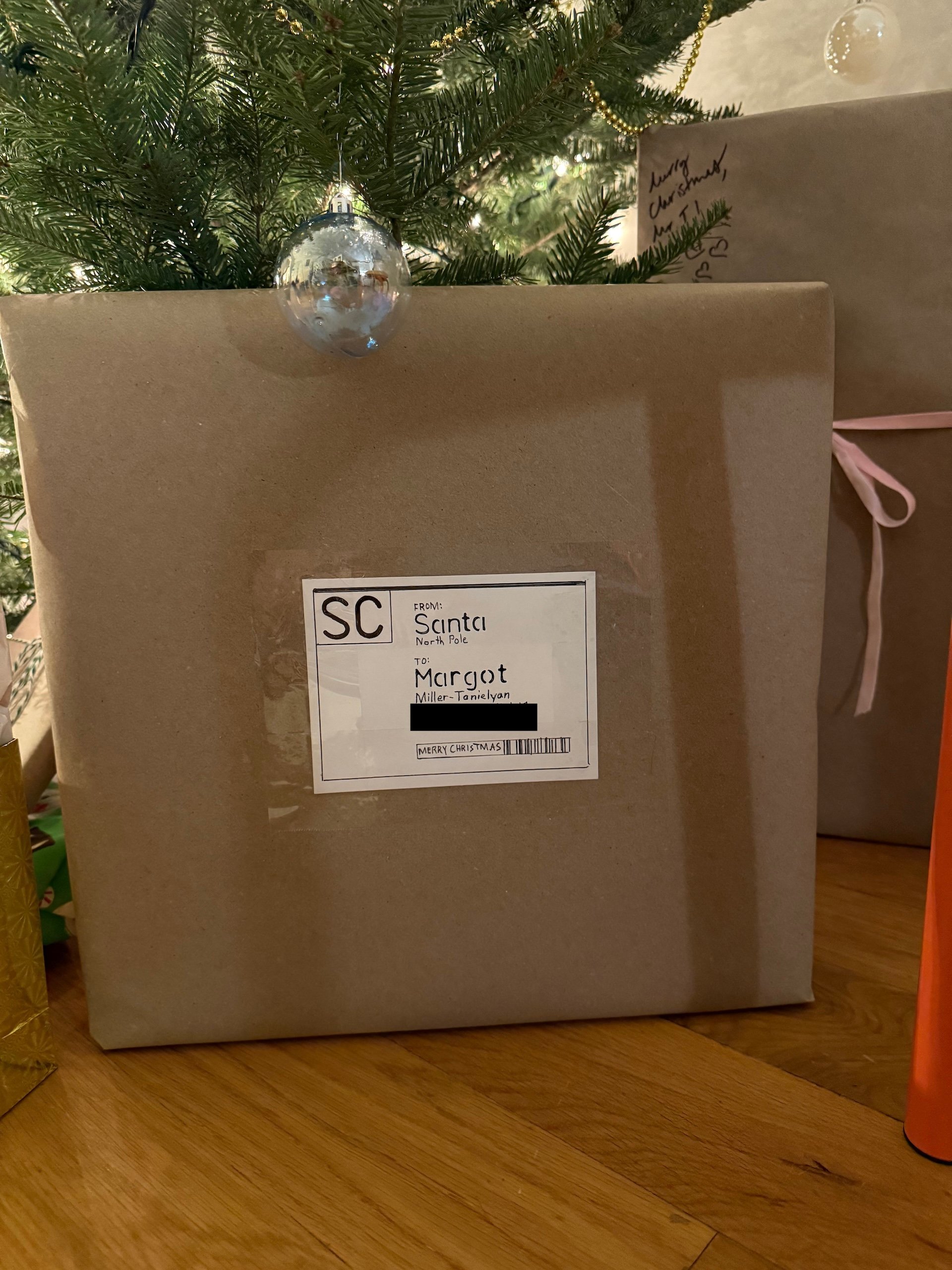
This framework suggests that while decoration can be a form of festivity if approached with a celebratory spirit, it is not a requirement for it. The "magic" of the season is more likely to be found in messy, unscripted moments—such as a toddler "helping" to decorate a tree or a parent hand-drawing a mailing label from the "North Pole"—than in a professionally styled interior.

Chronology of Seasonal Stress and Resolution
The typical timeline of decoration guilt follows a predictable pattern, beginning in late November and peaking in mid-December.
- Late November: The "Comparison Phase" begins as early decorators post images online or illuminate their homes.
- Early December: The "Acquisition Phase" involves the high-stress purchase of a tree and greenery, often leading to financial strain.
- Mid-December: The "Labor Phase" characterized by DIY attempts and the maintenance of live botanical elements.
- December 24th-25th: The "Realization Phase" where the focus shifts from the environment to the interactions within it.
In many cases, the resolution of decoration guilt occurs when individuals acknowledge that their children or guests are unlikely to remember the specific quality of the decor. Instead, memories are formed around the "story" of the season—including the mishaps, such as the accidentally expensive tree or the burnt orange slices.
Broader Implications and Expert Analysis
Psychologists suggest that the shift toward "experiential" holidays may be a necessary correction to the burnout caused by holiday maximalism. Dr. Elena Rossi, a family therapist specializing in seasonal anxiety, notes that "the pressure to create a ‘perfect’ environment often strips the individual of the ability to actually enjoy the festivities they have worked so hard to prepare."
Furthermore, the environmental impact of the "decoration arms race" is receiving increased scrutiny. The demand for massive, short-lived fir trees and plastic-based ornaments contributes to significant seasonal waste. A shift toward "festivity over decoration" aligns with broader trends in sustainability and intentional living, encouraging families to reuse materials or focus on non-material celebrations.
Conclusion: Redefining the Holiday Value Proposition
As the holiday season continues to evolve in a hyper-connected world, the rejection of decoration guilt represents a significant shift in the domestic value proposition. By decoupling the emotional success of the holidays from the physical appearance of the home, individuals are reclaiming the "festive spirit" from the "decorative mandate."
The data and anecdotal evidence suggest that while twinkle lights and wreaths provide a pleasant backdrop, they are not the source of seasonal magic. The true value of the holiday lies in the "messy" reality of family life—the flour-covered kitchens, the off-key singing, and the communal viewing of films. As households move forward, the focus is likely to shift away from the $400 tree and toward the stories that are told beneath its branches, regardless of how perfectly the lights are strung.