

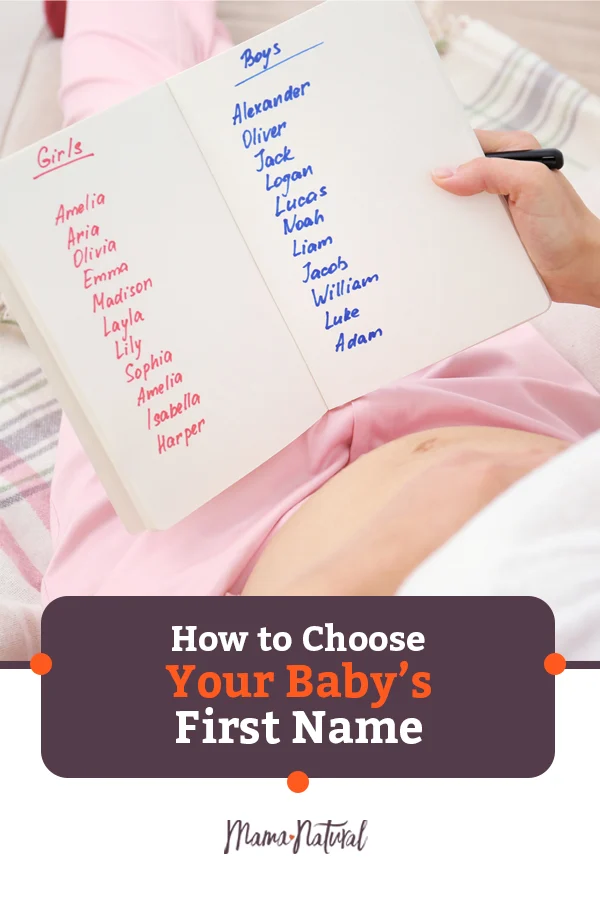
Selecting a child’s first name has evolved from a simple family tradition into a complex, high-stakes decision-making process that blends personal identity, cultural heritage, and linguistic aesthetics. As modern parents navigate an increasingly globalized world, the pressure to choose a name that is both unique and enduring has led to the rise of sophisticated digital tools and expert-led naming strategies. A name is widely regarded as a child’s first permanent gift, serving as a lifelong marker of identity that influences social perceptions, academic opportunities, and professional trajectories. To mitigate the stress associated with this milestone, child development experts and naming consultants emphasize a structured approach that prioritizes communication, research, and phonetic testing.
The Evolutionary Landscape of Modern Naming Trends
In recent decades, the methodology behind naming has shifted significantly. Data from the Social Security Administration (SSA) indicates a marked decline in the concentration of "top-tier" names. In the mid-20th century, the top ten names for boys and girls accounted for a substantial percentage of all births; today, that percentage has plummeted as parents seek greater individuality for their children. This "uniqueness imperative" has driven interest in diverse origins, vintage revivals, and nature-inspired monikers.
Digital resources have become central to this evolution. Platforms such as the Mama Natural baby name finder provide parents with filtered databases that allow for searches based on gender, syllable count, and etymological roots. These tools reflect a broader societal trend toward data-driven decision-making in parenting. By utilizing "Surprise Me" features or popularity trackers, parents can balance the desire for a trendy name with the risk of "name saturation" in future classrooms.
A Chronological Framework for the Naming Process
The naming process rarely occurs in a vacuum and often follows a distinct timeline synchronized with the stages of pregnancy. Understanding this chronology can help expectant parents manage the psychological weight of the decision.
The First Trimester: Conceptualization and Foundation
During the initial months of pregnancy, parents typically focus on "Wants and Needs." This foundational stage involves establishing boundaries. Couples must decide if they prefer traditional or modern styles, whether they wish to honor specific family members, and if religious or cultural significance is a priority. Establishing these parameters early prevents "decision fatigue" later in the process.
The Second Trimester: Exploration and Expansion
As the pregnancy progresses, the search often expands to include diverse inspirations. This period is characterized by the exploration of biblical names, unique international origins, and popular cultural influences. Parents often look to literature, film, and history to find names that resonate with their personal values. It is also the stage where "stepping outside the box" becomes common, as parents compare modern favorites like Kenzie or Paisley against vintage classics such as Sadie or Minnie.
The Third Trimester: Testing and Refinement
In the final months, the focus shifts to practical application. This involves narrowing down a shortlist of contenders and subjecting them to "real-world" tests. These exercises include the "Holler Test"—shouting the name to see how it carries—and the "Oatmeal Test," which involves saying the name repeatedly in a mundane, everyday context to ensure it maintains its appeal over time.
The Linguistic and Phonetic Architecture of a Name
A critical but often overlooked aspect of naming is the phonetic relationship between the first name and the surname. Journalistic analysis of naming patterns suggests that the rhythm of a full name can impact its memorability and ease of pronunciation. Parents are encouraged to consider the "syllabic flow." For example, a short, one-syllable first name often pairs well with a longer, multi-syllable surname, creating a balanced cadence.
Furthermore, the "initials check" is a vital step in the architectural phase. Parents must ensure that the combination of first, middle, and last initials does not inadvertently form an embarrassing or inappropriate acronym. Additionally, checking for unintended rhyming or repetitive sounds between the first and last name is essential for ensuring the name remains professional and clear.

Etymological Significance and the Power of Meaning
The meaning behind a name—its etymology—often serves as the deciding factor for parents torn between two choices. In an era where "character-based naming" is gaining traction, parents frequently seek names that embody specific virtues or traits. For instance, those desiring a name that denotes strength might move past obvious choices like Valor in favor of Ethan, which carries the meaning of "enduring and strong."
For parents of multiples or those seeking a name that reflects a child’s perceived personality in the womb, meanings offer a deeper layer of connection. Names like Vida or Eva, signifying "life," or Salma and Arina, signifying "peace," provide a narrative framework for the child’s identity before they even enter the world. This focus on meaning adds a level of intentionality that transcends mere aesthetic preference.
Resolving Interpersonal Conflicts and Naming Feuds
The naming process is frequently a source of friction between partners, as it involves reconciling two distinct sets of tastes and family histories. Experts suggest that "naming feuds" should be approached as an exercise in compromise rather than a zero-sum game. When a stalemate occurs, several conflict-resolution strategies are recommended:
- The Middle Name Compromise: If one partner is adamant about a name that the other finds too bold, utilizing it as a middle name can satisfy both parties.
- The "Veto List" Method: Each partner creates a list of names they find unacceptable, narrowing the field to a "safe zone" of mutually agreeable options.
- The Tournament Bracket: Parents can use a bracket system to "pitting" names against each other until a winner emerges.
- The "Meeting" Rule: Some couples agree to wait until the birth to see if the child’s appearance or temperament "fits" one of the final contenders.
These methods emphasize that the final choice should be a collaborative effort, fostering a sense of shared ownership over the child’s identity.
Privacy, Public Reveal, and Social Implications
The decision of when and how to reveal a baby’s name has become a significant social milestone, often involving elaborate "reveal" events or social media announcements. However, a growing trend toward "naming privacy" suggests that many parents are choosing to keep their selection confidential until the birth. This strategy protects the parents from unsolicited opinions or negative feedback from friends and family, which can lead to "name regret" or second-guessing.
If parents face external pressure to disclose their choice, experts suggest setting firm boundaries. Shrugging off inquiries with a polite "we’re waiting to meet the baby" allows parents to maintain the intimacy of the process. This privacy is particularly important in an age where online scrutiny can be intense, and names are often subject to public debate before the child is even born.
The Broader Impact: Naming as a Socioeconomic Factor
Beyond the personal and emotional aspects, naming has documented socioeconomic implications. Sociological studies have shown that names can influence teacher expectations in schools and resume screening in professional environments. While the "uniqueness" trend continues to grow, there is an ongoing debate regarding the balance between a name that stands out and one that conforms to professional norms.
The resurgence of "classic" and "vintage" names is partly a response to this dynamic. Names that were popular a century ago often carry a sense of established authority while still feeling fresh to modern ears. By choosing a name with a proven track record, parents may feel they are providing their child with a more versatile identity that can adapt to various social and professional contexts.
Conclusion: The Enduring Significance of the Choice
Ultimately, the process of choosing a baby name is a reflection of a family’s values, hopes, and cultural identity. While the pressure to find the "perfect" name can be daunting, the availability of comprehensive databases and structured testing methods provides a roadmap for success. Whether a name is chosen months in advance or in the moments following delivery, its significance remains the same: it is the primary vessel for a child’s story. By balancing inspiration with practical testing and prioritizing mutual agreement, parents can ensure that the name they provide will serve as a source of pride and strength for their child throughout their life. The bottom line for any parent is to enjoy the exploration, utilize the available tools, and trust the intuition that develops throughout the journey of pregnancy.
