

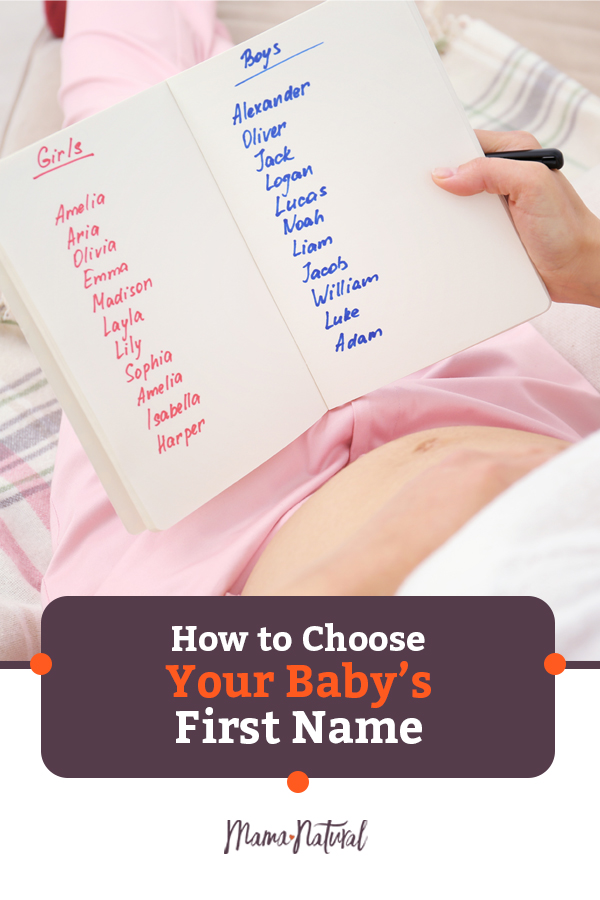
The process of selecting a first name for a child represents one of the earliest and most significant decisions parents undertake, serving as a foundational element of an individual’s identity, legal standing, and social trajectory. While often viewed through the lens of personal preference or familial tradition, the act of naming has evolved into a complex intersection of cultural trends, linguistic aesthetics, and psychological considerations. As modern parents navigate an increasingly globalized world, the criteria for a "perfect" name have expanded to include uniqueness, phonetic harmony, and etymological depth. This comprehensive analysis explores the multifaceted strategies utilized by parents to finalize a name that is both distinctive and enduring.
The Sociological and Historical Context of Naming Conventions
To understand the current landscape of baby naming, one must look at the historical shift from traditionalism to individualism. For centuries, naming conventions in Western societies were largely dictated by religious calendars or the preservation of ancestral lineages. Data from the Social Security Administration (SSA) in the United States indicates that for much of the early 20th century, a small cluster of names—such as John, Mary, James, and Patricia—dominated the charts, representing a significant percentage of the total population.
However, the late 20th and early 21st centuries have seen a sharp decline in name concentration. Sociologists attribute this to the "individualism movement," where parents prioritize a child’s uniqueness over their assimilation into a group. In the current era, names like Liam and Olivia may top the charts, but they represent a much smaller fraction of the overall birth population than the top names of the 1950s. This shift necessitates a more rigorous selection process, as parents seek to balance the desire for a recognizable name with the urge to avoid over-saturation in classrooms and social circles.
Establishing a Strategic Framework: Wants and Needs
The initial phase of selecting a first name involves the establishment of a foundational criteria list between partners. Experts in family dynamics suggest that a structured discussion regarding expectations can mitigate future conflicts. This framework typically includes several key variables:
- Popularity Thresholds: Determining whether the goal is a "Top 10" name or one that sits outside the Top 1000.
- Cultural and Religious Heritage: Deciding whether the name should reflect specific ethnic origins or honor religious traditions.
- Stylistic Preferences: Identifying leanings toward modern, vintage, gender-neutral, or classical names.
- Family Honorifics: Establishing if the name will serve as a tribute to a living or deceased relative.
By aligning on these parameters early in the pregnancy, parents create a "naming filter" that allows them to discard unsuitable options efficiently, thereby reducing the psychological burden of choice overload.
The Chronology of Name Selection: A Nine-Month Roadmap
The naming process often follows a chronological progression synchronized with the stages of pregnancy. Understanding this timeline allows parents to pace their decision-making without undue pressure.
The First Trimester: Preliminary Brainstorming
During the initial months, the focus is generally on "blue-sky" thinking. Parents often utilize digital databases, name-finding tools, and random generators to expose themselves to a wide variety of sounds and origins. This stage is characterized by high volume and low commitment, where the goal is simply to identify "vibes" or linguistic patterns that resonate.
The Second Trimester: Narrowing the Field
Once the biological sex of the baby is known (should the parents choose to find out), the list is typically halved. This is the period where etymology—the study of name meanings—becomes paramount. Parents begin to investigate the roots of names, seeking qualities like "strength," "wisdom," or "peace." It is also the time when the "Surprise Me" features of naming apps are replaced by targeted searches based on specific letters or syllables.
The Third Trimester: Practical Testing and Finalization
In the final months, the focus shifts to the "real-world" application of the name. This involves testing the name’s compatibility with the surname and its longevity across different life stages. The decision-making process often culminates in a "shortlist" of two to three contenders, with the final choice sometimes reserved for the moment of birth.

Linguistic Harmony and the Importance of Phonetics
A critical, often overlooked aspect of naming is the phonetic interplay between the first name and the surname. Onomasticians—experts who study names—point to several linguistic rules that contribute to a "successful" name:
- Syllabic Balance: A long first name (e.g., Alexander) often pairs well with a short surname (e.g., Smith), creating a rhythmic cadence. Conversely, two short names can sound abrupt, while two very long names can be cumbersome.
- Alliteration and Assonance: While some parents enjoy the melodic quality of alliteration (e.g., Brooks Bennett), others find it too repetitive. Professional advice often suggests avoiding names where the first name ends with the same letter the surname begins with (e.g., Thomas Smith), as the sounds tend to blur together in speech.
- The "Initials" Check: A vital practical step is ensuring the initials do not inadvertently form an acronym or word that could lead to social embarrassment for the child in the future.
Beyond the Traditional: Exploring Global and Vintage Origins
In the search for uniqueness, modern naming trends have seen a resurgence in two distinct areas: vintage revivals and global cross-pollination. The "100-Year Rule" is a phenomenon noted by trend analysts where names that were popular a century ago—and subsequently fell out of favor—become fashionable again as they lose their "grandparent" association and gain a "vintage-chic" appeal. Names such as Sadie, Minnie, and Arthur are prime examples of this cycle.
Furthermore, globalization has encouraged parents to look beyond their own linguistic borders. A parent might find the name Lily too common but find the Polynesian Leilani, meaning "heavenly flower," to be a sophisticated alternative. This cross-cultural exploration allows for names that feel fresh and modern while remaining grounded in deep-seated meanings.
Data-Driven Decision Making: The Impact of Meaning
Psychological studies into "nominative determinism" suggest that a person’s name may have a subtle influence on their life choices and personality. While the extent of this impact is debated, many parents take the meaning of a name seriously. A name that translates to "enduring" or "strong," such as Ethan, provides a different perceived foundation than a name meaning "gentle" or "calm," such as Arina.
For parents of multiples, such as twins, meanings often serve as a cohesive thread. Choosing names that share a theme—such as "life" (Vida and Eva) or "light" (Lucian and Phoebe)—can create a symbolic bond between siblings without relying on matching first letters, which is a trend currently declining in popularity.
Resolving Interpersonal Conflict and "Name Feuds"
The selection of a name is rarely a solitary endeavor, and disagreements between partners are common. These "name feuds" often arise when one partner favors traditionalism while the other prefers modernism. Conflict resolution strategies in this context include:
- The "Veto" System: Each partner is given a set number of absolute vetos to eliminate names they find intolerable.
- The Middle Name Compromise: Using a favored but contested name in the middle position rather than as the primary identifier.
- The "Coffee Shop Test": Ordering a drink using the contested name to see how it feels to hear it called out in a public, low-stakes environment.
- The "Resume Test": Imagining the name at the top of a professional resume to ensure it carries the desired weight and credibility.
Broader Implications: Privacy, Disclosure, and Social Perception
Once a name is selected, parents face the final hurdle: whether to reveal it before the birth. This decision has shifted from a matter of etiquette to a strategic choice regarding social boundaries. Proponents of keeping the name private argue that it prevents unsolicited opinions and "name stealing" within social circles. Conversely, those who reveal the name early often do so to begin the bonding process and integrate the child into the family’s daily vocabulary.
From a broader perspective, the name a child carries will interact with societal biases. Research into "name-based discrimination" has shown that names can carry connotations of socioeconomic status or ethnicity that impact everything from school grading to job interviews. While this is an unfortunate reality of social psychology, many modern parents are countering these biases by choosing names that are "global" or "racially ambiguous" to provide their children with a more flexible identity in a diverse world.
Conclusion: The Enduring Legacy of the First Gift
Ultimately, the selection of a baby’s first name is an exercise in balancing the subjective with the objective. It is the first and most permanent gift a parent bestows upon a child. By utilizing structured lists, exploring diverse origins, and considering the phonetic and psychological implications of their choice, parents can navigate the pressure of the decision with confidence. Whether a name is chosen for its popularity, its meaning, or its unique sound, the process reflects a deep-seated desire to provide the next generation with a distinct place in the world. As naming trends continue to evolve with technology and global shifts, the core objective remains the same: to find a name that will serve the individual well from the playground to the boardroom and beyond.