


Coping with infertility stands as one of the most profoundly distressing life crises for countless couples worldwide, a challenging journey often marked by deep feelings of loss, anxiety, and profound uncertainty. The inability to conceive, despite consistent efforts, can precipitate a cascade of emotional, psychological, and even financial burdens, impacting individuals and relationships at their core. Recognizing this complex struggle is the first step toward navigating the often arduous path to parenthood or finding peace with alternative family-building options.

The Global Landscape of Infertility: A Growing Concern
Infertility is a medical condition defined as the inability to achieve pregnancy after 12 months or more of regular, unprotected sexual intercourse. For women aged 35 and older, this timeframe is typically reduced to 6 months due to age-related declines in fertility. Globally, infertility affects a significant portion of the population, with estimates from the World Health Organization (WHO) suggesting that approximately 1 in 6 people experience infertility in their lifetime. In the United States, this translates to roughly 15% of couples struggling with conception, a figure that has remained relatively stable but whose impact is increasingly recognized due to advanced diagnostic tools and treatment options. The perception of infertility has evolved from a historically female-centric issue to one acknowledged as affecting both men and women almost equally, with male factor infertility contributing to about 30-40% of cases, female factor infertility accounting for another 40-50%, and combined or unexplained factors making up the remainder.

When to Seek Professional Guidance: A Timeline for Intervention
The decision to seek professional help is often fraught with emotional hesitation. However, medical guidelines provide clear benchmarks. For couples under 35, consulting a healthcare provider after one year of trying to conceive is recommended. For women over 35, due to the natural decline in egg quality and quantity with age, seeking an evaluation after six months is advisable. Furthermore, immediate consultation is warranted if there are known risk factors, such as irregular or absent menstrual periods, a history of pelvic inflammatory disease (PID), endometriosis, prior abdominal or pelvic surgery, or a male partner with known fertility issues. Early intervention can often lead to more effective and less invasive treatment strategies.

The Diagnostic Journey: Unraveling the Causes of Infertility
A comprehensive infertility evaluation is crucial for identifying underlying causes and formulating an appropriate treatment plan. This process typically involves a series of tests for both partners, reflecting the shared nature of the challenge.

For Women:
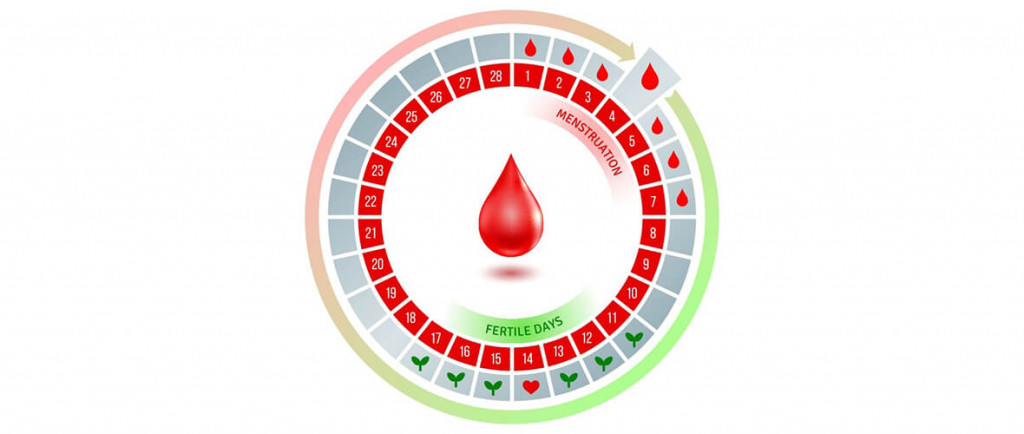
- Ovulation Assessment: Blood tests measure hormone levels (e.g., FSH, LH, estradiol, progesterone, prolactin, thyroid hormones) to confirm ovulation and assess ovarian reserve. Basal body temperature (BBT) charting and ovulation predictor kits (OPKs) can also provide preliminary insights.
- Ovarian Reserve Testing: Anti-Müllerian Hormone (AMH) levels and antral follicle count (AFC) via transvaginal ultrasound help estimate the remaining egg supply, a critical factor, especially for older women.
- Uterine and Fallopian Tube Evaluation:
- Hysterosalpingography (HSG): An X-ray procedure using dye to visualize the uterus and fallopian tubes, checking for blockages or structural abnormalities.
- Sonohysterography (Saline Infusion Sonography – SIS): An ultrasound procedure where saline is infused into the uterus to enhance visualization of the uterine cavity for polyps, fibroids, or other anomalies.
- Hysteroscopy: A procedure where a thin, lighted telescope is inserted through the cervix into the uterus to directly visualize and, if necessary, correct uterine issues.
- Laparoscopy: A minimally invasive surgical procedure that allows direct visualization of the reproductive organs outside the uterus (ovaries, fallopian tubes, outer surface of the uterus) to diagnose and treat conditions like endometriosis, adhesions, or fibroids.
- Genetic Screening: For some couples, genetic testing may be recommended to identify chromosomal abnormalities or genetic conditions that could impact fertility or be passed to offspring.
For Men:

- Semen Analysis: This fundamental test evaluates sperm count, motility (movement), and morphology (shape). It also checks semen volume, pH, and presence of white blood cells. Abnormal results often warrant repeat testing and further investigation.
- Hormone Testing: Blood tests can measure testosterone, FSH, LH, and prolactin levels, as hormonal imbalances can affect sperm production.
- Genetic Testing: Karyotyping or Y-chromosome microdeletion testing may be performed if severe sperm abnormalities are found, or if there’s a history of recurrent pregnancy loss.
- Testicular Biopsy: In rare cases of azoospermia (absence of sperm in ejaculate), a biopsy may be performed to determine if sperm are being produced in the testes.
Unexplained Infertility: A Persistent Enigma
Despite thorough evaluations, approximately 10-20% of infertility cases are classified as "unexplained." This diagnosis can be particularly frustrating for couples, as it offers no clear target for treatment. However, even in these instances, empirical treatments such as ovulation induction with IUI or IVF often prove successful, suggesting that subtle factors not detectable by current diagnostics may be at play.
Advancements in Treatment: Paths to Parenthood

The field of reproductive medicine has seen remarkable advancements, offering a range of treatments tailored to specific causes of infertility.
1. Lifestyle Modifications and Medical Management:

- Optimizing Health: For both partners, maintaining a healthy weight, balanced diet, regular exercise, and avoiding smoking, excessive alcohol, and recreational drugs can significantly improve fertility outcomes.
- Ovulation Induction: Medications like clomiphene citrate (Clomid), letrozole (Femara), or injectable gonadotropins are used to stimulate egg production in women with ovulatory disorders. These are often combined with timed intercourse or Intrauterine Insemination (IUI).
2. Surgical Interventions:
- For Women: Procedures can correct uterine abnormalities (e.g., removal of fibroids or polyps), clear blocked fallopian tubes, or treat endometriosis.
- For Men: Varicocelectomy (repair of varicoceles, enlarged veins in the scrotum) can sometimes improve semen parameters, though its impact on natural conception rates is debated. Sperm retrieval procedures (e.g., TESE, TESA) are used for men with obstructive azoospermia to obtain sperm for IVF.
3. Assisted Reproductive Technologies (ART):

- Intrauterine Insemination (IUI): A procedure where specially prepared sperm are placed directly into the uterus around the time of ovulation. It is less invasive and less expensive than IVF, often used for mild male factor infertility, cervical factor infertility, or unexplained infertility. Success rates per cycle are typically in the range of 5-20%, depending on the woman’s age and diagnosis.
- In Vitro Fertilization (IVF): The most effective ART, IVF involves stimulating the ovaries to produce multiple eggs, retrieving the eggs, fertilizing them with sperm in a laboratory, and then transferring the resulting embryos into the uterus.
- Steps of IVF: Ovarian stimulation, egg retrieval, fertilization (conventional IVF or Intracytoplasmic Sperm Injection – ICSI for male factor infertility), embryo culture, and embryo transfer.
- Success Rates: IVF success rates vary significantly with the woman’s age, ranging from over 40% per cycle for women under 35 to less than 10% for women over 42.
- Preimplantation Genetic Testing (PGT): PGT-A (aneuploidy screening) can identify chromosomally normal embryos, potentially increasing implantation rates and reducing miscarriage risk, especially for older women.
- Third-Party Reproduction: When gametes (eggs or sperm) or a uterus are not viable, couples may explore:
- Donor Eggs: Used for women with diminished ovarian reserve, premature ovarian insufficiency, or genetic conditions.
- Donor Sperm: Used for male factor infertility, single women, or same-sex female couples.
- Gestational Surrogacy: An option for women who cannot carry a pregnancy to term due to uterine factors or other medical reasons. The gestational carrier carries the pregnancy using the intended parents’ (or donor) eggs and sperm.
The Emotional and Psychological Toll: Beyond the Physical Struggle
The journey through infertility is often described as an emotional rollercoaster. The "deep feelings of loss" mentioned in the initial article snippet encompass a multitude of griefs: the loss of control over one’s body and life plans, the loss of the idealized vision of conception and pregnancy, the monthly cycle of hope and despair, and often, the loss of privacy as intimate details become subject to medical scrutiny.
Couples frequently report experiencing heightened levels of stress, anxiety, and depression. The intense pressure to conceive, coupled with the financial strain and invasive medical procedures, can significantly impact mental health. Relationships can also be tested, with partners sometimes experiencing different emotional responses or struggling to communicate their feelings effectively. Social isolation is another common challenge, as many couples feel alienated from friends and family who are easily building their families. Support, therefore, is not merely helpful but essential. Therapy, both individual and couples counseling, can provide vital coping strategies and a safe space to process emotions. Patient advocacy groups and online forums offer communities where shared experiences foster understanding and reduce feelings of isolation.

Financial Burdens and Access to Care: A Significant Hurdle
The cost of infertility treatments is a major barrier for many. A single cycle of IVF can range from $12,000 to $25,000, not including the significant expense of medications, which can add thousands more. Diagnostic tests and less invasive treatments also accumulate costs.
Insurance coverage for infertility varies widely across the United States. While some states mandate coverage for infertility diagnosis and treatment, many do not, leaving couples to shoulder the entire financial burden. This disparity creates inequities in access to care, disproportionately affecting lower-income individuals and those in states without mandates. Financial planning, exploring grant programs, and considering shared-risk or multi-cycle IVF packages become critical components of the infertility journey.

The Indispensable Role of Support Organizations
Organizations like the American Pregnancy Association play a critical role in providing much-needed resources and support for individuals and couples navigating infertility. Their offerings, such as a free live helpline and chat services, provide immediate, confidential access to compassionate assistance. The "Pregnancy Questions Center" offers a wealth of information, demystifying complex medical terminology and guiding individuals through various stages of their journey. Critically, their "Pregnancy Journeys" initiative offers support that extends beyond conception, acknowledging that the path to parenthood is multifaceted and requires continuous guidance. These resources underscore the importance of leaning on loved ones and professional networks as individuals consider their future and make informed decisions. Other organizations like RESOLVE: The National Infertility Association also advocate for increased access to care and provide extensive educational and emotional support.

Broader Implications and Ethical Considerations
The increasing prevalence and visibility of infertility, coupled with advancements in ART, have broader societal implications. It challenges traditional notions of family formation and prompts discussions on the definition of parenthood. Ethical debates surrounding ART are ongoing, covering topics such as the disposition of unused embryos, the implications of preimplantation genetic testing, and the ethical considerations of third-party reproduction. As science advances, these discussions become more complex, necessitating thoughtful societal dialogue and clear regulatory frameworks. The demand for fertility preservation, especially among individuals facing cancer treatment or those wishing to delay childbearing, is also growing, adding another layer to reproductive healthcare.
Conclusion: A Journey of Resilience and Hope
Infertility is a medical diagnosis, not a personal failing, and it is a journey that millions embark upon with varying outcomes. While the struggles with conception can indeed cause deep feelings of loss to surface, the landscape of modern reproductive medicine offers more hope and options than ever before. From lifestyle adjustments and medications to advanced surgical techniques and sophisticated assisted reproductive technologies, numerous pathways exist to help individuals and couples achieve their dream of parenthood. Beyond the medical interventions, the profound importance of emotional resilience, open communication with partners and loved ones, and access to robust support networks cannot be overstated. Organizations like the American Pregnancy Association are beacons of hope, offering essential resources and reminding those facing this challenge that they are not alone. As research continues and public awareness grows, the journey through infertility, though often arduous, is increasingly paved with understanding, support, and the promise of a brighter future.
