


The profound journey toward parenthood, often envisioned with ease and natural progression, can become a deeply distressing and challenging ordeal for many couples. When conception efforts repeatedly fail, the question "Is it infertility?" looms large, signaling a potential life crisis that demands significant emotional, psychological, and often financial resilience. Infertility, defined medically as the inability to achieve pregnancy after 12 months of regular unprotected intercourse for women under 35, or after six months for women 35 and older, affects a substantial portion of the global population, transcending geographical and socioeconomic boundaries.

The silence surrounding infertility often compounds the suffering, leading couples to navigate this complex medical condition with feelings of isolation and inadequacy. However, understanding the prevalence, causes, diagnostic pathways, and available support systems is crucial for those grappling with this diagnosis. The American Pregnancy Association (APA) emphasizes that coping with the struggles of conception can evoke deep feelings of loss, underscoring the necessity of robust coping mechanisms and strong support networks as individuals and couples consider their future paths to family building.
The Scope of Infertility: A Global Challenge
Infertility is not an uncommon occurrence. According to the World Health Organization (WHO), it is estimated that 1 in 6 people worldwide experience infertility in their lifetime. In the United States, data from the Centers for Disease Control and Prevention (CDC) indicates that approximately 12% of women aged 15-44 have difficulty getting pregnant or carrying a pregnancy to term. Male factor infertility accounts for about one-third of cases, female factor infertility for another third, and a combination of factors or unexplained causes make up the remainder. These statistics highlight a pervasive public health issue that impacts millions, challenging assumptions about fertility and family formation.

The emotional weight of these statistics translates into personal anguish for countless individuals. Couples often embark on their reproductive journey with optimism, only to face a succession of disappointments with each failed attempt. This continuous cycle can erode self-esteem, strain marital relationships, and precipitate significant mental health challenges, including anxiety, depression, and grief. The societal pressure to conceive, coupled with the intimate nature of the struggle, often prevents open dialogue, further isolating those affected.
The Patient Journey: From Hope to Diagnosis
The timeline for diagnosing infertility typically begins after the aforementioned periods of unsuccessful conception. Initially, couples might attribute difficulties to stress, timing, or other minor factors, often trying various over-the-counter ovulation kits or fertility tracking apps. However, once the medical criteria for infertility are met, a more structured and comprehensive diagnostic process is initiated.

Initial Consultation and Assessment: The first step involves detailed medical histories for both partners, covering aspects like menstrual cycles, past pregnancies, sexually transmitted infections, surgical history, lifestyle habits (smoking, alcohol, diet, exercise), and family medical history. This is often followed by a physical examination for both individuals.
Female Fertility Evaluation: For women, the diagnostic battery typically includes:

- Blood Tests: To measure hormone levels such as Follicle-Stimulating Hormone (FSH), Luteinizing Hormone (LH), Estradiol, Progesterone (to confirm ovulation), Thyroid-Stimulating Hormone (TSH), and Anti-Müllerian Hormone (AMH), which provides an indication of ovarian reserve.
- Ovulation Tracking: More rigorous methods beyond at-home kits, potentially including basal body temperature charting or ultrasound monitoring.
- Hysterosalpingogram (HSG): An X-ray procedure to assess the patency of the fallopian tubes and the shape of the uterus.
- Transvaginal Ultrasound: To visualize the uterus and ovaries, checking for structural abnormalities like fibroids, polyps, or ovarian cysts, including those associated with Polycystic Ovary Syndrome (PCOS).
- Laparoscopy or Hysteroscopy: In some cases, minimally invasive surgical procedures may be required to directly visualize reproductive organs, diagnose conditions like endometriosis, or remove structural impediments.
Male Fertility Evaluation: For men, the primary diagnostic tool is:
- Semen Analysis: This crucial test evaluates sperm count, motility (movement), and morphology (shape). Abnormalities in any of these parameters can significantly impact fertility.
- Hormone Testing: Blood tests may be performed to check testosterone and other hormone levels if semen analysis results are abnormal or if there are clinical signs of hormonal imbalance.
- Genetic Testing: In cases of severe male factor infertility or recurrent miscarriage, genetic testing may be recommended.
- Ultrasound: To examine the testicles or prostate for structural issues.
This diagnostic phase can be lengthy and emotionally taxing, often involving multiple appointments, tests, and waiting periods, each carrying the potential for further disappointment.

Navigating Treatment Options and Advances in Reproductive Medicine
Once a diagnosis is established, couples are presented with a range of treatment options, varying in invasiveness, cost, and success rates. These options are tailored to the specific cause of infertility and the couple’s individual circumstances.
Lifestyle Modifications: For some, simpler interventions like dietary changes, weight management, stress reduction, and avoiding harmful substances can improve fertility outcomes, particularly in cases linked to conditions like PCOS or mild male factor issues.

Medication: Ovulation-inducing drugs, such as Clomiphene Citrate or Letrozole, are commonly prescribed for women with ovulatory dysfunction. Other medications may be used to address hormonal imbalances in either partner.
Intrauterine Insemination (IUI): This procedure involves placing specially prepared sperm directly into the uterus around the time of ovulation. IUI is less invasive and less expensive than IVF and is often a first-line treatment for unexplained infertility, mild male factor infertility, or cervical factor infertility.

In Vitro Fertilization (IVF): IVF is one of the most effective assisted reproductive technologies (ART). It involves stimulating the ovaries to produce multiple eggs, retrieving them, fertilizing them with sperm in a laboratory, and then transferring the resulting embryos into the uterus. IVF can address a wide array of infertility causes, including blocked fallopian tubes, severe male factor infertility, endometriosis, and unexplained infertility. Advances in IVF, such as preimplantation genetic testing (PGT) and cryopreservation of eggs and embryos, have significantly improved success rates and expanded options for family planning.
Third-Party Reproduction: For couples facing more complex challenges, options like donor eggs, donor sperm, or gestational surrogacy may be considered. These pathways offer hope for parenthood when conventional treatments are unsuccessful or not medically viable.

The journey through infertility treatment is often characterized by a series of choices, each with its own set of emotional, ethical, and financial considerations. The financial burden can be substantial, as many treatments are not fully covered by insurance, leading to out-of-pocket expenses that can range from thousands to tens of thousands of dollars per cycle. This financial strain adds another layer of stress to an already challenging situation.
The Profound Emotional and Psychological Landscape
The emotional impact of infertility cannot be overstated. Couples often experience a roller coaster of emotions, including shock, denial, anger, sadness, guilt, and profound grief. The recurring disappointment of failed cycles or negative pregnancy tests can lead to chronic stress, anxiety, and clinical depression. Relationships can be strained by the intense emotional demands, differing coping styles between partners, and the pressure to maintain intimacy on a schedule.
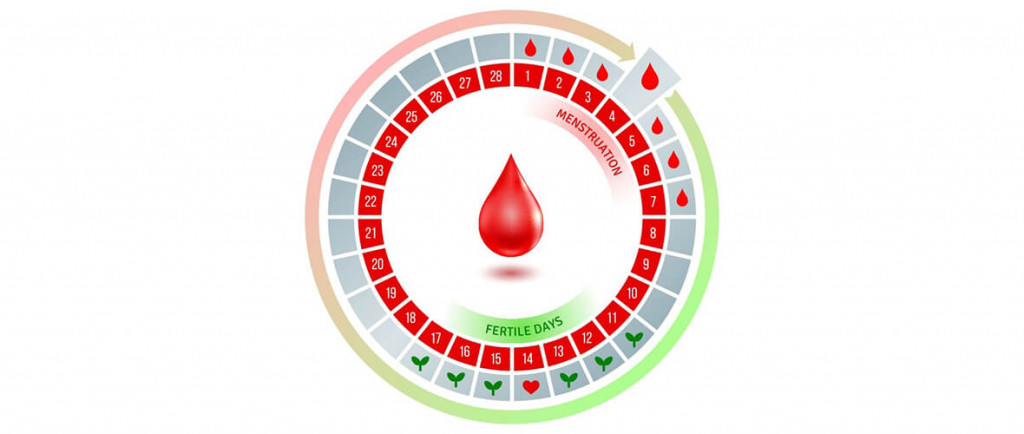
Individuals may also grapple with feelings of inadequacy or a sense of failure, particularly in societies where parenthood is deeply intertwined with identity and societal expectations. The grief experienced is often akin to grieving a living loss – the loss of a dreamed-for future, the loss of biological parenthood, and the loss of a perceived "normal" family trajectory. Support from loved ones, while well-intentioned, can sometimes feel inadequate or even hurtful if not delivered with sensitivity and understanding.
Recognizing the immense psychological toll, mental health support has become an integral part of infertility care. Counseling, support groups, and therapy can provide essential tools for coping, processing emotions, and maintaining relational health throughout the infertility journey. Organizations like the APA offer resources such as free helplines and chat services, emphasizing that "You’re Never Alone on Your Journey."

Broader Implications and Societal Response
The widespread prevalence of infertility has significant broader implications. It challenges healthcare systems to provide accessible, affordable, and high-quality reproductive care. There is an ongoing debate about insurance mandates for infertility treatment, with only a limited number of states requiring comprehensive coverage. Lack of coverage disproportionately affects lower-income individuals and minority groups, exacerbating existing health disparities.
Furthermore, infertility has spurred remarkable advancements in reproductive science and technology. Research continues to unravel the complexities of human reproduction, leading to innovative diagnostic tools and more effective treatments. These scientific breakthroughs not only offer hope to infertile couples but also contribute to a deeper understanding of human biology.

Societally, infertility encourages a re-evaluation of what constitutes a family. As more couples explore adoption, foster care, or third-party reproduction, the definition of family expands beyond biological ties, embracing diverse paths to parenthood. This shift fosters a more inclusive understanding of family structures and acknowledges the profound desire for children that transcends biological origins.
The conversation around infertility is slowly gaining momentum, breaking down historical stigmas. Public figures sharing their own experiences have contributed to normalizing the discussion, making it easier for individuals to seek help and find support. This increased openness is vital for ensuring that those affected receive the empathy, understanding, and resources they need.

Strategies for Coping and Moving Forward
For couples facing the diagnosis of infertility, adopting proactive coping strategies is paramount.
- Seek Professional Support: Engaging with fertility counselors, psychologists specializing in reproductive health, or therapists can provide a safe space to process emotions, develop coping skills, and manage stress.
- Join Support Groups: Connecting with others who share similar experiences can combat feelings of isolation, validate emotions, and offer practical advice and emotional camaraderie.
- Prioritize Couple Communication: Open and honest communication between partners is crucial for navigating the emotional highs and lows, ensuring mutual understanding and support. It is important to acknowledge that each partner may cope differently.
- Practice Self-Care: Integrating activities that promote well-being, such as mindfulness, exercise, hobbies, or spending time in nature, can help manage stress and maintain mental health.
- Educate Yourself: Understanding the medical aspects of infertility, treatment options, and success rates can empower individuals to make informed decisions and reduce anxiety stemming from the unknown.
- Set Boundaries: Learning to say no to social events that might be emotionally triggering (e.g., baby showers, children’s parties) or limiting conversations about pregnancy with well-meaning but insensitive individuals can protect emotional well-being.
- Explore All Paths to Parenthood: While biological parenthood may be the initial desire, exploring options like adoption, foster care, or child-free living can help couples redefine their vision of family and find fulfillment.
In conclusion, infertility is far more than a medical diagnosis; it is a complex life experience fraught with emotional pain, societal pressures, and intricate decisions. While the journey can be distressing, the advancements in reproductive medicine, coupled with growing awareness and robust support systems, offer hope and pathways for many. The American Pregnancy Association, through its various resources, continues to underscore the critical message: no one should face this journey alone. By fostering understanding, empathy, and accessible support, society can better assist those navigating the profound challenges of infertility, enabling them to find their own meaningful paths to family and fulfillment. This evidence-based article, maintained and verified by the APA Content Validation Team, reflects the most current understanding as of its last revision on February 20, 2026.
