

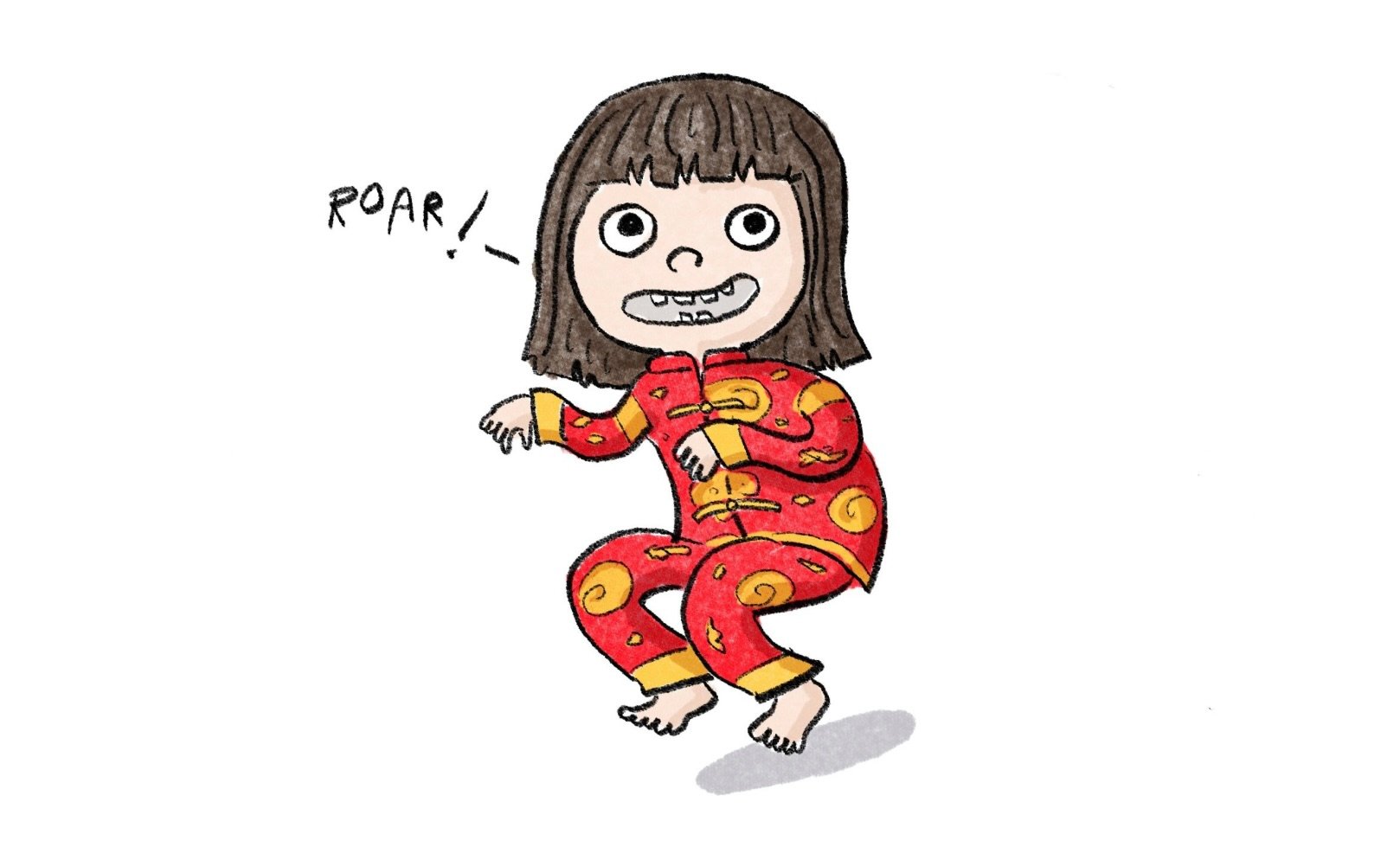
The publication of a new illustrated essay by acclaimed author and artist Ruth Chan has ignited a profound wave of communal reflection as the global community transitions into the Year of the Horse in 2026. Released in mid-February via the influential lifestyle platform Cup of Jo, the work explores the intricate intersections of traditional Lunar New Year celebrations, the personal weight of familial grief, and the resilience required to navigate "hard things" through collective support. The piece, which features Chan’s signature emotive illustration style, has resonated deeply with a diverse audience, highlighting a growing demand for storytelling that balances cultural specificity with universal human experiences.
The Narrative Core: The Little Lion and the Year of the Horse
At the center of Chan’s latest work is the metaphor of the "little lion," a reference to the traditional Lion Dance performed during Lunar New Year to usher in good fortune and drive away evil spirits. However, Chan’s interpretation transcends the festive surface, utilizing the imagery to represent the internal strength of individuals facing personal tragedies. The essay specifically addresses the duality of the 2025–2026 transition—a period many readers identified as a time of significant "repair and rebuilding" following a challenging Year of the Snake.
The narrative arc of the piece focuses on the juxtaposition of life’s milestones: the mourning of a father’s passing and the simultaneous arrival of a new generation. This theme of "bittersweet" existence has struck a chord with a demographic grappling with the complexities of the post-pandemic era and the ongoing socio-political shifts of the mid-2020s. By detailing specific, lived experiences, Chan has successfully utilized the "relatable specificity" often cited by creative writing experts as the key to fostering deep audience connection.
Chronology of Engagement and Publication
The release of the illustration followed a strategic timeline designed to coincide with the peak of Lunar New Year festivities, which began in late January 2026.
- February 13, 2026: The essay is published on Cup of Jo, moderated by Joanna Goddard. Within hours, the platform sees a surge in traffic, with hundreds of readers sharing personal anecdotes of loss and recovery.
- February 14–15, 2026: The piece goes viral within the Asian American and Pacific Islander (AAPI) community and literary circles. Readers highlight a specific illustration referencing "Yu and Me Books," a landmark independent bookstore in New York City’s Chinatown, symbolizing the resilience of small businesses and cultural hubs.
- February 16–24, 2026: The conversation expands to include broader discussions on mental health, the importance of "crying in public," and the role of digital spaces in providing emotional sanctuary.
As of late February, the engagement metrics continue to climb, with the work being cited as a pivotal moment in 2026’s cultural calendar, particularly for its ability to bridge subcultural divides through the "universal thread" of humanity.
Supporting Data: The Cultural and Psychological Context
The overwhelming response to Chan’s work is supported by broader trends in consumer behavior and psychological studies regarding art-based healing. According to data from the 2025 Global Wellness Institute report, there has been a 22% increase in the consumption of "vulnerability-led" content, where creators prioritize authentic emotional disclosure over curated aesthetics.
Furthermore, the Year of the Horse in the Chinese Zodiac is traditionally associated with energy, independence, and rapid movement. Astrological analysts note that the transition from the "introspective and sometimes shedding" nature of the Snake year to the "galloping" momentum of the Horse year often creates a psychological vacuum that individuals fill with a desire for community and forward-looking hope. Chan’s work effectively tapped into this cyclical sentiment, providing a visual and linguistic vocabulary for this transition.
In the context of the AAPI community, the inclusion of "Yu and Me Books" in the illustration serves as a powerful nod to the bookstore’s own history of survival—having famously recovered from a devastating fire in 2023. This inclusion reinforces the theme of "rebuilding from ashes," which has become a cornerstone of the AAPI narrative in the mid-2020s.
Community Reactions and Public Discourse
The public response has been characterized by high levels of emotional transparency. Readers have utilized the comment sections of the publication not merely for praise, but as a forum for shared mourning and celebration.
One reader, identifying as a new mother, noted: "I lost my father and welcomed my little girl in the same year. This resonates so much." Another participant emphasized the political dimension of the art, critiquing segments of society that "balk at listening to memories and experiences that aren’t part of their subculture," asserting that Chan’s work serves as a necessary bridge in a polarized social landscape.
The mention of the "little lion" has also sparked a trend of "Lion Roars," where individuals share their small victories over adversity. This grassroots movement underscores the power of illustration to catalyze tangible social interaction. Additionally, fans of Chan’s previous works, such as the critically acclaimed Uprooted, have pointed to this latest piece as an evolution of her commitment to exploring the "tender themes" of childhood and heritage.
Fact-Based Analysis of Implications
The success of Ruth Chan’s Lunar New Year essay suggests several key shifts in the media and arts landscape of 2026:
1. The Rise of "Micro-Cultural" Storytelling
The widespread appeal of a story rooted in specific Chinese-American traditions confirms that audiences are increasingly seeking "micro-cultural" depth rather than "macro-generic" content. By focusing on the nuances of the Lunar New Year—such as the Festival of the Kitchen God and the preparation of dumplings—Chan provides an entry point for outsiders to appreciate the culture while providing a mirror for those within it.
2. Digital Platforms as Emotional Infrastructure
Platforms like Cup of Jo are evolving beyond lifestyle blogs into "emotional infrastructure." The moderated, safe-space environment allowed for a level of discourse—ranging from discussions on BTS albums to the "dark depths of hot lava" representing a bad year—that is rarely found on more volatile social media networks.
3. The Therapeutic Value of Visual Narratives
The visceral reaction of readers—many of whom reported "bursting into tears" or "sobbing"—indicates that visual narratives are becoming a primary tool for processing collective trauma. In an era dominated by AI-generated imagery, the hand-drawn, personal touch of an artist like Chan carries a premium of authenticity that resonates on a biological level with the human brain’s empathy centers.
Broader Impact on the Literary and Art Market
Industry experts predict that the success of this piece will further solidify Ruth Chan’s position as a leading voice in contemporary illustration. It is expected that major publishers will see an increased interest in graphic memoirs and illustrated essays that tackle "heavy" subjects through a lens of cultural celebration.
The Year of the Horse is off to a significant start, with Chan’s work serving as a lighthouse for those navigating the complexities of the modern era. As the "little lions" of the world continue to roar, the message remains clear: the path to healing is paved with the stories we tell together. The 2026 Lunar New Year has proven that while grief is an individual burden, resilience is a communal achievement, mediated by the artists who dare to share their "heart-rending" truths with the world.
Looking ahead, the momentum generated by this publication is likely to influence upcoming spring literary festivals and AAPI Heritage Month programming in May. For now, the "vibe" for 2026, as one reader eloquently put it, is a "gooooooood ride," fueled by the strength of the horse and the courage of the lion.