

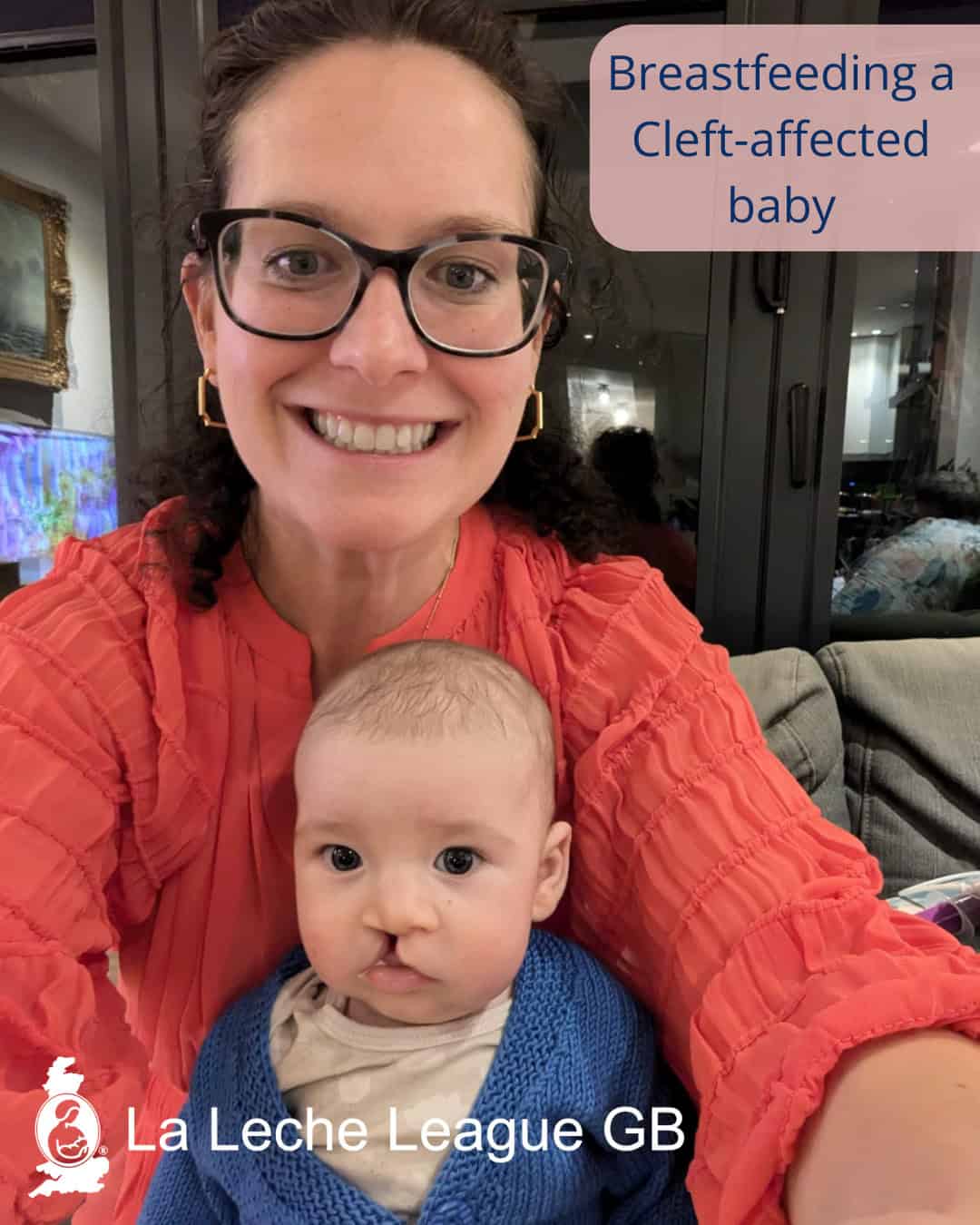
The journey of new parenthood is often filled with unforeseen challenges, but for Sarah Muir-Little, the diagnosis of a cleft lip and palate for her unborn son, Russell, presented a profound and unexpected obstacle to her deeply held desire to breastfeed. This narrative explores how Muir-Little navigated conflicting medical advice, innovated feeding techniques, and ultimately succeeded in establishing a unique breastfeeding relationship with her son, offering a powerful testament to parental determination and the potential for personalized care in complex medical situations.
Understanding Cleft Lip and Palate: A Medical Overview
Cleft lip and palate are among the most common birth differences, affecting approximately 1 in 700 babies globally. This condition occurs when the structures forming a baby’s upper lip or the roof of the mouth (palate) do not fully fuse during early fetal development. The severity can vary, ranging from a small notch in the lip to a complete separation extending into the nose and palate.
From a medical perspective, the primary concern for infants with cleft lip and palate immediately after birth often revolves around feeding. While babies with an isolated cleft lip may be able to breastfeed with some adaptations, those with a cleft palate face a significant hurdle: the inability to create the necessary suction pressure to extract milk from the breast. This is due to the opening in the roof of the mouth, which prevents the vacuum required for effective sucking. Consequently, standard medical advice frequently recommends specialized bottles designed to bypass the need for suction, allowing milk to flow more easily. Surgical intervention is typically required to repair both the lip and the palate, often involving multiple procedures within the child’s first year and potentially further surgeries later in childhood. In the UK, organizations like the Cleft Lip and Palate Association (CLAPA) provide vital support and resources to families affected by these conditions.
An Antenatal Diagnosis Amidst Personal Strain
Sarah Muir-Little’s pregnancy with Russell was already marked by emotional strain. Her father-in-law was in intensive care, overshadowing the usual excitement of expecting a new baby. At the 20-week anomaly scan, what began as a moment of joy with the revelation of expecting a boy quickly turned to concern. The sonographer’s question, "Have you heard of a cleft lip?" abruptly shifted the family’s focus. A midwife then elaborated, explaining that the baby’s cleft lip and palate would likely preclude breastfeeding, a statement that immediately ignited what Muir-Little describes as the "start of our battle."
For Muir-Little, breastfeeding was not merely a feeding method but a fundamental aspect of her identity as a mother, having recently weaned her toddler in preparation for her new baby. The initial news of being unable to breastfeed triggered a profound sense of grief. However, a glimmer of hope emerged when a specialist nurse clarified that a breastfeeding journey, albeit an unconventional one, might still be possible. The extent of the palate’s involvement, crucial for determining suction capability, would only be known after birth. This uncertainty, coupled with the knowledge of at least two significant surgeries in Russell’s first year—one for the lip and another for the palate—set the stage for a period of intensive research and preparation.
Research and the Quest for a Solution
Driven by an unwavering resolve, Muir-Little embarked on an exhaustive search for information and successful precedents. She scoured the websites of CLAPA and La Leche League, alongside other reputable sources, specifically looking for accounts of breastfeeding after palate surgery or with feeding adaptations. What she found was disappointingly scarce, but the few examples provided crucial insights: successful outcomes often depended on maintaining a sufficient milk supply and employing alternative methods to deliver milk while the baby was at the breast.
Muir-Little felt confident about the first point. She had successfully maintained an ample milk supply for her toddler, despite a previous aversion to pumping due to perceived inefficiency. With improved knowledge and a renewed purpose, she believed she could meet the milk demands. The second point, however, presented a greater challenge. She explored various methods, including direct hand expressing into the baby’s mouth and the use of nursing supplementers. The latter, which involves a thin tube delivering milk from a bottle while the baby latches, seemed the more practical long-term solution.
The UK market offered two primary nursing supplementer systems suitable for cleft babies. One was gravity-fed, often resulting in a slow flow, while the other featured a squeezable bottle for controlled milk delivery. Muir-Little acquired both to experiment. She found the squeezable bottle awkward to handle, especially when combined with recommended holds like the "dancer hold." The dancer hold, where the index finger and thumb form a "U" to support the baby’s chin, is often advised for infants with low muscle tone or prematurity to maintain a latch. Practicing with a doll, Muir-Little found the combination of the hold and the supplementer cumbersome and impractical. This initial lack of an intuitive solution underscored the highly individualized nature of feeding with cleft conditions and the need for parental ingenuity.
Russell’s Arrival and the Genesis of an Innovative Method
Baby Russell arrived, and the immediate focus shifted to feeding. Initially, he was fed expressed colostrum via a syringe, with a finger in his mouth to encourage rudimentary sucking. The plan was to transition to feeding at the breast with a supplementer once Muir-Little’s milk supply increased. A fortuitous discovery occurred when some mistakenly ordered syringes, unsuitable for direct feeding, perfectly fitted the supplementer tube. Larger syringes, sourced from the labour ward, also proved adaptable. With a bit of DIY, Muir-Little drilled holes in their screw-on caps, creating a snug fit for the supplementer tubing – an early example of the innovative problem-solving that would define their journey. Healthcare professionals emphasize adhering to safety guidelines for all feeding tools, ensuring caps are removed from regular syringes to prevent choking hazards and that feeding is slow and monitored.

The conventional advice for supplementer use involves either inserting the tube after the baby has latched or taping it to the breast before latching. For Russell, whose latch was fragile due to the absence of suction, inserting the tube post-latch was impossible. Taping the tube to the breast, as usually suggested, left a long, unwieldy section of tubing that was difficult to manage with a newborn’s small mouth. Muir-Little devised her own method: taping the tube very close to the nipple. This required experimentation with different tapes and positions to find one that would withstand moisture and allow for an easy insertion into Russell’s mouth. Despite some milk loss and initial frustration for both mother and baby, this adapted technique began to yield results.
Navigating Challenges and Professional Scrutiny
The physical demands of managing a baby, a supplementer, and the tape proved immense. Muir-Little sought assistance from various sources, but many lacked specific experience with such a complex feeding setup. Concerns about potential aspiration (choking on milk) were raised by some, yet Muir-Little’s determination remained unshaken. She persevered, developing a system capable of delivering a consistent and sensible flow of milk.
Positioning Russell for feeds was another significant hurdle. The recommended "dancer hold" continued to be challenging, leading to stress and repeated unlatching. After consulting with a specialist at Great Ormond Street Children’s Hospital, Muir-Little decided to revert to the familiar cradle hold, which she had successfully used with her toddler. While this position sometimes resulted in more milk loss around Russell’s cleft, the priority became establishing calm and relaxed feeding sessions for both of them. Advice such as plugging the cleft with the breast or keeping the cleft side elevated was noted, but the primary focus remained on achieving a deep, comfortable latch in their chosen position. The early weeks were often messy, with milk spillage, but the emotional and physical benefits of breastfeeding made every effort worthwhile.
Over time, mother and son developed a rhythmic understanding. Muir-Little learned to synchronize the syringe delivery of milk with Russell’s pauses, ensuring a steady, comfortable flow that prevented either overwhelming him or causing frustration due to interruption. This adaptive process underscored the dynamic nature of their breastfeeding journey.
While friends observed their unique feeding method with admiration and understanding, noting that Muir-Little was indeed "already breastfeeding," not all reactions were positive. A particularly stinging comment came from a paediatrician who expressed reservations, stating that their method was not "recommended" because specialized cleft bottles were deemed "safe and effective." This implied criticism, especially from a healthcare professional, was disheartening and required immense resilience to dismiss. However, Russell’s consistent weight gain and evident enjoyment of feeding at the breast served as powerful validation. Muir-Little firmly believed in the efficacy and benefits of their chosen path, even if it deviated from conventional medical guidelines.
Evolution and Post-Surgical Adaptations
As Russell grew, his feeding needs and comfort levels evolved. Around ten weeks of age, he began to show discomfort with the tape near his mouth. This prompted further adaptation: the tube was gradually moved further from the nipple, and eventually, the use of tape was discontinued altogether. This new technique demanded even greater coordination but became manageable as both Muir-Little and Russell became more adept.
The journey was not without its setbacks. Moments of refusal or distress during feeding often led Muir-Little to question if they were regressing. However, she learned to differentiate between cleft-related issues and universal baby behaviors, recognizing that many challenges, such as distraction around three months of age, are common to all infants.
Russell’s path involved significant surgical interventions. Following his lip and hard palate reconstruction, the initial post-operative days were challenging. While recovering from morphine, Russell temporarily favored bottles. However, once the initial discomfort subsided, he rejected bottles in favor of the supplementer, perhaps associating bottles with the difficult recovery period, or finding the supplementer less effort. This fluctuating preference highlighted the unpredictable nature of post-surgical feeding. The demanding cycle of expressing milk and feeding, often through the night, was physically exhausting.
The Broader Implications: Parental Agency and Holistic Care
Sarah Muir-Little’s experience with Russell transcends a personal story; it offers critical insights into the broader implications for healthcare practices, parental autonomy, and the definition of successful breastfeeding. Her journey underscores the vital importance of individualized care, particularly for infants with complex needs. While standardized protocols and specialized equipment like cleft bottles are invaluable and "safe and effective" for many, Muir-Little’s experience demonstrates that these may not be the optimal or desired solution for every family. Her determination to breastfeed, despite initial medical pronouncements and later professional skepticism, highlights a growing movement towards empowering parents to be active partners in their child’s healthcare decisions.
The psychological and emotional benefits of breastfeeding, both for the mother and child, are well-documented. For Muir-Little, the act of breastfeeding provided a deep sense of maternal connection and personal fulfillment, which she was unwilling to relinquish. Her innovative approach, driven by love and meticulous research, allowed her to achieve these benefits even with a significant medical hurdle. This case study also shines a light on the need for healthcare professionals to adopt a more flexible and supportive stance towards diverse feeding methods, recognizing that "breastfeeding" can encompass a spectrum of practices beyond direct latching without intervention. The collaboration with her husband, who provided crucial support through bottle-washing, night feeds, and emotional reassurance, further emphasizes the critical role of a strong support system in navigating such arduous journeys.
In conclusion, Sarah Muir-Little and Russell’s journey is a powerful narrative of resilience, innovation, and unwavering parental commitment. It challenges conventional wisdom, advocates for personalized healthcare solutions, and redefines what a successful breastfeeding relationship can look like in the face of significant medical challenges. Every day that Russell is fed via the supplementer at the breast is viewed as a bonus for his health and their bond, a testament to a mother’s pride in what they have achieved together. Their story serves as an inspiring example for other families facing similar obstacles, demonstrating that with determination, research, and adaptive strategies, the deeply personal goal of breastfeeding can be realized, even on the most challenging paths.