







Why Does the Sun Feel Hot? Understanding Solar Heat and Radiation
When you step outside on a clear summer day, the immediate sensation of warmth on your skin is unmistakable. This phenomenon, while seemingly simple, is the result of complex physical…
Why Do Magnets Attract Metal? The Science of Magnetism Explained
Magnetism is one of the most fundamental forces of nature, yet it often feels like magic when a piece of metal leaps toward a magnet. To understand why magnets attract…
Why Does Gravity Pull Objects Down? Understanding Earth’s Invisible Force
Gravity is one of the four fundamental forces of nature, acting as the invisible glue that holds our universe together. From the way a ball returns to the ground after…
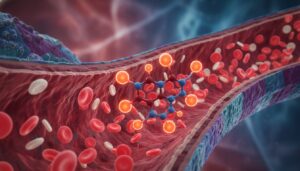
Why Does the Human Body Need Oxygen? A Comprehensive Biological Guide
Oxygen is the most critical element for the survival of the human body, acting as the primary catalyst for life-sustaining chemical reactions. While we can survive for weeks without food…
Why Is Ice Slippery? The Science Behind the Surface
Introduction to the Mystery of Slippery Ice For centuries, the simple question of why ice is slippery has intrigued scientists and laypeople alike. While it might seem like a straightforward…
Why Do Leaves Change Color? The Science of Autumn Foliage
As the days grow shorter and the air turns crisp, one of nature’s most spectacular displays begins: the changing of the leaves. While we admire the vibrant reds, oranges, and…
Why Does Rain Have a Fresh Smell? The Science of Petrichor
Most people are familiar with the pleasant, earthy aroma that fills the air after a long-awaited rain shower. This distinct scent is often described as fresh, clean, and comforting. But…
Why Do We Get Hiccups? Causes, Triggers, and Remedies
Hiccups, known medically as singultus, are involuntary contractions of the diaphragm—the muscle that separates your chest from your abdomen and plays a vital role in breathing. Each contraction is followed…
Understanding the Paradox: Why Does the Body Feel Cold During a Fever?
Experiencing a fever is often a confusing ordeal for the body. While your internal temperature is rising significantly above the normal 98.6 degrees Fahrenheit, you might find yourself shivering under…
Why Do We Sweat When It Is Hot? Understanding the Science of Perspiration
Sweating is a fundamental biological process that often feels like an inconvenience, especially during the sweltering summer months. However, this natural mechanism is one of the most sophisticated cooling systems…