


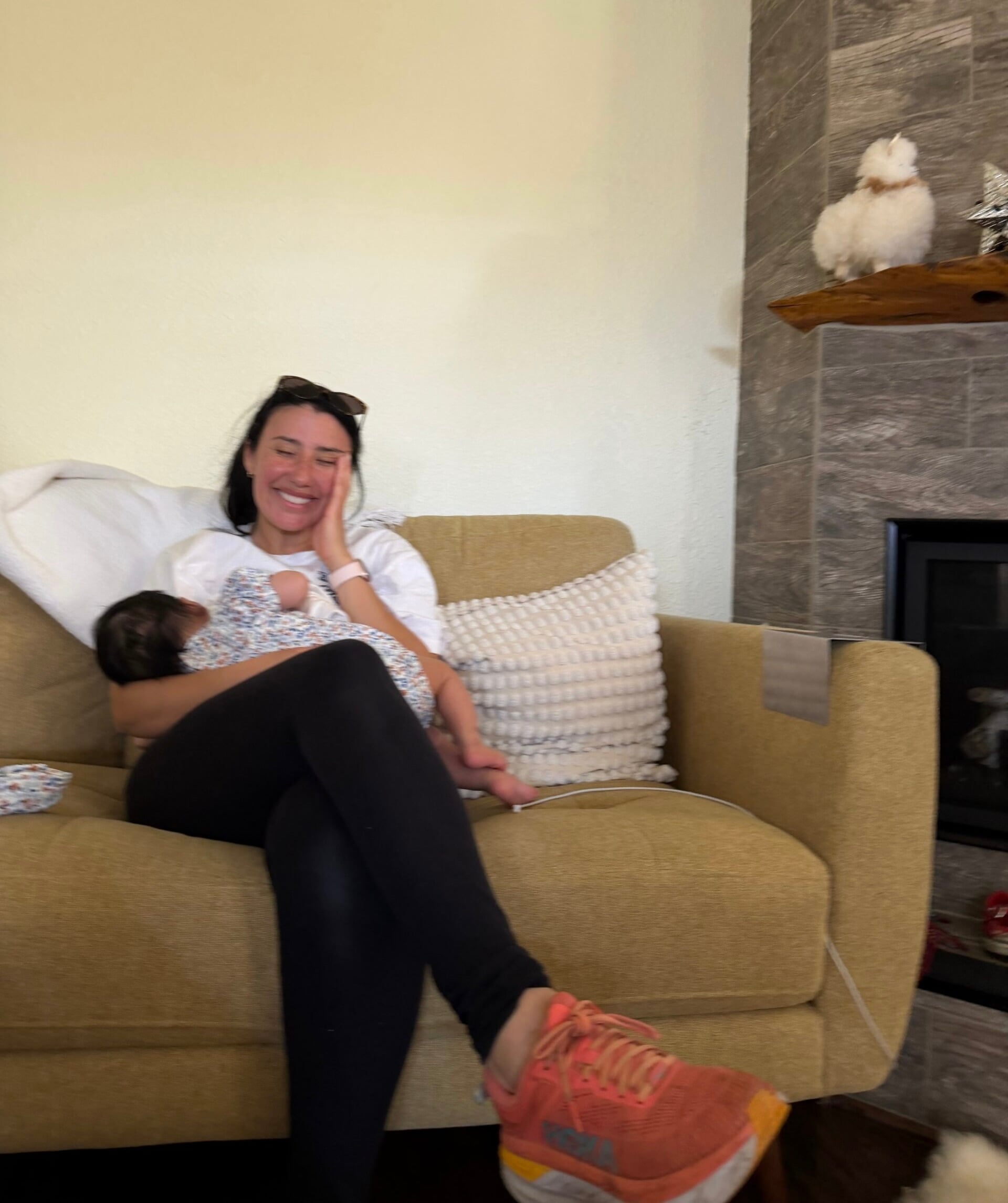
The transition from a two-child to a three-child household represents a significant shift in domestic logistics, psychological adaptation, and community engagement. Following a six-month maternity leave, Jannelle, a prominent contributor to maternal discourse, has documented the nuanced changes that occur when a family expands to five members. With the birth of her third child, Evelynn, joining siblings Ella and Emiliano, the observations recorded provide a case study into the evolving priorities of modern parents. This transition highlights a departure from the high-pressure "intensive mothering" often seen with first-born children toward a more pragmatic, community-oriented approach to child-rearing.
The Chronology of Family Expansion and Maternal Leave Trends
The timeline of this specific family expansion began with the birth of Ella, followed by the arrival of Emiliano, and culminated in the recent birth of Evelynn. Each stage of this progression has been marked by a distinct shift in parental philosophy. Historically, the transition from one to two children is often cited by developmental psychologists as the most disruptive to parental schedules; however, the move to three children—often referred to as "moving from man-to-man defense to zone defense"—requires a total overhaul of household management.

Jannelle’s six-month maternity leave reflects an emerging, though still inconsistent, trend in professional environments toward extended parental leave. According to data from the Bureau of Labor Statistics, while access to paid family leave has increased in the private sector over the last decade, it remains a luxury for many. The ability to spend half a year "snuggling" and bonding with a newborn is statistically linked to better long-term developmental outcomes for the infant and improved mental health recovery for the mother. This period of withdrawal from professional duties allowed for the observation of specific developmental and domestic shifts that are frequently overlooked in faster-paced environments.
Nuanced Developmental Observations: Beyond the Big Milestones
In the primary stages of parenting, focus is traditionally placed on major developmental milestones: the first word, the first step, or the first time a child sits up independently. These markers are used by pediatricians and parents alike to track neurological and physical progress. However, as families grow, parents often report a heightened sensitivity to "micro-milestones" or secondary physiological traits.
One such observation is the Moro reflex, commonly known as the startle reflex. This involuntary response in newborns, characterized by the spreading of arms and pulling them back in when feeling a lack of support, is a critical indicator of a functioning central nervous system. For a mother of three, the appreciation of this reflex, alongside the auditory nuances of nursing and the "pitter-patter" of established walkers, suggests a shift in parental focus from "achievement-based" monitoring to "presence-based" observation. This transition allows for a deeper emotional connection to the infancy stage, which seasoned parents recognize as fleeting.

The Sociological Shift in Support Systems and Domestic Labor
Perhaps the most significant finding in the transition to a three-child household is the breakdown of the "self-sufficiency" myth. Many first-time parents experience "people-pleasing" tendencies, attempting to maintain a pristine household while managing a newborn without external aid. Research in the field of maternal sociology suggests that this "superwoman" archetype contributes significantly to postpartum burnout and anxiety.
In this instance, the shift from doing everything solo with the first child to requesting specific, granular help with the third—such as cleaning toilets and washing bedsheets—marks a professionalization of domestic management. By enlisting the help of maternal figures (mothers and grandmothers), the parent effectively reconstructs the "village" model of child-rearing.
The psychological relief of returning from the hospital to a clean home is more than a matter of comfort; it is a clinical intervention against postpartum stress. The "anxiety of the disheveled home" is a recognized phenomenon where physical clutter exacerbates the cognitive load of a new parent. By delegating "personal" chores, the parent prioritizes mental health and sibling integration over social performance.

The Altruism Loop: Prosocial Behavior Among Mothers
The experience of managing multiple children appears to correlate with an increase in prosocial behavior toward other parents. This is evidenced by the immediate impulse to provide tangible support—such as delivering soup to a sick friend or assisting with a toddler in a public space—without being prompted.
Social psychologists refer to this as "empathy-based altruism." Having experienced the "bone-aching" difficulty of parenting while ill, a veteran mother’s response is no longer based on social etiquette but on a visceral understanding of the recipient’s needs. This creates a "pay-it-forward" culture within parenting communities, where small acts of service—putting away dishes or escorting a child to a restroom—serve as a form of informal social insurance. This network of mutual aid is essential in societies where formal childcare support is often prohibitively expensive or unavailable.
Time Scarcity and the Refinement of Personal Identity
A critical challenge of the three-child household is the radical contraction of personal time. Statistical analysis of parental time-use suggests that for parents with three children under the age of five, "discretionary time" can drop to as little as 30 minutes per day.
This scarcity forces a rigorous prioritization of activities. Rather than engaging in "filler" entertainment, the parent often gravitates toward high-yield restorative activities. In this case, the preference for gardening (a tactile, outdoor activity) and reading "funny novels" (an escapist, cognitive activity) illustrates a refined understanding of personal needs. This clarity is a byproduct of the "time bind"; when time is the most limited resource, the individual becomes more adept at identifying which specific actions provide the most significant emotional and physical "reset."
Sibling Dynamics and Genetic Recognition
The fifth observation noted in the expansion to three children is the "magic" of recognizing recurring familial traits. Seeing a third child exhibit the same "eyebrow smirk" or physical idiosyncrasy as their older siblings provides a sense of biological continuity.
From a developmental perspective, these similarities help in the bonding process, but they also highlight the unique personality of the third child as they navigate the established family hierarchy. Sibling dynamics in a triad are notably different from a pair, as they allow for shifting alliances and a more complex social environment for the children to develop negotiation and empathy skills.

Broader Implications and Analysis of Family Policy
The personal experiences of a mother of three serve as a microcosm of broader societal challenges regarding family size and support. The transition to three children is becoming less common in many developed nations due to the "cost of living crisis" and the rising expense of education and housing. Families that do choose to expand to three or more children often face significant "parenthood penalties" in the workplace, particularly for women.
However, the insights gained from this transition suggest that successful multi-child parenting is predicated on several key factors:
- Extended Support Networks: The reliance on multi-generational help (grandparents) remains the most effective buffer against parental burnout.
- Mental Load Management: The conscious decision to abandon "perfectionism" in favor of "functionalism" is essential for household stability.
- Community Reciprocity: Informal "mom-networks" provide a level of immediate, flexible support that formal institutions cannot match.
- Restorative Leisure: The identification of specific, high-impact self-care activities is vital for maintaining long-term parental patience and health.
In conclusion, the journey from one to three children is characterized by a decline in performance-based parenting and an increase in community-based living. While the logistical demands are higher, the emotional rewards—found in the recognition of familial traits and the deepening of maternal empathy—provide a counter-narrative to the often-cited stresses of large-family management. As society continues to grapple with declining birth rates and parental burnout, the shift toward accepting help and prioritizing "micro-milestones" offers a sustainable model for modern family life. The collective "shit" that gets done by women, as noted in the source material, remains the unacknowledged backbone of the domestic economy.