

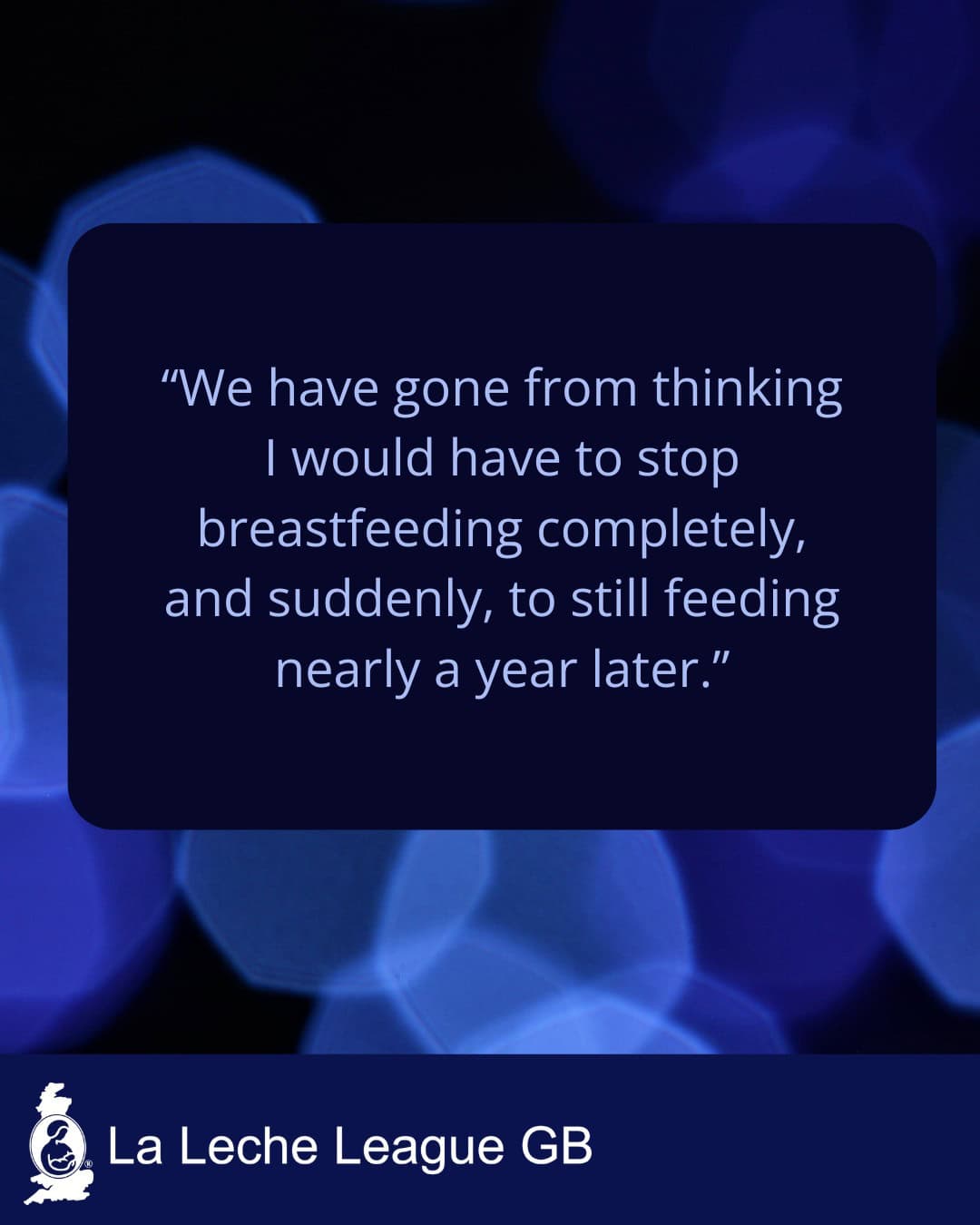
In a compelling testament to maternal resilience and adaptive medical care, a mother from Yorkshire successfully navigated a severe breast injury sustained in a car accident to continue exclusively breastfeeding her six-month-old daughter. The incident, which occurred on a national speed limit road, presented a unique challenge to both the mother’s physical recovery and her commitment to infant nutrition, ultimately highlighting the critical importance of flexible medical approaches and the enduring bond of breastfeeding.
The Incident: A Sudden Impact and Unexpected Injury
The alarming event unfolded when the mother, who wishes to remain anonymous, was a passenger in the back seat of a car with her infant daughter. Traveling on a national speed limit road, their vehicle was involved in a collision when another driver unexpectedly turned across their path. The force of the impact triggered the front airbags, but with no such safety devices in the rear, the mother’s seatbelt became the sole restraint. While effectively preventing more severe injuries, the seatbelt exerted immense pressure on one of her breasts, resulting in a crushing injury.
Fortunately, the infant, secured in a rear-facing car seat, appeared largely unharmed, sustaining only a minor bruise from her car seat harness – a stark reminder of the efficacy of modern child safety restraints. The father, who was driving, also escaped with relatively minor injuries, including a burn from the deploying airbag. Despite the immediate shock and the physical trauma, the family acknowledged their fortune in the grand scheme of the accident’s potential severity. According to the Department for Transport’s annual road safety statistics for Great Britain, there were 105,741 road casualties of all severities in the year ending June 2023, underscoring the pervasive risk of such incidents and the critical role of vehicle safety features.
Immediate Aftermath and Initial Medical Assessment
Following the collision, the mother’s injured breast immediately began to swell, becoming bruised and intensely painful. Prompt medical attention was sought at a local Accident & Emergency (A&E) department. The initial assessment confirmed significant trauma. Recognizing the mother’s status as an exclusively breastfeeding parent, the A&E team facilitated the transfer of a breast pump from the maternity ward. This proactive step by medical staff underscored an understanding of the immediate need to manage milk production in the injured breast, even under challenging circumstances.
However, attempts to pump from the damaged breast yielded minimal results, with the small amount of fluid expressed appearing bright red – a clear indication of internal bleeding and tissue damage. Conversely, the uninjured breast continued its normal milk production, albeit with some minor bruising. Medical advice at this stage emphasized the importance of continued pumping on the affected side, a strategy aimed at maintaining lactation and preventing potential complications like engorgement or mastitis, despite the pain.
A few days later, an ultrasound scan was performed to further assess the injury. The initial findings were inconclusive regarding immediate surgical intervention, leaving the medical team to recommend a conservative management approach. The subsequent weeks proved to be excruciatingly painful for the mother. The swollen breast radiated a burning sensation with every movement, making simple tasks like holding or picking up her daughter incredibly difficult. This period of recovery also necessitated prolonged confinement indoors, restricting the family’s activities and adding to the physical and emotional burden. The psychological toll of such an injury, compounded by the demands of infant care, is often significant, with studies indicating that mothers experiencing trauma can face heightened risks of postpartum depression and anxiety.
Seeking Specialized Care: Diagnosis and Intervention
As the weeks progressed with persistent pain and swelling, the mother’s General Practitioner (GP) referred her to a specialized breast clinic. This referral marked a pivotal turning point in her treatment journey, moving from general trauma care to expert assessment of her specific breast injury. At the clinic, a more detailed ultrasound scan revealed a substantial accumulation of fluid within the injured breast. This fluid buildup, a common physiological response to trauma, was identified as the primary source of her persistent pain and discomfort.
A medical professional, using a needle, performed a drainage procedure, extracting over a pint of fluid. The nurse’s light-hearted description of the fluid’s appearance – "looking like a latte" – offered a moment of levity in an otherwise serious medical situation. The relief from pain following this procedure was immediate and profound. However, the consultant delivered a cautious warning: if the swelling returned, the mother might need to cease breastfeeding altogether from the affected breast. This drastic measure would aim to halt milk production, allowing the breast tissue to fully heal without the added physiological stress of lactation.
This prospect was profoundly upsetting for the mother, who had been exclusively breastfeeding for six months. The idea of suddenly depriving her daughter of both milk and the comfort of nursing was distressing. Her online search for similar cases yielded very little, with the only comparable instance involving a woman advised to stop breastfeeding her newborn after a car crash due to a similar injury. This scarcity of information underscored the unique and challenging nature of her situation, highlighting a potential gap in common medical protocols for lactating mothers experiencing severe breast trauma. For many mothers, breastfeeding is not just a method of feeding but a deep emotional bond, and the forced cessation can have significant psychological impacts.
The Dilemma: To Continue or Cease Breastfeeding?
The consultant’s warning presented a significant ethical and emotional dilemma. The immediate cessation of breastfeeding, while medically sound for healing, would have far-reaching implications for both mother and child. From a physiological standpoint, abruptly stopping breastfeeding can lead to engorgement, mastitis, and can be emotionally challenging for the mother, potentially impacting her mental health during an already traumatic recovery period. For the infant, a sudden shift from exclusive breastfeeding to formula feeding can disrupt digestive systems and may not be ideal, particularly if the mother wishes to continue.
Organisations like La Leche League International (LLL), which advocates for breastfeeding support, often emphasize the importance of individualized care plans that consider both maternal health and infant nutritional needs. In cases of maternal injury, LLL guidance typically encourages exploring all possible avenues to continue breastfeeding if desired, highlighting the benefits of breast milk and the emotional comfort it provides. The mother’s distress at the thought of ceasing breastfeeding underscored this profound connection.
A Gradual Path to Recovery: The "Wait-and-See" Approach
Just a few days after the initial drainage, the swelling in the injured breast recurred, though not to the same severe extent. Another needle drainage was performed, and this time, the mother was also prescribed antibiotics, likely to prevent or treat any potential infection arising from the trauma or fluid accumulation. Crucially, the consultant agreed to a "wait-and-see" approach, allowing the mother to continue breastfeeding while monitoring whether the fluid buildup would gradually diminish. This flexible medical strategy proved instrumental in her journey.

Over the subsequent weeks and months, the cycle of fluid buildup and drainage continued. The mother returned to the hospital every few days for further drainage procedures, but with each visit, progressively less liquid was extracted. This gradual reduction indicated that the breast was slowly beginning to heal and reabsorb fluid more effectively. Throughout this challenging period, the mother diligently continued to pump from the damaged side every few hours. Initially, the milk expressed remained pinkish, a persistent sign of residual bleeding or inflammation.
Eventually, after several months of consistent care, the fluid buildup ceased entirely. The small amount of milk produced from the injured breast finally turned white, signaling a return to a more normal state. At this point, the mother cautiously began to feed her daughter directly from the damaged breast once more. The cessation of constant pumping was a significant milestone, bringing immense relief. Concurrently, the pain progressively subsided, and the breast started to regain a more normal appearance, save for a visible ridge where the seatbelt had inflicted the initial crushing injury. This gradual recovery process, spanning several months, illustrates the body’s remarkable capacity for healing when supported by appropriate medical intervention and patient perseverance.
Long-Term Adaptation and Ongoing Challenges
Nine months after the harrowing accident, the mother continues to breastfeed her daughter from both sides. While the injured breast now produces very little milk, it still provides comfort and a continued connection for her daughter. The uninjured breast has adapted, compensating for the reduced supply from the damaged side and producing sufficient milk to satisfy her daughter’s needs. As her daughter has also begun consuming solid foods, the mother’s concerns about her nutritional intake have naturally lessened.
The mother speculates that the milk ducts in the injured breast were likely damaged, preventing milk from reaching the nipple and eventually leading to a reduction in production from that part of the breast. Medical consultants have been unable to definitively state whether the milk supply in the damaged breast will ever fully return, an outcome the mother considers unlikely. This outcome, while allowing continued breastfeeding, has resulted in a noticeable asymmetry, or "lopsided-looking" appearance, due to one breast undertaking the majority of milk production for an extended period.
Despite these physical changes and challenges, the journey from fearing a complete and sudden cessation of breastfeeding to continuing nearly a year later is a powerful narrative of triumph. This outcome underscores the adaptability of the human body and the potential for positive results when medical professionals adopt flexible, patient-centered approaches.
Broader Implications for Maternal Health and Infant Nutrition
This mother’s experience sheds light on several critical areas within maternal health and infant nutrition. Firstly, it highlights the potential for unexpected physical trauma to disrupt established breastfeeding routines, necessitating rapid and informed medical intervention. The initial lack of readily available similar cases online suggests a need for more documented experiences and medical guidelines specifically addressing severe breast trauma in lactating women.
Secondly, the emotional and psychological impact on a mother facing such a dilemma cannot be overstated. The decision to potentially cease breastfeeding, particularly when it’s a desired and established practice, can contribute to feelings of loss, guilt, and distress, compounding the trauma of the accident itself. Mental health support, therefore, becomes an integral part of recovery in such circumstances.
Thirdly, the success of the "wait-and-see" approach adopted by the consultant is a vital lesson. It demonstrates that a rigid, one-size-fits-all medical protocol might not always be the best course of action, especially in complex cases involving unique patient circumstances like lactation. Empowering mothers to participate in their treatment decisions, coupled with empathetic and adaptable medical care, can lead to outcomes that preserve both physical health and personal well-being. This case serves as a powerful reminder that medical solutions should strive to accommodate, rather than override, a mother’s breastfeeding goals whenever safely possible.
The Role of Medical Guidance and Patient Advocacy
The mother’s gratitude for her consultant’s "wait-and-see" approach is a strong endorsement of personalized medical care. In situations where standard protocols may suggest a more definitive, and sometimes more disruptive, intervention, a willingness to monitor and adapt can yield significantly better patient outcomes. This case underscores the value of open communication between patients and healthcare providers, where patient preferences and emotional well-being are considered alongside clinical necessity.
For other individuals facing similar injuries or medical dilemmas, this story offers a beacon of hope. It illustrates that even when circumstances seem dire and advice points towards cessation, perseverance and advocating for alternative solutions, particularly with a supportive medical team, can lead to continued breastfeeding. Organizations like La Leche League Great Britain (LLLGB) play a crucial role in providing evidence-based information and peer support, empowering mothers to navigate breastfeeding challenges, including those arising from unexpected medical conditions. Their resources often highlight the importance of understanding breast anatomy, milk production, and common issues to help mothers make informed decisions with their healthcare providers.
Preventative Measures and Road Safety
While the focus of this narrative is recovery and perseverance, the underlying cause — a car accident — serves as a stark reminder of the importance of road safety. The mother’s daughter was protected by a rear-facing car seat, a safety measure universally recommended for infants and toddlers due to its superior protection for a child’s head, neck, and spine in a collision. The mother’s own seatbelt, while causing injury, ultimately saved her from more severe trauma. Road safety campaigns consistently emphasize safe driving practices, adherence to speed limits, and the correct use of safety restraints for all occupants, highlighting their life-saving potential.
Lessons Learned and Future Outlook
This mother’s journey from a traumatic car crash to continued breastfeeding is a compelling narrative of resilience, informed medical care, and the enduring power of the maternal bond. Her decision to share her story is a powerful act of advocacy, aiming to provide hope and practical insight to others who might face similar, isolating challenges. It reinforces the message that continued breastfeeding, even under severely adverse circumstances, can be a viable and achievable goal with the right support.
The outcome — still breastfeeding nearly a year later, albeit with adaptations — is a testament to the human spirit’s ability to overcome adversity and the potential for positive synergy between patient determination and empathetic medical practice. It prompts a broader reflection on how healthcare systems can better support lactating parents through unexpected traumas, ensuring that both physical healing and the deeply personal journey of breastfeeding are considered in comprehensive care plans. The hope is that this story will contribute to a growing body of knowledge, offering guidance and reassurance to future mothers navigating similar uncharted waters.