

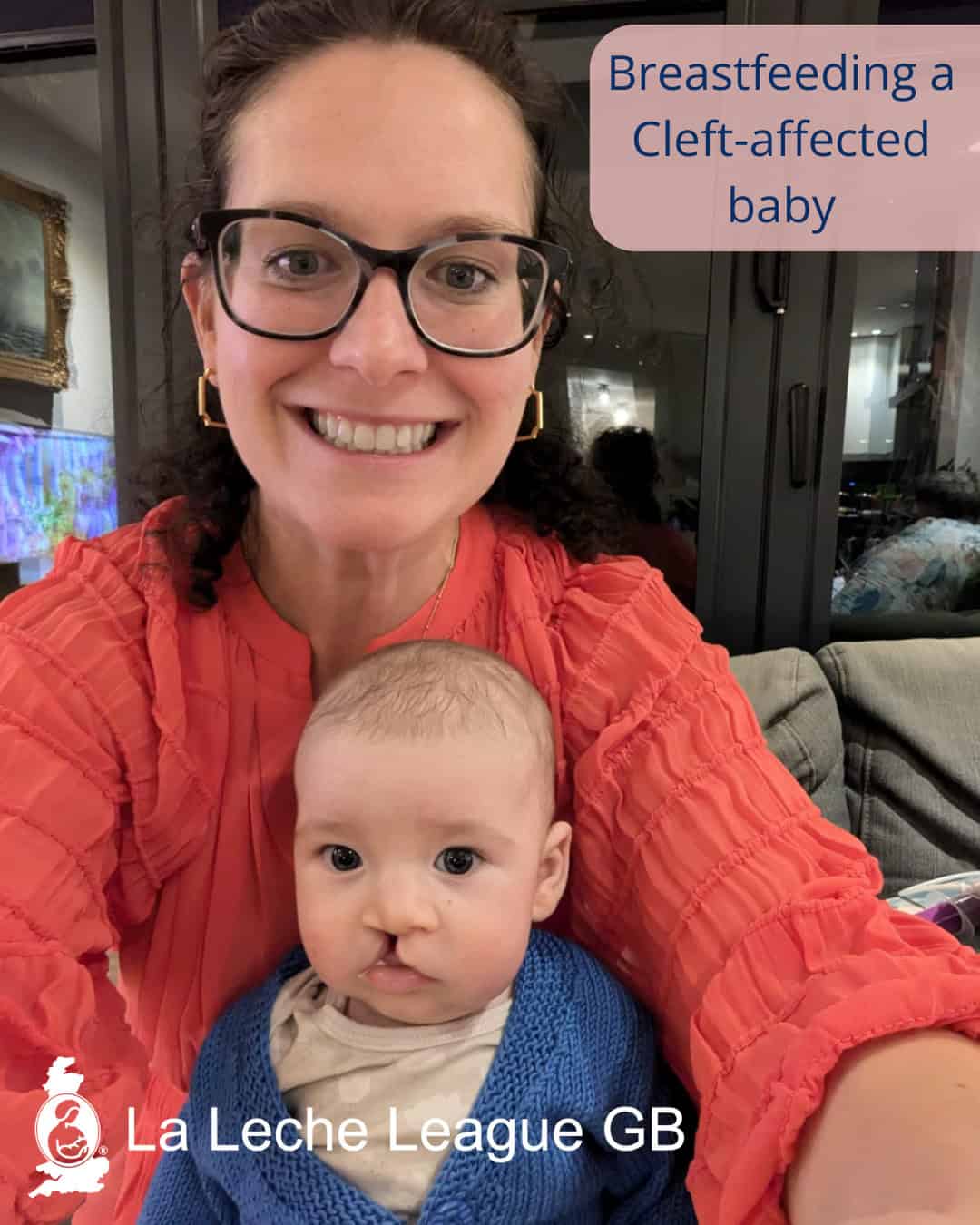
The emotional landscape for Sarah Muir-Little and her husband had been particularly challenging in the weeks leading up to their 20-week antenatal scan. With her father-in-law in intensive care, the usual anticipation of pregnancy was overshadowed by emotional strain. The scan initially brought relief, confirming they were expecting a boy, but this was swiftly followed by an unexpected diagnosis that would profoundly alter their parenting journey: their baby had a cleft lip and palate. A sonographer’s question, "Have you heard of a cleft lip?", was the first indication, immediately clarified by a midwife who conveyed the daunting news that direct breastfeeding would likely be impossible. This marked the beginning of a resolute battle for the Muir-Little family.
Understanding Cleft Lip and Palate: A Medical Overview
Cleft lip and palate are among the most common birth differences globally, affecting approximately 1 in 700 babies. In the United Kingdom, this translates to around 1,200 newborns each year. These conditions occur when the structures forming the baby’s upper lip or the roof of the mouth (palate) do not fuse completely during early fetal development. The severity can vary, ranging from a small notch in the lip to a complete separation extending into the nose and soft palate.
The implications for feeding are significant. Babies born with only a cleft lip can often breastfeed effectively, sometimes with minor adaptations to their latch. However, a cleft palate presents a more complex challenge. The inability to form a complete seal in the mouth prevents the baby from generating the necessary suction pressure to extract milk from the breast. Consequently, direct breastfeeding becomes extremely difficult or impossible until the palate is surgically repaired. The Cleft Lip and Palate Association (CLAPA) serves as a vital resource in the UK, offering comprehensive support and information to families navigating these conditions.
Initial Diagnosis and Emotional Impact
For Sarah Muir-Little, the diagnosis was particularly distressing. She had recently weaned her toddler, preparing for a similar breastfeeding experience with her new baby. Breastfeeding had been a cornerstone of her maternal identity, and the prospect of its absence triggered a profound sense of grief. This initial shock, combined with existing family stress, compounded the emotional burden.
However, a specialist nurse provided a crucial glimmer of hope, clarifying that while traditional breastfeeding might be unlikely, some form of a "breastfeeding journey" was still possible, albeit one that would likely differ from her previous experience. The extent of the palate’s involvement would only be confirmed after birth. The nurse also outlined the typical surgical timeline for cleft repair: two major operations within the baby’s first year—one for the lip and another for the palate—with the possibility of further procedures later in childhood. This comprehensive information, though sobering, allowed the family to begin planning.
Research and Preparation for an Alternative Feeding Path
Driven by a desire to preserve some connection to breastfeeding, Muir-Little embarked on extensive research, consulting the websites of CLAPA, La Leche League, and other specialized resources. Her quest was to find examples of successful breastfeeding post-palate surgery, or at least methods to deliver breast milk directly at the breast.
The available success stories were, disappointingly, few. However, those she did uncover highlighted two critical factors for success: maintaining a sufficient milk supply and developing an effective method for delivering milk to the baby at the breast.
Muir-Little felt confident about the first point. She had successfully maintained an ample supply for her toddler, despite her personal dislike for pumping, which she found inefficient and frustrating. Recalling months spent painstakingly hand-expressing small volumes to build a freezer stash, she believed that with improved knowledge and technique, she could meet her new baby’s milk demands.
The second point, milk delivery, required more innovative thinking. She explored various methods, including direct hand expression into the baby’s mouth and the use of nursing supplementers. The latter, designed to deliver milk via a thin tube while the baby is latched, appeared to be the more practical solution for long-term feeding. Two primary nursing supplementer systems are available in the UK market, each with distinct features. One relies on gravity for a slow flow, while the other uses a squeezable bottle for more controlled delivery. Muir-Little acquired both to test their suitability.
Initial trials with the supplementers proved challenging. The gravity-fed system offered an excessively slow flow, while the squeezable bottle, though capable of delivering more milk, felt awkward to manage. Conventional advice suggested using the "dancer hold" — a technique where the index finger and thumb form a "U" shape to support the baby’s chin – to assist with latch. However, practicing with a doll demonstrated the immense difficulty of simultaneously managing the baby, the supplementer, and this specific hold. Neither system felt intuitive or manageable at this preliminary stage.
Baby Russell’s Arrival and the Genesis of an Innovative System
Baby Russell was born, and the initial feeding phase involved syringe-feeding expressed colostrum while simultaneously offering a finger for the baby to suck, aiming to stimulate the sucking reflex and encourage oral motor development. The ultimate goal was to transition to feeding at the breast with a supplementer once Sarah’s milk supply increased.
A serendipitous discovery aided their early efforts: some ordered syringes, unsuitable for direct feeding, perfectly fit the supplementer tube. The hospital midwife team provided larger syringes from the labour ward. These had different ends but came with screw-on caps, which Muir-Little ingeniously modified by drilling a snug hole for the supplementer tube. This improvisation allowed for a more controlled and secure milk delivery system, emphasizing the importance of adaptability in such situations. Healthcare guidelines emphasize caution with feeding tools, ensuring caps are removed from regular syringes to prevent choking hazards and that feeding is slow and monitored.

The standard recommendations for supplementer use involve either introducing the tube after the baby has latched or taping it to the breast before latching, ensuring the tape is away from the baby’s mouth. Both methods presented difficulties for the Muir-Little family. Russell’s fragile latch, due to the lack of suction, made inserting the tube post-latch impossible. Taping the tube to the breast posed its own set of challenges, as the newborn’s mouth is small, and the baby might bob on and off before achieving a stable latch.
Driven by necessity, Muir-Little devised her own approach: taping the tube very close to the nipple, allowing for easier insertion into Russell’s mouth. This required durable, water-resistant tape. The initial experimentation phase was fraught with frustration for both mother and baby, marked by milk loss and distress, until a workable method was established. This innovative, albeit imperfect, system was capable of delivering a consistent flow of milk, but the tape often compromised the latch, leading to some milk spillage.
Navigating Expert Advice and Parental Instinct
The journey was not without its moments of doubt and external scrutiny. Muir-Little sought help from various sources, but many healthcare professionals lacked direct experience with her specific, innovative feeding setup, and some voiced concerns, particularly regarding the risk of aspiration. Despite these warnings, her determination remained unwavering. The first week post-birth was a whirlwind of a "magical home birth" juxtaposed with the frustrations of difficult feeding moments, yet her conviction in their chosen method grew.
One persistent challenge was the "dancer hold." Both Muir-Little and Russell found it stressful and difficult to execute consistently. Russell would frequently struggle to latch, bobbing on and off the breast. Paradoxically, he would calm down and feed effectively if placed on the non-taped breast, where Muir-Little could directly express milk into his mouth, confirming his hunger. The issue was purely one of technique and comfort with the supplementer.
Drawing on her previous experience, Muir-Little had primarily used the cradle hold with her toddler, finding it the most natural. After consulting a specialist at Great Ormond Street Children’s Hospital, they decided to prioritize the familiar cradle hold. While this position did lead to more milk loss from the side of Russell’s mouth due to the cleft, it was deemed more appropriate for a newborn and, crucially, fostered a calmer feeding environment for both. The focus shifted from minimizing milk loss through specific positioning (like plugging the cleft or keeping the cleft side up) to achieving relaxed feeds with a deep latch. In those initial weeks, feeds often left both mother and baby quite wet from spilled milk, a testament to the fiddly and often frustrating nature of their innovative approach. Yet, the emotional and bonding benefits outweighed these practical difficulties.
Evolving Techniques and Shifting Perceptions
Over time, Muir-Little and Russell developed a finely tuned rhythm. She learned to control the milk flow from the syringe, pausing when Russell paused, ensuring the rate was neither too slow (requiring excessive sucking effort) nor too fast (overwhelming him). She also discovered that refilling the syringe while Russell was still latched caused distress, prompting her to either put him down or adjust her hold to manage his expectations.
The unique nature of their breastfeeding journey occasionally sparked comments from others. A friend initially questioned the extensive effort involved in "bridging the gap" until potential post-surgery breastfeeding. However, observing Sarah and Russell feeding, the friend exclaimed, "I get it: you are already breastfeeding." Another friend, seeing them from across a restaurant, remarked, "Oh, so the worries about Russ not being able to breastfeed didn’t come to fruition!" These affirming observations validated Muir-Little’s efforts, providing immense joy and reinforcement.
Conversely, there were instances of well-intentioned but discouraging remarks from healthcare professionals. One paediatrician, for example, expressed reservations about their method, advocating instead for specialized cleft bottles, which were described as "safe and effective." Muir-Little perceived this as an implicit criticism of their chosen path. Such comments, particularly from medical authority figures, required significant resilience to overcome. However, Russell’s consistent weight gain and evident enjoyment of feeding at the breast served as powerful evidence that their individualized approach was indeed successful and beneficial. The mother acknowledged that while the reliance on a supplementer was not ideal, the ability to breastfeed "the best we can" and reap the associated benefits was invaluable.
Adaptation and Milestones
Around ten weeks of age, Russell began to show increased discomfort with the tape near his mouth. This prompted another adaptation: relocating the tape much further from the nipple, and eventually, eliminating the tape altogether. This advanced technique demanded greater coordination but became manageable as both mother and baby grew more adept.
The journey was not linear; there were moments when progress seemed to regress, with Russell becoming upset or refusing to feed. In these instances, Muir-Little learned to differentiate between issues specific to his cleft and those common to all babies, such as increased distractibility around three months of age. Recognizing that Russell was "a baby first, and had a cleft second" was crucial in navigating these challenges.
Post-Surgical Recovery and Ongoing Support
Currently, Russell is recovering from significant reconstructive surgery on his lip and hard palate. The immediate post-operative period presented new feeding challenges. Once the morphine wore off, Russell initially accepted only bottles for a few days. However, upon resuming the supplementer, he rejected bottles, perhaps associating them with the difficult recovery phase, or finding the supplementer less effortful. This fluctuating preference for feeding methods highlights the ongoing need for flexibility and patience. The demanding routine of expressing milk and managing all feeds can be exhausting, underscoring the vital role of spousal support.
Sarah Muir-Little credits her husband’s unwavering assistance—from bottle-washing and night feeds to emotional reassurance—as indispensable. Their journey, marked by innovation, resilience, and teamwork, has been a challenging but ultimately rewarding path. Each day they continue to use the supplementer is viewed as a bonus for Russell’s health and their shared bond, reinforcing the belief that any effort made is better than not having tried at all. The family’s achievement stands as a testament to their dedication and an inspiring example of adapting to complex medical circumstances to prioritize the profound benefits of breastfeeding.
This personal account, shared by Sarah Muir-Little, offers valuable insights for other families facing similar challenges and emphasizes the critical importance of individualized care plans, parental advocacy, and robust support networks from organizations like La Leche League and CLAPA. The experience underscores that while medical guidelines provide a framework, the unique needs and circumstances of each child and family often necessitate creative, determined, and deeply personal solutions.