

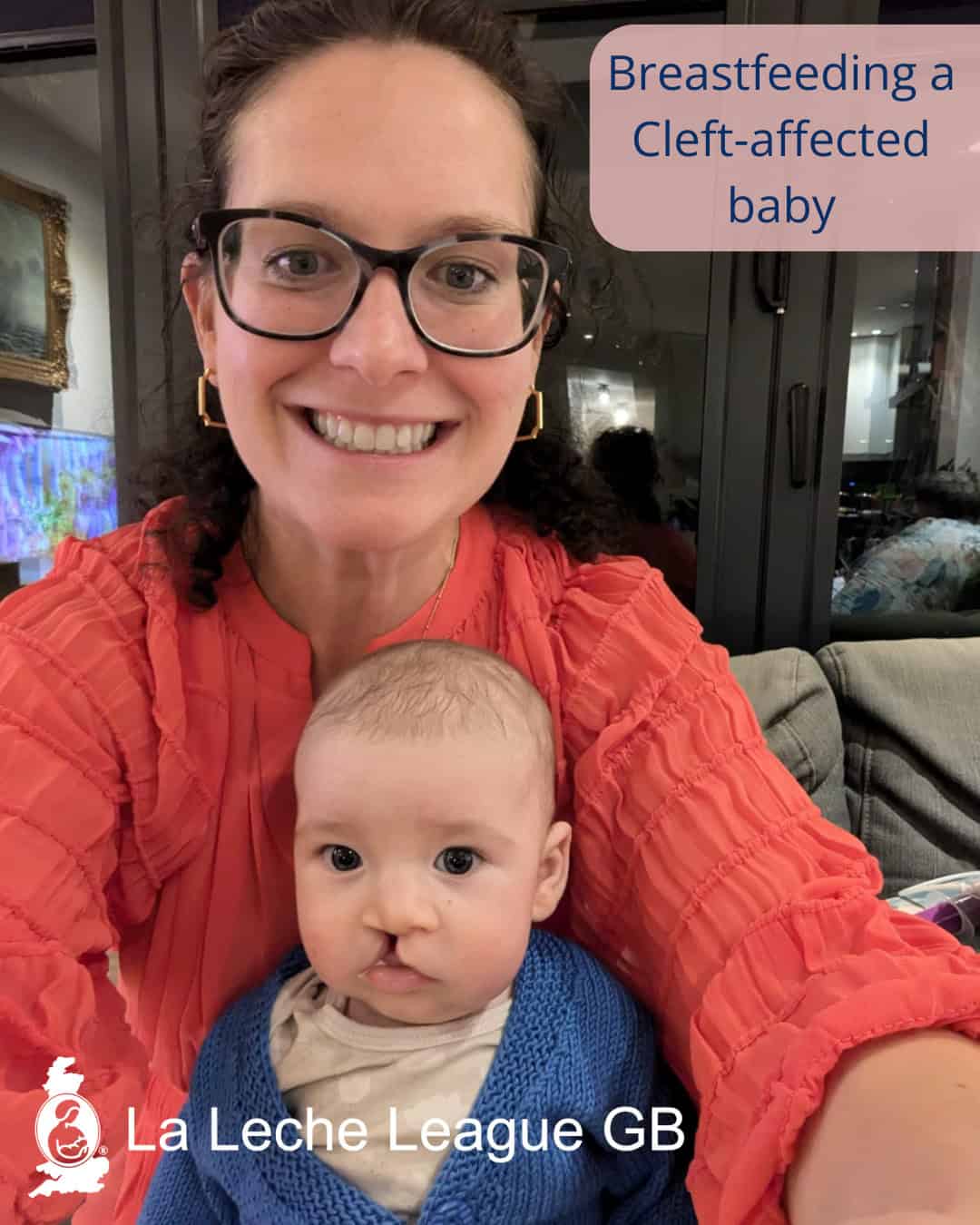
Breastfeeding a baby born with a cleft lip or palate presents unique challenges, yet it remains a profoundly achievable and beneficial journey for many families, requiring perseverance, specialized support, and adaptable feeding strategies. A cleft lip or palate, a common birth anomaly, occurs when the structures forming the baby’s upper lip or the roof of the mouth (palate) do not fully fuse during early fetal development. This condition affects approximately 1 in every 700 live births globally, with variations across different populations and geographical regions. While babies with an isolated cleft lip often adapt to breastfeeding with minor adjustments, those with a cleft palate face a more significant hurdle: the inability to generate the necessary suction pressure to efficiently remove milk from the breast due to the opening in the roof of their mouth. This physiological impediment often necessitates alternative feeding methods until surgical repair can be performed.
Understanding Cleft Lip and Palate: A Medical Overview
Cleft lip and palate are congenital conditions, meaning they are present at birth. They are classified into several types: cleft lip only, cleft palate only, or a combination of both (cleft lip and palate). The severity can also vary, from a small notch in the lip to a complete separation extending into the nose and through the palate. The precise causes are often multifactorial, involving a complex interplay of genetic predispositions and environmental factors. These can include certain medications taken during pregnancy, maternal smoking, diabetes, or nutritional deficiencies. While many cases occur spontaneously without a clear identifiable cause, advancements in prenatal diagnostic imaging, such as ultrasound scans, often allow for early detection of cleft lip, providing expectant parents valuable time to prepare and connect with specialist healthcare teams. Diagnosis of a cleft palate alone can sometimes be more challenging prenatally and may only be confirmed at birth during a physical examination.
The Indispensable Role of Human Milk for Cleft-Affected Infants
Upon receiving the diagnosis, whether prenatally or postnatally, parents may experience a range of emotions, including uncertainty about their ability to breastfeed. However, medical professionals and parent support groups consistently emphasize that breastfeeding, or at least feeding expressed human milk, is not only possible but highly recommended for cleft-affected babies. Human milk provides unparalleled immunological protection, crucial for infants who may undergo multiple surgical procedures. Its antibodies, enzymes, and living cells help fortify the baby’s immune system, reducing the risk of infections, particularly ear infections which are more prevalent in babies with cleft palates due to Eustachian tube dysfunction. Furthermore, human milk is perfectly tailored for infant digestion and growth, aiding in optimal development and recovery. The act of breastfeeding also offers profound emotional and bonding benefits for both mother and child, fostering a sense of normalcy and connection amidst medical complexities.

The Initial Days: Establishing Milk Supply and Early Feeding Strategies
The critical first few days and weeks after birth set the stage for a successful feeding journey. The primary objective is to establish and maintain a robust maternal milk supply, regardless of the baby’s immediate ability to feed directly at the breast. This proactive approach ensures a continuous supply of vital human milk and keeps the option of direct breastfeeding open as the baby develops or after surgical interventions.
Experts recommend initiating milk removal, either through direct feeding attempts or expressing, within the first few hours post-delivery. The principle of supply and demand dictates that the more frequently and effectively milk is removed from the breasts, the more milk the body will produce. To achieve a full milk supply, particularly in the initial month, mothers typically need to express or breastfeed at least 8-12 times within a 24-hour period. Consistency is key; maintaining regular milk removal signals to the body the ongoing need for high production.
For mothers whose babies cannot breastfeed efficiently, a double electric hospital-grade breast pump is often the most effective tool for establishing and maintaining supply. These pumps are designed for maximum efficiency and can significantly reduce expressing time. Cleft specialist nurses or hospital lactation departments may be able to facilitate the loan or rental of such equipment. Some mothers also find success with smaller, portable pumps or manual hand expression, often used in conjunction with a hospital-grade pump. The initial period of exclusively expressing can be demanding, requiring immense dedication and practical support from family and caregivers, allowing the mother to focus on her baby and milk production.
Bridging the Gap: Alternative Feeding Methods
In the early days, when a baby’s intake from the breast might be insufficient, various methods can be employed to provide additional expressed milk, donor human milk, or, if necessary, formula. Small volumes can initially be delivered via a syringe or teaspoon. However, as milk production increases and the baby’s nutritional needs grow, these methods quickly become impractical.

Specialized feeding bottles and teats designed for cleft-affected babies are widely available and can be invaluable. These bottles often feature longer teats, one-way valves, or softer materials that allow milk to flow more easily without requiring strong suction. Cleft specialist nurses are best placed to advise on the most suitable type for an individual baby, as different designs cater to varying degrees of cleft severity and feeding mechanics.
A particularly effective method that allows for continued breast contact and stimulation is the nursing supplementer, also known as a supplemental nursing system (SNS) or lactation aid. This system involves a thin tube taped alongside the nipple, through which supplementary milk is delivered to the baby while they latch onto the breast. This innovative approach offers multiple benefits: it provides the necessary milk intake, stimulates the mother’s milk supply through suckling, and facilitates crucial skin-to-skin contact and bonding. While initially requiring practice to master, many mothers report that using a supplementer allows them to feel they are truly breastfeeding, fostering a deep emotional connection often felt to be missing when solely bottle-feeding.
Mastering the Nursing Supplementer: Techniques and Tips
Nursing supplementers come in various designs, from simple homemade systems using a syringe and feeding tube to commercially available kits with a milk reservoir bag or bottle. The general principle involves the baby latching onto the breast with the fine tube positioned at the corner of their mouth, near the nipple. For babies with a cleft palate who struggle with suction, the supplemental milk often needs to be actively delivered. This can be achieved by gently squeezing the reservoir bag or bottle, or by using a syringe to push milk through the tube. Creating a small air vent in the reservoir can also aid in gravity-fed milk flow.
Tips for successful supplementer use include:
- Preparation: Have all components clean and assembled before starting the feed.
- Positioning: Ensure the baby is comfortably positioned, allowing for a deep latch that includes both the breast and the supplementer tube.
- Tape Placement: Secure the tube to the breast with medical tape so it aligns with the nipple, ensuring it doesn’t detach or irritate the baby.
- Milk Flow Control: Observe the baby’s swallowing and breathing patterns, adjusting the milk flow as needed. Too fast a flow can cause choking or discomfort; too slow can lead to frustration.
- Patience and Practice: It takes time to synchronize the baby’s suckling with the milk delivery. Seeking guidance from a lactation consultant experienced with supplementers can significantly ease this learning curve.
Many mothers, like Sarah, whose story is highlighted by La Leche League, describe the immense satisfaction and emotional reward of feeding their baby at the breast using a supplementer. It transforms a potentially isolating feeding experience into an intimate bonding moment, often challenging preconceived notions about what breastfeeding a cleft-affected baby entails.

Optimizing Feeding Positions for Cleft-Affected Infants
Finding the most comfortable and effective feeding position is a highly individualized process. While there’s no single "correct" way, certain positions can help manage milk flow, prevent milk from entering the nasal cavity, and provide optimal support for the baby.
- Upright Positions: Holding the baby in a more upright or semi-reclined position (e.g., laid back or biological nurturing) can utilize gravity to help direct milk downwards, minimizing spillage into the nasal passages.
- Football Hold (Clutch Hold): This position allows the mother to support the baby’s head and neck with one hand, providing stability and allowing for clear visibility of the baby’s mouth and cleft. This can be particularly useful for managing a cleft lip.
- Cross-Cradle Hold: Similar to the football hold, this offers good head and neck support, enabling the mother to guide the baby to the breast effectively.
- Gentle Breast Compression: Applying gentle pressure to the breast can help maintain milk flow and prevent the baby from working too hard to extract milk, which is especially helpful for those with limited suction capabilities.
Regardless of the position chosen, constant monitoring for signs of efficient milk transfer, comfortable latch, and the baby’s breathing is essential.
The Surgical Journey and Post-Operative Feeding
Cleft lip and palate are typically treated through a series of surgical interventions. Cleft lip repair usually occurs around 3-6 months of age, while cleft palate repair is often performed between 6-18 months. These surgeries aim to restore normal anatomy and function, significantly impacting the baby’s ability to feed, speak, and breathe.
For babies who could not feed directly at the breast pre-surgery, the palate repair surgery marks a pivotal moment. Post-surgery, many babies gradually develop the ability to generate suction and feed directly from the breast. However, this transition is not always immediate. Babies may need several weeks to adjust to their new oral anatomy, build oral motor strength, and "re-learn" how to latch and suck effectively. During this period, maintaining a strong milk supply through continued expressing is paramount, as human milk supports healing and recovery. Continued support from lactation consultants and the cleft team is crucial to guide parents through this post-operative feeding phase. For those who partially breastfed before surgery, continuing breast contact, even with supplementation, helps the baby "remember" the breast and makes the transition smoother.
The Broader Impact and Support Systems

The journey of breastfeeding a cleft-affected baby extends beyond the mechanics of feeding; it encompasses significant psychological, emotional, and social dimensions for the family. Parents often grapple with anxiety, exhaustion, and the emotional toll of multiple medical appointments and procedures. This underscores the critical importance of robust support systems.
Multidisciplinary cleft teams, typically comprising plastic surgeons, pediatricians, audiologists, speech and language therapists, and specialist nurses, are central to providing comprehensive care. Within this team, lactation consultants and feeding specialists play an invaluable role, offering tailored advice, demonstrating feeding techniques, and providing ongoing encouragement.
Beyond clinical support, peer support groups and organizations like La Leche League offer invaluable emotional and practical assistance. Connecting with other parents who have navigated similar challenges can alleviate feelings of isolation, provide practical tips, and instill a sense of hope and resilience. These networks highlight the power of shared experience and community in empowering parents to achieve their feeding goals.
The implications of successful breastfeeding for cleft-affected infants are far-reaching. Beyond the immediate health benefits, it contributes to improved long-term oral motor development, potentially aiding speech articulation and reducing the need for extensive speech therapy later in life. It also reinforces parental confidence and attachment, fostering a positive environment for the child’s overall development.
Conclusion: A Testament to Resilience and Support
Breastfeeding a cleft-affected baby is undeniably a demanding journey, fraught with unique challenges that require immense dedication, adaptability, and an unwavering commitment from parents. However, it is also a journey rich with profound rewards, demonstrating the incredible resilience of both mother and child. With the right information, specialized tools, and a comprehensive network of medical and peer support, achieving successful breastfeeding or providing expressed human milk is a powerful testament to parental love and determination. The collective efforts of healthcare professionals, support organizations, and pioneering families continue to enrich the understanding and possibilities for these vulnerable infants, ensuring that every baby, regardless of their start in life, has the opportunity to thrive on the unparalleled benefits of human milk.