

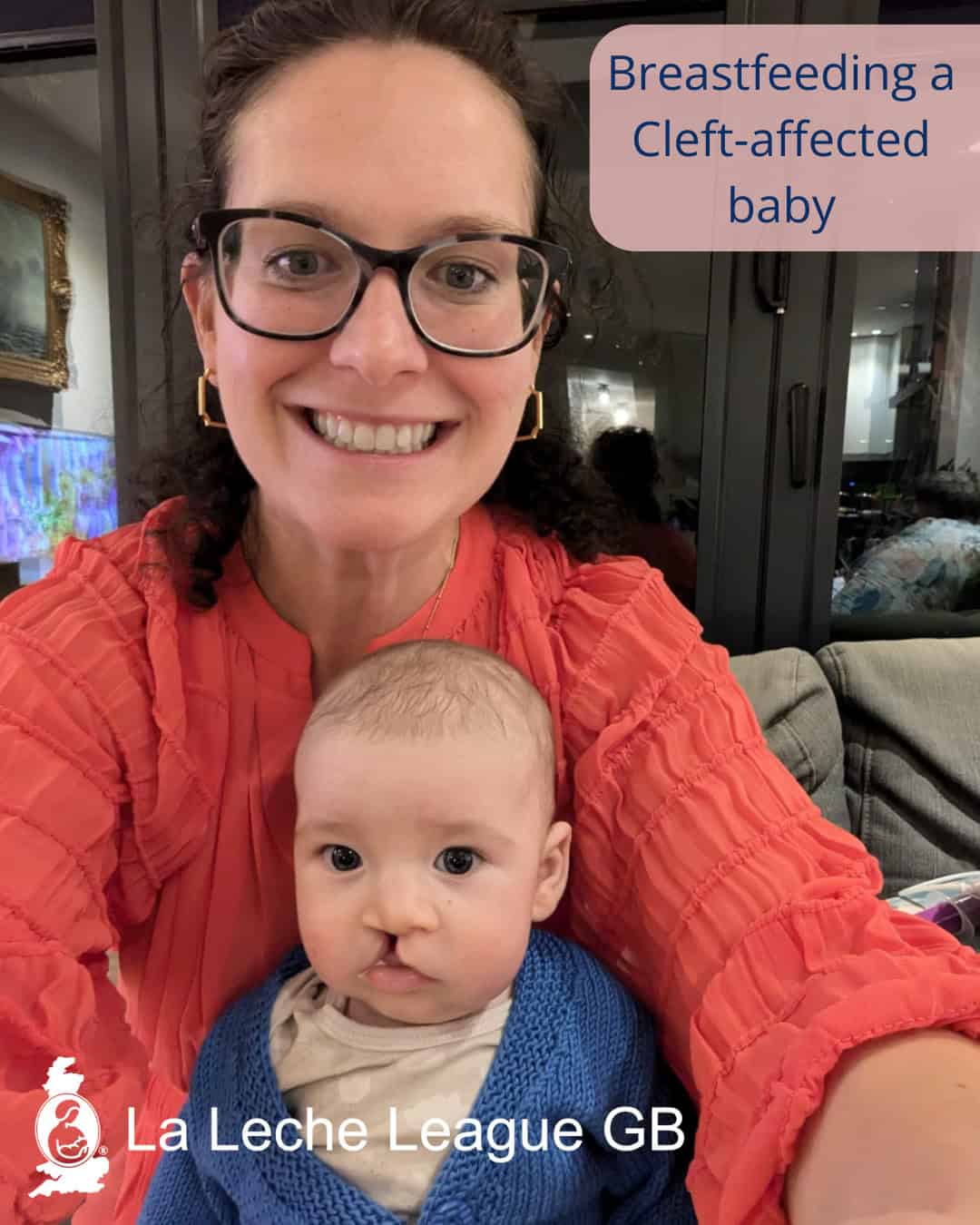
A cleft lip or palate occurs when the structures forming the baby’s upper lip or palate (roof of the mouth) fail to fuse correctly during fetal development. This congenital condition affects approximately 1 in 700 babies globally, presenting unique challenges for parents, particularly concerning infant feeding. While a cleft lip often allows for breastfeeding with adaptations, a cleft palate fundamentally impairs a baby’s ability to generate the necessary suction pressure to extract milk from the breast, necessitating surgical repair before effective direct breastfeeding can typically be established.
The diagnosis of a cleft condition can occur antenatally via ultrasound or, more commonly, immediately after birth. This news can understandably leave parents feeling uncertain about their baby’s feeding journey. However, medical experts and support organizations emphasize that breastfeeding, or feeding expressed human milk, is not only possible but highly beneficial for cleft-affected infants, though it invariably requires perseverance, specialized knowledge, and robust support systems. The journey is often multifaceted, involving early planning, adaptive feeding techniques, and close collaboration with a multidisciplinary medical team.
Understanding Cleft Lip and Palate: Prevalence and Types
Cleft lip and palate are among the most common birth anomalies worldwide. A cleft lip is a visible separation in the upper lip, which can range from a small notch to a complete division extending into the nose. A cleft palate is an opening in the roof of the mouth, which can affect the hard palate (bony front part), the soft palate (fleshy back part), or both. Some babies are born with both conditions. The precise cause is often multifactorial, involving a combination of genetic predispositions and environmental factors, though in many cases, no specific cause is identified.
The distinction between a cleft lip and a cleft palate is critical when considering breastfeeding feasibility. Babies with an isolated cleft lip, especially an incomplete one, may be able to form a seal around the nipple and areola, allowing them to breastfeed directly, perhaps with modified positioning or a deeper latch. In contrast, a cleft palate creates an open connection between the mouth and nasal cavity, preventing the creation of the vacuum seal essential for suction. This means babies with a cleft palate cannot effectively draw milk from the breast or a conventional bottle until surgical intervention corrects the structural defect, typically performed between 6 and 18 months of age, depending on the specific condition and national guidelines.
The Crucial Role of Human Milk for Cleft-Affected Infants

For any newborn, human milk is considered the optimal source of nutrition, offering a unique blend of nutrients, antibodies, and growth factors. For babies with a cleft lip or palate, these benefits are amplified. The immunological properties of human milk provide vital protection against infections, which is particularly important for infants who will undergo surgery. Breast milk also contains anti-inflammatory components and growth factors that can aid in healing and recovery post-operation. Furthermore, the act of sucking, even from alternative devices, helps to develop the oral musculature, which can be beneficial for speech development later on.
Beyond the nutritional and immunological advantages, the act of feeding human milk can foster deep emotional bonding between parent and child. For mothers navigating the complexities of a cleft diagnosis and subsequent medical interventions, the ability to provide their milk can be a source of empowerment and comfort.
Early Intervention and Proactive Planning
When an antenatal diagnosis of a cleft condition is made, it offers a valuable window for preparation. Prospective parents can begin researching, connecting with support organizations like La Leche League (LLL), and consulting with their specialized cleft team. This proactive approach allows families to understand the potential feeding challenges, explore available resources, and formulate a feeding plan tailored to their specific circumstances.
The specialized cleft team typically includes plastic surgeons, pediatricians, audiologists, speech and language therapists, and specialist nurses, including lactation consultants. These professionals provide comprehensive guidance on feeding strategies, surgical timelines, and ongoing developmental support. Establishing contact with these teams early is paramount for a smooth transition into parenthood with a cleft-affected baby.
Establishing and Maintaining Milk Production: A Foundation for Success
Regardless of whether a baby can feed directly from the breast immediately, establishing and maintaining a robust milk supply is the foremost priority in the early days and weeks after birth. A strong milk supply keeps the door open for direct breastfeeding in the future and ensures an ample supply of human milk for alternative feeding methods. The principle of supply and demand governs milk production: the more frequently and effectively milk is removed from the breast, the more milk the body produces.

- Initiation and Frequency: Ideally, milk removal should begin within the first few hours after birth. In the initial month, mothers typically need to breastfeed or express milk at least 8-12 times in 24 hours to signal the body to establish a full milk supply. Consistency is key; frequent milk removal is more critical than the duration of each session.
- Equipment: For mothers whose babies cannot breastfeed efficiently, a double electric "hospital-grade" breast pump is often the most effective tool for establishing and maintaining supply. These pumps are designed for regular, efficient milk expression. Cleft specialist nurses may be able to facilitate borrowing or renting such equipment. Some mothers find success with smaller pumps or hand expression, particularly for colostrum collection in the immediate postpartum period.
- Support: Bringing in a full milk supply under these circumstances can be incredibly demanding. Practical support from family, friends, and healthcare professionals is vital, allowing the mother to focus on her baby and her milk production. Many mothers report that the intensity eases after the first few weeks, as their supply regulates and they become more adept at their routine.
Adaptive Feeding Strategies: Nurturing Growth and Development
In the early days, babies consume small amounts of milk. If a cleft-affected baby cannot take enough milk directly from the breast, various methods can be employed to deliver expressed human milk or other supplements.
- Early Feeding Methods: In the first day or two, small amounts of colostrum can be fed via a syringe or teaspoon. As milk production increases, these methods quickly become impractical due to the larger volumes required.
- Specialized Bottles: The market offers bottles and teats specifically designed for cleft-affected babies. These often feature softer, longer teats, or one-way valves that allow milk to flow without requiring strong suction. The cleft specialist nurse is the best resource for advising on the most suitable type for an individual baby.
- Nursing Supplementers (Supplemental Nursing Systems/Lactation Aids): These devices allow a baby to latch onto the breast while simultaneously receiving supplementary milk through a thin tube positioned next to the nipple. Nursing supplementers offer significant benefits:
- Stimulating Milk Supply: The baby’s suckling at the breast, even if not fully effective, still provides stimulation that helps maintain and increase maternal milk supply.
- Skin-to-Skin Contact: It facilitates close physical contact and bonding, which is invaluable for both parent and baby.
- Oral Development: The practice of latching and suckling can help develop the oral motor skills crucial for future feeding and speech.
- Psychological Benefits: For mothers, it provides the profound emotional satisfaction of "breastfeeding" their baby directly, even with assistance.
There are several types of nursing supplementer systems, including those with a bottle or bag to hold the milk, and those that are essentially just the tubing. Working with a lactation consultant or breastfeeding supporter experienced in using these devices is highly recommended for proper setup and technique.
Delivering Milk Through a Supplementer: Overcoming Suction Challenges
Babies with a cleft palate typically cannot generate sufficient suction. When using a supplementer, the supplementary milk may need to be actively delivered rather than relying solely on the baby’s efforts. This can be achieved by gently squeezing the bag or bottle attached to the supplementer. Some systems even allow for a small hole to be made in the top of the bottle or bag, facilitating milk flow without requiring suction.
An alternative, particularly for precise control, is to use a syringe:
- Draw the expressed milk into a syringe.
- Connect the syringe to the supplementer tubing.
- As the baby latches and attempts to suckle, gently push the plunger of the syringe to deliver milk at a controlled pace. This allows the parent to match the milk flow to the baby’s feeding cues and swallowing rhythm.
Tips for using a nursing supplementer effectively include taping the tube securely to the breast, positioning the tube just past the nipple, and ensuring the milk in the reservoir is warmed to body temperature. Perseverance is key, as mastering the coordination of latch, milk delivery, and baby positioning can take several weeks. However, mothers who have successfully navigated this process often describe it as immensely rewarding, allowing them to experience the profound connection of breastfeeding while ensuring their baby receives vital nourishment.

Optimizing Feeding Positions for Cleft-Affected Babies
Finding a comfortable and effective feeding position is crucial. The goal is often to help the baby achieve the deepest possible latch and to manage any milk leakage that might occur through the cleft. There is no single "right" position; what works best can vary depending on the baby’s specific cleft, their size, and the mother’s comfort.
- Upright Positions: Many parents find more upright positions helpful, as gravity can assist milk flow into the stomach and minimize milk entering the nasal passages.
- Football Hold (Clutch Hold): This position allows the mother to support the baby’s head and neck firmly, providing control over the baby’s alignment and helping to guide the latch.
- Cross-Cradle Hold: Similar to the football hold in its supportive nature, this position allows the mother to use the arm opposite the breast to support the baby’s head, freeing her hand to help position the breast or manage a supplementer tube.
- Dancer Hand Hold: This technique, often used for babies with feeding difficulties, involves the mother’s hand supporting the baby’s chin and breast simultaneously, providing stability and gentle compression to encourage milk flow.
- Pillows and Support: Utilizing pillows can help elevate the baby to the correct height, reducing strain on the mother and allowing for better alignment.
Experimentation and flexibility are encouraged, often with guidance from a lactation consultant or cleft specialist nurse, to discover the most effective and comfortable positions for each unique parent-baby dyad.
The Surgical Journey and Post-Operative Feeding
For babies with a cleft palate, surgery is an essential step toward enabling effective direct breastfeeding. The timing of cleft lip repair (typically around 3-6 months) and palate repair (often 6-18 months) is carefully planned by the medical team. If a mother plans to breastfeed directly after palate surgery, it is highly beneficial for the baby to have had some experience at the breast, even if assisted by a supplementer, prior to the operation. This "muscle memory" helps them "remember" the action of latching and associating the breast with milk.
Post-surgery, babies may initially struggle to feed directly from the breast due to discomfort, swelling, and the adjustment to their new oral anatomy. This period, which can last several weeks, requires patience and continued support. Maintaining milk supply through frequent expression during this time is critical, as human milk not only provides essential nutrition but also contains factors that promote healing and reduce the risk of post-surgical complications. The cleft team will provide specific guidance on feeding restrictions and techniques during the recovery phase.
Comprehensive Support Systems: The Backbone of the Journey

The journey of breastfeeding a cleft-affected baby is rarely undertaken alone. A robust support system is indispensable:
- Cleft Specialist Team: These multidisciplinary teams provide coordinated medical care, surgical planning, and feeding guidance.
- Lactation Consultants/Breastfeeding Supporters: Organizations like La Leche League (LLL) offer invaluable peer-to-peer and professional support, practical tips, and emotional encouragement. LLL Leaders, for instance, are trained to assist mothers through various breastfeeding challenges, including those related to cleft conditions.
- Peer Support Groups: Connecting with other parents who have successfully breastfed cleft-affected babies can provide a unique sense of community, shared experience, and practical advice. Stories from mothers, such as Sarah’s journey with her son Russell, highlight the emotional rewards and practical strategies that lead to successful outcomes.
- Family and Friends: Practical assistance with household chores, childcare for other siblings, or simply emotional encouragement allows mothers to dedicate the necessary time and energy to feeding their baby and maintaining their milk supply.
Broader Implications and Future Outlook
The commitment to supporting breastfeeding for cleft-affected babies has far-reaching implications. Beyond the individual health benefits for infants, it contributes to the overall well-being of families, fostering parental confidence and strengthening the parent-child bond. From a public health perspective, emphasizing and facilitating breastfeeding for this vulnerable population underscores a commitment to equitable healthcare and optimal developmental outcomes. Continued research into best practices, improved feeding technologies, and integrated care models will further enhance the ability of medical professionals and support networks to empower parents of cleft-affected children.
In conclusion, while a cleft lip or palate presents unique feeding challenges, breastfeeding remains a viable and highly beneficial option. With early diagnosis, proactive planning, dedicated medical and lactation support, and adaptive strategies such as specialized bottles and nursing supplementers, parents can successfully provide their babies with the incomparable advantages of human milk, navigating the journey with resilience and hope. The perseverance required is often rewarded with the profound connection and health benefits that breastfeeding offers, proving that even with anatomical differences, the natural act of nurturing can flourish.