

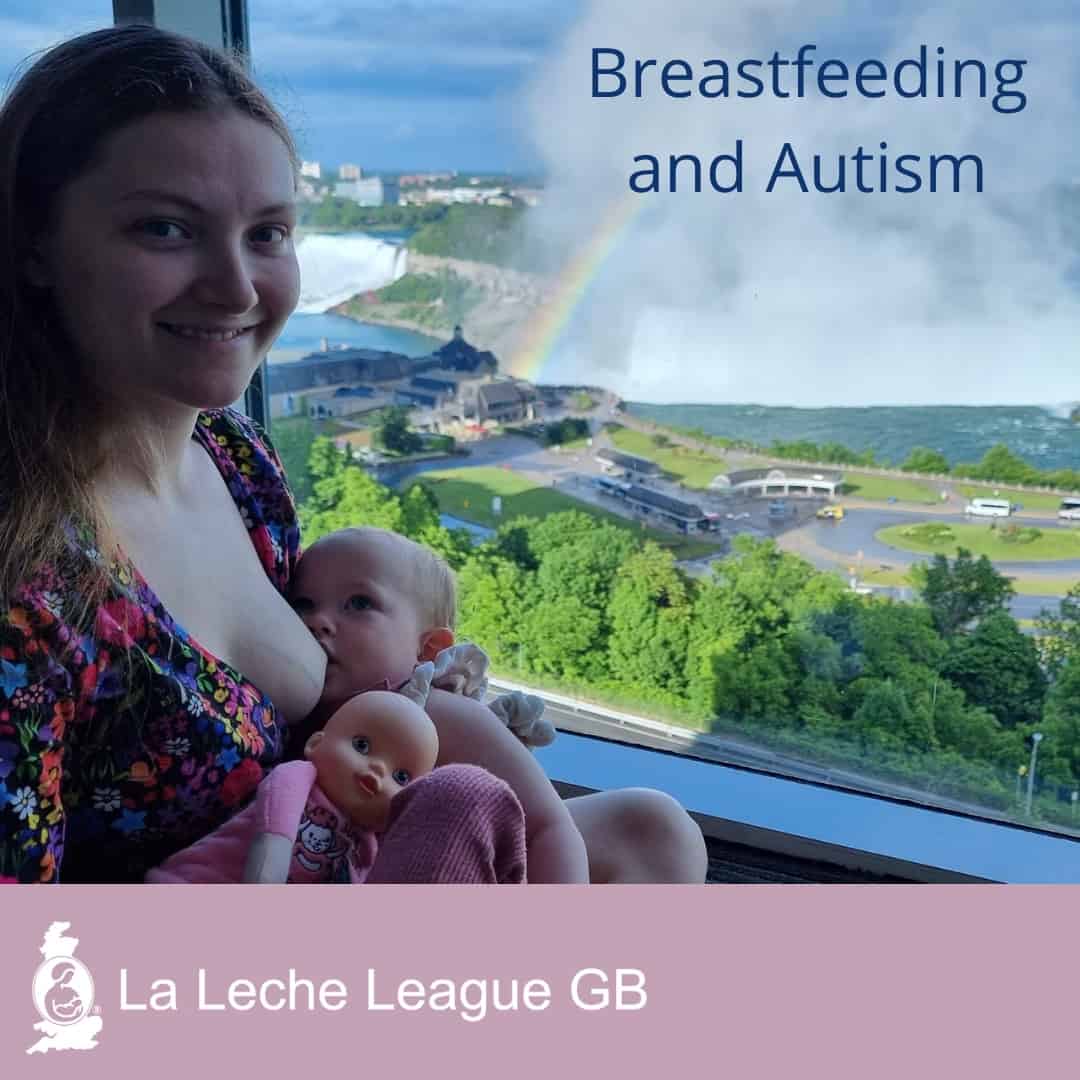
Autism, recognized as a neurodevelopmental difference, profoundly shapes an individual’s experience of the world and their patterns of communication. Those who identify as autistic are often described as neurodivergent, reflecting the natural variations in human neurological development. This spectrum condition manifests uniquely in each person, with abilities and challenges fluctuating based on environment and situation. A significant and often overlooked aspect of this experience is the intersection of autism with parenthood and breastfeeding, impacting both autistic parents and parents raising autistic children.
While the exact prevalence of autism varies globally, estimates for England suggest that approximately 0.82% of the population has a formal diagnosis. Crucially, up to an estimated 72% of autistic individuals in England remain undiagnosed, a figure with profound implications for healthcare and support services. This diagnostic gap is particularly pronounced among women, who historically have been less likely to receive a timely or accurate autism diagnosis due to differing presentations and societal expectations. As a result, many autistic women become parents and choose to breastfeed without the benefit of a formal diagnosis or the tailored support that could significantly enhance their experience. This underscores the critical need for individualized, neurodiversity-affirming care within maternity and breastfeeding support frameworks.
Autistic Parents: Unique Strengths and Systemic Challenges in Breastfeeding
The journey to parenthood and breastfeeding for autistic individuals is characterized by a distinctive blend of inherent strengths and systemic challenges. Autistic women and parents approach breastfeeding with varying needs, necessitating a flexible and person-centered approach from support providers. The masking phenomenon, where autistic individuals suppress their natural behaviors to conform to neurotypical expectations, often makes it difficult for them to articulate their needs, particularly in formal or unfamiliar settings.
The Diagnostic Landscape and its Impact on Maternity Care
The high rate of undiagnosed autism, particularly in women, creates a significant barrier to appropriate care. Many healthcare professionals may not recognize the subtle signs of autism, leading to a misinterpretation of needs or a lack of understanding regarding specific communication styles or sensory sensitivities. This oversight can result in a maternity care experience that is not only unsupportive but potentially traumatic, contributing to higher rates of post-traumatic stress disorder (PTSD) within the autistic community compared to their neurotypical counterparts. A history of feeling a lack of control over one’s body and experiences, especially during birth, can further exacerbate these feelings and impact breastfeeding decisions and success.
Communication Differences: Bridging the Gap in Support

Communication is a cornerstone of effective healthcare, yet autistic individuals frequently experience differences in how they process and express information. This can manifest as situational mutism, where an individual may lose the ability to speak in certain stressful or overwhelming environments, despite being verbal in other contexts. Traditional support mechanisms, such as phone helplines or verbal consultations, may therefore be inaccessible or deeply uncomfortable. To truly support autistic parents, a diverse array of communication methods is essential. This includes offering written or typed communication (e.g., email, online forms, text), visual aids like picture cards, or the use of sign language. The La Leche League Great Britain (LLLGB) has commendably adapted by offering a written "Help Form" as an alternative access point for support, recognizing the limitations of phone-based communication for some.
Sensory Environments and Accessibility of Support Groups
Sensory differences are a hallmark of the autistic experience, impacting how individuals perceive and react to stimuli such as sound, light, touch, taste, and smell. For an autistic parent, the sensory environment of a breastfeeding support group or a hospital ward can be overwhelming. Bright fluorescent lights, unexpected noises, strong smells (perfumes, cleaning products), and physical contact can all trigger distress or sensory overload. This can make attending in-person groups or even hospital appointments incredibly challenging, deterring autistic parents from seeking the support they need.
To foster greater inclusivity, support groups should consider making their environments more predictable and sensory-friendly. Providing clear visual information about the venue, schedule, and expected activities can reduce anxiety. Offering a quiet corner, dim lighting, or the option to attend with a trusted support person can make a significant difference. The ability to understand what to expect and where to go can transform a potentially overwhelming experience into an accessible one.
Emotional and Psychological Well-being
The emotional landscape for autistic parents can be complex. Beyond the higher rates of PTSD, many autistic mothers report experiencing a lack of social support and significant challenges in navigating maternity services. This can stem from anxiety about social interactions, difficulties interpreting social cues, or past negative experiences within healthcare settings. The determination often seen in autistic individuals who choose to breastfeed can be a double-edged sword; while it can drive success, it can also lead to isolation if external support is not readily available or accessible in a way that aligns with their needs. Empowering these parents by acknowledging their agency and providing choices that respect their bodily autonomy is paramount.
The Positives: Strengths in the Breastfeeding Journey
Despite the challenges, many autistic women find profound positives in breastfeeding. For some, the act of breastfeeding offers a unique opportunity for calm, quiet, and regulated time. It can provide a protected space to rest and connect with their baby, serving as a welcome respite from an often overwhelming world. Many autistic parents report feeling empowered by their breastfeeding journey, seeing it as an affirmation of their capabilities and a deeply personal connection with their child.

Furthermore, autistic individuals often demonstrate exceptional abilities in research and information gathering. Those who plan to breastfeed frequently immerse themselves in learning, acquiring extensive knowledge about the process. This meticulous preparation, coupled with a strong sense of determination, can be a significant asset, equipping them with a robust understanding that contributes to successful breastfeeding outcomes.
Breastfeeding an Autistic Child: Understanding Unique Dynamics
The considerations surrounding autism and breastfeeding extend beyond the parent to the child. As autism diagnosis rates in children continue to rise, a growing number of parents are navigating the unique needs of an autistic or neurodivergent child during their breastfeeding journey. The World Health Organization (WHO) recommends breastfeeding for two years and beyond, with the natural age of weaning estimated between 2.5 and 7 years. For an autistic child, breastfeeding may hold even greater significance, providing not just nutrition but also crucial sensory regulation and emotional comfort.
Sensory Differences in Autistic Children and Feeding Patterns
Autistic children often process sensory input differently, leading to heightened sensitivities or a desire to seek specific sensory experiences. These sensory differences can significantly influence breastfeeding patterns. A child might breastfeed very frequently to self-regulate, using the suckling, closeness, and rhythmic sensation as a coping mechanism when feeling overwhelmed, anxious, or in unfamiliar environments. Conversely, sensory aversions might lead a child to breastfeed less often or struggle to latch if they are overwhelmed by external stimuli such as room temperature, clothing textures, loud noises, or even certain smells. Observing and responding to these subtle cues, and modifying the environment to reduce or avoid distressing sensory input, becomes a vital strategy for successful feeding.
"High Needs" Babies and Co-regulation
The term "high needs baby" is often used to describe infants and young children with an intense, persistent need for closeness and physical contact with their primary caregiver. While this is a normal developmental stage for many infants, it can be particularly pronounced and extended in neurodivergent children. For an autistic child, this intense need for co-regulation – relying on the parent to help manage their emotional and physiological states – often translates into a desire for frequent and prolonged breastfeeding. This provides a constant source of comfort, security, and sensory input that helps them navigate a world that can often feel chaotic.
While deeply rewarding, this intense need can be physically and emotionally demanding for the breastfeeding parent. Prioritizing self-care, seeking support from family and friends, and connecting with like-minded communities (both online and in-person) are crucial for sustaining the breastfeeding relationship through these intense early years and beyond.

Feeding Patterns, Boundaries, and Weaning in Autistic Children
As autistic children grow into toddlerhood and beyond, parents often face unique challenges regarding feeding patterns, setting boundaries, and ultimately, weaning. Many parents of autistic toddlers report difficulties with frequent feeding and a lack of specific information about weaning strategies tailored to neurodivergent children.
Weaning an autistic child can be more complex due to persistent sensory sensitivities, communication difficulties, and the profound role breastfeeding plays in their co-regulation. For children who struggle with interoception (the ability to sense internal bodily states like hunger, thirst, or fullness), differentiating between physical hunger and a need for comfort or regulation can be challenging. This can lead to increased breastfeeding, especially if the child also experiences sensory aversions to solid foods based on texture, taste, smell, or appearance.
Despite these challenges, continued breastfeeding into toddlerhood and beyond offers significant benefits. It provides essential nutrients, which can be particularly important if a child’s diet is limited due to sensory preferences or aversions to certain foods. It also continues to offer comfort, security, and a reliable method of regulation.
Parents have various options for managing extended breastfeeding. Some choose to allow their child to self-wean when they naturally outgrow the need, continuing responsive or "on-demand" feeding. Others may opt to set gentle boundaries, limiting the frequency or duration of feeds, or designating specific times and places for breastfeeding. Some parents may ultimately decide to stop breastfeeding altogether. When communication issues are present, setting boundaries requires creativity and patience. Strategies can include using visual schedules or social stories to prepare the child for changes, offering alternative comfort objects or activities, or gradually reducing feed times. LLL Leaders can provide invaluable support and information on these nuanced approaches to boundaries and weaning at different ages and stages.
The Imperative for Inclusive Support Systems
The insights gleaned from the experiences of autistic parents and those breastfeeding autistic children highlight a critical need for more inclusive and neurodiversity-affirming support systems. Traditional models of maternity and breastfeeding care often inadvertently create barriers for autistic individuals, leading to unmet needs and potentially negative health outcomes.
Recommendations for Healthcare Providers and Support Organizations:

- Neurodiversity Training: All healthcare professionals, including midwives, lactation consultants, and support group leaders, should receive comprehensive training on autism and neurodiversity. This training should cover recognition of autistic traits, understanding communication differences, sensory sensitivities, and the impact of masking.
- Individualized Care Plans: Standardized approaches are often ineffective. Care plans must be highly individualized, co-created with the autistic parent, and adaptable to their specific needs and preferences.
- Accessible Communication: Offer multiple channels for communication, including written, email, online forms, and visual aids, in addition to verbal options. Respect preferences for direct, explicit communication over implied or nuanced language.
- Sensory-Friendly Environments: Implement practices to make clinics, wards, and support group venues more sensory-friendly. This includes controlling lighting, minimizing noise, using scent-free products, and offering quiet spaces.
- Proactive Outreach and Advocacy: Support organizations should proactively offer flexible support options, such as one-on-one virtual consultations or home visits, to mitigate anxiety associated with group settings. Advocating for broader systemic changes within maternity services is also essential.
- Peer Support Networks: Facilitate connections between autistic parents to foster a sense of community and shared experience, reducing isolation and providing a unique source of understanding and practical advice.
- Resources for Weaning Autistic Children: Develop and disseminate specific resources and strategies for parents navigating weaning with autistic children, addressing sensory, communication, and co-regulation challenges.
Broader Impact and Future Directions
Addressing the unique needs of autistic parents and families in the context of breastfeeding has far-reaching implications. Improved support can lead to enhanced maternal mental health, higher rates of successful breastfeeding, and better developmental outcomes for children. By creating truly inclusive and understanding support systems, society can move towards a more equitable and compassionate approach to neurodiversity in parenthood. Organizations like the Maternity Autism Research Group (MARG) are pivotal in driving this research and advocating for change.
The journey of breastfeeding, whether as an autistic parent or with an autistic child, is a testament to resilience, connection, and the profound bond between parent and child. By recognizing and celebrating the diversity of these experiences, and by actively working to dismantle barriers, we can ensure that every family receives the respectful, tailored support they deserve.
Written by Emily Lunny, November 2023. Review due November 2026.
Photos courtesy of Sophie Burrows and Emily Lunny.
Further Reading:
- Dysphoric Milk Ejection Reflex (D-MER)
- Still Nursing after 1 year
- Supporting a breastfeeding mother
- Weaning from the breast
Online Information:
- Maternity Autism Research Group (MARG)
References:
[1] O’Nions, E. et al., 2023
[2] Hampton, S. et al., 2021
[3] Hampton, S. et al., 2021
[4] Grant, A. et al. 2022
[5] Rumball, F., Happé, F. and Grey, N., 2020
[6] Grant, A. et al., 2022
[7] Crane, L. et al., 2018
[8] Dettwyler, K.A., 1999
Copyright LLLGB 2023