


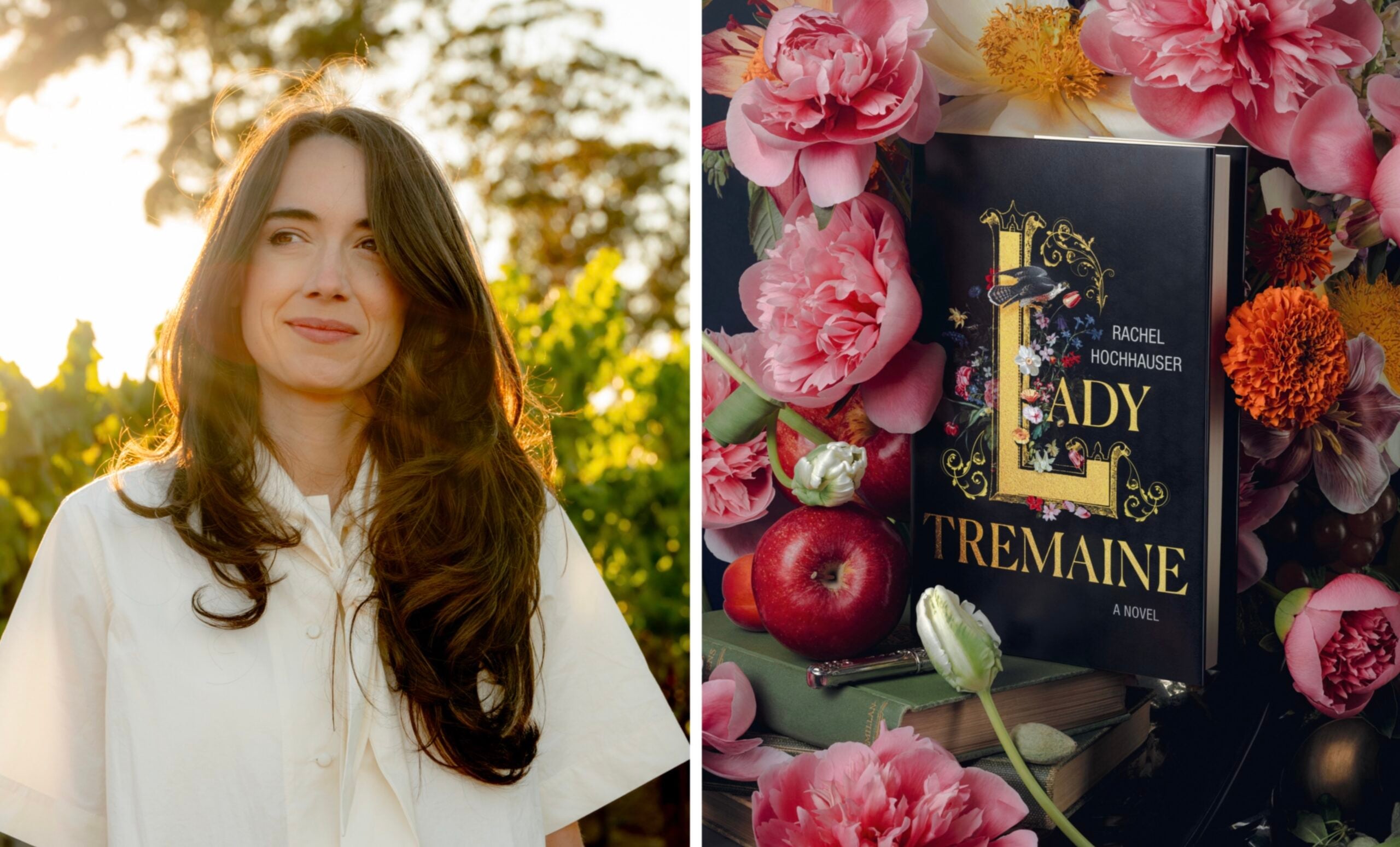
The literary landscape of 2026 has been significantly reshaped by the release of Rachel Hochhauser’s debut novel, Lady Tremaine, a sophisticated reimagining of the classic Cinderella story told through the perspective of the infamous stepmother. Since its publication by St. Martin’s Press, the novel has transitioned from a highly anticipated release to a cultural touchstone, bolstered by its recent selection for Reese Witherspoon’s Book Club. This endorsement, often referred to in the industry as the "Reese Effect," has historically propelled titles to the top of global bestseller lists and accelerated negotiations for cinematic adaptations. Hochhauser’s work distinguishes itself by eschewing the traditional tropes of the "evil stepmother" in favor of a gritty, realistic portrayal of a woman navigating the precarious social and economic structures of a vaguely 18th-century Western European setting.
A Narrative Reversal: The Pragmatism of Survival
In Hochhauser’s retelling, the character of Lady Tremaine is stripped of her supernatural malice and recontextualized as a twice-widowed matriarch fighting against the terminal decline of her family’s status. The narrative follows her attempts to pull herself and her two biological daughters out of mounting debt while maintaining a crumbling estate. The "Cinderella" figure, traditionally the protagonist, is viewed through a lens of domestic tension—an ungrateful stepdaughter whose presence adds to the emotional and financial burden of a household on the brink of collapse.
The novel’s plot centers on the grueling realities of 18th-century survival. Readers encounter a Lady Tremaine who hunts rabbits to provide dinner and performs manual labor to prevent her home from literally falling apart. This shift in perspective forces a re-evaluation of the original fairy tale’s moral binary. By highlighting the systemic pressures placed on women during the era—specifically the lack of property rights and the necessity of "secure marriages" as a survival strategy—Hochhauser transforms a villainous caricature into a figure of complex, albeit ruthless, pragmatism.
The Genesis of the Novel: Personal Crisis as Creative Catalyst
The origins of Lady Tremaine are rooted in a period of intense personal upheaval for the author. In 2023, Hochhauser’s life was upended when her husband was diagnosed with a critical neurological condition requiring emergency brain surgery. During a protracted recovery period characterized by vertigo and significant weight loss for her spouse, Hochhauser found herself in the role of primary caregiver, solo-parenting a toddler while maintaining full-time employment.
It was during a moment of respite in a hospital waiting room that Hochhauser encountered a cartoon image of Cinderella’s stepmother on her phone. Having spent months in a state of hyper-vigilance and domestic management, she found herself identifying not with the persecuted heroine, but with the woman tasked with the survival of the household. This realization—that the "villain" of the story was, in many ways, an overworked mother making impossible choices—became the foundational theme of the book. Hochhauser has noted in subsequent interviews that the writing process served as a vessel for her own experiences with the "violation of expectations" that often accompanies parenthood and caregiving.
Chronology of a Literary Phenomenon
The trajectory of Lady Tremaine from a hospital waiting room concept to a major literary success followed a distinct timeline:
- Mid-2023: Hochhauser begins conceptualizing the narrative during her husband’s medical recovery, focusing on the domestic labor and psychological toll of the stepmother’s role.
- 2024–2025: The manuscript is completed and acquired by St. Martin’s Press. The editorial process emphasizes the "cinematic" quality of the prose and the historical accuracy of the setting’s atmosphere, if not its specific dates.
- Early 2026: The novel is released to critical acclaim. Early reviews praise the book for its "U-turns" on familiar plot points, such as the iconic scene where the stepdaughter’s dress is destroyed, reimagined here as a moment of profound domestic and social tension.
- March 2026: Reese’s Book Club officially selects Lady Tremaine, triggering a massive surge in sales and social media engagement.
- Present: The novel is currently being discussed as a frontrunner for major literary awards and is in the early stages of development for a feature film adaptation.
Supporting Data: The Market Impact of Feminist Retellings
The success of Lady Tremaine reflects a broader trend in the publishing industry over the last decade. Feminist retellings of myths and fairy tales have become a dominant force in the market. Data from the 2020–2025 period shows that titles like Madeline Miller’s Circe and Jennifer Saint’s Ariadne paved the way for "villain-centric" narratives that humanize female figures previously dismissed as one-dimensional antagonists.
According to industry analysts, "the reclamation of the female villain" is a sub-genre that resonates particularly well with the 25–45 female demographic, which makes up a significant portion of the book-buying public. The selection by Reese Witherspoon’s Hello Sunshine media company further guarantees a level of visibility that few other marketing avenues can provide. Historically, books selected for this club see an average sales increase of over 500% within the first month of the announcement.
Artistic Integrity and Historical Research
Despite the novel’s "get-out-of-jail-free card" regarding specific historical dates, Hochhauser engaged in extensive research to ground the story in a sense of tactile reality. The author reportedly studied 18th-century diaries, etiquette manuals, and falconry handbooks to ensure the domestic life of Lady Tremaine felt authentic. Her use of a falcon in the book, inspired by Helen Macdonald’s H Is For Hawk, serves as a metaphor for the controlled ferocity required of the protagonist.
The book’s cover art also reflects a commitment to historical female agency. Hochhauser collaborated with St. Martin’s Press to feature floral elements from the paintings of Clara Peeters, a 17th-century Dutch Golden Age artist who was one of the few women of her time to achieve professional recognition in the field. This choice was intentional, aimed at aligning the book’s visual identity with the theme of women who were "ahead of their time and doing something different."
Broader Implications: Redefining Motherhood in Literature
Beyond its commercial success, Lady Tremaine is being analyzed for its contribution to the discourse on modern motherhood. The novel explores the "essential lesson" that parenting requires a constant recalibration of expectations. In a pivotal moment of the book, Lady Tremaine realizes she must parent each of her three daughters—the two biological and one stepdaughter—differently, acknowledging their individual identities rather than forcing them into a collective mold.

Critics have noted that the novel’s concluding sentence—"You are the scariest thing in the woods"—serves as a powerful subversion of the "damsel in distress" archetype. It suggests that the true source of power in the narrative is not the magic of a fairy godmother or the rescue of a prince, but the internal strength and terrifying resolve of a woman who has nothing left to lose.
Industry and Peer Reactions
The reaction from the literary community has been overwhelmingly positive. Authors and critics have pointed to the book’s ability to "explode" the world of the original fairy tale in its second half, moving beyond the familiar ball and glass slipper into a deeper exploration of class and survival.
Joanna Goddard, a prominent literary influencer and founder of the "Big Salad" community, noted that the book prompted personal reflections on the social pressures placed on women to remain "likable" even in dire circumstances. Similarly, industry insiders suggest that the novel’s cinematic pacing and vivid descriptions of the "crumbling house" and "village market" make it a prime candidate for a high-budget period drama.
As Lady Tremaine continues its ascent on the global charts, it stands as a testament to the enduring power of the fairy tale to reflect contemporary anxieties. By giving a voice to the stepmother, Rachel Hochhauser has not only redeemed a villain but has also highlighted the invisible labor and systemic challenges that have defined the lives of women for centuries. The novel remains a significant cultural milestone for 2026, challenging readers to look past the surface of "happily ever after" to the complex, often difficult truths beneath.