

The world of children’s literature is a powerful tool for shaping young minds and fostering empathy, yet a significant disparity exists in the representation of diverse characters within published books. Recent analyses and ongoing research consistently highlight that a disproportionate number of children’s books feature white, male protagonists. This underrepresentation extends to characters with disabilities and diverse sexual orientations, creating a gap between the reality of our diverse society and the narratives presented to children. This article aims to curate a selection of acclaimed children’s books that actively champion diversity across race, gender, disability, and sexuality, offering valuable insights into their significance and impact.
The Imperative for Diverse Representation in Children’s Literature
The importance of diverse representation in children’s books cannot be overstated. For children from marginalized communities, seeing themselves reflected in stories can be profoundly validating, fostering a sense of belonging and self-worth. It allows them to recognize their experiences, identities, and aspirations within the broader narrative of childhood. Conversely, for children from majority groups, exposure to diverse characters broadens their understanding of the world, cultivates empathy, and challenges potential stereotypes. It equips them with the tools to navigate an increasingly diverse society with greater awareness and respect.
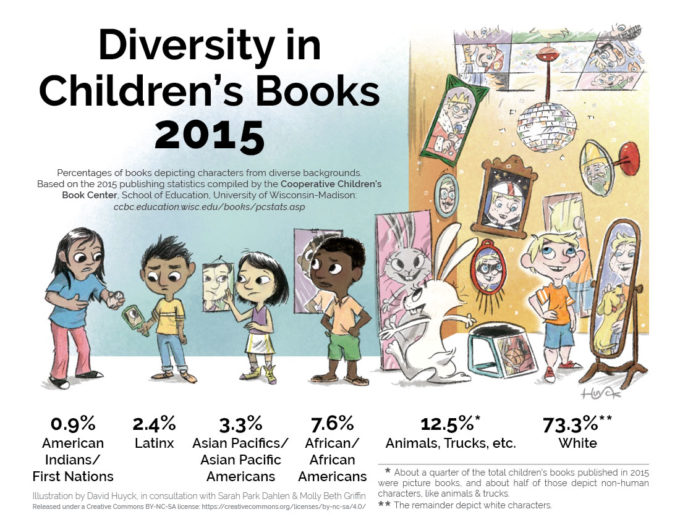
Research from organizations like the Cooperative Children’s Book Center (CCBC) at the University of Wisconsin-Madison has consistently tracked the demographics of characters in children’s literature. While the landscape is slowly evolving, data from recent years continues to show a significant overrepresentation of white characters compared to their presence in the U.S. population. Similarly, books featuring girls and women as protagonists often lag behind those with male leads, a trend that extends even to animal or anthropomorphic characters. The persistent lack of representation for characters with disabilities and LGBTQ+ identities further underscores the need for a conscious effort to diversify the literary offerings available to young readers.
This editorial initiative, therefore, seeks to address this critical need by highlighting books that not only meet high literary standards but also actively showcase a spectrum of human experiences. The selection process prioritizes books that are engaging, well-written, and suitable for various age groups, ensuring that the message of inclusivity is delivered through compelling storytelling.

A Curated Collection of Diverse Children’s Books
The following selections represent a carefully chosen array of books that have garnered critical acclaim and resonated with young readers and their families for their inclusive narratives and artistic merit. They are categorized by age appropriateness to assist parents, educators, and librarians in their selection process.
Books for Babies and Toddlers
The earliest years of a child’s life are foundational for developing their understanding of the world and their place within it. Board books designed for this age group play a crucial role in introducing concepts and characters.
-
"Not Quite Narwhal" by Jessie Sima: This charming story introduces Kelp, a creature who has always felt a little different. While it can be interpreted as a tale of embracing individuality, it also beautifully portrays the overarching theme of familial love and acceptance. The book’s gentle narrative and endearing illustrations make it a favorite for introducing young children to themes of belonging and identity.
-
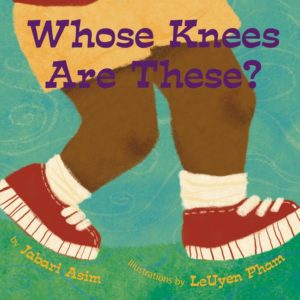
"Whose Knees Are These?" by Lubna M. Z. Khan, illustrated by Manju Shandilya: This simple yet effective board book uses playful rhymes to encourage young children to identify body parts. Its inclusive approach implicitly celebrates the diversity of human bodies by presenting a range of children in its illustrations, fostering early body positivity and recognition.
-
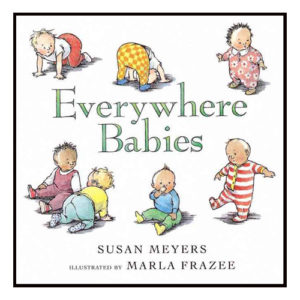
"Everywhere Babies" by Susan Meyers, illustrated by Caldecott Honor winner Rafael López: This book offers a visually rich and simple narrative that celebrates the universal experience of babies. Through López’s vibrant illustrations, readers are introduced to a diverse array of babies from different racial and ethnic backgrounds, engaged in everyday activities. The book’s inclusive portrayal of families and communities makes it a standout choice for very young children.
-
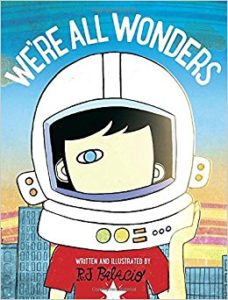
"We’re All Wonders" by R.J. Palacio: Adapted from the critically acclaimed novel "Wonder," this picture book introduces the character of Auggie Pullman to a younger audience. Auggie, who looks different from his peers, navigates the challenges of social acceptance. The book gently introduces themes of empathy, kindness, and the idea that everyone is a wonder, regardless of their appearance. It serves as an accessible entry point for discussing differences and fostering compassion from an early age.
Books for Preschoolers
As children enter the preschool years, their capacity for understanding more complex narratives and social dynamics expands. This age group benefits from stories that explore themes of friendship, individuality, and navigating social situations.
-
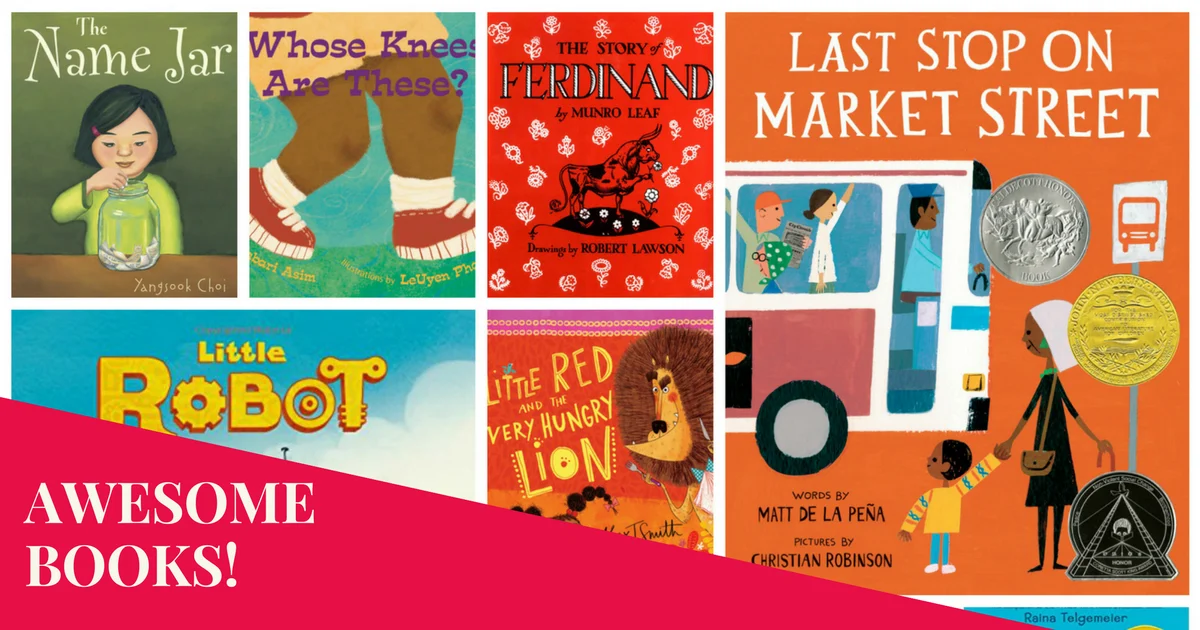
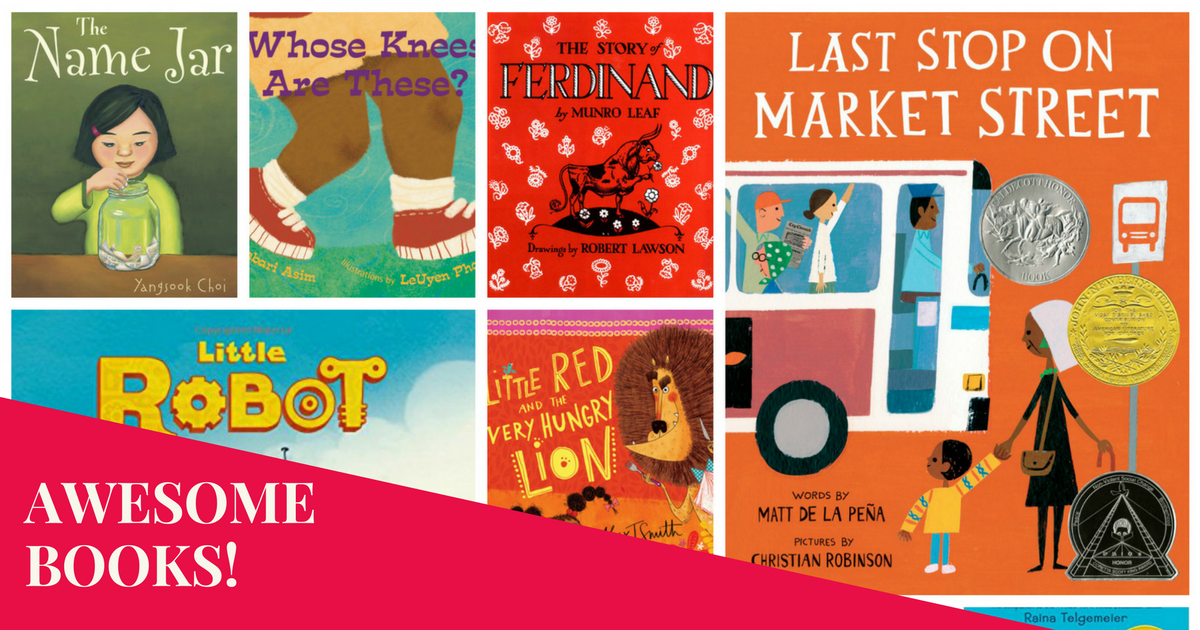
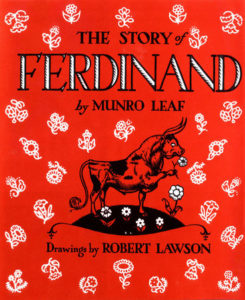
"The Story of Ferdinand" by Munro Leaf, illustrated by Robert Lawson: A timeless classic, "The Story of Ferdinand" tells the tale of a bull who prefers smelling flowers to participating in bullfights. Ferdinand’s gentle nature and refusal to conform to societal expectations make him a unique and beloved character. The book, a Newbery Honor recipient, subtly champions individuality and challenges traditional notions of masculinity, offering a valuable lesson in embracing one’s true self.
-
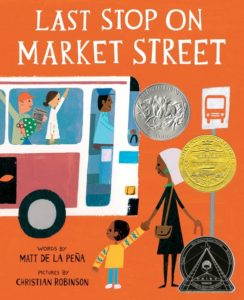
"Last Stop on Market Street" by Matt de la Peña, illustrated by Christian Robinson: This Caldecott Medal winner follows CJ and his grandmother on their weekly bus ride. Through their journey, the book beautifully explores themes of community, gratitude, and finding beauty in the everyday. The vibrant illustrations by Christian Robinson showcase a diverse urban landscape and a range of characters, making it a powerful testament to the richness of shared experiences and the importance of intergenerational connection.
-
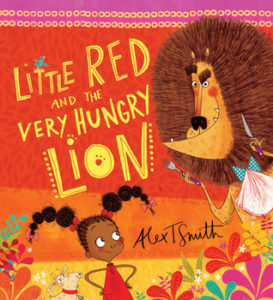
"Little Red and the Very Hungry Lion" by Lyn Triffid Hunt, illustrated by Jackie French: A delightful twist on the classic "Little Red Riding Hood," this version features a brave young girl in a vibrant African setting. The story is filled with humor, colorful illustrations, and a satisfyingly happy ending for all characters involved. Its fresh take on a familiar tale and its diverse setting offer a unique and engaging reading experience.
-
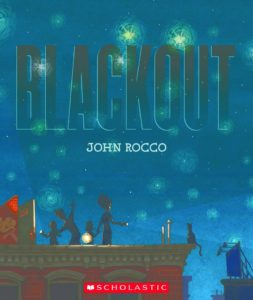
"Blackout" by John Rocco: This Caldecott Honor book uses minimal text and striking illustrations to tell the story of a family whose usual routines are disrupted by a city-wide power outage. The blackout forces them to connect with each other and their neighbors, fostering a sense of community and shared experience. The book’s diverse cast of characters and its emphasis on human connection during challenging times make it a compelling read for preschoolers.
-
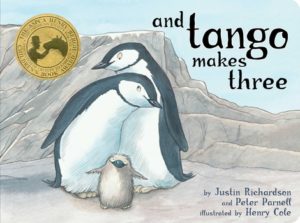
"And Tango Makes Three" by Justin Richardson and Peter Parnell, illustrated by Henry Cole: Based on a true story, this book introduces readers to two male penguins at the Central Park Zoo, Roy and Silo, who form a pair and are given an egg to raise. It is a heartwarming narrative that celebrates diverse family structures and the universal nature of love and parenting. Its straightforward approach to same-sex relationships makes it an important resource for introducing children to different family configurations.
-
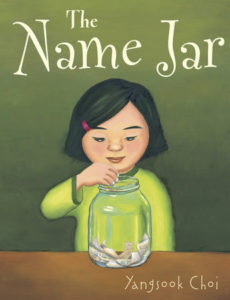
"The Name Jar" by Yangsook Choi, illustrated by Yeon-jung Yu: Unhei, a young girl who has recently moved from Korea, worries about her classmates pronouncing her name. The story beautifully explores the challenges of adapting to a new culture and the importance of embracing one’s heritage. The book’s depiction of a supportive classroom environment and its gentle message about self-acceptance make it a valuable addition to any library.
-
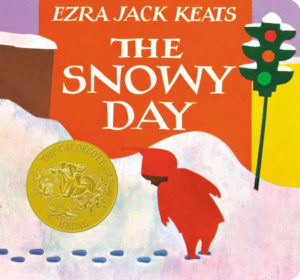
"The Snowy Day" by Ezra Jack Keats: A perennial favorite and a recipient of the Caldecott Medal, "The Snowy Day" follows Peter, a young Black boy, as he explores the magic of a snow-covered world. Keats’s groundbreaking illustrations and Peter’s simple joy in discovery have made this book a beloved classic for generations. It stands out for its early and impactful representation of a Black child as the protagonist of a children’s book.
-
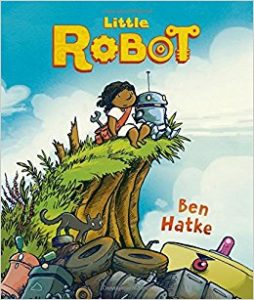
"Little Robot" by Ben Hatke: This wordless graphic novel tells the story of a small robot who is befriended by a determined young girl. The narrative unfolds through expressive illustrations, highlighting themes of friendship, loyalty, and connection across differences. Hatke’s distinctive art style and the universal appeal of the story make it accessible and engaging for a wide range of young readers.
Books for Bigger Kids
As children grow older, their engagement with literature can deepen, allowing for more nuanced explorations of identity, relationships, and complex themes. The following selections offer compelling narratives with diverse protagonists and themes relevant to older elementary and middle school readers.
-
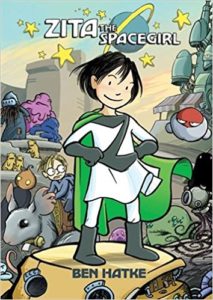
"Zita the Spacegirl" Series by Ben Hatke: This beloved series features Zita, a courageous and resourceful Earth girl who embarks on intergalactic adventures. The books are celebrated for their strong female protagonist, engaging storylines, and imaginative world-building. Zita’s loyalty, bravery, and capacity for friendship resonate deeply with readers, making her a compelling role model. Hatke’s work consistently features relatable characters and exciting plots that appeal to a wide age range.
-
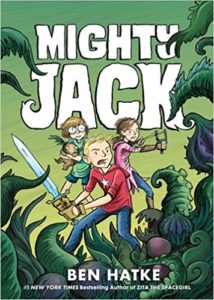
"Mighty Jack" Series by Ben Hatke: A creative retelling of "Jack and the Beanstalk," this series introduces Jack and his sister Maddy. Maddy, who has autism and is nonverbal, plays a central role in the narrative, and her relationship with Jack is a key focus. The story also touches upon themes of divorce and complex family dynamics. "Mighty Jack" is a thrilling comic book adventure that seamlessly integrates important social themes, making it a thought-provoking read for older children.
-
"El Deafo" by Cece Bell: This Newbery Honor-winning graphic novel is a semi-autobiographical account of Cece, a young girl who loses her hearing. She navigates the challenges of being different by imagining herself as a superhero named "El Deafo." The book is praised for its humor, honesty, and relatable portrayal of childhood struggles with identity and acceptance. It offers a powerful perspective on living with a disability and finding strength in one’s unique qualities.
-
"Sisters" by Raina Telgemeier: Raina Telgemeier’s graphic novels are immensely popular among young readers, and "Sisters" is no exception. This story delves into the complex relationship between two sisters during a family road trip. It explores themes of sibling rivalry, family dynamics, and personal growth with humor and authenticity. Telgemeier’s accessible artwork and relatable storytelling have made her a significant voice in contemporary children’s literature. Her other works, such as "Ghost" (featuring a protagonist with cystic fibrosis) and "Drama" (which includes themes of unrequited crushes and a character questioning his sexuality), further contribute to her diverse literary offerings.
Broader Impact and Implications
The inclusion of diverse characters and narratives in children’s literature is not merely a matter of social justice; it is essential for fostering a more inclusive, empathetic, and understanding society. By exposing children to a wide range of perspectives and experiences from an early age, we equip them with the critical thinking skills and emotional intelligence necessary to navigate a complex world.
The ongoing efforts to promote diverse books are supported by various initiatives, including literary awards that specifically recognize diverse voices and stories, and advocacy groups that work to increase the visibility and accessibility of these books. While progress has been made, the journey towards truly equitable representation in children’s literature is ongoing. Continued engagement from parents, educators, librarians, and publishers is crucial to ensure that all children have the opportunity to see themselves and their diverse world reflected in the stories they cherish.
This curated list serves as a starting point, an invitation to explore the rich tapestry of children’s literature that embraces diversity. It is a testament to the power of stories to connect us, to broaden our horizons, and to shape a more compassionate future for all. As the literary landscape continues to evolve, the commitment to diverse storytelling remains a vital endeavor in nurturing the minds and hearts of the next generation.
