

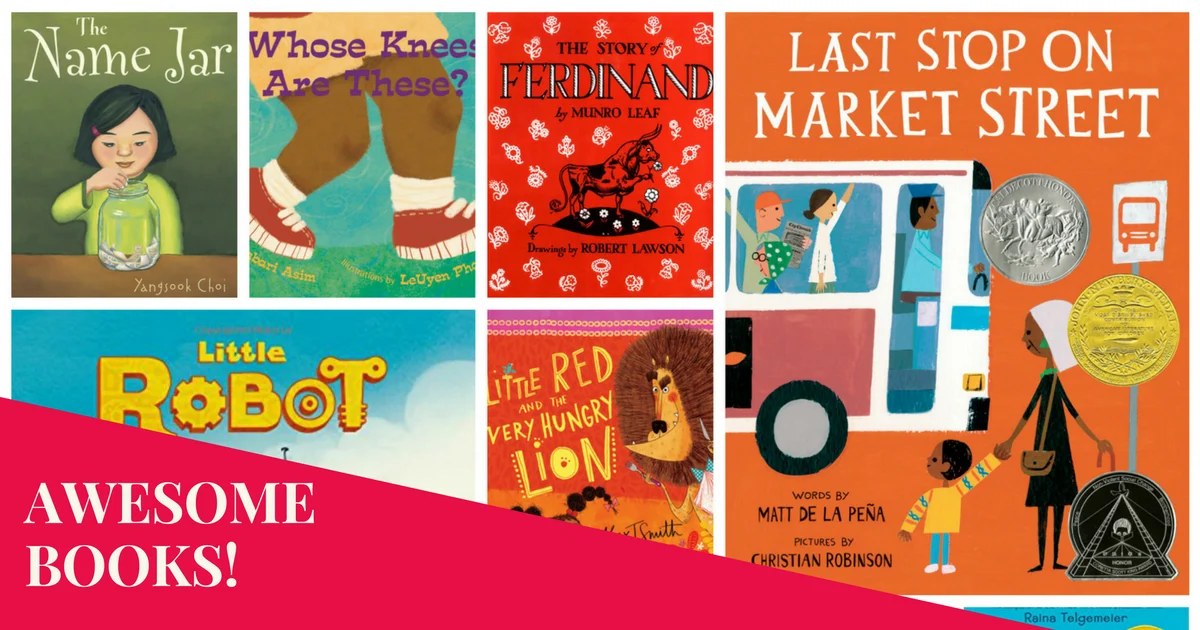
The landscape of children’s literature is undergoing a significant transformation, driven by a growing recognition of the crucial role diverse representation plays in a child’s development and understanding of the world. While the selection of engaging and high-quality books for young readers remains a primary goal for parents and educators, there is an increasing emphasis on ensuring these narratives reflect the multifaceted reality of society. This includes characters that represent a broad spectrum of races, ethnicities, genders, abilities, and sexual orientations. The impetus for this shift stems from persistent underrepresentation in children’s books, a phenomenon that has long shaped how children perceive themselves and others.
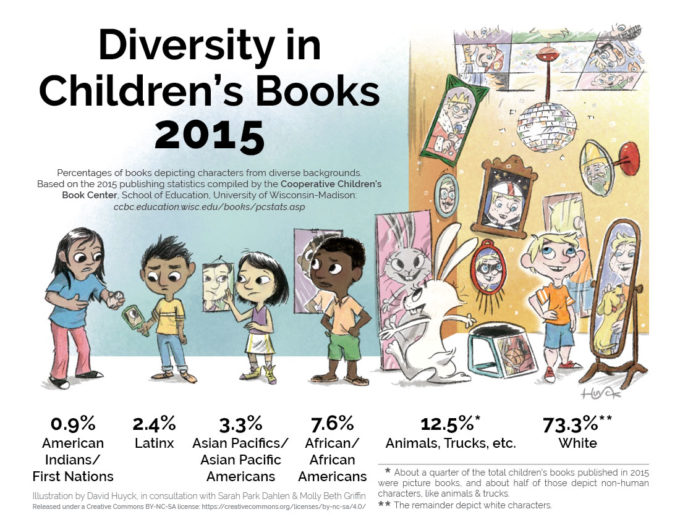
Historically, children’s books have been dominated by a narrow demographic. Data from various studies consistently highlight this disparity. For instance, a 2015 analysis by the Cooperative Children’s Book Center at the University of Wisconsin-Madison revealed that only a small percentage of children’s books featured characters of color, and even fewer were written by authors of color. Similarly, research has pointed to a gender imbalance, with male characters frequently outnumbering female protagonists, even in books where the main characters are animals or anthropomorphic figures, which are almost invariably portrayed as male. This pervasive lack of diversity can lead to a skewed understanding of the world for children, particularly those who do not see themselves reflected in the stories they consume.
The impact of this underrepresentation is multifaceted. For children from marginalized groups, the absence of relatable characters can lead to feelings of invisibility and alienation, potentially affecting their self-esteem and sense of belonging. Conversely, for children from dominant groups, a lack of exposure to diverse narratives can foster unconscious biases and limit their capacity for empathy and understanding towards those who are different from them. Experts in child development and education emphasize that early exposure to diverse stories is instrumental in cultivating inclusive attitudes, promoting critical thinking, and preparing children for a globalized society.
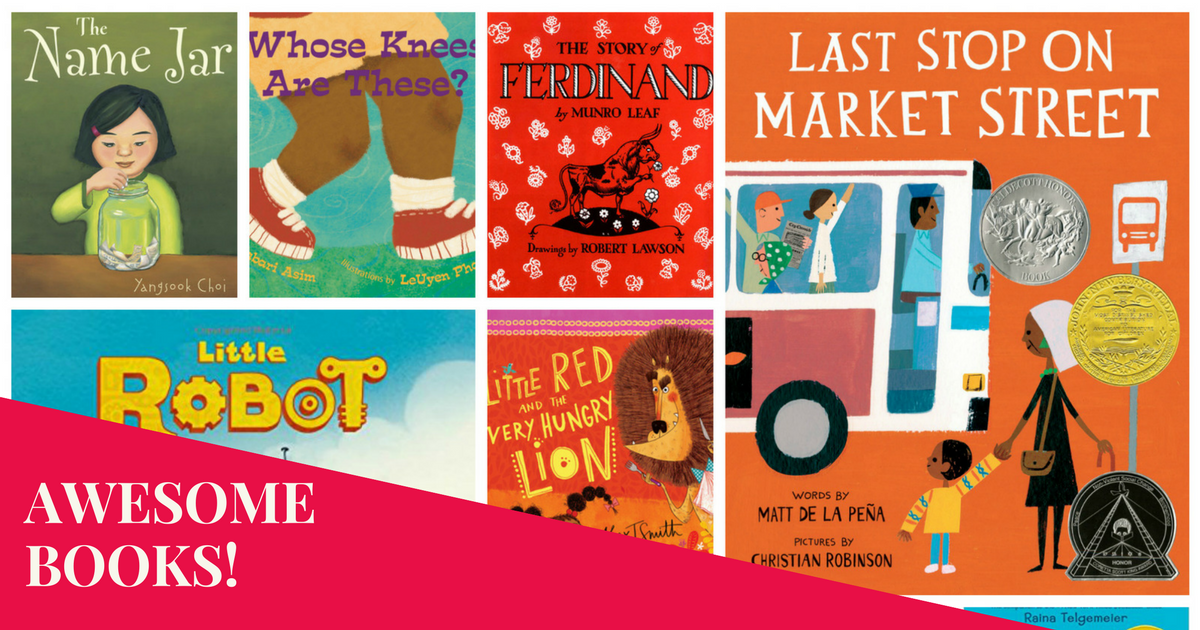
Recognizing this critical need, a curated selection of books has emerged that not only captivates young readers with compelling storytelling and vibrant illustrations but also actively champions diversity. These selections span various age groups, from infants and toddlers to older children, offering a rich tapestry of characters and experiences.
Early Literacy: Building Foundations with Diverse Characters
For the youngest readers, typically infants and toddlers, the introduction to books is a foundational step in language development and cognitive growth. In this crucial developmental stage, the visual and thematic elements of books are paramount.

"Not Quite Narwhal" by Jessie Sima offers a heartwarming tale about a creature who feels different but ultimately finds a loving family. While seemingly a simple story about belonging, its underlying message of acceptance and familial love resonates deeply, providing an early introduction to emotional intelligence and diversity in family structures.
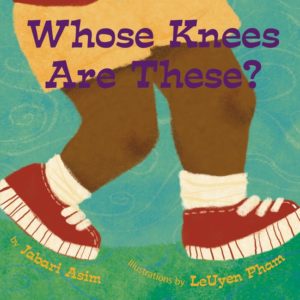
"Whose Knees Are These?" is a delightful board book that uses simple rhymes to help young children identify body parts. Its appeal lies in its interactive nature and its inclusive depiction of various children, subtly normalizing a range of appearances and family compositions.
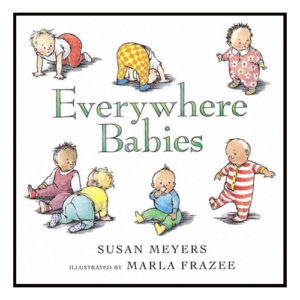
"Everywhere Babies" by Susan Middleton Eady, with illustrations by the acclaimed artist Rosalind Beardshaw, celebrates the universality of babies. This book, featuring a diverse array of infants from different racial and ethnic backgrounds, underscores the shared experience of early childhood, fostering a sense of global connection from the outset. The illustrations, rich with detail and warmth, make it a visually engaging experience for very young children.
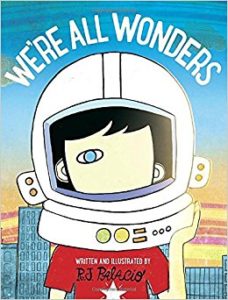
"We’re All Wonders" by R.J. Palacio, a picture book adaptation of the critically acclaimed novel "Wonder," introduces the character of Auggie Pullman to a younger audience. Auggie, who looks different from his peers, navigates the challenges of public school. The book champions the idea that everyone is unique and special, promoting empathy and understanding for individuals with visible differences. This story is particularly impactful in teaching children about kindness and acceptance of those who may not fit conventional societal norms.
Preschool Narratives: Exploring Identity and Belonging
As children transition into preschool, their understanding of the world expands, and they begin to form stronger impressions of identity and social dynamics. Books at this age can play a significant role in shaping these perceptions.
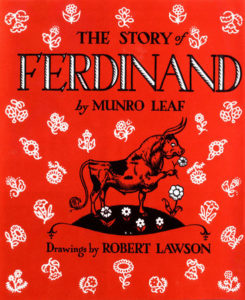
"The Story of Ferdinand" by Munro Leaf, a timeless classic, tells the story of a bull who prefers smelling flowers to bullfighting. Ferdinand’s gentle nature and his refusal to conform to traditional masculine expectations offer a subtle yet powerful message about individuality and challenging societal norms. This book, celebrated for its lyrical prose, encourages children to embrace their unique personalities, even if they differ from expectations.
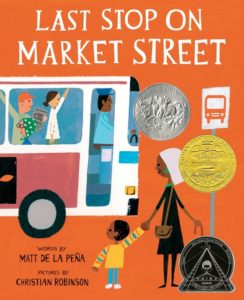
"Last Stop on Market Street" by Matt de la Peña, illustrated by Christian Robinson, is a poignant story about a young boy and his grandmother taking a bus ride through their urban neighborhood. The book beautifully captures the essence of community, intergenerational relationships, and finding beauty in everyday life, regardless of socioeconomic status. Robinson’s vibrant illustrations depict a diverse urban landscape, subtly highlighting the richness of multicultural communities. The narrative’s focus on appreciating the present moment and the people around us provides valuable life lessons.
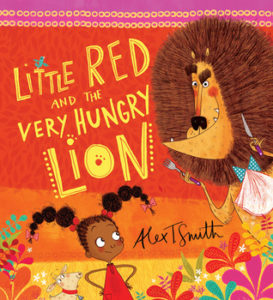
"Little Red and the Very Hungry Lion" by Alexis T. L. is a vibrant and humorous retelling of the classic fairy tale, set in the African jungle. This adaptation offers a refreshing cultural perspective, featuring strong female characters and a playful twist on a familiar narrative. Its colorful illustrations and engaging plot make it a favorite for its entertainment value and its subtle introduction to different cultural settings.
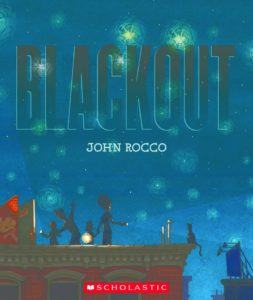
"Blackout" by John Rocco, a Caldecott Honor recipient, uses minimal text and striking illustrations to tell the story of a family whose lives are transformed when a city-wide power outage brings them together. The book highlights the importance of family connection and shared experiences, especially in an age often dominated by individual digital distractions. The story implicitly showcases a contemporary family dynamic and the unexpected joys that can arise from disruptions to routine.
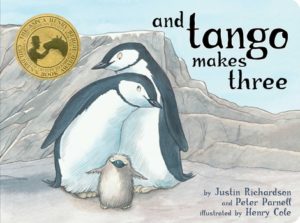
"And Tango Makes Three" by Justin Richardson and Peter Parnell, illustrated by Henry Cole, is a true story about two male penguins at the Central Park Zoo who form a pair and raise a chick together. This book is a significant contribution to LGBTQ+ representation in children’s literature, offering a simple and accessible narrative about same-sex relationships and the diverse forms families can take. Its factual basis makes it a gentle introduction to complex family structures for young children.
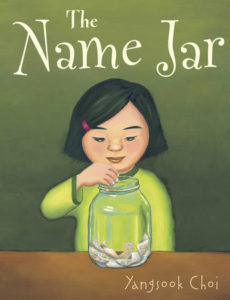
"The Name Jar" by Yangsook Choi tells the story of Unhei, a young Korean immigrant who is worried about her new classmates pronouncing her name. The book thoughtfully explores themes of cultural identity, belonging, and the courage it takes to embrace one’s heritage. The narrative beautifully illustrates the challenges of navigating a new culture while celebrating the richness that diversity brings.
"The Snowy Day" by Ezra Jack Keats, a recipient of the Caldecott Medal, remains a beloved classic for its simple yet profound depiction of a young Black boy’s joyful exploration of a snow-covered world. Keats’ groundbreaking use of collage and his sensitive portrayal of a child’s wonder and imagination have made this book a staple in early childhood education for decades. Its enduring appeal lies in its universal theme of childhood delight and its pioneering representation of a Black protagonist in a children’s book.
"Little Robot" by Ben Hatke is a wordless graphic novel that tells the story of a lonely robot befriended by a kind girl. The absence of text allows for a universal understanding of friendship, kindness, and connection, transcending language barriers. Hatke’s distinctive illustration style brings emotion and depth to the characters, making it a compelling narrative for visual learners.
Expanding Horizons: Books for Older Children
As children grow, their capacity for understanding more complex themes and narratives increases. Books for older children can tackle more nuanced issues of identity, social justice, and personal growth.
"Zita the Spacegirl" trilogy by Ben Hatke features a brave and resourceful young girl who embarks on a series of intergalactic adventures. These graphic novels are celebrated for their strong female protagonist, compelling storylines, and themes of loyalty, courage, and friendship. Hatke’s characters are often flawed yet lovable, making them relatable to young readers. The series also subtly introduces elements of diverse alien cultures, expanding children’s understanding of the vast possibilities of existence.
"Mighty Jack" by Ben Hatke is a creative retelling of the Jack and the Beanstalk story, with a significant addition: Jack’s sister, Maddy, has autism and is nonverbal. Their sibling relationship is central to the plot, exploring themes of family dynamics, caregiving, and unconditional love. The graphic novel also touches upon the complexities of divorced households and the emotional journey of its characters. Its adventurous plot, filled with swordplay and mythical creatures, makes it an engaging read for older children, while its sensitive portrayal of disability offers valuable insights.
"El Deafo" by Cece Bell is a Newbery Honor-winning graphic memoir about the author’s experience growing up deaf. Through the character of a bunny who becomes a superhero named "El Deafo," Bell explores the challenges of hearing loss, social isolation, and the power of imagination. The book is lauded for its humor, honesty, and its ability to foster empathy for individuals with disabilities, demonstrating that differences can be a source of strength and unique perspective.
"Sisters" by Raina Telgemeier is a highly popular graphic novel that delves into the often-turbulent relationship between two sisters on a cross-country trip. Telgemeier’s work is renowned for its relatable portrayal of childhood experiences, sibling rivalry, and the complexities of friendship. While "Sisters" focuses on familial bonds, other works by Telgemeier, such as "Ghost" (featuring a protagonist with cystic fibrosis) and "Drama" (which includes a character questioning his sexuality), further broaden the scope of diversity and the exploration of adolescent issues. Her accessible art style and authentic storytelling resonate deeply with middle-grade readers.
The Ongoing Importance of Diverse Narratives
The movement towards greater diversity in children’s literature is not merely a trend; it is an ongoing imperative driven by a commitment to social equity and the holistic development of young minds. As more authors and illustrators from diverse backgrounds contribute to the literary landscape, the richness and authenticity of children’s stories will continue to expand.
The implications of this shift are profound. By providing children with books that reflect the full spectrum of human experience, we empower them to develop into more compassionate, understanding, and inclusive individuals. This exposure fosters a generation that is better equipped to navigate a diverse world, appreciate different perspectives, and champion the values of equality and respect. The continuous curation and recommendation of such books remain a vital task for parents, educators, librarians, and anyone invested in shaping a more equitable future. The dialogue surrounding diverse books is essential, and continued engagement in sharing recommendations and discussing their impact will further fuel this positive evolution in children’s literature.
