

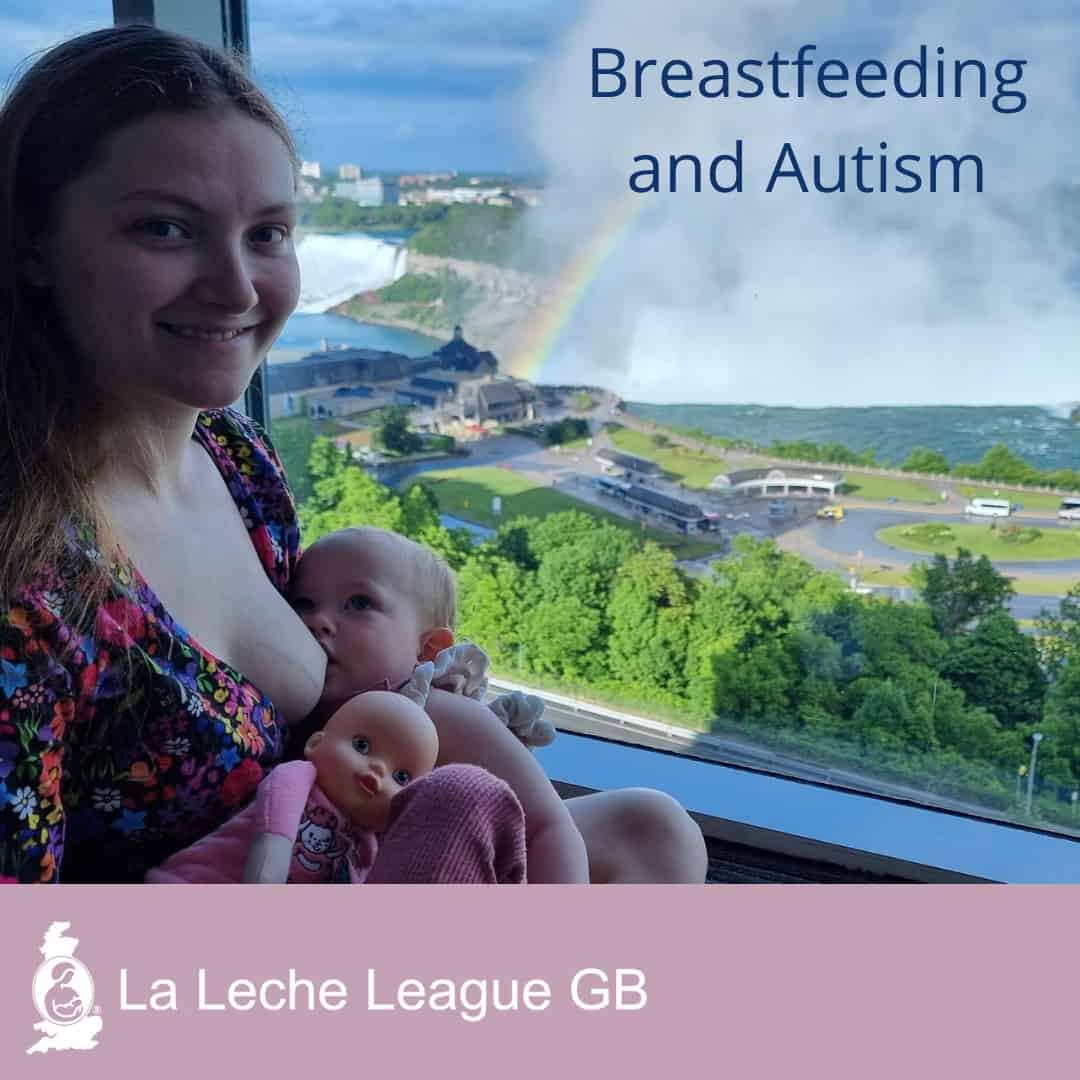
The intersection of autism and breastfeeding presents unique considerations and opportunities for support, impacting both neurodivergent parents and their autistic children, necessitating a nuanced, individualized approach within healthcare and community services. Autism, understood as a neurodevelopmental difference, shapes an individual’s experience of the world and communication, manifesting as a spectrum of abilities and challenges that fluctuate with environmental and situational factors. While historically underdiagnosed, particularly in women, a growing recognition of neurodiversity means that more autistic individuals are embarking on parenthood, bringing with them distinct needs and strengths into the breastfeeding journey, while concurrently, an increasing number of breastfed children are identified as autistic, further highlighting the need for specialized understanding.
Understanding Autism: A Neurodiversity Perspective
Autism Spectrum Disorder (ASD) is a neurodevelopmental condition characterized by differences in social communication and interaction, alongside restricted, repetitive patterns of behavior, interests, or activities. Crucially, autism exists on a spectrum, meaning its presentation is highly individual; no two autistic individuals are alike, and their experiences, abilities, and challenges can vary significantly depending on their environment and support systems. The contemporary understanding of autism increasingly aligns with the neurodiversity paradigm, which posits that neurological variations, including autism, are natural and valuable forms of human diversity, rather than deficits to be cured. This perspective is fundamental to providing inclusive maternity and breastfeeding care, as it advocates for acceptance, understanding, and tailored support that respects an individual’s unique neurotype.
The Landscape of Diagnosis and Support for Autistic Parents
Statistics reveal a significant gap in autism diagnosis, especially among adults. In England, for example, approximately 0.82% of the population receives an autism diagnosis, yet alarming estimates suggest that up to 72% of the autistic adult population may remain undiagnosed. This substantial hidden demographic has profound implications for healthcare, as many autistic women and parents may navigate pregnancy, childbirth, and the postpartum period, including breastfeeding, without their distinct needs being recognized or addressed. This lack of formal identification often leads to a mismatch between standardized care provisions and the actual support required, exacerbating existing challenges and potentially contributing to negative or even traumatic healthcare experiences.
Despite these systemic challenges, autistic women and parents frequently demonstrate remarkable strengths that can be highly advantageous in their breastfeeding journey. Many autistic individuals possess exceptional abilities in independent research, meticulously gathering information and preparing themselves for the complexities of parenthood and infant feeding. This diligent pursuit of knowledge often translates into a profound determination to breastfeed, enabling them to persevere through difficulties. For many, the very act of breastfeeding can be a profound source of calm and empowerment. It provides a protected, quiet time for rest and intimate bonding, a sensory experience that some autistic individuals find deeply regulating and enjoyable amidst the often-overwhelming sensory landscape of new parenthood. This sense of control, connection, and predictable rhythm can be particularly affirming for those who may have experienced a lack of bodily autonomy or control during the birthing process.

Navigating Challenges: Communication, Sensory Differences, and Access to Care
Despite their inherent strengths, autistic parents frequently encounter substantial hurdles when attempting to access conventional maternity care and breastfeeding support services. Communication differences are a primary concern. While some autistic individuals communicate verbally, others may experience situational mutism, where their ability to speak is temporarily inhibited, particularly in high-stress, unfamiliar, or overstimulating environments. This necessitates a flexible and multi-modal approach to communication, offering diverse methods such as written forms, typing on a phone, visual aids like picture cards, or even sign language. Healthcare providers must be prepared to offer these alternatives to ensure effective communication and mutual understanding.
Sensory differences represent another critical area requiring consideration. Autistic individuals may experience their senses—sight, sound, touch, taste, and smell—with either heightened intensity or, conversely, reduced perception. In a clinical setting, these sensitivities can manifest in various ways: the harsh fluorescent lighting of a clinic might be overwhelming, the general noise level too high, the pervasive smell of disinfectants or other people’s perfumes unbearable, or the physical touch required for breastfeeding support (e.g., positioning a baby) intensely uncomfortable or even painful. These sensory sensitivities can make attending group sessions or even one-on-one appointments incredibly challenging, often leading to avoidance or significant distress. For instance, a mother might find the specific sensation of her baby suckling or the let-down reflex to be dysregulated or aversive, a phenomenon akin to Dysphoric Milk Ejection Reflex (D-MER), requiring careful management and empathetic understanding from support providers.
The social dynamics inherent in traditional support groups can also be profoundly daunting. Many autistic individuals experience social anxiety, finding it difficult to engage in spontaneous conversations, interpret subtle social cues, or navigate unstructured group interactions. The expectation to verbally articulate needs and ask for help, particularly in a public group setting, can be an insurmountable barrier. Furthermore, autistic women often "mask" their difficulties, consciously or unconsciously suppressing their natural behaviors to conform to neurotypical social expectations, even when they are in desperate need of support. This masking requires immense cognitive and emotional energy and can lead to severe burnout, making it even harder to seek and accept help. The documented higher rates of Post-Traumatic Stress Disorder (PTSD) within the autistic community, frequently linked to traumatic birth experiences or negative healthcare interactions, further complicates the picture, making it challenging to build trust in healthcare services.
Practical barriers to accessing support are also prevalent. Traditional methods like phone calls to national helplines or local support groups can be prohibitive for those with auditory processing differences, phone anxiety, or those who struggle with unstructured verbal communication. Organizations like La Leche League Great Britain (LLLGB) have begun to address these accessibility issues by offering alternative access points, such as written "Help Forms," which allow parents to articulate their needs in a format that feels more accessible, less immediate, and less overwhelming.
Key Considerations for Supporting Autistic Parents to Breastfeed:
To provide truly inclusive and effective support, healthcare professionals and breastfeeding counselors should adopt neurodiversity-affirming practices:

- Prioritize Individualization: Recognize and actively seek to understand that each autistic person’s needs are unique. Avoid making assumptions and instead, ask direct, clear questions about their preferences and comfort levels.
- Offer Flexible Communication Channels: Provide multiple options for communication, including written correspondence (email, text), visual aids, and allowing for non-verbal cues. Empower the parent to choose their preferred method.
- Create Sensory-Friendly Environments: Offer quiet, softly lit spaces for consultations, minimize strong or artificial smells, and permit parents to bring personal comfort items or wear noise-canceling headphones.
- Provide Clear, Concise, and Predictable Information: Use plain language, avoid medical jargon, and provide information in written or visual formats that can be reviewed later, reducing cognitive load and anxiety.
- Respect Autonomy and Choice: Empower parents to make informed decisions about their bodies and their feeding journey. Offer a range of options and respect their choices, even if they deviate from standard recommendations.
- Build Trust Through Continuity: Whenever feasible, offer continuity of care with the same support person to foster rapport and reduce the anxiety associated with repeated new interactions.
- Validate Experiences: Acknowledge and validate the parent’s feelings and experiences, particularly regarding sensory sensitivities or communication challenges, ensuring a non-judgmental and supportive environment.
- Facilitate Peer Support: Encourage and facilitate connections with other neurodivergent parents who can share lived experiences, offer practical coping strategies, and provide a sense of community.
Breastfeeding an Autistic Child: Unique Dynamics and Extended Benefits
While autism diagnosis rates in adults are increasingly recognized, diagnosis rates in children have been steadily rising for decades, reflecting improved awareness, diagnostic tools, and evolving understanding of the spectrum. This means a growing number of parents are seeking support for breastfeeding children who are either already diagnosed as autistic or are suspected to be neurodivergent. The World Health Organization (WHO) consistently recommends breastfeeding for two years and beyond, with anthropological research estimating the natural age of weaning in humans to be between 2.5 to 7 years. For an autistic child, extended breastfeeding can offer a unique and profoundly significant source of comfort, regulation, and essential nutrition.
Sensory Processing and Feeding Patterns in Autistic Children:
Autistic children often process sensory input differently, which can profoundly impact their feeding behaviors and preferences. Some children may be highly sensitive to specific sensory experiences, leading them to avoid particular textures, tastes, smells, or even the visual presentation of food. For instance, the varied textures of solid foods might be overwhelming or unpleasant, causing them to prefer the consistent, predictable, and familiar experience of breastfeeding. Conversely, other children may actively seek certain sensory inputs, finding deep comfort in the rhythmic sucking, the warmth of close physical contact, and the familiar scent of their parent during nursing.
These sensory differences can lead to diverse feeding patterns. An autistic child might breastfeed very frequently, using it as a vital self-regulation tool when feeling overwhelmed, anxious, or overstimulated by their environment—perhaps in a busy, loud, or unfamiliar place. The physical closeness, familiar scent, and calming rhythm of nursing provide a much-needed haven, a predictable anchor in a chaotic world. Conversely, sensory overload can also make feeding difficult; if the room temperature is uncomfortable, a tag in their clothing is irritating, or there is too much background noise, the child may struggle to latch or feed effectively. In such instances, modifying the environment to reduce or eliminate the distressing sensory input can be crucial for successful feeding.
The "High Needs" Neurodivergent Child:
The concept of a "high needs baby" typically describes infants and young children who exhibit an intense and persistent need for proximity, responsiveness, and physical contact from their primary caregiver. While all babies naturally thrive on closeness, this intensity can be particularly pronounced in neurodivergent children. For these children, breastfeeding often becomes a primary and indispensable means of meeting these intense needs for comfort, security, and co-regulation. Parents of such children often require robust social support and practical assistance to manage the demands of constant closeness and frequent feeding. Finding like-minded communities—whether online or in person—where their experiences are validated and shared strategies are exchanged, is essential for parental mental and emotional well-being.

Navigating Feeding Patterns, Boundaries, and Weaning:
As autistic children grow into toddlerhood and beyond, their reliance on breastfeeding for comfort, regulation, and nutrition can present unique challenges for parents. Many parents find frequent feeding in older children demanding and may seek information and strategies for setting gentle boundaries or navigating the weaning process. Weaning an autistic child can be significantly more complex than with neurotypical children, primarily due to communication issues, profound sensory sensitivities, and the child’s deep reliance on breastfeeding for emotional and physiological regulation. For a child who struggles with interoception—the ability to accurately perceive internal body states like hunger, thirst, or fullness—the consistent and immediate comfort of breastfeeding can be a vital way to manage internal discomfort without fully understanding its source.
Sensory aversions to solid foods are notably common in autistic children. They might reject a wide range of foods based on texture, taste, smell, or even visual appearance, leading to a highly limited or selective diet. In these instances, continued breastfeeding provides a crucial source of essential nutrients, vitamins, and antibodies that the child might otherwise miss, thereby supporting their sustained growth and development.
Parents approach extended breastfeeding and weaning in various ways. Some choose to allow their child to self-wean when they naturally outgrow the need, continuing to breastfeed responsively or "on demand" for as long as it feels right. Others may decide to implement gentle boundaries, gradually limiting the number or duration of feeds, or designating specific times and places for nursing. Some parents may ultimately choose to stop breastfeeding altogether, a decision that requires careful consideration, emotional support, and practical guidance.
Strategies for Setting Boundaries and Gentle Weaning with an Autistic Child:
When a parent seeks to place boundaries or gently wean an autistic child, particularly when communication differences are present, the following options can be highly beneficial:
- Visual Schedules and Social Stories: Employ clear visual aids, such as picture schedules, or simple, personalized "social stories" to explain changes in feeding routines or upcoming weaning steps. This provides predictability and can significantly reduce anxiety for the child.
- Diversion and Redirection: Offer alternative sources of comfort, closeness, or sensory input (e.g., cuddles, favorite toys, a weighted blanket, a special sensory activity) when a breastfeed is declined or postponed.
- "Don’t Offer, Don’t Refuse" (D.O.D.R.): A widely used gentle weaning strategy where the parent doesn’t initiate feeds but doesn’t refuse if the child requests, allowing the child to gradually reduce feeding frequency at their own pace.
- Structured Routines: Introduce a predictable routine for feeding, play, and sleep, often referred to as "Feed, Play, Sleep," which can be particularly helpful for an autistic child who thrives on routine and predictability.
- Gradual Shortening of Feeds: Systematically reduce the duration of each nursing session, signaling a gentle shift in the feeding dynamic.
- Substitution with Preferred Alternatives: Offer a preferred drink or tolerated snack instead of a breastfeed at certain times, especially if the child struggles with a limited diet.
- Consistent Verbal Scripts: For older children, establish simple, consistent verbal phrases like "Milk is for sleep now" or "After we read this book, we can have milk," to provide clear expectations.
- Professional, Neurodiversity-Informed Support: Seek guidance from an LLL Leader or other lactation consultant who has specific training or experience in supporting neurodivergent families, offering tailored strategies and empathetic guidance.
Broader Impact and Implications for Healthcare and Society

The insights gleaned from understanding the intricate interplay of autism and breastfeeding underscore a broader imperative for healthcare systems to evolve towards more neurodiversity-affirming practices. This requires comprehensive, ongoing training for all healthcare professionals, including midwives, health visitors, general practitioners, and lactation consultants, to recognize the signs of autism in both adults and children, and to develop culturally competent, individualized support strategies that go beyond a one-size-fits-all approach.
The implications extend significantly to policy and service design, advocating for accessible services that are flexible and responsive to diverse needs. This includes offering flexible appointment scheduling, providing options for virtual or home consultations, creating sensory-friendly clinic environments, and placing a greater emphasis on multi-modal communication. Furthermore, fostering robust community and peer support networks, specifically designed for neurodivergent families, can provide invaluable emotional and practical assistance, combating feelings of isolation and promoting shared learning and advocacy.
As our collective understanding of neurodiversity continues to grow and deepen, so too must our commitment to providing inclusive, empathetic, and truly effective care. By acknowledging and honoring the unique strengths and challenges that autism brings to the breastfeeding experience, we can better support both parents and children, ensuring that every family has the opportunity to navigate their feeding journey and thrive on their own terms. Continued research into the specific experiences of autistic individuals in maternal and child health settings is vital to further inform best practices and ensure that support is genuinely responsive to their needs.