

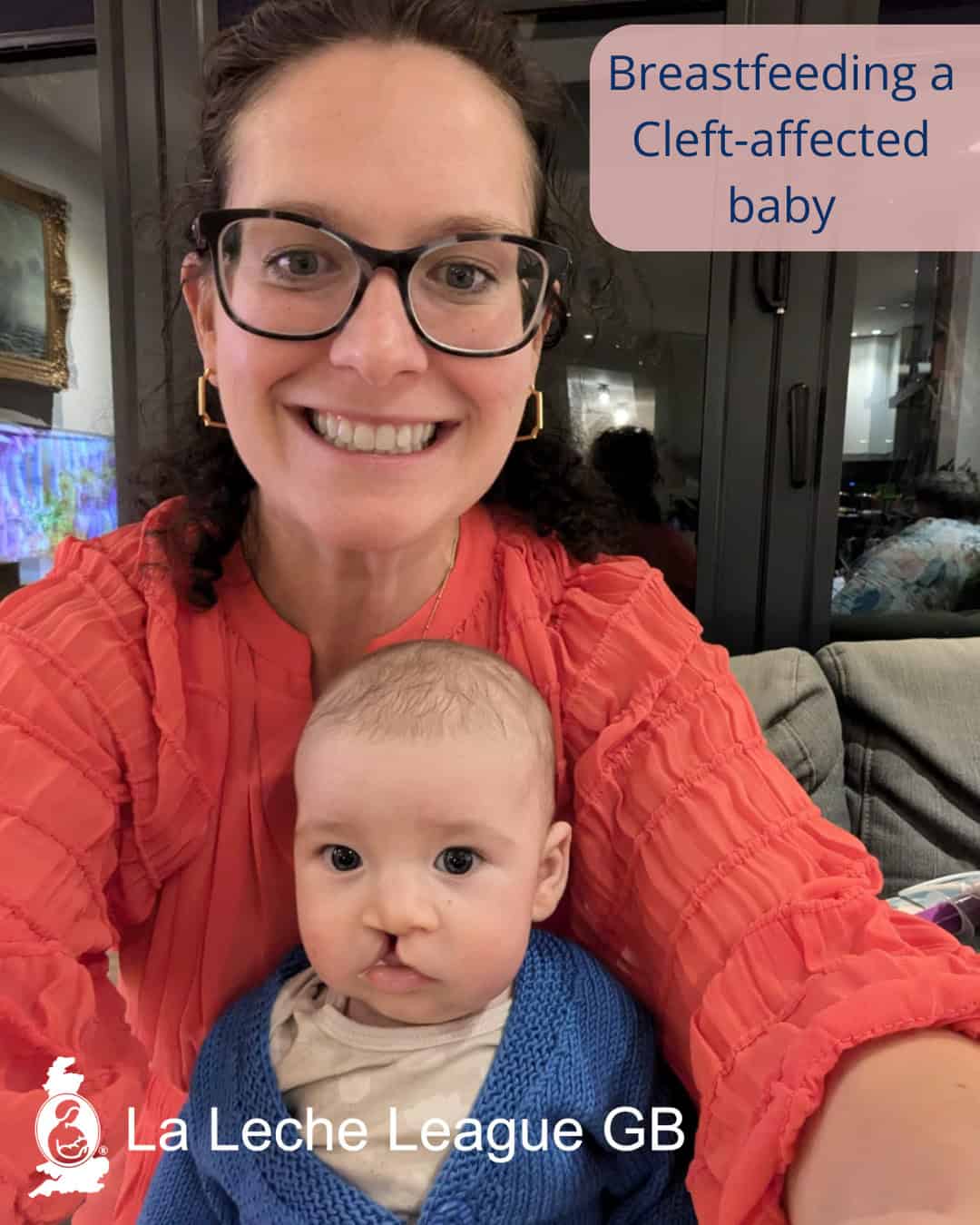
A cleft lip or palate occurs when the facial structures forming a baby’s upper lip or the roof of their mouth (palate) do not fuse completely during early fetal development. This congenital condition, affecting approximately 1 in 700 live births globally, presents unique challenges, particularly concerning infant feeding. While many babies born with a cleft lip can successfully breastfeed with appropriate adaptations, those with a cleft palate typically face greater difficulty due to their inability to generate the necessary suction pressure to effectively draw milk from the breast until surgical repair is performed. Despite these obstacles, breastfeeding remains a viable and highly beneficial option for cleft-affected infants, often requiring significant parental dedication and robust professional support.
Understanding Cleft Lip and Palate: A Developmental Overview
Cleft lip and palate are among the most common birth differences, arising during the first trimester of pregnancy. The development of the face and mouth is a complex process involving the fusion of several distinct tissues. A cleft lip results from the incomplete fusion of the maxillary and medial nasal prominences, leading to a visible opening in the upper lip that can range from a small notch to a complete separation extending into the nose. A cleft palate, conversely, involves the incomplete fusion of the palatal shelves, creating an opening between the mouth and the nasal cavity. These conditions can occur independently or in combination, and their severity varies widely.
The exact causes of clefts are often multifactorial, involving a complex interplay of genetic predispositions and environmental factors. While some cases are linked to specific genetic syndromes, many occur sporadically without a clear familial pattern. Environmental factors such as maternal smoking, certain medications taken during pregnancy, and nutritional deficiencies (like folic acid) have been investigated, though their precise roles are still subjects of ongoing research. Diagnosis can sometimes occur antenatally through ultrasound scans, providing expectant parents with valuable time to research and prepare. More often, the condition is identified immediately after birth, prompting an immediate need for specialized medical and feeding support.

The Foundational Importance of Breast Milk for Vulnerable Infants
For any infant, human milk is recognized as the optimal form of nutrition, providing a perfect blend of nutrients, antibodies, and growth factors essential for healthy development. For babies born with a cleft lip or palate, these benefits are amplified. Breast milk offers crucial immunological protection, which is particularly vital for infants who may undergo multiple surgeries and are at a higher risk of infections, especially ear infections and respiratory issues due to the anatomical changes in their mouth and nasal passages. The anti-inflammatory properties of breast milk can also aid in post-surgical healing and recovery. Furthermore, the act of breastfeeding, even with adaptations, can contribute to the development of oral motor skills, muscle tone, and coordination, which may benefit speech development later on.
Leading health organizations, including the World Health Organization and numerous pediatric associations, strongly advocate for human milk feeding for all infants, including those with congenital anomalies. They emphasize that while the method of delivery may need to be adapted, the biological advantages of breast milk remain paramount.
Navigating the Breastfeeding Journey: A Phased Approach
The journey of feeding a cleft-affected baby often involves a series of adaptations and strategies, evolving from birth through surgical repair and beyond. Parents discovering their baby is cleft-affected often experience a mix of emotions, including concern about feeding. Experts and support groups consistently reassure parents that breastfeeding, though demanding, is achievable with perseverance and comprehensive support from a multidisciplinary cleft team.

-
Establishing and Maintaining Milk Production: The First Priority
Regardless of whether a baby can feed directly from the breast initially, establishing and maintaining a mother’s milk supply is the critical first step. This ensures a steady source of human milk and keeps the option of direct breastfeeding open for when the baby develops the necessary feeding skills or after surgical intervention. The early days and weeks postpartum are crucial for signaling the breasts to produce a full milk supply.- Timing is Key: Ideally, mothers should begin expressing or attempting to feed within the first few hours after birth. Early and frequent milk removal sends strong signals to the body to initiate and ramp up production.
- Frequency Over Duration: To establish a robust supply, most mothers need to express or breastfeed at least 8-12 times in a 24-hour period during the first month. Milk production naturally slows when breasts are full, so consistent milk removal is paramount to maintaining high output.
- Efficient Tools: A double electric "hospital-grade" breast pump is often recommended as the most efficient tool for mothers who need to express all or most of their milk. Cleft specialist nurses can frequently assist in organizing the loan or rental of such equipment. While smaller pumps or hand expression can work for some, the power and efficiency of a hospital-grade pump are invaluable for establishing and maintaining a full supply, especially under stressful circumstances. The commitment to frequent pumping can be exhausting, underscoring the need for extensive practical support for the mother. Many mothers report that the initial weeks are the most challenging, with the routine often becoming more manageable and less frequent over time while maintaining the same milk volume.
-
Feeding in the Early Days: Bridging the Gap
In the immediate postpartum period, newborns consume small amounts of colostrum, which is often manageable even for babies with a cleft lip. However, as milk production increases, babies with a cleft palate, who cannot create effective suction, will require alternative methods to receive sufficient milk.- Initial Methods: For very small volumes, a syringe or teaspoon can be used to deliver expressed breast milk. However, as milk intake increases rapidly in the first week, these methods quickly become impractical.
- Specialized Feeding Devices: Specialized bottles and teats designed for cleft-affected babies are widely available. These often feature softer nipples, one-way valves, or compressible reservoirs to facilitate milk flow without requiring strong suction. Cleft specialist nurses are invaluable resources for guiding parents on the most suitable options for their baby’s specific needs.
- Nursing Supplementers (Supplemental Nursing Systems): These devices allow a baby to latch onto the breast and receive supplemental milk through a thin tube positioned alongside the nipple. This system offers numerous benefits, including maintaining skin-to-skin contact, stimulating the mother’s milk supply, and fostering the breastfeeding relationship. It allows the baby to practice latching and sucking, even if they are not directly extracting milk from the breast. While less common than bottles, supplementers can be a powerful tool in bridging the gap until direct breastfeeding becomes fully effective.
-
Mastering the Nursing Supplementer: A Practical Guide
Nursing supplementers come in various designs, including systems with a bag or bottle that holds the milk, and gravity-fed systems. The principle remains the same: a tube delivers milk from a reservoir to the baby’s mouth while they are at the breast.- Delivering Milk: For babies unable to generate sufficient suction, the supplemental milk often needs to be "delivered" rather than simply drawn out. This can be achieved by gently squeezing the bag or bottle of the supplementer. Some systems allow for a small hole to be made in the reservoir to facilitate gravity-driven flow.
- Syringe-Assisted Supplementation: A common adaptation involves using a syringe to control the flow of milk through the supplementer tube. This method allows for precise control over the volume and pace of milk delivery, which can be particularly beneficial for babies learning to coordinate sucking and swallowing. The process involves attaching the supplementer tube to a syringe, drawing expressed milk into the syringe, positioning the tube at the breast, and gently depressing the plunger to deliver milk as the baby suckles.
- Practical Tips for Supplementer Use:
- Preparation: Assemble the supplementer and have expressed milk ready before starting a feed.
- Positioning: Ensure the baby is comfortably latched at the breast with the tube positioned correctly.
- Flow Control: Observe the baby for signs of milk flow and adjust the delivery rate (e.g., by squeezing the bottle or using the syringe) to match their feeding cues. Avoid overwhelming the baby with too much milk too quickly.
- Patience and Practice: Using a supplementer can be challenging initially, requiring practice and patience to coordinate the various elements. Support from a lactation consultant experienced with supplementers is highly recommended. Testimonials from mothers, like Sarah, who successfully used a supplementer for her son Russ, highlight the profound emotional reward of maintaining the breastfeeding bond: "I was already breastfeeding… Comments like these make me feel so happy I could cry."
-
Optimal Feeding Positions: Finding What Works
Finding comfortable and effective feeding positions is crucial for both mother and baby. Due to the anatomical differences, traditional breastfeeding positions may need adjustment. The goal is to maximize comfort, support proper latch, and facilitate milk transfer while minimizing air intake and potential for milk to enter the nasal passages.- Upright Positions: Holding the baby in a more upright position, such as the football hold or laid-back feeding, can help gravity assist milk flow and reduce the risk of milk entering the nasal cavity, especially for babies with a palate cleft.
- Cradle Hold Adaptations: While the cradle hold is common, modifications may be needed to ensure the baby’s head and neck are well-supported, and their body is aligned with the breast.
- Cross-Cradle Hold: This position allows the mother to use her hand to support the baby’s head and guide them to the breast, offering good control and visibility of the latch.
- Support and Stability: Using pillows or cushions can help maintain the baby’s position and reduce strain on the mother. Experimentation and flexibility are key, as what works for one baby or at one stage may not work for another.
-
Feeding After Surgery: A New Phase
For babies with a cleft palate, surgical repair typically occurs between 6 and 18 months of age, depending on the specific anatomy and surgical protocol. After palate surgery, babies may develop the ability to generate suction, opening the door for more direct and efficient breastfeeding.
- Pre-Surgical Preparation: If direct breastfeeding is a goal post-surgery, maintaining some level of direct feeding (even with supplementation) beforehand can help the baby "remember" the breast and associate it with milk.
- Post-Surgical Adjustments: It is important to note that babies may still struggle with direct breastfeeding for several weeks or even months after surgery as they adapt to their new oral anatomy and rebuild strength. During this recovery period, mothers are strongly encouraged to continue expressing milk frequently to maintain supply, as breast milk remains vital for healing and preventing infection. Patience, continued professional guidance, and consistent effort are paramount during this transitional phase.
The Crucial Role of Support Systems
Successfully breastfeeding a cleft-affected baby is rarely a solitary endeavor. It requires a robust network of support, encompassing medical professionals, lactation specialists, and peer support groups.
- Multidisciplinary Cleft Teams: These teams typically include plastic surgeons, orthodontists, speech therapists, audiologists, and specialist nurses, all of whom play a role in guiding families. The cleft specialist nurse, in particular, often serves as a primary point of contact for feeding advice and equipment.
- Lactation Consultants and Breastfeeding Counselors: Experts in lactation are indispensable. La Leche League Leaders, for example, offer personalized support, practical tips, and emotional encouragement, helping mothers navigate the complexities of milk supply, latch, and alternative feeding methods. Their expertise in nursing supplementers and various feeding positions can be a game-changer for many families.
- Peer Support: Connecting with other parents who have breastfed cleft-affected babies provides invaluable emotional support, shared experiences, and practical advice. These networks can normalize challenges and celebrate successes, fostering a sense of community and reducing feelings of isolation.
Broader Implications and Outlook
The commitment to breastfeeding a cleft-affected baby extends beyond immediate nutritional needs. It profoundly impacts the baby’s long-term health, development, and the parent-child bond. The act of nursing fosters attachment, provides comfort, and supports the emotional well-being of both mother and child during a potentially stressful period.
While the challenges are undeniable, the narrative around feeding cleft-affected babies has shifted significantly. With advancements in surgical techniques and a deeper understanding of lactation science, more families are empowered to pursue breastfeeding. Ongoing research continues to explore optimal feeding strategies, the long-term developmental benefits of human milk for this population, and the most effective support models. Advocacy groups continue to highlight the importance of early intervention and comprehensive, individualized feeding plans to ensure every cleft-affected baby receives the best possible start in life. The perseverance of mothers, coupled with dedicated professional and community support, makes breastfeeding a realistic and rewarding journey for many families facing the unique circumstances of a cleft diagnosis.

Credit for illustrations: Brigitte Sparnaaji, from Breastfeeding Illustrated, published by La Leche League GB, 2021.
Copyright Stichting La Leche League Nederland