

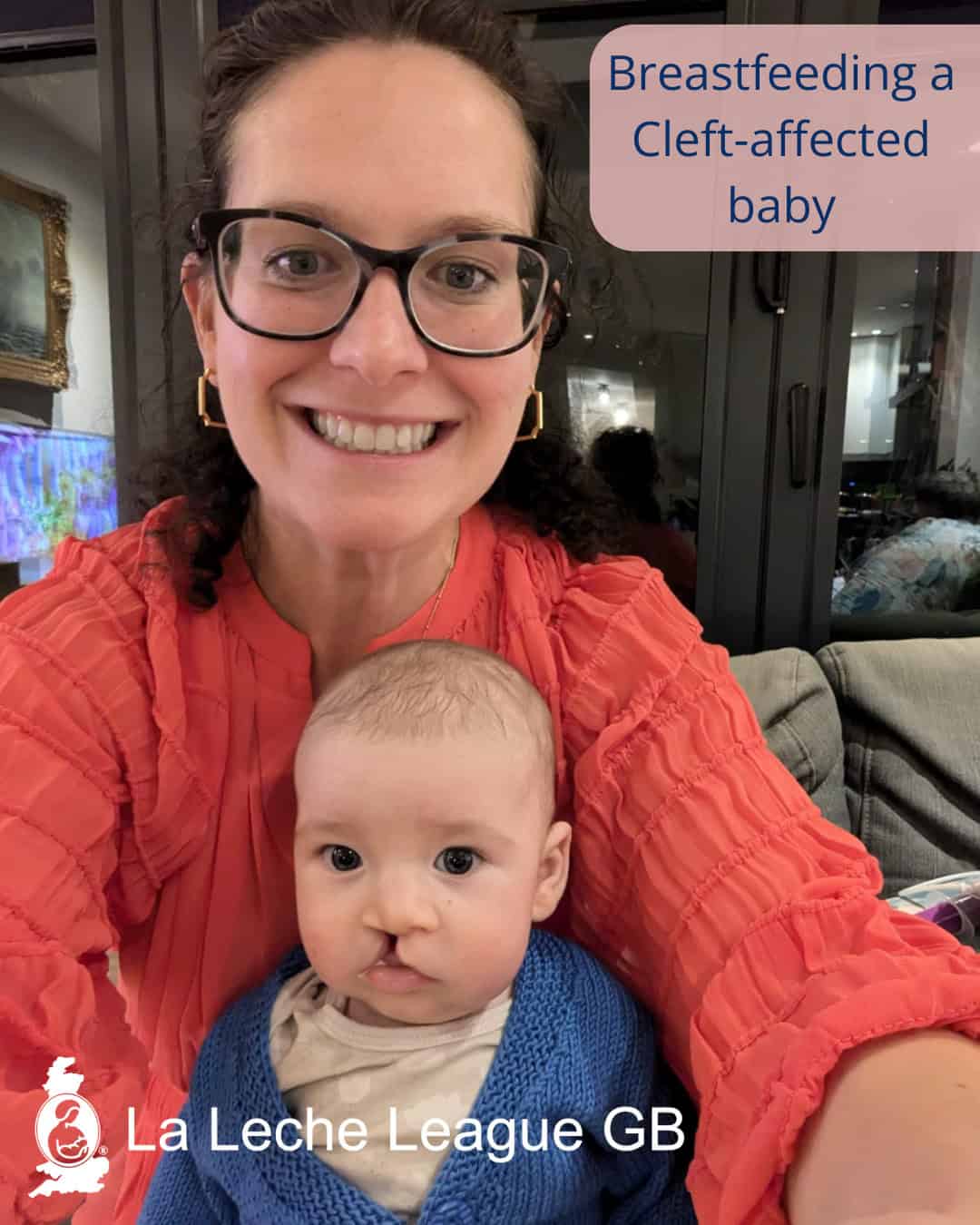
The journey of feeding an infant born with a cleft lip or palate presents unique complexities for parents, often requiring significant perseverance and a robust support system. These congenital conditions, which occur when the structures forming the baby’s upper lip or the roof of the mouth (palate) fail to fuse completely during prenatal development, affect approximately 1 in 700 babies globally. While a cleft lip may allow for adaptations to enable direct breastfeeding, a cleft palate significantly impedes a baby’s ability to generate the necessary suction pressure to extract milk from the breast, often until surgical repair is performed. This reality often leads to initial uncertainty and anxiety for expectant or new parents, yet with tailored strategies and professional guidance, breastfeeding remains a viable and highly beneficial option.
Understanding Cleft Conditions and Their Impact on Feeding
Cleft lip and cleft palate are among the most common birth differences, varying in severity from a small notch in the lip to a complete separation extending into the nose or through the palate. The primary anatomical challenge for breastfeeding arises from the inability to create a sealed oral cavity, essential for suction. For babies with only a cleft lip, the adaptation might involve positioning the breast tissue to fill the gap or using specialized techniques to encourage a deeper latch. However, a cleft palate, by creating an opening between the mouth and nasal cavity, prevents the negative pressure required for effective milk transfer. This means that while the baby may be able to latch and even stimulate milk flow, they cannot efficiently draw milk from the breast. Consequently, alternative feeding methods often become necessary during the pre-surgical period.
The medical journey for a cleft-affected baby typically involves a multidisciplinary team, including plastic surgeons, orthodontists, speech therapists, and lactation consultants. Diagnosis can occur during prenatal ultrasound scans, offering parents valuable time to research and plan. More often, however, the condition is identified immediately after birth. This early identification is crucial, as it allows for immediate intervention and the development of a comprehensive feeding plan, which is paramount for the baby’s growth and overall health.
The Imperative of Human Milk: Health Benefits for Vulnerable Infants
For all infants, human milk is recognized as the optimal form of nutrition, providing a dynamic blend of nutrients, antibodies, and growth factors that are crucial for development and disease prevention. For babies with cleft conditions, who often face a series of medical interventions and are at a higher risk of ear infections and respiratory issues due to the anatomical challenges, the protective qualities of human milk become even more critical. Research consistently demonstrates that breastfed infants exhibit stronger immune systems, experience fewer infections, and show improved long-term health outcomes. These benefits are particularly pronounced for infants undergoing surgery, as breast milk aids in healing and recovery, bolstering their defenses against post-operative complications.
Furthermore, the act of breastfeeding, even with adaptations, fosters a deep emotional bond between mother and child. In a situation that can be emotionally taxing for parents, the ability to provide breast milk, whether directly at the breast or through expressed milk, can be a source of immense comfort and empowerment.

Establishing and Maintaining Milk Supply: A Foundation for Success
Given that direct and efficient breastfeeding may be challenging or impossible for babies with a cleft palate, establishing and maintaining a robust milk supply becomes the initial priority for mothers. This strategy ensures a continuous supply of vital nourishment and keeps the pathway open for direct breastfeeding once the baby is surgically repaired and able to create suction.
Medical guidelines and lactation experts emphasize starting milk removal within the first few hours after birth. The principle of supply and demand dictates that the more milk removed from the breasts, the more milk the body will produce. To initiate and maintain a full milk supply, particularly in the critical first month, mothers typically need to breastfeed or express milk 8 to 12 times within a 24-hour period. This frequent removal signals to the body the need for high milk production. When breasts feel full, milk production slows down, hence the importance of regular milk expression.
The most efficient tool for mothers who need to express all or most of their milk is often a double electric "hospital grade" breast pump. These pumps are designed for maximum efficiency and effectiveness. Many cleft specialist nurses can arrange for parents to borrow such equipment free of charge or advise on rental options. Some mothers may find smaller, portable pumps or hand expression sufficient, depending on their individual milk supply and preference. Comprehensive resources on expressing and storing human milk are widely available from lactation support organizations.
It is crucial to acknowledge that maintaining a full milk supply for a baby who cannot breastfeed effectively is an arduous undertaking, often described by mothers as a "full-time job." The initial weeks are undeniably the most demanding, requiring significant dedication and practical support from family, friends, and healthcare providers. Over time, however, many mothers discover that they can reduce the frequency of expression while still maintaining an adequate supply, as their body adapts to the established demand.
Feeding Strategies in the Early Days: Beyond the Breast
In the first few days post-birth, a newborn’s stomach capacity is small, and they consume relatively modest amounts of colostrum, the nutrient-rich first milk. If the baby’s intake at the breast is insufficient, various methods can be employed to supplement with expressed human milk, donor milk, or, if necessary, formula. These methods range from simple techniques like syringe or teaspoon feeding to more advanced systems.
However, as milk production increases in the first week, a syringe or teaspoon quickly becomes impractical due to the larger volumes required. This necessitates the use of more efficient feeding tools. Specialized bottles and teats designed for cleft-affected babies are available and can be invaluable. These bottles often feature longer teats, compressible designs, or one-way valves that allow milk to flow without requiring strong suction from the baby. Cleft specialist nurses are typically well-versed in these options and can provide tailored recommendations based on the specific needs of each infant. Another increasingly popular and effective option is the nursing supplementer.

Mastering the Nursing Supplementer: A Bridge to Direct Breastfeeding
Nursing supplementers, also known as supplemental nursing systems (SNS) or lactation aids, offer a unique and beneficial approach to feeding cleft-affected babies. These systems allow an infant to latch directly onto the breast while simultaneously receiving additional milk through a thin tube positioned alongside the nipple. This innovative method serves multiple critical functions: it provides necessary nutrition, stimulates the mother’s milk supply through direct breast contact, and facilitates skin-to-skin contact, which is vital for bonding and infant development. Critically, it allows the baby to learn and practice the mechanics of latching and feeding at the breast, preparing them for more efficient direct breastfeeding after surgical repair.
While less commonly known than bottles, nursing supplementers offer significant advantages. They maintain the physiological and psychological benefits of breastfeeding, which can be immensely reassuring for mothers navigating a challenging feeding journey. The flexibility of using a supplementer alongside or in alternation with bottle feeding can also make an intensive pumping and feeding schedule more manageable for parents.
There are generally three main types of nursing supplementer systems:
- Tube-and-syringe systems: Simple, often used for short-term supplementation.
- Bottle-and-tube systems: A bottle filled with milk is inverted and connected to a tube that runs to the nipple.
- Bag-and-tube systems: Similar to the bottle system, but uses a soft bag, which can sometimes be gently squeezed to aid milk flow.
For babies with a cleft palate, who struggle with suction, the supplemental milk often needs to be delivered rather than solely relying on the baby’s efforts. With bag or bottle systems, gently squeezing the container can facilitate milk flow. Some systems allow for a small hole to be made in the top of the bottle or bag to ensure a steady drip without suction. An alternative, often recommended by lactation consultants, is to use a syringe in conjunction with the supplementer tube. This method allows for precise control over the rate of milk delivery.
Tips for using a nursing supplementer with a syringe:
- Preparation: Ensure the supplementer tubing is clean and properly positioned on the breast, taped securely if necessary.
- Milk Delivery: Attach a syringe filled with expressed milk to the end of the supplementer tube.
- Controlled Flow: Gently depress the plunger of the syringe to deliver milk at a pace that matches the baby’s feeding rhythm and swallowing. This prevents overwhelming the baby and minimizes aspiration risks.
- Observe Baby: Watch for signs of effective swallowing and comfort. Adjust the flow as needed.
Using a supplementer, particularly in the initial stages, can be intricate and demands patience and practice. Mothers often report that it takes several weeks to develop a comfortable routine, mastering the coordination of setting up the system, positioning the baby, achieving a good latch, and regulating milk flow. However, the emotional and physical rewards of feeding at the breast, even with assistance, are frequently cited as profoundly impactful. Working with a breastfeeding supporter experienced in nursing supplementers can significantly ease this learning curve and provide invaluable practical guidance.
Optimizing Feeding Positions: Comfort and Efficacy

Finding the most effective and comfortable feeding position is an iterative process for any parent, and even more so for those with cleft-affected infants. There is no universally "correct" position; rather, the ideal approach is whatever maximizes comfort and milk transfer for both mother and baby. The goal is often to help the baby compress the breast tissue effectively and manage any milk leakage due to the cleft.
Several positions are commonly explored:
- Upright or Semi-Upright Positions: Holding the baby in a more upright or semi-upright position can help gravity assist milk flow and reduce the risk of milk entering the nasal cavity or airway. This is particularly beneficial for babies who struggle with swallowing or experience reflux.
- Football Hold (Clutch Hold): This position allows the mother to have greater control over the baby’s head and neck, guiding them to the breast. It also frees up one hand to support the breast or manage a supplementer.
- Cradle Hold: While a classic, adaptations may be needed. Ensuring the baby’s head is slightly elevated and the body is well-supported can be helpful.
- Cross-Cradle Hold: Similar to the cradle hold but offers more control over the baby’s head and neck with the opposite hand, allowing for fine adjustments to the latch.
- Dancer Hand Hold: This technique, where the mother cups the breast and simultaneously supports the baby’s chin, can be particularly useful for providing extra stability and control over the baby’s jaw and cheeks, especially if the baby has a cleft lip.
Regardless of the position, key elements for a successful latch include ensuring the baby’s head and body are in alignment, the baby is brought to the breast (not the breast to the baby), and a wide-open mouth is encouraged for a deep latch. For babies with a cleft, it may be beneficial to experiment with positioning the breast tissue to fill the gap in the lip or palate as much as possible, or to direct the nipple towards the intact part of the palate.
Post-Surgical Feeding: Adapting to New Realities
Cleft lip repair typically occurs around 3-6 months of age, and palate repair around 6-12 months. These surgeries fundamentally alter the baby’s oral anatomy, which directly impacts their feeding capabilities. For babies who were unable to feed directly from the breast prior to surgery, the post-operative period often marks the transition to direct breastfeeding.
It is crucial for mothers who plan to breastfeed after surgery to maintain some form of breast contact, even partial or comfort feeding, in the pre-surgical phase. This helps the baby "remember" the breast and associate it with milk and comfort. After palate repair, babies will develop the ability to create suction, but adapting to their new oral structure can take time. They may initially struggle to feed at the breast for several weeks as they build strength in their mouth muscles and become accustomed to the altered anatomy.
During this recovery phase, maintaining a strong milk supply through continued expression is paramount. Human milk not only provides optimal nutrition but also contains anti-inflammatory and healing properties that support the baby’s recovery from surgery. Patience, persistence, and ongoing support from lactation consultants and the cleft team are vital during this delicate transition.
The Broader Impact: Maternal Well-being and Developmental Outcomes

The challenges associated with feeding a cleft-affected baby extend beyond the immediate nutritional needs. Maternal mental health can be significantly impacted by the diagnosis of a cleft, the complexities of feeding, and the anticipation of surgeries. Feelings of anxiety, guilt, and inadequacy are not uncommon. The ability to breastfeed, even with adaptations, can play a crucial role in promoting maternal well-being, fostering bonding, and instilling a sense of accomplishment. Support groups, peer networks, and professional counseling are vital resources for mothers navigating this emotional landscape.
From a developmental perspective, early and effective feeding is crucial for overall growth and future health. Adequate nutrition supports not only physical development but also cognitive function. Moreover, the oral motor skills developed during feeding, whether at the breast or through alternative methods, contribute to speech development. While some studies suggest that direct breastfeeding may positively influence oral motor development in cleft-affected infants, ongoing research continues to explore the precise mechanisms and long-term implications.
The Role of Comprehensive Support Systems
The successful feeding journey of a cleft-affected baby is rarely a solitary endeavor. It relies heavily on a network of dedicated professionals and support organizations. Cleft teams, typically comprising surgeons, nurses, speech and language therapists, and dietitians, provide specialized medical care and guidance. Lactation consultants, especially those with experience in cleft conditions, offer invaluable practical advice, demonstrating feeding techniques, assisting with pump selection, and troubleshooting challenges.
Organizations like La Leche League (LLL) offer peer-to-peer support, connecting mothers with experienced LLL Leaders who can provide personalized encouragement and practical tips. These networks create communities where mothers can share experiences, seek advice, and find empathy, reducing feelings of isolation. The importance of this holistic support cannot be overstated, as it empowers parents to persevere and find solutions tailored to their unique circumstances.
Conclusion
The diagnosis of a cleft lip or palate undoubtedly introduces a layer of complexity to the feeding journey, particularly regarding breastfeeding. However, it is a challenge that can be overcome with informed planning, perseverance, and comprehensive support. By prioritizing milk supply maintenance, mastering adaptive feeding techniques like nursing supplementers, optimizing feeding positions, and leveraging the expertise of medical and lactation professionals, mothers can successfully provide their cleft-affected babies with the unparalleled benefits of human milk. This dedication not only nurtures the infant’s physical health and development but also strengthens the profound bond between mother and child, transforming a potential obstacle into a testament to resilience and love.