

Zarina Ayyub’s life story is a powerful testament to resilience, advocacy, and the profound impact one individual can have in challenging deeply ingrained cultural and systemic barriers. Her journey from a young, isolated mother struggling to breastfeed her first child in 1990s Birmingham to a respected Doula and community breastfeeding advocate in London encapsulates a significant shift in maternal healthcare and cultural perception within the South Asian diaspora in the UK. Ayyub’s pioneering efforts have not only transformed her own family’s understanding of maternal care but have also paved the way for more culturally sensitive support systems for mothers from ethnic minority backgrounds.
A Challenged Beginning: Early Motherhood and Systemic Gaps
Zarina Ayyub’s initial foray into motherhood was fraught with challenges, beginning shortly before her 20th birthday in November. Her first baby, born on November 3rd, 1990, weighed a mere 4 lbs 13 oz, classified as low birth weight. In the hospital, instead of receiving guidance on breastfeeding, Ayyub found herself isolated. Her newborn was taken to a special nursery, fed formula via a tube, while Ayyub was placed in a separate room. This early separation, coupled with a complete lack of information about fundamental aspects like colostrum or hand expression, left her feeling scared and disempowered. "No one in the hospital explained anything to me or gave me any choices," she recalls, reflecting on a systemic failure to provide essential maternal education and support. This experience, etched into her memory, highlights a period when hospital practices often prioritised formula feeding, contributing to low breastfeeding initiation and duration rates.
This immediate post-birth experience was tragically mirrored by her mother’s own trauma decades earlier. A Pakistani immigrant who arrived in England in the late 1960s, Ayyub’s mother was among the first in her community to have children in the UK. She faced immense pressure from her in-laws, who actively discouraged breastfeeding. In the hospital, she was given formula and pills to dry up her milk—a common, yet often regretted, practice of the era. Compounding this, traditional beliefs prevalent in parts of India at the time regarded colostrum, the vital "first milk," as "dirty." Instead, mothers were advised to give newborns concoctions of cooled boiled water with fennel and other seeds. This confluence of historical medical practices and cultural misinformation created a formidable barrier to breastfeeding for Ayyub’s mother, leaving her "traumatised" and advocating for her daughter to avoid the same "pain."
Navigating Cultural Expectations and Personal Instincts
The challenges intensified upon Ayyub’s return home. Her baby, though tiny, instinctively sought the breast, but Ayyub, engorged and in pain, struggled with attachment. A distressing intervention by a midwife, who "grasped my breast and forced my baby onto me," further compounded her trauma. Back home, with nipples sore, cracked, and bleeding, the lack of immediate, effective support was stark. Her husband, unfamiliar with Birmingham’s shop hours, struggled to find even a working hand pump.
Life with her husband’s extended Pakistani family in London introduced another layer of complexity. Living with an aunt, uncle, and grandparents, and later with her mother-in-law and two brothers-in-law, meant a constant lack of privacy and an expectation to prioritise domestic duties over breastfeeding. "Having a spotless house and contributing to the family seemed to be the highest priority in our community," Ayyub observes. This cultural norm often led to breastfeeding being perceived as "laziness." Despite her mother-in-law having breastfed her own sons, she, too, struggled to understand Ayyub’s fervent desire, comparing her to another daughter-in-law who chose not to breastfeed to maintain a pristine home.
Ayyub also faced pressure from her husband and in-laws, who compared her naturally smaller babies to other "huge" children in the family, advocating for "bottle milk" to "feed them up." This reflects a common cultural belief in some communities that larger babies signify better health, often overlooking genetic predispositions or the specific benefits of breast milk. Ayyub, however, remained steadfast in her "instinctive" understanding that her baby needed touch and closeness, picking her up whenever she cried – a stark contrast to the scheduled formula feeding her mother had practiced.
Empowerment Through Knowledge: The Turning Point
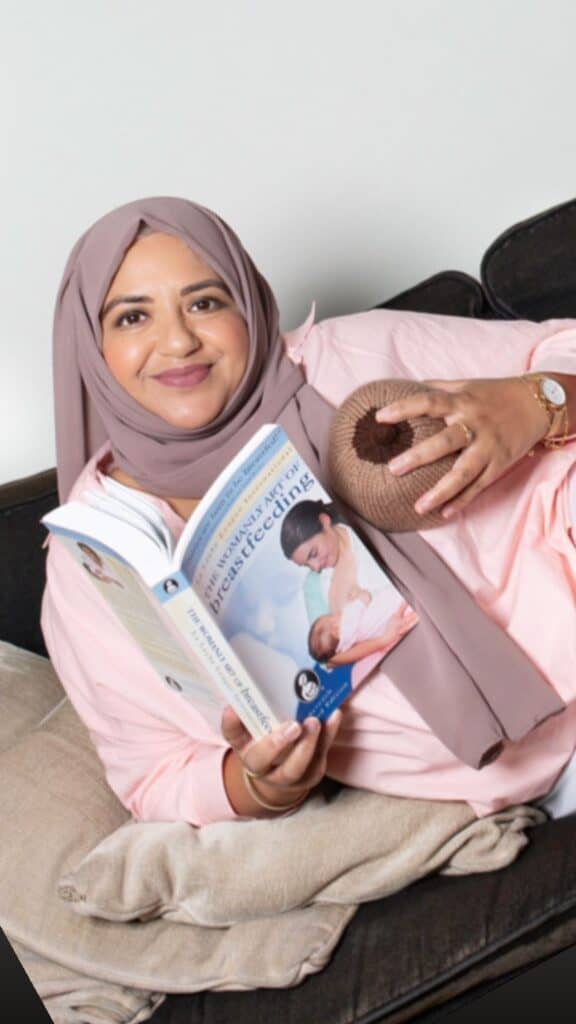
A pivotal moment arrived during Ayyub’s third pregnancy. Discovering "The Womanly Art of Breastfeeding," a seminal text by La Leche League (LLL), proved transformative. She immersed herself in its pages for nine months, absorbing crucial information that directly countered the misinformation she and her mother had received. "Colostrum is not dirty, if you lose your milk, you can relactate… I felt that now I had all this information, no one was going to mess with me!" she declared. Armed with knowledge, she successfully breastfed her third child for two years, despite continuous "critical comments" from her family and community.
Her commitment was tested when, a few weeks after her third child’s birth, she developed mastitis. Seeking help, she attended an LLL group in Wimbledon, where she felt acutely isolated as the only woman wearing a shalwar kameez, traditional South Asian attire. The practical difficulties of breastfeeding in a longer top, combined with feelings of awkwardness and embarrassment, highlighted the urgent need for culturally inclusive and sensitive support spaces. This experience, though initially disheartening, underscored the very gap she would later strive to fill.
From Personal Struggle to Community Advocacy: Becoming a Peer Supporter and Doula
Even during her first weeks as a mother, Ayyub harboured a nascent desire to support other women. Just four weeks after her first child’s birth, she instinctively helped her engorged sister-in-law, who faced similar challenges within a multi-generational, non-breastfeeding household. She also successfully supported her younger sister to breastfeed all her children, an achievement that gradually normalised breastfeeding for her own mother, who eventually became a staunch supporter of Ayyub’s choice to breastfeed her last two children. This intergenerational shift within her immediate family demonstrates the profound influence of informed advocacy.
The formalisation of her passion came after the birth of her fifth child, a preterm baby born at 35 weeks with severe reflux. After receiving "really poor" advice from a breastfeeding counsellor, Ayyub sought help at a local breastfeeding café. There, she discovered an advertisement for La Leche League’s 12-week peer supporter training course, run by the NHS in her area. "Thank God I came today!" she thought, feeling a renewed determination to provide proper, evidence-based support to other mothers. Graduating from the course, receiving a cherished pink knitted "boob" model, solidified her commitment.
As a peer supporter for several years, Ayyub often found herself to be the sole Muslim woman in the role. She observed a significant barrier to access for Asian women, noting, "It’s easier to relate to people who look like you, even when there isn’t a language barrier." This insight led her to bridge cultural gaps, supporting not only Asian women but also many others who "wanted to take me home with them!" Her ability to connect on a deeper level, rooted in shared experiences and cultural understanding, proved invaluable.
Today, Zarina Ayyub works as a Doula, providing crucial support during birth and the postnatal period. Her extensive personal history and professional training have made her a sought-after expert. She is actively involved in initiatives like The Raham Project in Peterborough and the charity BLISS, contributing to projects focused on neonatal intensive care units and premature babies, sharing her own emotional birth stories to inform and improve care for ethnic minority families.
An Intergenerational Legacy and the Path Forward
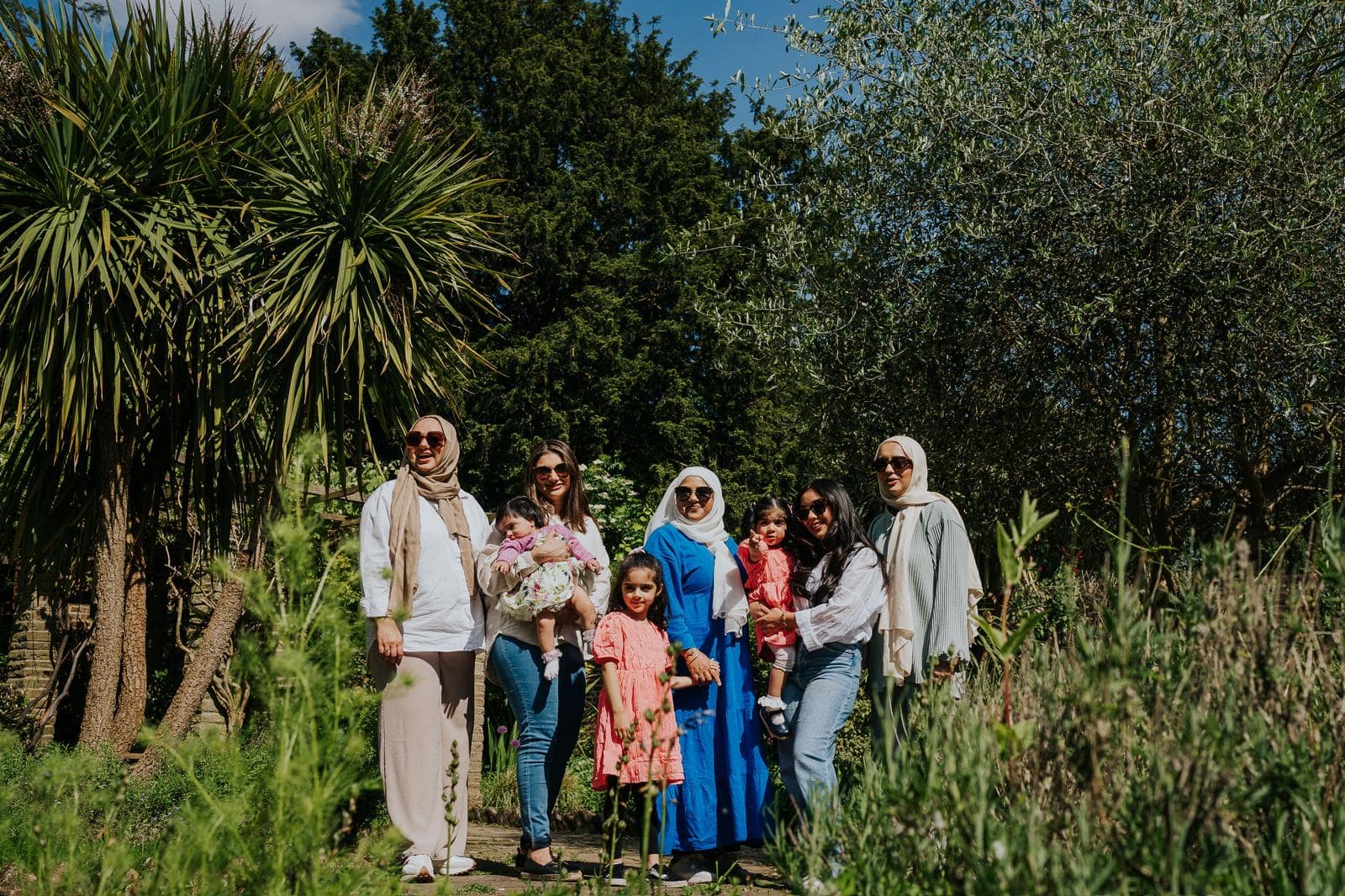
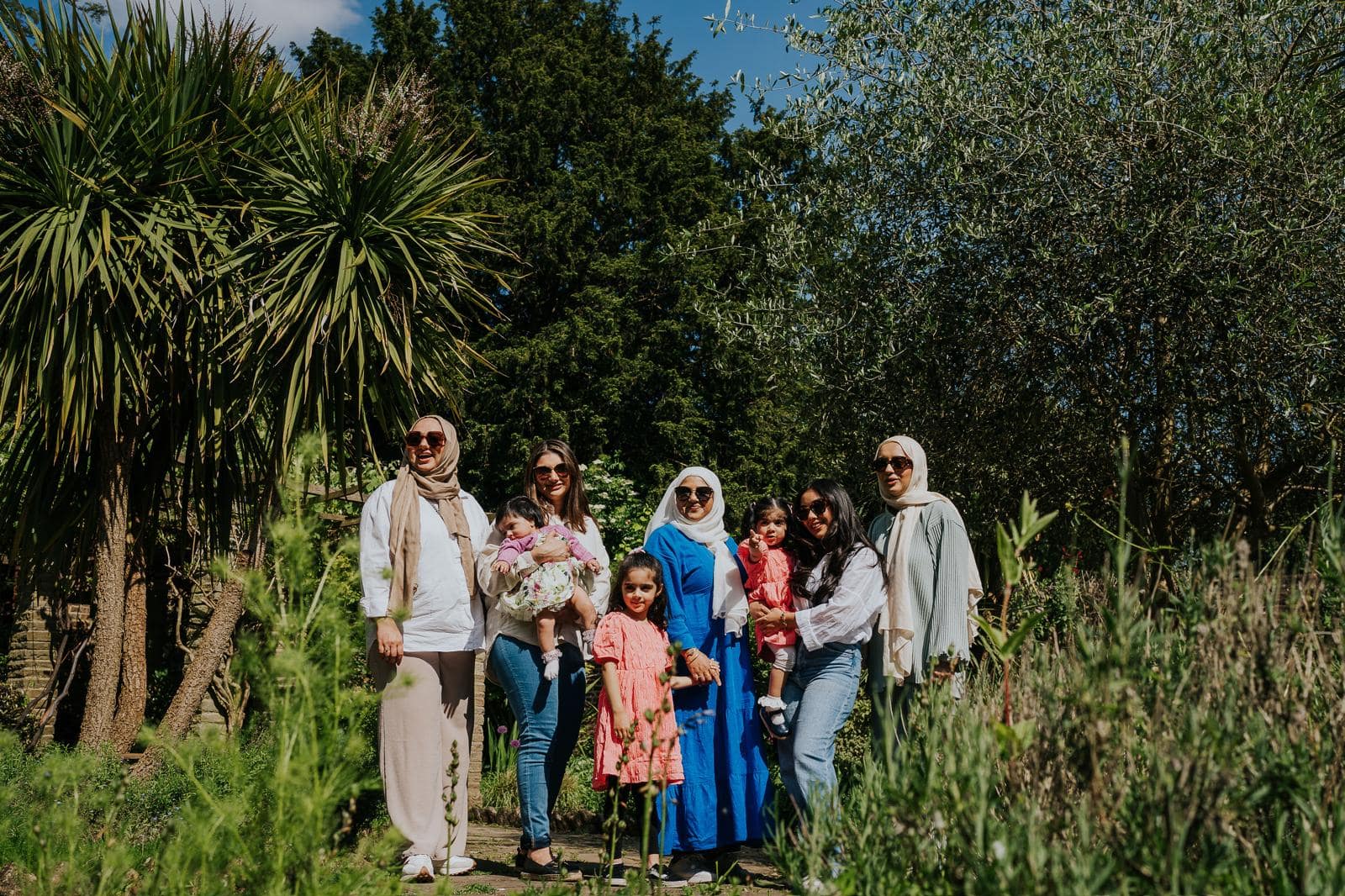
Zarina Ayyub’s legacy is most vividly seen in her own family. Her five children, now aged 18 to 34, have witnessed her unwavering dedication. Her daughters, living nearby, are now mothers themselves, embracing breastfeeding with a confidence and knowledge that Ayyub fought hard to acquire. One daughter has breastfed her first child for two years, tandem-fed her first two, and is still breastfeeding her youngest at eight months. This stands in stark contrast to Ayyub’s own struggles, demonstrating a powerful intergenerational triumph over previous norms. Crucially, her daughters also benefit from supportive partners; one daughter’s husband, initially uncomfortable with breastfeeding, has become a strong advocate. Ayyub also supported her sister-in-law, who has had a brilliant breastfeeding journey.
Beyond her immediate family, Ayyub’s influence has permeated her wider circle. Her husband, once pressured by cultural norms, has learned to discuss topics like breastfeeding and periods openly, normalising these conversations within their "unusual Pakistani household." This openness has extended to her children’s spouses and friends, a testament to Ayyub’s persistent advocacy. The fact that her other daughters are considering home births, a significant departure from traditional practices in their community, speaks volumes about the shifting perceptions she has helped foster.
Ayyub passionately advocates for more South Asian women to access breastfeeding support and to openly share their experiences. She highlights the persistent "shame surrounding breastfeeding" and the "prudish" nature of many Asian families, which often leads to a reluctance to seek help in public settings, even from other women. She firmly distinguishes this cultural inhibition from religious tenets, explaining that "The Muslim faith teaches that the baby has a right to be breastfeed for however long they wish, although many of them think it should only be for two years." This critical distinction, often lost in cultural interpretation, is vital for empowering Muslim mothers.
According to Public Health England data, while breastfeeding initiation rates among South Asian mothers in the UK are generally high, the duration often drops significantly, mirroring wider trends but sometimes exacerbated by cultural pressures and lack of culturally competent support. Ayyub’s work, and that of organisations like La Leche League, aims to address these disparities by building relationships of trust and providing support that acknowledges and respects cultural nuances.
The Broader Impact: Fostering a Supportive Environment for New Mothers
Zarina Ayyub’s experience and advocacy underscore the importance of creating a holistic and supportive environment for new mothers, right from the outset. As discussed in the LLLGB Podcast "Breastfeeding Matters" where Ayyub was featured, there is a growing recognition of the "first 40 days" or "fourth trimester" – an ancient tradition in many cultures that prioritises rest, nourishment, and support for the new mother. This concept stands in stark contrast to the isolation and domestic expectations Ayyub faced.
Her work as a Doula, combined with her contributions to projects like The Raham Project and BLISS, is instrumental in fostering a future where breastfeeding is not only normalised but also actively supported within diverse communities. By addressing the fears, debunking myths, and providing practical, culturally sensitive guidance, Ayyub continues to empower mothers to embrace breastfeeding as a natural and beneficial process for both infant and maternal health. Her journey is a powerful reminder that while individual battles can be arduous, their collective impact can lead to profound and lasting societal change, ensuring that every mother has the choice, knowledge, and support to nurture her baby as she wishes.