

The Clinical Framework of Gut Dysbiosis
Medical professionals identify dysbiosis as an imbalance in the microbial communities where pathogenic or opportunistic bacteria outnumber beneficial species. This imbalance can be triggered by various factors, including the overuse of broad-spectrum antibiotics, high-sugar diets, chronic stress, and environmental toxins. Research indicates that approximately 60 to 70 million Americans are affected by digestive diseases, many of which are rooted in microbial instability. Understanding the clinical signs of an imbalanced gut is the first step toward systemic restoration.
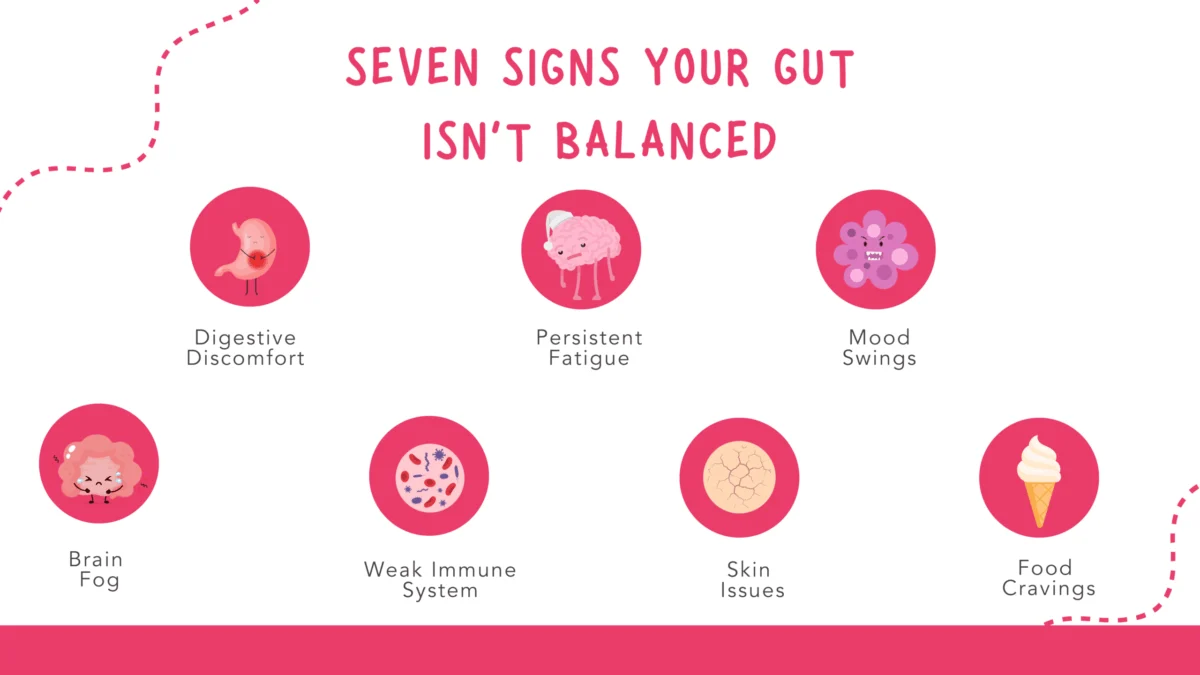
1. Chronic Digestive Dysfunction
The most immediate indicators of gut imbalance are localized gastrointestinal symptoms. Frequent bloating, flatulence, constipation, and diarrhea serve as primary signals that the digestive system is struggling to process nutrients and expel waste. These symptoms often stem from the fermentation of undigested carbohydrates by harmful bacteria in the small intestine, a condition sometimes diagnosed as Small Intestinal Bacterial Overgrowth (SIBO). When the microbiome is healthy, beneficial bacteria facilitate the breakdown of complex fibers and maintain the integrity of the intestinal lining. Without this support, the transit time of food is altered, leading to the discomfort associated with Irritable Bowel Syndrome (IBS), which affects an estimated 10% to 15% of the global population.
2. Persistent Fatigue and Sleep Disturbances
While fatigue is often attributed to lack of sleep or overexertion, clinical data suggests a profound link between gut health and energy levels. A study published in the journal Microbiome found that individuals with Chronic Fatigue Syndrome (CFS) exhibited significantly lower microbial diversity compared to healthy controls. Furthermore, roughly 60% of patients diagnosed with chronic fatigue also present symptoms of IBS. This correlation is partly due to the gut’s role in nutrient absorption; an imbalanced microbiome may fail to extract essential vitamins and minerals required for cellular energy production. Additionally, the gut produces precursors for melatonin, the hormone responsible for regulating sleep cycles, meaning a disrupted gut can lead to poor sleep quality and subsequent daytime exhaustion.
3. Neuropsychiatric Fluctuations and the Gut-Brain Axis
One of the most significant discoveries in modern biology is the gut-brain axis—a bidirectional communication network linking the enteric nervous system and the central nervous system. The gut is responsible for producing approximately 95% of the body’s serotonin, a key neurotransmitter involved in mood regulation, and a substantial portion of dopamine. Consequently, dysbiosis can lead to heightened anxiety, depression, and significant mood swings. When the intestinal barrier is compromised, inflammatory cytokines can travel through the bloodstream and cross the blood-brain barrier, triggering neuroinflammation. This biological pathway explains why gastrointestinal distress is frequently comorbid with clinical anxiety and stress-related disorders.
4. Metabolic Influence and Food Cravings
The composition of the gut microbiota plays a decisive role in metabolic health and appetite regulation. Research suggests that certain bacterial species can manipulate host behavior by altering taste receptors or releasing hormones that induce cravings for specific substances, particularly refined sugars and processed fats. These "bad" bacteria thrive on simple carbohydrates, creating a feedback loop where poor dietary choices fuel the growth of harmful microbes, which then signal the brain for more of the same fuel. This cycle is a contributing factor to the rising rates of obesity and metabolic syndrome globally.
5. Dermatological Manifestations
The "gut-skin axis" describes the relationship between intestinal health and skin integrity. Conditions such as acne, eczema, rosacea, and psoriasis are often outward manifestations of internal inflammation. When the gut lining becomes overly permeable—a condition colloquially known as "leaky gut"—undigested food particles and toxins enter the bloodstream. The immune system reacts by triggering systemic inflammation, which often erupts on the skin. Clinical trials have shown that the administration of specific probiotic strains can reduce the severity of atopic dermatitis and other inflammatory skin conditions by modulating the systemic immune response.
6. Compromised Immune Defense
It is estimated that 70% to 80% of the human immune system resides within the gut-associated lymphoid tissue (GALT). The microbiome acts as a training ground for immune cells, teaching them to distinguish between harmless proteins and dangerous pathogens. An imbalanced gut weakens this defensive barrier, making the individual more susceptible to frequent colds, flu, and infections. Furthermore, chronic dysbiosis can lead to immune system overactivity, where the body begins to attack its own tissues, potentially contributing to the development of autoimmune diseases.
7. Cognitive Impairment and Brain Fog
"Brain fog"—characterized by confusion, forgetfulness, and a lack of mental clarity—is increasingly recognized as a symptom of gut dysfunction. The metabolic byproducts of certain gut bacteria, such as short-chain fatty acids (SCFAs), are essential for maintaining cognitive function and protecting the brain. Conversely, an overgrowth of harmful bacteria can produce ammonia and other toxins that impair cognitive processing. The gut-brain connection ensures that when the digestive environment is toxic, the mind suffers a corresponding decline in executive function and focus.
A Chronology of Nutritional Science and Gut Health
The evolution of dietary guidelines reflects a growing understanding of the microbiome. In the mid-20th century, nutritional science focused heavily on caloric intake and macronutrient ratios, often ignoring the role of bacteria. The "Low Fat" era of the 1980s and 90s inadvertently encouraged the consumption of high-sugar, processed foods that decimated gut diversity.
By the early 2000s, the paradigm shifted. The completion of the Human Genome Project led researchers to realize that human health was not determined by human genes alone, but by the collective genome of our microbial residents. This sparked a resurgence in traditional dietary practices, such as fermentation, and a new emphasis on dietary fiber as a "prebiotic" fuel for beneficial bacteria.
Strategic Interventions for Microbial Rebalancing
Restoring a compromised gut requires a multi-faceted approach involving dietary modification, lifestyle adjustments, and targeted supplementation.
The Role of Dietary Fiber and Prebiotics
Fiber is the primary substrate for beneficial gut bacteria. The modern Western diet typically provides less than 15 grams of fiber per day, significantly below the recommended 25 to 38 grams. Increasing the intake of soluble and insoluble fibers—found in legumes, whole grains, and tubers—promotes the production of butyrate, an SCFA that heals the gut lining. Emerging "superfoods" like the Baobab fruit from Africa are gaining attention for their high prebiotic content. Baobab is exceptionally rich in soluble fiber and antioxidants, providing a potent food source for indigenous probiotic species.
Fermentation and Probiotic Integration
Fermented foods, such as kefir, sauerkraut, kimchi, and kombucha, serve as natural delivery systems for live beneficial bacteria. These traditional foods have been utilized for millennia across various cultures to preserve nutrients and support digestion. Modern clinical applications involve the use of concentrated probiotic supplements, particularly during periods of high stress or following antibiotic treatment. Strains such as Lactobacillus rhamnosus and Bifidobacterium longum have been extensively studied for their ability to survive the acidic environment of the stomach and colonize the lower intestine, where they provide the most benefit.
Hydration and Mucosal Integrity
Water is essential for the maintenance of the mucosal lining of the intestines. This lining acts as a physical barrier against pathogens and facilitates the smooth passage of food. Dehydration can lead to a thinning of this mucus layer, increasing the risk of inflammation and constipation. Health experts recommend consistent hydration, often supplemented with trace minerals, to support the biological processes of detoxification and cellular repair.
Economic and Social Implications of Gut Health
The rise in gut-related ailments has significant economic consequences. In the United States alone, the annual cost of digestive diseases is estimated to exceed $136 billion in direct medical expenses and lost productivity. As the link between the microbiome and chronic disease becomes clearer, there is a growing movement toward "personalized nutrition." This involves using stool testing and genetic sequencing to create bespoke dietary plans tailored to an individual’s unique microbial profile.
Public health officials are increasingly advocating for "microbiome-friendly" policies, including stricter regulations on food additives and more judicious use of antibiotics in both human medicine and livestock. The shift toward gut-centric health represents a transition from reactive medicine—treating symptoms as they arise—to proactive, preventative care that addresses the foundational health of the human ecosystem.
Future Outlook and Conclusion
The study of the human microbiome is still in its relative infancy, yet the data already suggests that gut health is a cornerstone of overall longevity. As researchers continue to map the trillions of interactions occurring within the digestive tract, the definition of "health" is being rewritten to include the well-being of our microbial partners. For the individual, addressing the seven signs of gut imbalance is not merely about resolving digestive discomfort; it is about optimizing the body’s most critical systems—from the immune response to mental health—ensuring a more resilient and balanced life. The integration of high-fiber diets, fermented foods, and evidence-based supplementation represents a return to biological fundamentals in an increasingly complex modern world.
