

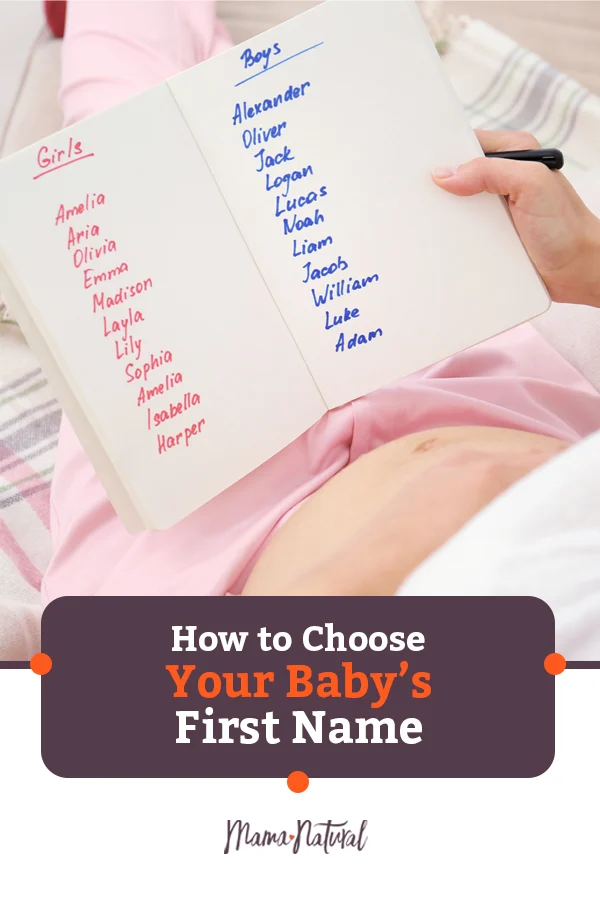
The process of naming a child has evolved from a matter of family tradition into a complex strategic undertaking that balances personal identity, cultural heritage, and long-term social implications. In the modern era, expectant parents are increasingly viewing the selection of a first name as the "first gift" bestowed upon a child, necessitating a meticulous approach to ensure the choice is both unique and enduring. As the variety of available names expands through global connectivity, the pressure to select a name that stands out while remaining functional has led to the development of sophisticated methodologies for narrowing down the field of contenders.
The Evolving Landscape of Child Naming
Historically, naming conventions were often dictated by religious calendars, ancestral lineage, or local community standards. However, data from the Social Security Administration (SSA) in the United States indicates a significant shift toward diversification. In the mid-20th century, the top ten most popular baby names accounted for a substantial percentage of all births. In contrast, contemporary data shows that parents are moving away from the most popular choices in favor of "long-tail" names—those that are less common but carry specific meanings or aesthetic appeal.
This trend is driven by a desire for individuality in a digital age where a name often serves as a primary identifier in both social and professional spheres. Consequently, the use of digital tools, such as specialized baby name finders and databases, has become a standard part of the prenatal experience. These platforms allow parents to filter thousands of options by origin, meaning, popularity, and phonetic structure, transforming a subjective decision into a data-driven process.
Establishing a Foundation Through Collaborative Communication
The initial phase of the naming process requires a structured dialogue between partners to establish a foundation of "wants and needs." Sociologists specializing in family dynamics suggest that naming conflicts often arise from unstated expectations regarding tradition versus modernism. To mitigate these tensions, experts recommend that couples discuss specific parameters before reviewing name lists.
Key considerations in this foundational stage include the desired level of popularity—whether the parents prefer a name in the "Top 100" or something more obscure—and the importance of honoring cultural or familial roots. By defining these boundaries early, parents can avoid "decision fatigue," a psychological phenomenon where the sheer volume of choices leads to stress and suboptimal decision-making. This collaborative approach fosters compromise and ensures that the final selection is a reflection of shared values rather than a unilateral preference.
The Role of Inspiration and Digital Discovery
For many parents, the search for the perfect name begins with a broad survey of available options. Modern databases categorize names into thematic lists, ranging from biblical and traditional to unique and avant-garde. For instance, while some parents may gravitate toward "biblical first names" for their historical weight and moral resonance, others may seek "unique first names" to ensure their child stands out in a classroom setting.
The "Surprise Me" feature found on many naming platforms serves an important psychological function by introducing randomness into an otherwise curated process. This can break cognitive biases where parents only look for names within a specific phonetic or cultural niche. Furthermore, tracking popularity trends over time—viewing names by recent or all-time popularity—allows parents to anticipate whether a name is on the rise (and thus likely to become common) or if it is a "vintage" choice that is currently underutilized.
Expanding Horizons: Globalization and Naming Trends
One of the most significant shifts in naming over the last decade is the willingness of parents to "step outside the box" regarding name origins. As the world becomes more interconnected, names that were once considered exotic or regional are gaining mainstream acceptance.
Linguistic analysis shows that parents often seek specific sounds rather than just specific names. For example, a parent who likes the floral sound of "Lily" but finds it too common might pivot to the Polynesian name "Leilani," which means "heavenly flower." This lateral thinking allows parents to maintain the aesthetic they desire while achieving a higher degree of uniqueness. The rise of "vintage" names, such as Sadie or Minnie, also reflects a cyclical trend where names from the early 20th century are being reclaimed by a new generation of parents looking for a sense of timelessness without the ubiquity of modern "trendy" names.
The Significance of Etymology and Meaning
The meaning behind a name—its etymology—carries significant weight for many parents. Psychological studies on "nominative determinism" suggest that people may be subconsciously drawn to professions or lifestyles that reflect their names, though this remains a subject of academic debate. Regardless of the scientific validity, the symbolic value of a name’s meaning is undeniable.

For parents seeking "strong" names, the search often goes beyond the phonetic sound to the historical definition. A name like Ethan, meaning "enduring and strong," offers a different narrative than a name like Valor, which is more literal. Similarly, parents of twins often use meanings to create a cohesive but distinct identity for their children. Names meaning "peace" (such as Salma or Arina) or "life" (such as Vida or Eva) allow parents to bestow a specific intent or blessing upon their child. Modern databases now allow for searching by meaning, enabling parents to work backward from a concept to a name.
Structural and Phonetic Compatibility
Beyond the meaning and origin, the practical application of a name must be considered, particularly in relation to the surname. This involves a phonetic analysis of how the first and last names interact. Experts suggest several criteria for this stage:
- Syllabic Balance: A long first name often pairs well with a short surname, and vice versa.
- Alliteration and Flow: While some parents enjoy alliteration (e.g., "Benjamin Brown"), others find it repetitive. The transition between the end of the first name and the start of the surname is critical to avoid "mushing" sounds together.
- Initials and Acronyms: Parents must be vigilant about the initials formed by the full name to ensure they do not inadvertently create embarrassing or inappropriate acronyms.
- Nicknames and Diminutives: A name like "Isabella" naturally lends itself to "Izzy" or "Bella." Parents must decide if they are comfortable with the common diminutives associated with their choice.
Methodologies for Narrowing the Field
Once a list of contenders has been established, the process moves into a "testing" phase. This is designed to bring the name to life and assess its functionality in the real world. Common exercises include the "shout test"—imagining calling the name across a playground—and the "professional test"—imagining the name on a business card or a political ballot.
Another effective strategy is the "Starbucks Test," where a parent uses the potential name when ordering at a café to see how it feels to say it aloud and how others react to its spelling and pronunciation. These practical simulations help weed out names that may look good on paper but lack "wearability" in daily life.
Resolving Interpersonal Conflicts in Naming
Naming a child is a high-stakes emotional event that can lead to "first name feuds" between partners. Conflict resolution in this area often involves creative compromise. If one partner prefers a traditional name and the other a modern one, a common solution is to use one as the first name and the other as the middle name.
In cases where agreement cannot be reached, some couples employ "bracket-style" tournaments to narrow down choices or agree to a "veto" system where each party can remove a certain number of names from the list without question. The goal is to reach a consensus where both parents feel a sense of ownership over the final choice, as this decision is often seen as a precursor to the collaborative nature of parenting itself.
The Timeline of Decision and the Privacy Debate
The chronology of naming varies significantly among families. According to hospital registration data, while many parents arrive at the delivery room with a name finalized, a substantial minority wait until they meet the infant before making a definitive choice. There is no legal or medical requirement to name a child immediately upon birth in most jurisdictions, though birth certificate filings generally require a name within a few days to weeks.
Furthermore, the decision of whether to reveal the name before the birth has become a point of contention in the age of social media. Some parents choose to "crowdsource" opinions, while others maintain strict privacy to avoid unsolicited feedback or "name theft" within their social circles. Maintaining privacy allows the parents to bond with the name without external influence, whereas revealing it can help family members feel more connected to the pregnancy.
Broader Implications and Final Considerations
The selection of a baby name is more than a domestic task; it is a reflection of societal values, linguistic trends, and the shifting landscape of identity. As parents navigate the vast array of options—from the "Top 100" lists to obscure global origins—they are participating in a cultural dialogue about what it means to be an individual in the 21st century.
Ultimately, the process should be approached with a blend of analytical rigor and emotional intuition. By utilizing digital tools, exploring etymological roots, and engaging in honest communication, parents can ensure that the name they choose serves as a strong foundation for their child’s future. The "perfect" name is rarely the result of a single moment of inspiration; rather, it is the product of a thoughtful, structured journey that honors both the child’s potential and the parents’ heritage.
