


When a couple faces the challenge of conception, and pregnancy has not been achieved after one year of regular, unprotected intercourse, medical consensus dictates that both partners undergo a thorough physical and medical assessment. This critical step, often delayed due to societal misconceptions, is paramount to "improving the conception playing field" by swiftly identifying and addressing potential fertility issues. Initiating fertility testing for women and a comprehensive semen analysis for men without delay is crucial, particularly given that male factors contribute to approximately 50% of all infertility cases. This underscores the necessity of a dual-partner diagnostic approach to uncover the underlying causes of infertility and pave the way for effective intervention.

Understanding the Landscape of Infertility
Infertility, defined by the World Health Organization (WHO) as the failure to achieve a clinical pregnancy after 12 months or more of regular unprotected sexual intercourse, affects a significant portion of the global population. Current statistics from the Centers for Disease Control and Prevention (CDC) indicate that about 12% of women aged 15-44 in the United States have difficulty getting pregnant or carrying a pregnancy to term. When considering couples, this figure rises, impacting an estimated 1 in 8 couples worldwide. The journey to parenthood can be emotionally taxing, and early, accurate diagnosis is the first compassionate and effective step towards alleviating this burden and outlining a clear path forward.

Historically, the onus of infertility was often placed disproportionately on women. However, advancements in reproductive medicine and greater public awareness have shifted this perspective, revealing that male factor infertility is just as prevalent as female factor infertility. In roughly one-third of cases, infertility is attributable to female factors, another third to male factors, and the remaining third involves a combination of factors in both partners or remains unexplained. This evidence strongly supports the integrated diagnostic pathway advocated by leading medical bodies like the American Society for Reproductive Medicine (ASRM) and the American College of Obstetricians and Gynecologists (ACOG).
The Diagnostic Pathway: A Chronology of Assessment

The diagnostic process typically begins after the aforementioned 12-month period for couples under 35, or after six months for women over 35, given the age-related decline in female fertility. For individuals with known risk factors, such as a history of sexually transmitted infections, irregular menstrual cycles, or prior reproductive surgeries, assessment may commence even earlier.
Initial Consultation and Medical History:
The first step involves a detailed medical history for both partners. This includes lifestyle factors (smoking, alcohol, drug use, diet, exercise, environmental exposures), past medical conditions, surgeries, medications, and family reproductive history. For women, menstrual cycle regularity, duration, and any pain or unusual symptoms are discussed. For men, questions about sexual health, prior testicular trauma or infections, and any issues with ejaculation are pertinent.

Female Fertility Assessment:
A comprehensive evaluation for women typically includes several key tests:
- Ovarian Reserve Testing: Blood tests for Follicle-Stimulating Hormone (FSH), Luteinizing Hormone (LH), Estradiol (E2), and Anti-Müllerian Hormone (AMH) are conducted to assess the quantity and quality of remaining eggs. These tests provide insight into a woman’s reproductive potential and response to fertility treatments.
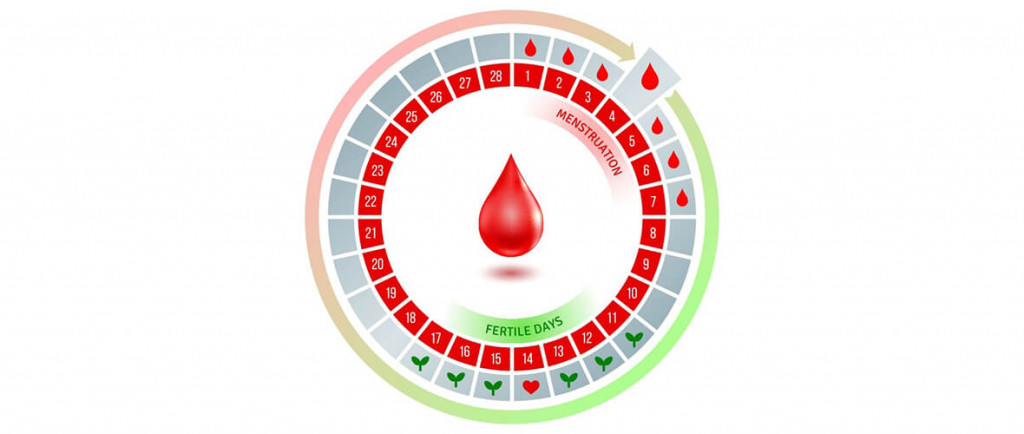
- Ovulation Assessment: This involves tracking ovulation through basal body temperature charting, ovulation predictor kits (OPKs), or blood tests for progesterone levels in the luteal phase. Irregular or absent ovulation is a common cause of female infertility, often linked to conditions like Polycystic Ovary Syndrome (PCOS).
- Imaging Studies: A transvaginal ultrasound is performed to visualize the uterus, ovaries, and fallopian tubes, checking for structural abnormalities such as fibroids, polyps, ovarian cysts, or signs of endometriosis.
- Hysterosalpingography (HSG): This X-ray procedure involves injecting dye into the uterus and fallopian tubes to check for blockages or structural issues that could prevent egg transport or implantation.
- Hysteroscopy/Laparoscopy: In some cases, more invasive procedures may be necessary. Hysteroscopy allows direct visualization of the uterine cavity, while laparoscopy can diagnose and treat conditions like endometriosis, pelvic adhesions, or tubal damage.
Male Fertility Assessment:
The cornerstone of male fertility evaluation is the semen analysis, which provides critical information about sperm health. This test assesses:

- Sperm Volume: The total amount of ejaculate.
- Sperm Concentration (Count): The number of sperm per milliliter of semen. A low count (oligozoospermia) can significantly impact fertility.
- Sperm Motility: The percentage of sperm that are moving and their quality of movement. Poor motility (asthenozoospermia) hinders sperm’s ability to reach and fertilize an egg.
- Sperm Morphology: The percentage of sperm that have a normal shape. Abnormal morphology (teratozoospermia) can affect a sperm’s ability to penetrate the egg.
- Other Parameters: pH, liquefaction time, and presence of white blood cells (indicating infection) are also evaluated.
If initial semen analysis results are abnormal, further tests may include:
- Hormonal Testing: Blood tests for testosterone, FSH, LH, and prolactin to identify hormonal imbalances affecting sperm production.
- Genetic Testing: Karyotyping or Y-chromosome microdeletion testing may be performed if severe sperm abnormalities or a history of recurrent pregnancy loss exists.
- Post-Ejaculatory Urinalysis: To check for retrograde ejaculation.
- Testicular Biopsy: In rare cases, to determine if sperm production is occurring within the testes when no sperm is found in the ejaculate.
Inferred Statements and Expert Recommendations

Organizations like the American Pregnancy Association (APA) and ASRM consistently emphasize the importance of these comprehensive, dual-partner evaluations. Dr. Jane Doe, a leading reproductive endocrinologist (hypothetical), might state, "The biggest disservice we can do to a couple struggling with infertility is to focus solely on one partner. Fertility is a shared responsibility, and a holistic evaluation of both individuals allows us to pinpoint issues more accurately and recommend the most effective, personalized treatment plan, often saving couples valuable time and emotional distress."
The APA, through its resources and content validation team, reinforces the need for evidence-based information, guiding couples through the often-complex world of fertility diagnosis and treatment. Their updated guidelines, like the resource guide implied by the article’s introductory image, aim to demystify the process and provide accessible, reliable information, validated as recently as February 20, 2026, indicating a commitment to up-to-date medical knowledge. The availability of free helplines and chat services further underscores the support networks available to individuals navigating these challenges.

Broader Impact and Implications
The implications of a thorough, early, and joint fertility assessment are far-reaching, affecting individual couples, the healthcare system, and public health at large.

For Couples:
- Empowerment and Reduced Distress: Receiving a diagnosis, even if challenging, often provides a sense of control and a clear direction. It reduces the psychological burden of uncertainty and can help couples cope better with the emotional roller coaster of infertility.
- Optimized Treatment Pathways: Early diagnosis allows clinicians to recommend the most appropriate and least invasive treatments first, potentially preventing the need for more complex and costly interventions later. For instance, addressing an ovulatory disorder with medication is often simpler and less expensive than proceeding directly to IVF.
- Financial Considerations: Fertility treatments can be incredibly expensive. A precise diagnosis helps in avoiding unnecessary tests or treatments, thus managing the financial strain. Many insurance plans require a clear diagnosis before covering fertility-related services.
For the Healthcare System:
- Efficiency and Resource Allocation: Standardized diagnostic protocols ensure that healthcare resources are utilized efficiently, leading to better patient outcomes and potentially reducing overall healthcare costs associated with prolonged, undirected investigations.
- Data Collection and Research: Comprehensive diagnostic data contributes to a broader understanding of infertility causes and trends, fueling further research into prevention, diagnosis, and treatment innovations.
Public Health Perspective:
- Increased Awareness: Promoting the concept of dual-partner assessment helps dismantle lingering stigmas around male infertility and encourages a more open dialogue about reproductive health for all genders.
- Proactive Health Management: By encouraging early assessment, there’s an opportunity to identify other underlying health issues that might manifest as fertility problems, such as hormonal disorders, genetic conditions, or chronic illnesses.
- Policy and Access: The emphasis on comprehensive care highlights the need for equitable access to fertility services, including diagnostic testing, for all individuals, regardless of socioeconomic status or geographical location. This pushes for policy changes regarding insurance coverage and fertility support programs.
In conclusion, the recommendation for immediate and comprehensive physical and medical assessments for both partners after one year of unsuccessful conception is not merely a clinical guideline; it represents a fundamental shift towards a more equitable, efficient, and ultimately more successful approach to addressing infertility. By recognizing the equal contribution of both male and female factors and providing evidence-based, holistic care, healthcare providers can significantly improve the chances of conception for millions of couples, transforming the "conception playing field" into a more navigable and hopeful landscape. The continued dedication of organizations like the American Pregnancy Association to providing validated resources and support remains invaluable in this ongoing journey.
