

The landscape of children’s literature is undergoing a crucial transformation, with an increasing emphasis on the importance of diverse representation. This shift is not merely a trend but a fundamental necessity for fostering empathy, understanding, and a more inclusive worldview in young readers. Research consistently highlights a significant underrepresentation of minority characters in children’s books, with studies indicating that white, male protagonists dominate the pages of many popular titles. This imbalance can inadvertently send a message to children from underrepresented backgrounds that their stories and experiences are less significant, while simultaneously limiting the perspectives of all children by presenting a narrower view of the world.
This article delves into the significance of diverse children’s books, exploring their impact on child development and offering a curated selection of titles that champion inclusivity across race, gender, ability, and sexuality. These recommendations are not only celebrated for their thematic richness and literary merit but also for their ability to introduce children to a wider spectrum of human experiences, thereby enriching their understanding of the diverse world they inhabit.
The Stark Reality of Underrepresentation in Children’s Books
For decades, the children’s book industry has grappled with a pervasive lack of diversity. Data from various studies paints a clear picture: authors and illustrators of color have historically accounted for a disproportionately small percentage of published works. For instance, a 2017 analysis by the Cooperative Children’s Book Center (CCBC) at the University of Wisconsin-Madison found that only 10% of children’s books published in 2015 featured Black or African characters, and a mere 7.5% featured Asian characters. Hispanic or Latino characters fared even worse, appearing in only 5% of books.
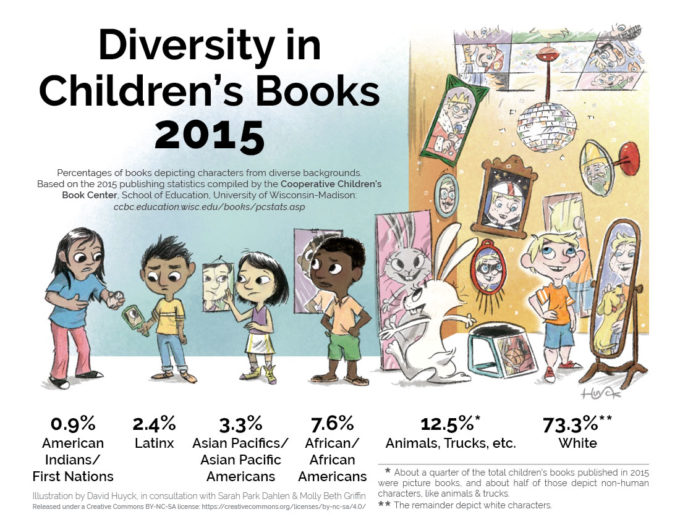
This underrepresentation extends beyond race and ethnicity. Gender parity also remains a significant concern. A 2016 study published by The Washington Post revealed that even in books where the protagonist is an animal or an anthropomorphic character, the vast majority are male. This pervasive male-centric narrative can inadvertently reinforce gender stereotypes and limit girls’ identification with story protagonists. Furthermore, children with disabilities and those from LGBTQ+ families have historically been even more marginalized, with their stories appearing in a minuscule fraction of published works.
The implications of this lack of representation are profound. When children do not see themselves reflected in the stories they read, it can lead to feelings of invisibility and alienation. Conversely, for children from dominant groups, a lack of exposure to diverse characters can foster a limited understanding of the world and perpetuate unconscious biases. The adage "you can’t be what you can’t see" holds particular weight in this context, emphasizing the power of literature to shape aspirations and perceptions from an early age.

The Transformative Power of Inclusive Literature
The introduction of diverse characters and narratives into children’s books offers a multitude of benefits. Firstly, it promotes empathy and understanding. By stepping into the shoes of characters from different backgrounds, children can develop a greater appreciation for varied experiences, challenges, and joys. This fosters a more compassionate and tolerant society.
Secondly, diverse books validate the identities of all children. When children see characters who share their race, ethnicity, family structure, or abilities, it affirms their sense of self and belonging. This is particularly crucial for children from marginalized communities, whose lived experiences may not always be mirrored in mainstream media and culture.

Thirdly, inclusive literature broadens horizons and challenges stereotypes. It introduces children to a wider range of possibilities and helps to dismantle preconceived notions about different groups of people. By showcasing characters who defy traditional expectations, these books encourage critical thinking and a more nuanced understanding of identity.
Finally, diverse books reflect the reality of our globalized world. Children today are growing up in increasingly multicultural and interconnected societies. Literature that mirrors this reality prepares them to navigate and thrive in such an environment, fostering a sense of global citizenship.
Curated Selection: Books Championing Diversity Across Age Groups
The following selection highlights exemplary children’s books that excel in their portrayal of diversity, offering engaging narratives alongside valuable representation. These titles have been recognized for their literary quality and their significant contribution to fostering inclusive reading experiences.
For Babies and Toddlers: Laying the Foundation for Understanding
The earliest years of a child’s life are critical for developing foundational understandings of the world. Board books designed for infants and toddlers can introduce them to a spectrum of faces, families, and experiences, normalizing diversity from the outset.
-
"Not Quite Narwhal" by Jessie Sima: This charming story introduces Kelp, a young narwhal who feels different. The narrative beautifully explores themes of belonging and family, celebrating the idea that family love can be found in unexpected places. The gentle illustrations and relatable protagonist make it a delightful read for the youngest audiences, subtly showcasing a sense of unique identity.
-
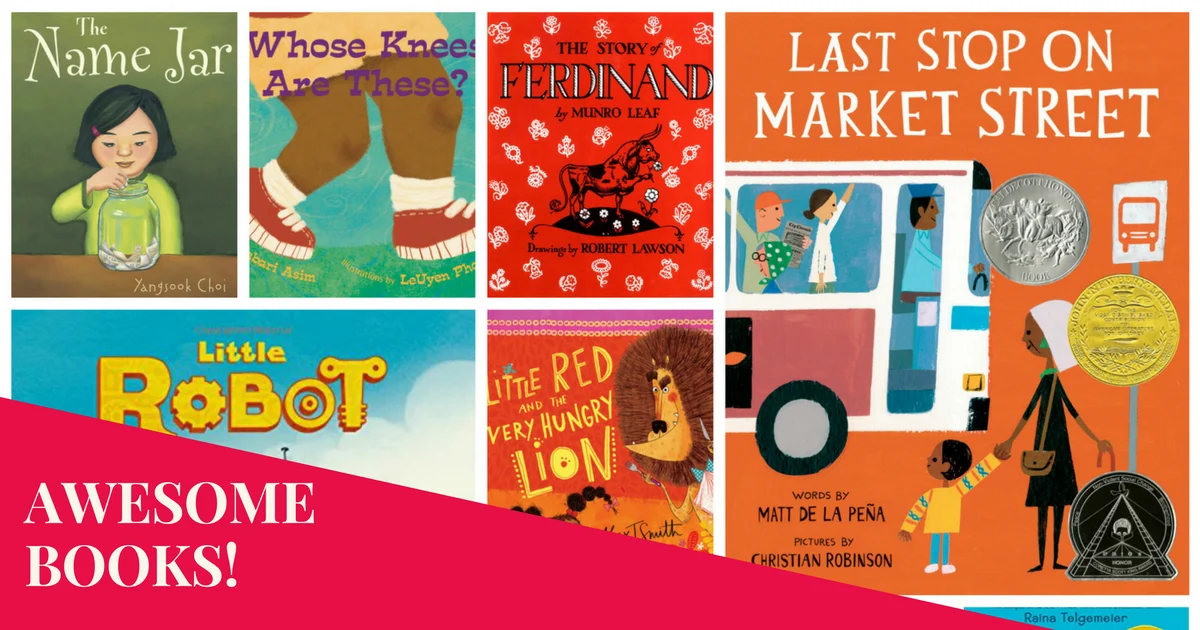
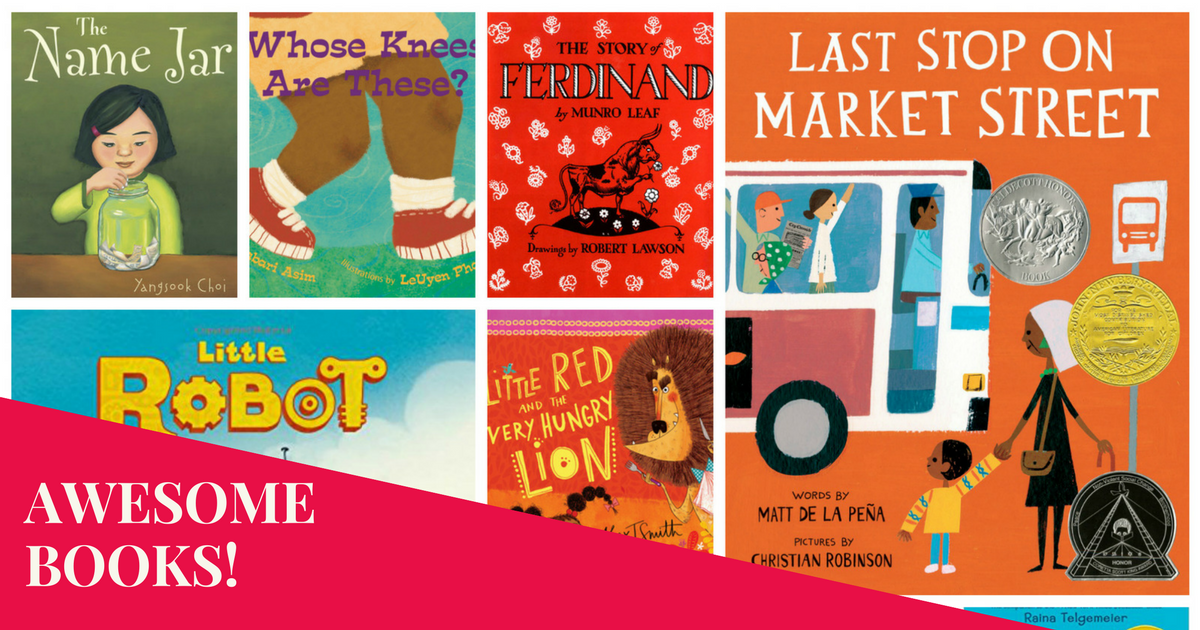
"Whose Knees Are These?" by Robie H. Harris: A simple yet effective board book, this title uses playful rhymes to introduce young children to body parts. The illustrations feature a diverse range of babies and toddlers, showcasing a variety of skin tones and physical characteristics. This unassuming book normalizes the visual diversity of human bodies from an early age.
-
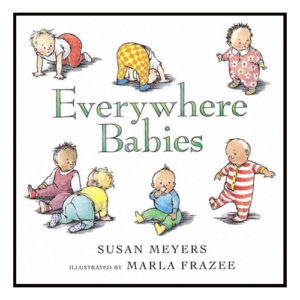
"Everywhere Babies" by Susan Meyers: With luminous illustrations by the acclaimed Caldecott Honor artist, this book offers a gentle and inclusive depiction of babies in various settings and family structures. It celebrates the universal experiences of infancy while subtly showcasing a wide array of racial and ethnic diversity, as well as different parenting arrangements.
-
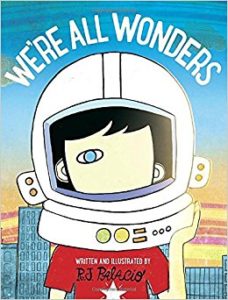
"We’re All Wonders" by R.J. Palacio: Adapted from the beloved chapter book "Wonder," this picture book introduces the character of Auggie Pullman, a boy with facial differences. The story gently conveys the message that everyone is unique and special, encouraging kindness and acceptance. It’s a powerful tool for introducing the concept of visible differences and the importance of looking beyond appearances.
For Preschoolers: Exploring Identity and Empathy
As children enter preschool, their understanding of the world expands, and they begin to form more complex social connections. Books at this level can introduce themes of individuality, friendship, and understanding differences in a more nuanced way.
-
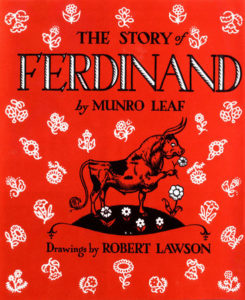
"The Story of Ferdinand" by Munro Leaf: A timeless classic, "The Story of Ferdinand" tells the tale of a bull who prefers smelling flowers to fighting. Ferdinand’s gentle nature and his refusal to conform to societal expectations for bulls make him a wonderfully unconventional hero. This story subtly champions non-conformity and the courage to be oneself, regardless of perceived norms.
-
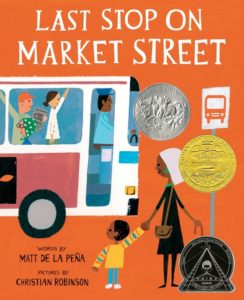
"Last Stop on Market Street" by Matt de la Peña: This Caldecott Medal winner follows CJ and his grandmother on their weekly bus ride. The book is a beautiful exploration of community, gratitude, and finding joy in everyday experiences. The illustrations depict a vibrant, diverse urban landscape, and the warm relationship between CJ and his Nana offers a powerful portrayal of intergenerational connection and love across different backgrounds.
-
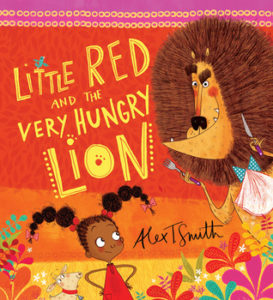
"Little Red and the Very Hungry Lion" by Alexia T. Gordon: A delightful reimagining of the classic fairy tale, this version places Little Red in a vibrant African setting. The story features a Black protagonist and celebrates cultural richness through its illustrations and narrative. Its humor and engaging plot make it a favorite for its creativity and positive representation.
-
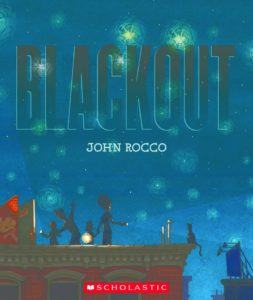
"Blackout" by John Rocco: This Caldecott Honor book is a visual narrative about a family experiencing a city-wide power outage. The story emphasizes the importance of human connection and shared experiences when technology fails. The illustrations showcase a diverse urban community coming together, highlighting shared humanity and mutual support.
-
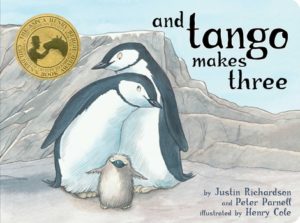
"And Tango Makes Three" by Justin Richardson and Peter Parnell: Based on a true story, this book tells the heartwarming tale of two male penguins at the Central Park Zoo who form a family. It’s a significant and accessible introduction to the concept of same-sex parents, presented in a gentle and celebratory manner. Its factual basis lends it an important authenticity.
-
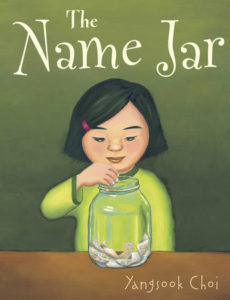
"The Name Jar" by Yangsook Choi: This touching story follows Unhei, a young Korean immigrant worried about starting a new school and the pronunciation of her name. The book beautifully addresses the anxieties of being new and different, while also celebrating the richness of cultural heritage. It highlights the importance of names as identifiers of identity and the kindness of classmates who create a "name jar" for her.
-
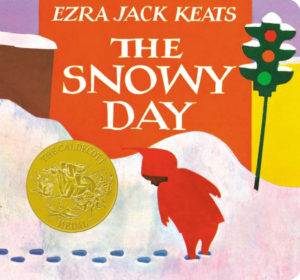
"The Snowy Day" by Ezra Jack Keats: A groundbreaking Caldecott Medal winner, "The Snowy Day" features Peter, a young Black boy experiencing the magic of a snow day. Published in 1962, it was one of the first major children’s books to feature a Black protagonist in a central role. Its simple yet profound narrative and evocative illustrations have made it a beloved classic for generations, showcasing the joy of childhood regardless of race.
-
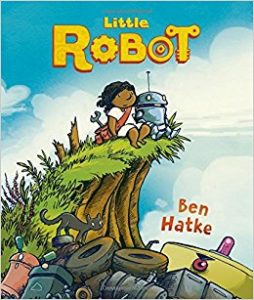
"Little Robot" by Ben Hatke: This wordless graphic novel tells the story of a small robot befriended by a curious girl. The narrative unfolds through expressive illustrations, highlighting themes of friendship, connection, and finding companionship. The story subtly portrays a diverse range of characters and their interactions, emphasizing universal themes of kindness and belonging.
For Bigger Kids: Navigating Complex Themes and Identities
As children grow into older elementary and middle school ages, they can engage with more complex narratives that explore nuanced social issues, personal challenges, and diverse identities. Graphic novels and chapter books often excel in presenting these themes in compelling ways.
-
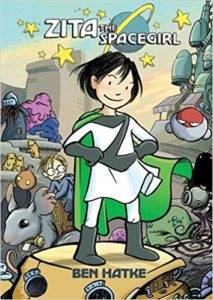
"Zita the Spacegirl" Trilogy by Ben Hatke: This popular series follows Zita, a courageous and resourceful Earth girl who embarks on an intergalactic adventure. The books are celebrated for their strong female protagonist, imaginative world-building, and themes of loyalty and bravery. While not explicitly focused on identity politics, Zita’s independence and problem-solving skills offer a powerful model for young girls.
-
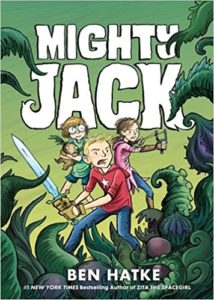
"Mighty Jack" by Ben Hatke: This graphic novel offers a creative retelling of "Jack and the Beanstalk," with a significant addition: Jack’s sister, Maddy, has autism and is nonverbal. Their relationship is central to the plot, providing an authentic and impactful portrayal of sibling dynamics within a family that navigates disability. The story also touches upon themes of divorce and family relationships, making it a rich and multi-layered read.
-
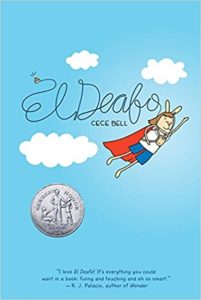
"El Deafo" by Cece Bell: A Newbery Honor recipient, "El Deafo" is a graphic memoir about the author’s childhood experience of losing her hearing and her imaginative alter ego, "El Deafo," a superhero. The book honestly explores the challenges of being different, the struggles with acceptance, and the power of a rich inner fantasy life. It offers a profound and humorous perspective on disability and self-discovery.
-
"Sisters" by Raina Telgemeier: This highly popular graphic novel delves into the complex relationship between two sisters during a family road trip. It humorously and realistically depicts sibling rivalry, family dynamics, and the challenges of growing up. Telgemeier’s work often features relatable characters and situations that resonate with young readers.
-
"Ghost" by Jason Reynolds: This novel, part of the critically acclaimed "Track" series, features Castle "Ghost" Cranshaw, a talented young runner dealing with a difficult past. The protagonist has cystic fibrosis, a chronic illness, which adds another layer of complexity to his journey. The series as a whole is lauded for its authentic portrayal of urban youth and their struggles.
-
"Drama" by Raina Telgemeier: Another hit from Telgemeier, "Drama" centers on Callie Rodriguez, who loves theater. The story touches upon themes of friendship, stagecraft, and unrequited crushes, including a character who is questioning his sexuality. This book offers a sensitive and age-appropriate exploration of LGBTQ+ themes within a middle school context, alongside humor and engaging artwork.
The Broader Impact and Future of Diverse Literature
The growing awareness and demand for diverse children’s books are driving significant changes within the publishing industry. Publishers are increasingly seeking out authors and illustrators from underrepresented backgrounds and actively acquiring manuscripts that feature diverse characters and themes. This shift is not only about social responsibility but also about good business, as diverse books resonate with a wider audience and reflect the evolving demographics of readership.
However, challenges remain. Ensuring authentic and nuanced representation is paramount, avoiding tokenism or superficial inclusion. Continued efforts are needed to support authors and illustrators from marginalized communities and to ensure that diverse books are accessible and visible to all families. Initiatives like book drives, library programs, and educational campaigns play a crucial role in promoting the widespread adoption of inclusive literature.
The future of children’s literature lies in its ability to reflect the full spectrum of human experience. By embracing diversity in all its forms, we can equip children with the empathy, understanding, and self-awareness they need to become engaged, compassionate, and contributing members of a diverse global society. The books highlighted here represent just a fraction of the rich tapestry of inclusive stories available, serving as a testament to the power of literature to shape hearts and minds, one page at a time. The ongoing conversation and continued efforts to promote and publish diverse voices will undoubtedly lead to an even more vibrant and representative literary landscape for generations to come.
