


When a couple has been unsuccessful at achieving pregnancy after one year of regular, unprotected intercourse, a comprehensive physical and medical assessment for both partners becomes immediately critical. This proactive approach, involving fertility testing for women and a detailed semen analysis for men, is essential because male factors account for approximately 50% of all infertility cases, underscoring the necessity of examining both individuals for potential issues. The American Pregnancy Association (APA) emphasizes that early and thorough evaluation can significantly improve the "conception playing field" for those struggling to conceive, providing clarity and guiding appropriate interventions. For women over 35, the timeframe to seek assessment is often shortened to six months due to age-related decline in fertility.

Understanding the Landscape of Infertility
Infertility, defined by the inability to achieve pregnancy after a specified period of trying, affects a significant portion of the global population. According to the World Health Organization (WHO), an estimated 1 in 6 people worldwide experience infertility in their lifetime. This widespread challenge underscores the importance of accessible and comprehensive diagnostic pathways. The journey to parenthood can be emotionally taxing, and understanding the underlying causes is the first crucial step toward finding solutions. Historically, the focus of infertility investigations often fell predominantly on the female partner. However, modern reproductive medicine, supported by extensive research, has firmly established that male factors are equally prevalent. This paradigm shift highlights the need for a balanced and simultaneous evaluation of both partners from the outset.
Infertility can be categorized into primary infertility, where an individual has never conceived, and secondary infertility, where they have conceived in the past but are now unable to. The causes are diverse and can stem from a multitude of factors affecting either the male or female reproductive system, or a combination of both.

Common Causes of Female Infertility
Female infertility often arises from issues related to ovulation, the fallopian tubes, or the uterus.
- Ovulatory Disorders: These are among the most common causes, accounting for about 25% of female infertility cases. Conditions like Polycystic Ovary Syndrome (PCOS), hypothalamic dysfunction (affecting hormone production), premature ovarian insufficiency (early menopause), and hyperprolactinemia (excess prolactin) can disrupt the regular release of eggs.
- Tubal Factors: Blocked or damaged fallopian tubes prevent sperm from reaching the egg or the fertilized egg from reaching the uterus. Causes include pelvic inflammatory disease (PID), endometriosis, or previous abdominal surgery.
- Uterine Factors: Abnormalities in the uterus, such as uterine fibroids (non-cancerous growths), uterine polyps, or congenital uterine anomalies, can interfere with implantation or pregnancy maintenance.
- Endometriosis: A condition where tissue similar to the lining of the uterus grows outside the uterus, potentially affecting the ovaries, fallopian tubes, and pelvic lining. It can cause pain and fertility problems.
- Diminished Ovarian Reserve: A reduction in the number or quality of eggs, often age-related but can also occur in younger women due to genetic factors, autoimmune diseases, or prior medical treatments.
- Age: Female fertility naturally declines with age, particularly after 35, due to a decrease in both the quantity and quality of eggs.
Common Causes of Male Infertility
Male infertility primarily involves issues with sperm production, function, or delivery.

- Sperm Disorders: Low sperm count (oligospermia), poor sperm motility (asthenozoospermia), or abnormal sperm shape (teratozoospermia) are frequent culprits. These can be caused by genetic defects, infections, undescended testicles, or exposure to toxins.
- Varicocele: Swelling of the veins that drain the testicle, leading to overheating and reduced sperm quality. It is a common reversible cause of male infertility.
- Blockages: Obstructions in the tubes that transport sperm (e.g., vas deferens, epididymis) can prevent sperm from being ejaculated. These can result from prior infections, surgery, or congenital conditions.
- Hormonal Imbalances: Deficiencies in hormones like testosterone, follicle-stimulating hormone (FSH), or luteinizing hormone (LH) can impair sperm production.
- Ejaculation Issues: Retrograde ejaculation (sperm enters the bladder instead of exiting the penis) or erectile dysfunction can hinder conception.
- Lifestyle Factors: Smoking, excessive alcohol consumption, drug use, obesity, exposure to certain pesticides or industrial chemicals, and even prolonged exposure to heat (e.g., hot tubs, tight underwear) can negatively impact sperm health.
In a notable percentage of cases, approximately 10-15%, infertility remains unexplained after all standard tests have been conducted. This can be particularly frustrating for couples but does not preclude the possibility of successful treatment.
The Diagnostic Journey: A Systematic Approach to Fertility Testing
The process of diagnosing infertility is a systematic one, designed to identify specific issues and tailor treatment plans. The American Society for Reproductive Medicine (ASRM) recommends that women under 35 who have been trying to conceive for one year without success, or women over 35 who have been trying for six months, should seek a fertility specialist.

Initial Consultation and Medical History
The diagnostic journey typically begins with a comprehensive initial consultation. During this visit, the fertility specialist will take a detailed medical history from both partners, including:
- Reproductive history: Past pregnancies, miscarriages, sexually transmitted infections (STIs).
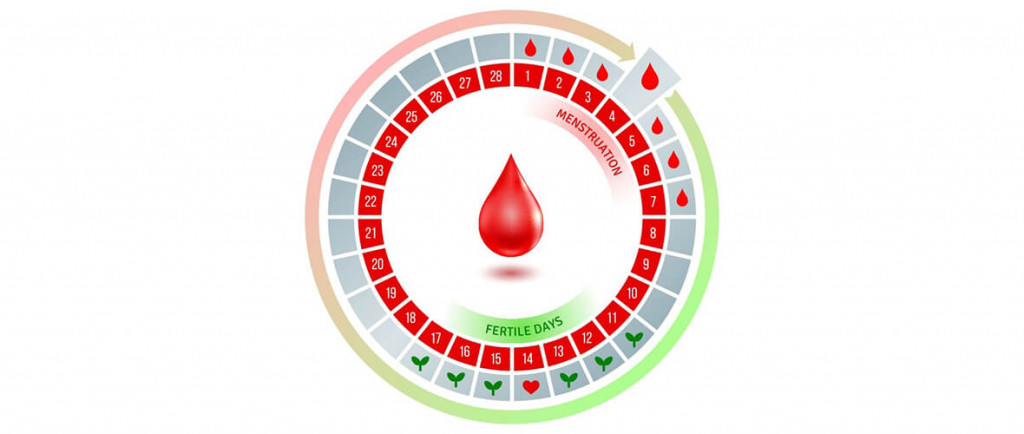
- Menstrual history for women: Cycle regularity, duration, pain, unusual bleeding.
- Sexual history: Frequency of intercourse, any difficulties.
- Medical history: Chronic conditions, surgeries, medications, allergies.
- Lifestyle factors: Diet, exercise, smoking, alcohol, drug use, occupational exposures.
- Family history: Any genetic conditions or reproductive issues within families.
- Physical examinations: General health assessment for both partners.
Female Fertility Testing
Following the initial consultation, a series of tests are typically recommended for the female partner:

- Ovulation Tracking and Hormone Analysis:
- Basal Body Temperature (BBT) Charting: While less precise than other methods, daily BBT tracking can indicate ovulation patterns.
- Ovulation Predictor Kits (OPKs): These over-the-counter kits detect the surge in luteinizing hormone (LH) that precedes ovulation.
- Blood Tests:
- FSH (Follicle-Stimulating Hormone) and LH (Luteinizing Hormone): Typically measured on day 3 of the menstrual cycle, these hormones indicate ovarian function and reserve. High FSH can suggest diminished ovarian reserve.
- Estradiol (Estrogen): Also measured on day 3, it provides further insight into ovarian function.
- Progesterone: Measured mid-luteal phase (around day 21 of a 28-day cycle), elevated levels confirm ovulation.
- Anti-Müllerian Hormone (AMH): This blood test is a strong indicator of ovarian reserve, reflecting the number of remaining eggs. It can be drawn at any point in the cycle.
- Thyroid-Stimulating Hormone (TSH) and Prolactin: Abnormal levels of these hormones can interfere with ovulation.
- Ovarian Reserve Assessment:
- Antral Follicle Count (AFC): Performed via transvaginal ultrasound, this counts the number of small follicles in the ovaries, providing another measure of ovarian reserve.
- Uterine and Tubal Evaluation:
- Hysterosalpingography (HSG): An X-ray procedure where a dye is injected into the uterus and flows into the fallopian tubes. It helps identify blockages or abnormalities in the tubes and uterus.
- Saline Infusion Sonography (SIS) or Sonohysterography: A procedure using saline to distend the uterine cavity, followed by ultrasound, to better visualize the uterine lining for polyps, fibroids, or other structural issues.
- Transvaginal Ultrasound: Used to examine the uterus and ovaries for structural abnormalities, fibroids, cysts, or signs of PCOS.
- Hysteroscopy: A procedure where a thin, lighted telescope is inserted through the cervix into the uterus to visualize and potentially correct intrauterine abnormalities.
- Laparoscopy: A minimally invasive surgical procedure that allows direct visualization of the pelvic organs (uterus, fallopian tubes, ovaries) and can diagnose and treat conditions like endometriosis, adhesions, or tubal blockages.
Male Fertility Testing
Simultaneously, the male partner undergoes specific diagnostic evaluations:
- Semen Analysis: This is the cornerstone of male fertility testing and provides crucial information about sperm health. It measures:
- Sperm Volume: The amount of semen ejaculated.
- Sperm Concentration (Count): The number of sperm per milliliter of semen.
- Sperm Motility: The percentage of sperm that are moving and how well they move.
- Sperm Morphology: The percentage of sperm that have a normal shape.
- Other parameters: pH, liquefaction time, presence of white blood cells (indicating infection).
Multiple samples may be required for accuracy, as sperm parameters can fluctuate.
- Hormone Testing: Blood tests for:
- Testosterone: The primary male sex hormone, crucial for sperm production.
- FSH and LH: Regulate sperm production in the testes.
- Prolactin: High levels can inhibit testosterone production.
- Post-Ejaculatory Urinalysis: To detect retrograde ejaculation, where semen enters the bladder instead of being ejaculated normally.
- Genetic Testing: If severe sperm abnormalities or a history of recurrent miscarriage are present, genetic tests such as karyotyping (to check for chromosomal abnormalities) or Y-chromosome microdeletion testing may be recommended.
- Scrotal Ultrasound: Used to identify structural issues like varicocele, blockages, or other abnormalities in the testes or epididymis.
- Testicular Biopsy: In rare cases of very low or absent sperm count, a small tissue sample from the testicle may be taken to determine if sperm production is occurring.
The American Pregnancy Association’s Commitment to Evidence-Based Support
The American Pregnancy Association (APA) plays a vital role in disseminating accurate, evidence-based information to couples navigating the complexities of conception and pregnancy. The article’s assertion that it is "maintained and verified by the APA Content Validation Team" underscores the organization’s dedication to scientific rigor and reliability. This commitment ensures that individuals receive trustworthy guidance during what can be an incredibly vulnerable time. By providing resources such as free live helplines, live chats, and a comprehensive pregnancy questions center, the APA actively supports individuals and couples at every stage of their journey, reinforcing the message that "You’re Never Alone on Your Journey." Their emphasis on proactive testing aligns with their broader mission to empower individuals with knowledge and support to achieve healthy pregnancies.

Broader Impact and Implications of Early and Comprehensive Diagnosis
The implications of early and comprehensive fertility assessment extend far beyond individual diagnoses, influencing treatment success rates, emotional well-being, and broader societal perceptions of infertility.
Improved Success Rates and Personalized Treatment
Identifying the specific cause of infertility promptly allows medical professionals to develop highly personalized and effective treatment plans. Whether the issue lies with ovulatory dysfunction, tubal blockages, sperm abnormalities, or a combination, early diagnosis enables timely interventions. This could range from simple lifestyle modifications, medication to induce ovulation (e.g., Clomid, Femara), intrauterine insemination (IUI), or more advanced reproductive technologies like in vitro fertilization (IVF). Studies consistently show that the earlier interventions begin, especially for age-related infertility, the higher the chances of success. For instance, addressing a varicocele in men or surgically removing endometriosis in women can significantly improve natural conception rates or enhance the efficacy of assisted reproductive techniques.

Reducing Emotional Distress and Empowering Couples
The emotional toll of infertility can be profound, often leading to feelings of sadness, anxiety, frustration, and isolation. The uncertainty surrounding the inability to conceive can be particularly debilitating. Early diagnosis, even if it reveals a challenging condition, provides clarity. This knowledge empowers couples to understand their situation, explore available options, and regain a sense of control over their reproductive journey. It transforms an ambiguous struggle into a concrete problem with potential solutions, allowing couples to move forward with informed decisions and reducing prolonged periods of agonizing speculation. Support groups, counseling, and resources like those offered by the APA become invaluable in managing the psychological aspects of this journey.
Economic Considerations and Access to Care
Fertility treatments can be expensive, and access to care remains a significant barrier for many. Early diagnosis can sometimes lead to less invasive and costly treatments if problems are identified before they become more complex or age-related factors exacerbate the situation. For example, identifying and treating an ovulatory disorder with medication is generally far less expensive than proceeding directly to IVF. Increased awareness and advocacy for insurance coverage for fertility diagnostics and treatments are crucial for making these essential services more equitable and accessible across socioeconomic strata.

Destigmatization and Societal Awareness
The open discussion and widespread availability of comprehensive fertility testing contribute to the destigmatization of infertility. By acknowledging that infertility is a medical condition affecting both men and women, rather than a personal failing, society can foster a more supportive environment. Educational initiatives, like those from the APA, help dispel myths and encourage couples to seek help without shame or hesitation. This shift in perception is vital for encouraging more couples to come forward and utilize the medical advancements available to them.
Future Trends in Reproductive Medicine
The field of reproductive medicine is continuously evolving. Advances in genetic screening, non-invasive diagnostic techniques, and personalized medicine promise even more refined and effective approaches to infertility. Early comprehensive assessments are foundational to leveraging these future innovations, allowing for precise interventions that are tailored to an individual’s unique biological profile. This includes advancements in understanding the microbiome’s role in fertility, improved embryo selection techniques in IVF, and novel therapies for specific male factor issues.
In conclusion, the message from the American Pregnancy Association regarding the critical importance of comprehensive fertility assessments for both partners after one year of unsuccessful conception (or six months for older women) is more pertinent than ever. This proactive, evidence-based approach is fundamental to navigating the complex landscape of infertility. By systematically evaluating both male and female factors, couples can receive accurate diagnoses, access timely and personalized treatments, and ultimately improve their chances of achieving their dream of parenthood. The availability of reliable information and robust support systems is paramount in transforming a journey often marked by uncertainty and distress into one of hope and informed action.
