

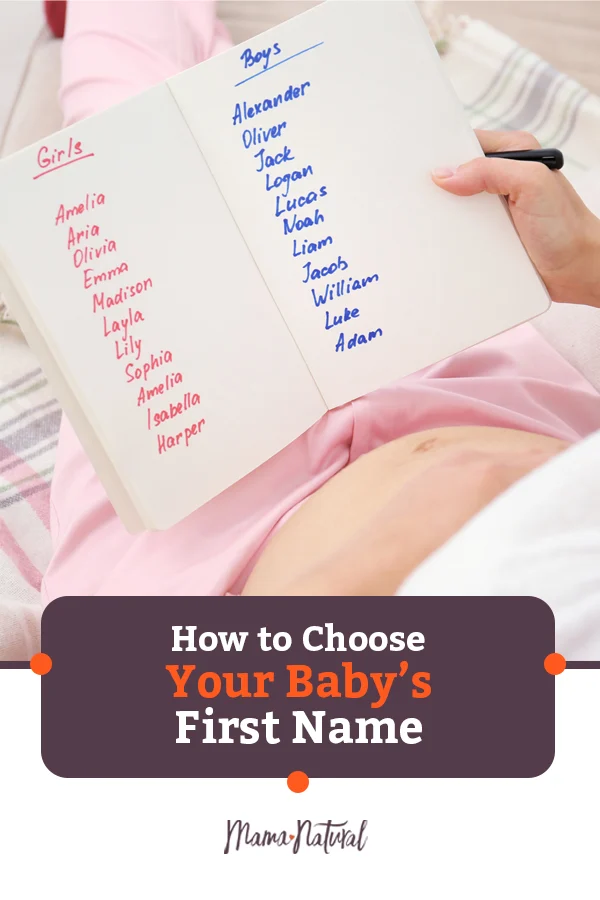
The Modern Landscape of Pediatric Nomenclature
In the United States, data from the Social Security Administration (SSA) indicates a growing trend toward "unique" naming conventions. While names like Liam and Olivia have dominated the top of the charts for several years, the percentage of children receiving the most popular names has significantly decreased compared to the mid-20th century. This shift suggests that contemporary parents prioritize distinctiveness over social conformity. However, this desire for uniqueness often clashes with the psychological comfort of familiarity, leading to the rise of "vintage" names—older names that feel fresh because they have been out of circulation for several generations.
The selection process is no longer confined to family bibles or local community influences. Digital databases and algorithmic "name finders" have revolutionized how parents discover options, allowing for filtered searches based on syllable count, ethnic origin, and specific meanings. This data-driven approach allows parents to navigate the vast landscape of global nomenclature with precision, ensuring that the chosen name meets a specific set of predetermined criteria.
A Chronological Approach to the Naming Process
The naming journey typically follows a multi-stage chronology, beginning long before the third trimester and often concluding only when the birth certificate is signed.
Phase I: The Foundational Consultation
The initial phase involves a baseline discussion between partners to establish the "naming philosophy." This stage is critical for avoiding late-term conflicts. Key considerations during this period include:
- The Popularity Spectrum: Deciding whether to choose a name within the top 10, top 100, or a name so rare it has not appeared on recent census data.
- Heritage and Legacy: Determining the importance of honoring specific cultural, religious, or familial lineages.
- Stylistic Alignment: Identifying a preference for modern, "invented" names versus classic, "timeless" options.
- Gender Neutrality: Assessing the desire for androgynous names that provide the child with flexibility in gender expression.
Phase II: The Ideation and Discovery Phase
Once the foundation is set, parents enter the discovery phase. This involves exploring dedicated lists—ranging from biblical and historical figures to nature-inspired and celestial themes. Linguistic experts note that the "sound" of a name is often as important as its origin. Parents frequently gravitate toward specific phonemes, such as the "soft" vowel endings currently popular for girls or the "strong" consonant sounds preferred for boys.
Phase III: Linguistic and Etymological Analysis
In this stage, parents move beyond the aesthetic of a name to its inherent meaning. Etymology plays a significant role in the selection process. A name like Ethan, which translates to "strong" or "enduring," offers a different psychological profile than a name like Oliver, which relates to "peace." Parents often seek names that act as "aspirational markers," hoping to imbue their children with qualities such as resilience, kindness, or wisdom through the history of their name.
Structural and Phonetic Considerations
A name does not exist in a vacuum; it must function within the context of the family surname and the child’s future social environment. Journalists and linguists who study naming patterns suggest that "flow" is a primary concern for the modern parent.
The Surname Synergy
The interaction between the first name and the surname is a critical logistical factor. Parents are encouraged to evaluate:

- Syllabic Rhythm: A short first name often pairs well with a multi-syllabic surname (e.g., Jane Montgomery), whereas long first names may require a shorter surname for balance (e.g., Alexander Smith).
- Alliteration and Assonance: While some parents find alliterative names (e.g., Benjamin Brown) catchy, others find them repetitive.
- Initial Analysis: Checking the initials for unintended acronyms or words is a standard "due diligence" step in the professional naming process.
The "Real-World" Stress Test
To ensure a name is functional, experts recommend several "field tests." These include the "Yell Test"—determining how the name sounds when shouted across a playground—and the "Starbucks Test," where a parent uses the name at a coffee shop to see if it is easily understood and spelled by strangers. If a name requires constant correction or causes visible confusion, it may present a lifelong hurdle for the child.
Navigating Familial Conflict and Resolution
The naming process is frequently a source of interpersonal tension. When partners have disparate tastes—for instance, one preferring a modern, trendy name like Kenzie and the other a vintage classic like Minnie—compromise becomes a necessity.
Strategies for Conflict Resolution
- The "Veto" System: Each partner is granted a specific number of "hard vetos" to eliminate names they find unacceptable, narrowing the pool to mutually tolerable options.
- The Middle Name Compromise: Using a favored but contested name in the middle position allows both parents to see their preferences reflected without the name becoming the child’s primary identifier.
- Derivative Exploration: If a couple disagrees on a name like Isabella, they may find common ground in variants like Isabel, Belle, or Isabeau.
- The "Meeting the Baby" Clause: Many parents choose to keep a "shortlist" of three names and make the final decision only after the child is born, allowing the baby’s physical presence to dictate the "best fit."
The Sociology of Disclosure: To Share or Not to Share?
The decision of when to reveal a baby’s name has become a significant social dilemma. In the era of social media, the "name reveal" is often treated as a major event. However, there is a growing movement toward "naming privacy."
The Case for Privacy
Many parents opt to keep the name a secret until birth to avoid "opinion fatigue." When a name is announced during pregnancy, friends and family members often feel emboldened to offer unsolicited critiques. By waiting until the child is born, parents present the name as a fait accompli, which generally elicits more polite and supportive reactions.
The Case for Disclosure
Conversely, early disclosure can help siblings and extended family members bond with the unborn child. It also allows parents to receive personalized gifts and nursery items. The decision ultimately rests on the parents’ comfort with external influence and their desire for a private versus public transition into parenthood.
Broader Implications and Future Outlook
The names we choose today will shape the social and professional landscape of the next century. Studies in social psychology have shown that names can carry implicit biases regarding socio-economic status, ethnicity, and personality traits. While these biases are often unfair and unfounded, they remain a reality of the human social experience.
As we move toward a more globalized society, the "cross-cultural" name is gaining traction. Names that are easily pronounceable in multiple languages—such as Maya, Leo, or Sofia—are increasingly popular among expatriates and multicultural families. This trend reflects a broader shift toward global citizenship, where a name serves as a bridge between different cultures and histories.
In conclusion, picking a baby name is a multifaceted project that requires a blend of creative inspiration and analytical rigor. By discussing needs early, exploring diverse origins, and testing names against structural and social realities, parents can select a name that is not only unique and aesthetically pleasing but also a functional and empowering tool for their child’s future. The process, while often stressful, remains one of the most significant milestones of the transition into parenthood—a definitive act of welcoming a new life into the world.
