

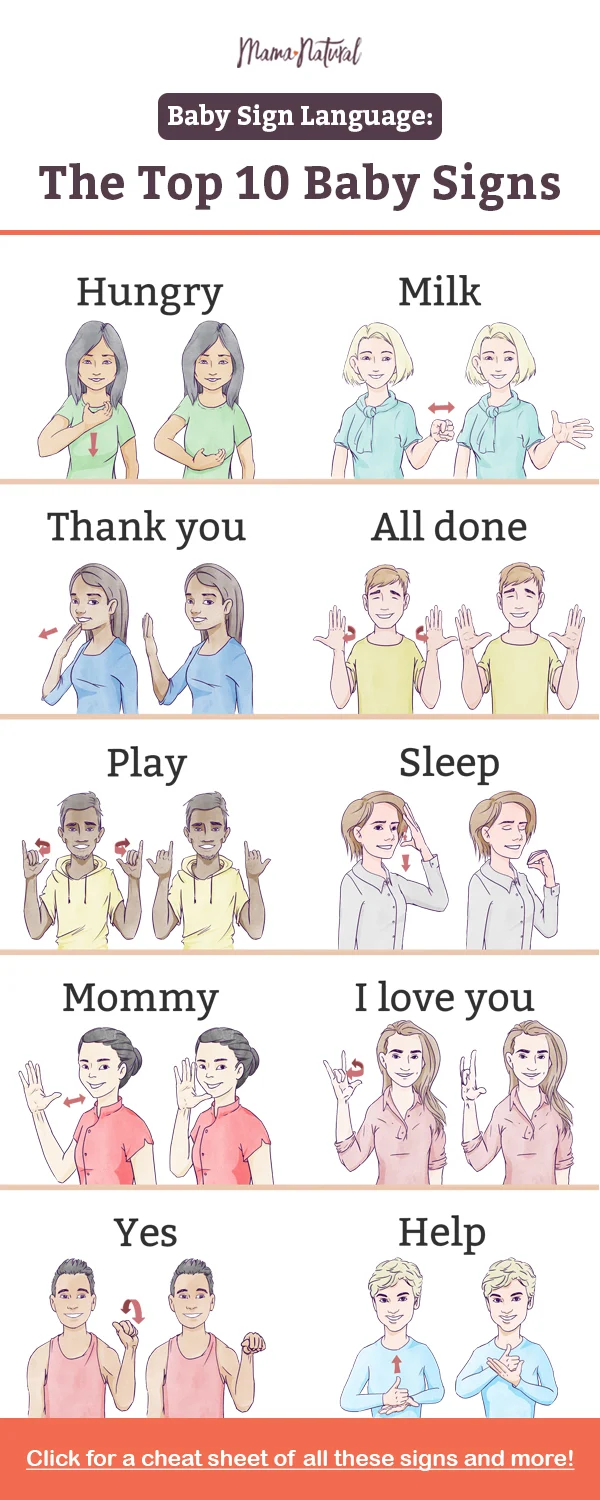
Baby sign language serves as a bridge between the pre-verbal stage of infancy and the onset of spoken language, offering a structured method for infants to express their needs and emotions through modified gestures. Based largely on American Sign Language (ASL), this system simplifies complex hand movements to accommodate the developing motor skills of infants. While babies typically do not develop the physiological control over their vocal cords and tongue necessary for clear speech until well into their second year, their manual dexterity and cognitive ability to associate gestures with meanings develop much earlier. By utilizing these signs, parents and caregivers can establish a functional dialogue with children as young as six to nine months old, effectively bypassing the period of "communicative frustration" that often leads to excessive crying and temper tantrums.
The practice of teaching signs to hearing infants gained mainstream scientific attention in the 1980s and 1990s, spearheaded by researchers such as Dr. Linda Acredolo and Dr. Susan Goodwyn. Their research, funded by the National Institutes of Health (NIH), suggested that infants who used symbolic gestures transitioned into spoken language with greater ease and often possessed larger vocabularies and higher IQ scores in later childhood compared to non-signing peers. While contemporary research remains mixed regarding long-term cognitive "boosts," the consensus among developmental psychologists and speech-language pathologists is that signing does not delay speech. Rather, it reinforces the linguistic structure of communication, teaching the child the fundamental concept that specific actions represent specific objects or desires.
The Developmental Timeline of Infant Communication
Understanding the chronological progression of infant development is essential for successfully implementing a sign language program. The journey from observation to active participation follows a predictable biological sequence.
Phase One: Observation (Birth to 4 Months)
During the first few months of life, an infant’s eyesight is still maturing. By the four-month mark, most infants have developed the visual acuity and focus necessary to observe hand gestures clearly. At this stage, caregivers are encouraged to begin modeling signs during routine activities, such as feeding or diaper changes, even though the infant lacks the motor control to reciprocate.
Phase Two: Recognition (4 to 7 Months)
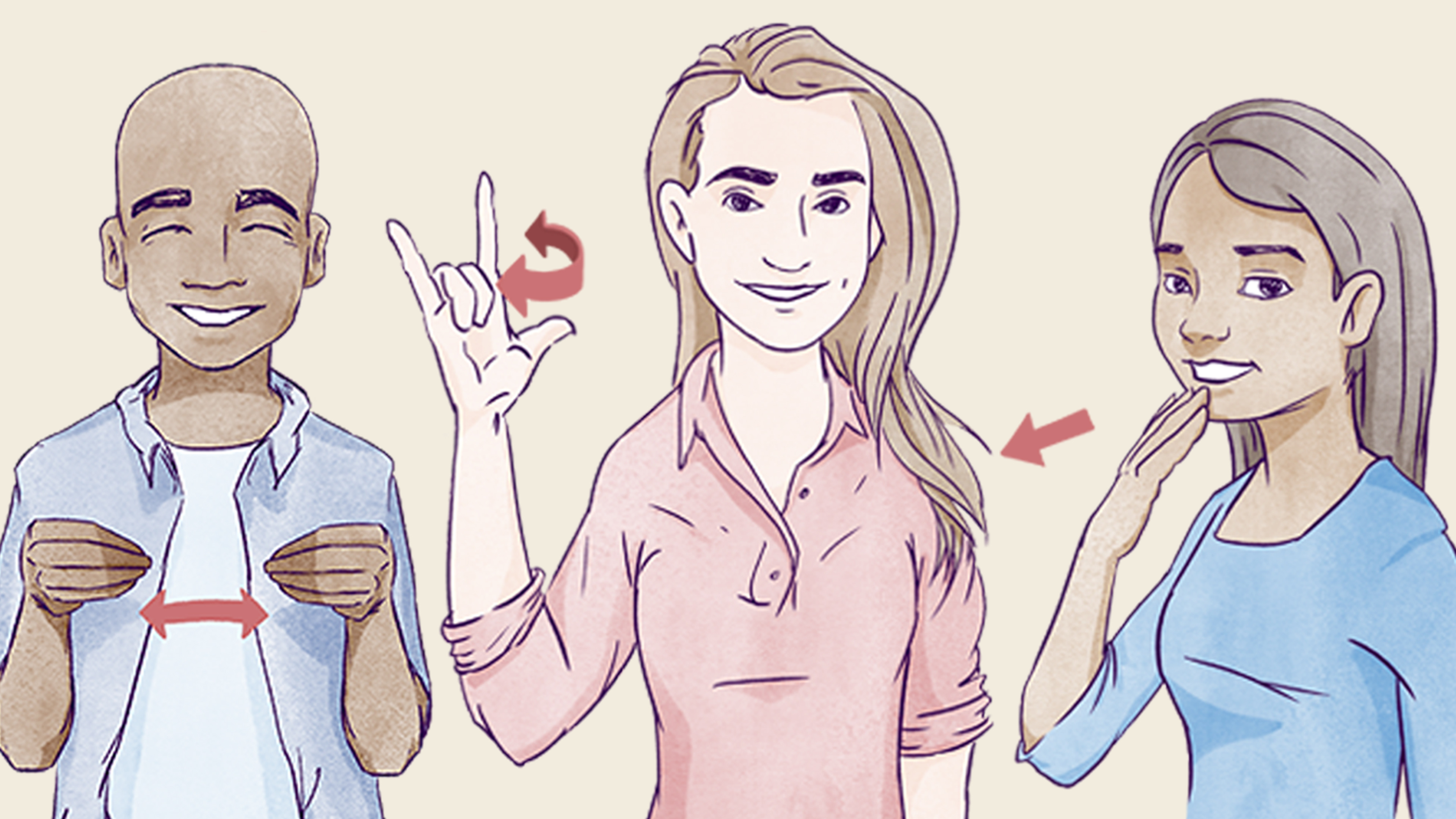
In this window, infants begin to demonstrate cognitive recognition. They may show excitement or focused attention when they see a familiar sign, such as the gesture for "milk." This indicates that the neural pathways connecting a visual symbol to a physical reward are strengthening.
Phase Three: Execution (7 to 10 Months)
Most infants will produce their first intentional sign between seven and nine months of age. This milestone coincides with the development of fine motor skills, such as the ability to bring hands together or point. Initial signs may be "approximations"—imperfect versions of the gesture that the parent must interpret and reinforce with positive feedback.
Phase Four: Verbal Integration (12 to 18 Months)
As the child’s vocal apparatus matures, they will begin to pair signs with spoken words. Eventually, the physical effort of signing is naturally discarded in favor of the efficiency of speech.
Quantifiable Benefits and Behavioral Impact
The implementation of baby sign language is linked to several measurable improvements in child behavior and parental well-being. A primary benefit is the reduction of the "frustration-aggression" cycle. When an infant cannot communicate a specific need—such as being thirsty versus being tired—they often resort to crying as a generalized distress signal. Signing provides a specific tool for "functional communication," which has been shown to lower cortisol levels in both the child and the caregiver during stressful interactions.
Furthermore, signing fosters "joint attention," a critical developmental milestone where the child and adult focus on the same object. This shared focus is the foundation of social-emotional intelligence. Data suggests that parents who sign with their children tend to be more "attuned" to their child’s subtle cues, leading to more secure attachment styles. From a psychological perspective, being "heard" and understood at an early age builds a sense of agency and self-esteem in the infant, as they realize they have the power to influence their environment through communication rather than just reaction.
Methodologies for Effective Instruction
To successfully teach sign language to an infant, educators and pediatricians recommend a three-pillar approach: consistency, context, and celebration.
- Start with the Familiar: Initial instruction should focus on high-motivation targets—objects or actions the baby already cares about. Signs like "milk," "more," and "eat" are highly effective because they result in an immediate, tangible reward.
- Repetition and Verbal Reinforcement: Every time a sign is made, the corresponding word must be spoken clearly. This creates a multi-sensory learning environment (visual, auditory, and kinesthetic).
- Positive Reinforcement: When a baby attempts a sign, even an incorrect one, caregivers should respond with enthusiasm and fulfill the request if appropriate. This validates the child’s effort and encourages further experimentation with gestures.
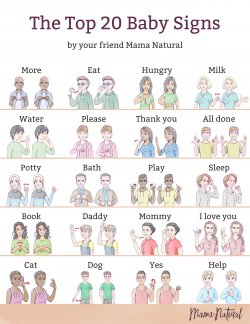
Essential Vocabulary: The Top 20 Signs for Early Communication
The following signs represent the core vocabulary needed to navigate an infant’s daily routine. These gestures are simplified versions of ASL designed for ease of use.
Basic Needs and Requests
- More: Bring the tips of the fingers and thumbs together on each hand to form an "O" shape, then tap the fingertips of both hands together repeatedly. This is often the first sign a baby learns.
- Eat: Using the same hand shape as "more," tap the fingertips against the lips. This distinguishes a general desire for food from a desire for "more" of a specific item.
- Hungry: Place the hand in a "C" shape against the chest and move it downward toward the stomach, mimicking the path of food.
- Milk: Open and close a fist as if milking a cow. This is a vital sign for infants who rely on breastfeeding or bottle-feeding.
- Water: Form a "W" with the index, middle, and ring fingers, then tap the index finger against the chin.
- Help: Place a closed fist with the thumb up (a "thumbs up" gesture) on the flat palm of the opposite hand and move both hands upward together.
Manners and Social Interaction
- Please: Place the palm flat against the chest and move it in a circular motion. This introduces the concept of social etiquette early on.
- Thank You: Start with the fingertips at the chin and move the hand forward and down toward the person being thanked, similar to blowing a kiss.
- Yes: Hold a fist at eye level and tilt it up and down from the wrist, mimicking a nodding head.
- I Love You: While the traditional ASL sign for "I Love You" involves the thumb, index, and pinky, a simplified version for babies involves crossing the arms over the chest in a self-hug.
Daily Routines
- All Done: Hold both hands up with palms facing the chest, then twist the wrists so the palms face outward. This is crucial for ending mealtime or playtime without conflict.
- Change: Form two fists and hook the index fingers. Press the wrists together and rotate them around each other, symbolizing the transition of a diaper change.
- Potty: Make a fist with the thumb tucked between the index and middle fingers (the letter ‘T’ in ASL) and shake the hand side-to-side.
- Bath: Form two fists and move them up and down the chest, as if scrubbing the body with a washcloth.
- Sleep: Place an open hand over the forehead with fingers spread, then draw the hand down to the chin while closing the fingers to meet the thumb, mimicking eyes closing.
- Book: Press the palms together and then hinge them open at the pinky-side, as if opening a book.
People and Environment
- Mommy: With an open hand and fingers spread, tap the thumb against the chin.
- Daddy: Using the same open-hand shape, tap the thumb against the forehead. The distinction between chin (female) and forehead (male) is a standard feature of ASL.
- Dog: Pat the thigh and then snap the fingers, or simply mimic the patting motion for younger infants.
- Cat: Use the index finger and thumb to "pinch" and pull away from the side of the mouth, mimicking the stroking of whiskers.
Expert Perspectives and Broader Implications
The adoption of baby sign language has significant implications for early childhood education. Many daycare centers and preschools have integrated signing into their curriculum to manage large groups of pre-verbal children more effectively. Dr. Joseph Garcia, a pioneer in the field, notes that signing children often exhibit fewer behavioral outbursts because their needs are met with greater precision.
Critics occasionally argue that signing might make a child "lazy" regarding speech, but linguistic data refutes this. Humans are biologically driven to use the most efficient form of communication available. Once the muscles of the mouth can produce the word "milk" faster than the hands can gesture it, the child will invariably choose speech.
The broader impact of this practice extends to the neuroplasticity of the infant brain. Engaging multiple areas of the brain—the visual cortex for seeing the sign, the motor cortex for producing it, and the auditory cortex for hearing the word—creates a robust neural network for language. As society moves toward a deeper understanding of early childhood development, baby sign language stands out as a low-cost, high-reward intervention that enhances the emotional and cognitive bond between parent and child. It transforms the "silent" first year of life into a period of active, meaningful engagement.
