

The global probiotic market, valued at approximately $70 billion in 2023, is projected to expand significantly as consumers increasingly prioritize gut health as a cornerstone of systemic wellness. However, the proliferation of options—ranging from shelf-stable capsules and refrigerated liquids to varied concentrations of Colony Forming Units (CFUs)—has created a "paradox of choice" for the average consumer. Scientific consensus now emphasizes that the efficacy of a probiotic intervention is not determined by quantity alone but by the biological specificity of the strains used and their ability to survive the transit through the human gastrointestinal tract. As the medical community deepens its understanding of the "gut-brain axis" and the role of the microbiome in immune modulation, the need for a rigorous, fact-based approach to probiotic selection has never been more critical.
The Evolution of Microbiome Research and Supplementation
The concept of using beneficial bacteria to improve health dates back to the early 20th century when Nobel laureate Élie Metchnikoff observed the longevity of Bulgarian peasants who consumed fermented milk. However, the modern era of probiotic science was truly catalyzed by the Human Microbiome Project, launched in 2007. This initiative revealed that the human body hosts trillions of microorganisms, which perform functions ranging from vitamin synthesis to the regulation of the immune system.
Over the last two decades, the industry has shifted from generic "live cultures" found in yogurt to highly specialized, lab-verified strains. The chronology of this development shows a clear transition from simple digestive aids to targeted therapies for vaginal health, dermatological conditions, and mental health. Today, the focus is on "precision probiotics," where specific strains are matched to the unique physiological needs of the individual, reflecting a broader trend toward personalized medicine.
Understanding Strain Specificity: A Functional Analysis
A common misconception in the supplement industry is that all probiotics serve a general purpose. In reality, probiotics are classified by genus, species, and strain. For instance, Lactobacillus is a genus, acidophilus is a species, and La-14 is a specific strain. Clinical research indicates that different strains offer vastly different therapeutic benefits.
Digestive and Metabolic Health
For individuals addressing gastrointestinal distress, such as bloating, irregular bowel movements, or nutrient malabsorption, strains like Lactobacillus acidophilus and Bifidobacterium lactis are frequently cited in clinical literature. These microorganisms assist in the breakdown of complex carbohydrates and support the production of digestive enzymes. Data suggests that these strains can strengthen the intestinal barrier, potentially mitigating the symptoms of "leaky gut" syndrome by preventing pathogens from entering the bloodstream.
Urogenital Wellness
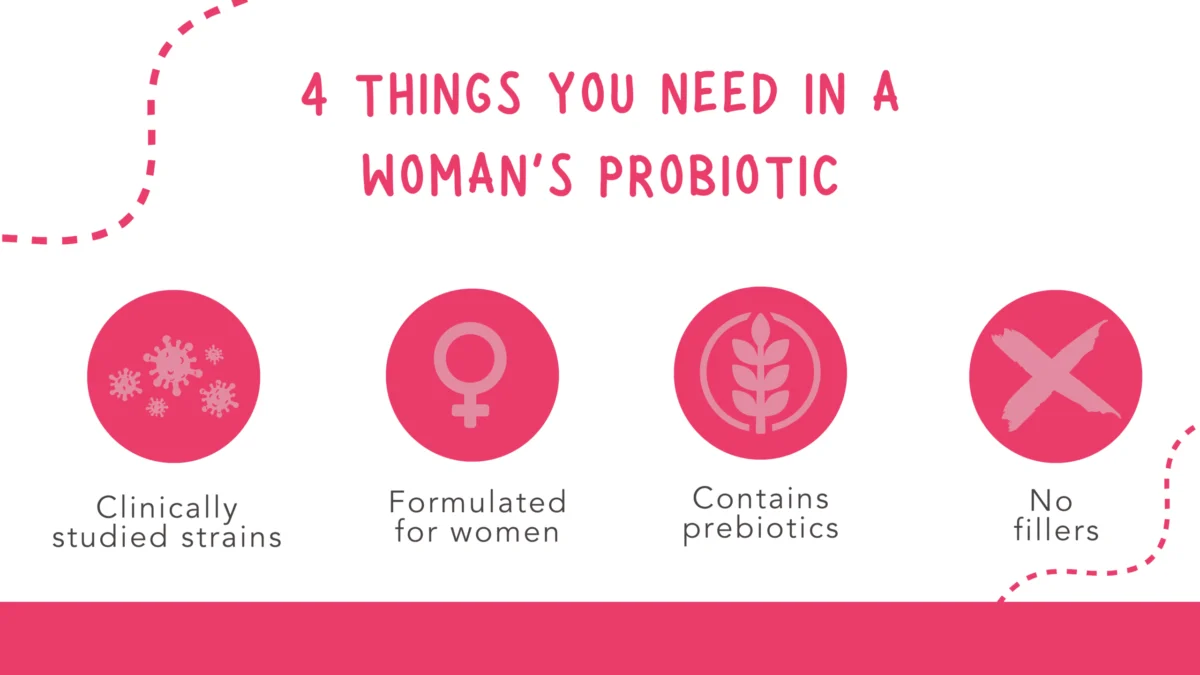
Women’s health represents one of the fastest-growing sectors of the probiotic market. The vaginal microbiome is naturally dominated by Lactobacillus species, which produce lactic acid to maintain an acidic pH, thereby inhibiting the overgrowth of harmful bacteria and yeast. Strains such as Lactobacillus rhamnosus and Lactobacillus reuteri have been extensively studied for their ability to migrate to the vaginal tract and restore balance after disruptions caused by antibiotics or hormonal fluctuations.
Immune System Modulation
Approximately 70% to 80% of the human immune system is located in the gut. Strains like Lactobacillus casei and Bifidobacterium animalis have been shown to interact with the GALT (gut-associated lymphoid tissue). These interactions help "train" the immune system to distinguish between harmless antigens and dangerous pathogens, potentially reducing the incidence of respiratory infections and autoimmune hyper-responsiveness.
The Gut-Brain Axis and Mental Health
The emerging field of "psychobiotics" explores how gut bacteria influence neurological health. Research indicates that certain strains, including Lactobacillus helveticus and Bifidobacterium longum, can influence the production of neurotransmitters like serotonin—95% of which is produced in the gut—and GABA. Clinical trials have demonstrated that these strains may lower cortisol levels, providing a biological mechanism for the reduction of stress and anxiety symptoms.
Evaluating Quality Standards and Potency
The efficacy of a probiotic supplement is contingent upon several technical factors that consumers must evaluate to ensure they are receiving a therapeutic-grade product.
- CFU Count and Survivability: Colony Forming Units (CFUs) indicate the number of viable bacteria in a dose. While a range of 10 billion to 50 billion CFUs is standard for maintenance, the total count is irrelevant if the bacteria do not survive the highly acidic environment of the stomach. High-quality formulations often utilize enteric coatings or specialized delivery systems to ensure the microorganisms reach the small and large intestines intact.
- Shelf Stability: Traditionally, probiotics required refrigeration to remain viable. However, advancements in freeze-drying technology (lyophilization) have led to the development of shelf-stable products. These are often preferred for their convenience and are engineered to withstand temperature fluctuations, ensuring potency until the date of expiration rather than just the date of manufacture.
- Third-Party Verification: Because the FDA regulates probiotics as dietary supplements rather than pharmaceutical drugs, third-party testing by organizations such as NSF, USP, or Labdoor is essential. These certifications verify that the product contains the strains and CFU counts listed on the label and is free from contaminants like heavy metals or mold.
- Clean Label Standards: Market analysis shows a growing demand for supplements free from genetically modified organisms (GMOs), gluten, soy, and artificial fillers. The exclusion of these ingredients reduces the risk of inflammatory responses in sensitive individuals.
The Role of Prebiotics and Synbiotics
Modern nutritional science emphasizes that probiotics do not work in isolation. Prebiotics—non-digestible fibers found in foods like chicory root, garlic, and onions—act as the primary fuel source for beneficial bacteria. When a supplement combines both probiotics and prebiotics, it is referred to as a "synbiotic."
The logic behind synbiotic formulation is to provide the "good bugs" with a packed lunch, increasing the likelihood that they will successfully colonize the gut. However, medical professionals advise that individuals with Small Intestinal Bacterial Overgrowth (SIBO) or high sensitivity to FODMAPs should introduce prebiotics gradually, as they can initially cause gas and bloating.
Industry Response and Clinical Recommendations
Health practitioners and industry leaders are increasingly advocating for a more disciplined approach to supplementation. "The era of the ‘one-size-fits-all’ probiotic is ending," states a leading nutritional researcher. "We are moving toward a model where a woman looking for immune support will take a fundamentally different product than a man looking to manage IBS."
Market-leading products, such as the Mama Natural Women’s Probiotic, have responded to this demand by creating high-potency, multi-strain formulas. Their 50-billion CFU product, for example, incorporates ten specific strains designed to address the four pillars of women’s health: digestion, immunity, vaginal balance, and regularity. By utilizing shelf-stable technology and ensuring the formula is free from common allergens and fillers, such products represent the current "gold standard" in the retail supplement market.
Broader Implications for Public Health
The shift toward proactive microbiome management has significant implications for public health. As antibiotic resistance becomes a global crisis, probiotics offer a supportive strategy for maintaining health without over-reliance on antimicrobial drugs. Furthermore, as the link between gut health and chronic conditions—such as obesity, Type 2 diabetes, and depression—becomes more established, probiotic supplementation may move from "alternative wellness" to a standard component of preventative healthcare.
However, experts caution that supplements are not a panacea. A gut-friendly lifestyle—comprising a diet high in diverse plant fibers, adequate hydration, regular physical activity, and stress management—is necessary to sustain the benefits of any probiotic regimen. Clinical data suggests that while users may notice improvements in digestion within days, systemic changes in immunity or mood typically require consistent supplementation for at least three to four weeks.
Conclusion
Choosing the right probiotic is a multifaceted process that requires an understanding of strain specificity, delivery mechanisms, and quality control. As research continues to unveil the complexities of the human microbiome, the focus remains on selecting high-quality, targeted formulations that align with specific health objectives. For the modern consumer, the transition from confusion to clarity lies in looking beyond the marketing jargon and focusing on the clinical data behind the strains. In doing so, individuals can effectively leverage these microscopic allies to achieve a higher state of systemic health and resilience.
