


When a couple has been unsuccessful at achieving pregnancy after one year of regular, unprotected intercourse, or after six months if the female partner is over the age of 35, both partners need to go through a comprehensive physical and medical assessment. This proactive approach marks a critical pivot in the journey towards parenthood, transforming a period of hopeful anticipation into one of informed medical investigation. Fertility testing for women and a semen analysis for men should commence immediately, recognizing that time is often a crucial factor in fertility outcomes. Historically, the focus in fertility challenges often gravitated towards the female partner, yet contemporary medical understanding underscores a more equitable distribution of responsibility: male factors account for approximately 50% of all infertility cases. Therefore, it is imperative to examine both partners concurrently for potential infertility issues to ensure an accurate diagnosis and an effective treatment plan.

Understanding the Landscape of Infertility
Infertility is a complex and often emotionally taxing medical condition that affects millions of couples worldwide. According to the World Health Organization (WHO), an estimated 1 in 6 people globally experience infertility in their lifetime. In the United States, approximately 10-15% of couples face difficulties conceiving. This widespread prevalence highlights the necessity for accessible, comprehensive diagnostic pathways. The journey from hopeful conception to a diagnosis of infertility can be fraught with emotional distress, making a clear, systematic diagnostic process all the more vital. Early intervention not only conserves emotional energy but can also significantly improve the chances of successful treatment, particularly as female fertility declines with age.

The definition of infertility as a year of unsuccessful attempts for younger couples (under 35) is based on statistical probabilities. For healthy couples in their 20s and early 30s, the chance of conception in any given month is typically around 20-25%. Over a year, this cumulative probability rises to about 85-90%. Thus, after 12 months, if pregnancy has not occurred, it suggests that a underlying factor may be at play. For women over 35, this timeframe is shortened to six months due to the accelerated decline in ovarian reserve and egg quality that typically begins in the mid-30s. This age-related factor makes timely evaluation even more critical.
The Diagnostic Chronology: A Step-by-Step Approach

The diagnostic process for infertility is typically a phased approach, beginning with a thorough medical history and physical examination for both partners, followed by targeted tests.
Phase 1: Initial Consultations and Basic Screening

- Medical History: The physician will gather detailed information about both partners’ health, including past surgeries, chronic conditions, medications, lifestyle habits (smoking, alcohol, diet, exercise), and family history. For women, this includes menstrual cycle regularity, past pregnancies, and gynecological issues. For men, it includes developmental history, sexual health, and any history of testicular trauma or infections.
- Physical Examination: A general physical exam is conducted for both partners. For women, this includes a pelvic exam. For men, it involves an examination of the genitals to check for issues like varicocele (enlarged veins in the scrotum) or other anatomical abnormalities.
Phase 2: Comprehensive Female Fertility Testing
Once the initial assessments are complete, a series of specialized tests are typically ordered for the female partner to evaluate key components of her reproductive system:

-
Ovarian Reserve Assessment:
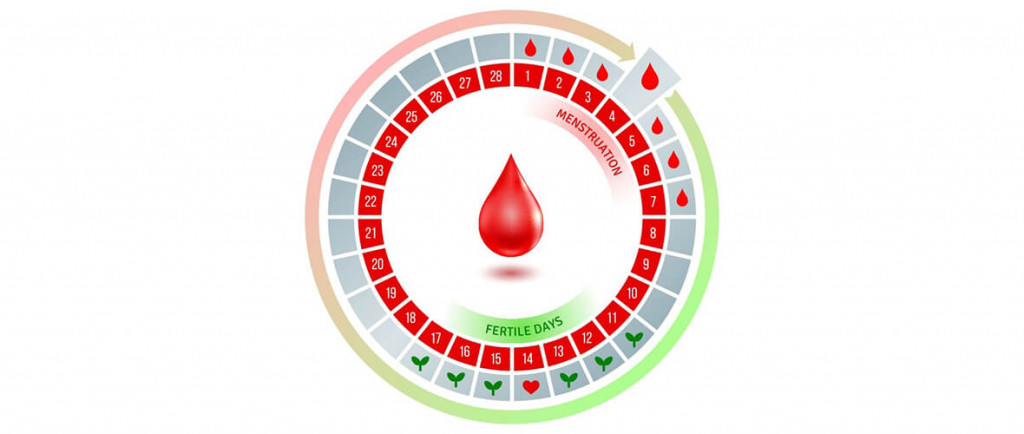
- Follicle-Stimulating Hormone (FSH) and Estradiol (E2): Blood tests typically performed on day 2 or 3 of the menstrual cycle. Elevated FSH levels, particularly in conjunction with high estradiol, can indicate diminished ovarian reserve, meaning fewer eggs and potentially lower egg quality.
- Anti-Müllerian Hormone (AMH): A blood test that can be performed at any point in the cycle. AMH levels correlate with the number of remaining follicles in the ovaries, providing a good indicator of ovarian reserve. Lower AMH levels suggest reduced reserve.
- Antral Follicle Count (AFC): Performed via transvaginal ultrasound, this counts the small follicles (antral follicles) in the ovaries, which are precursors to mature eggs. A lower AFC indicates diminished ovarian reserve.
-
Ovulation Confirmation:

- Basal Body Temperature (BBT) Charting: While less precise, consistent BBT tracking can indicate ovulation by detecting a slight rise in temperature after egg release.
- Ovulation Predictor Kits (OPKs): These over-the-counter kits detect the surge in Luteinizing Hormone (LH) that precedes ovulation, helping couples time intercourse.
- Serum Progesterone Levels: A blood test typically done around day 21 of a 28-day cycle. A significant rise in progesterone confirms that ovulation has occurred.
-
Uterine and Fallopian Tube Evaluation:
- Hysterosalpingogram (HSG): An X-ray procedure where dye is injected through the cervix to visualize the uterus and fallopian tubes. It can detect blockages in the fallopian tubes, which prevent sperm from reaching the egg or the fertilized egg from reaching the uterus. It can also identify uterine abnormalities.
- Saline Infusion Sonography (SIS) or Sonohysterography: An ultrasound procedure where saline is infused into the uterus to get a clearer view of the uterine cavity, identifying polyps, fibroids, or structural anomalies.
- Hysteroscopy: A more invasive procedure where a thin, lighted telescope is inserted through the cervix into the uterus to directly visualize and, if necessary, correct uterine abnormalities.
- Laparoscopy: A minimally invasive surgical procedure where a small incision is made in the abdomen to directly visualize the reproductive organs. It can diagnose conditions like endometriosis, pelvic adhesions, or tubal disease.
-
Hormonal Profile:

- Thyroid-Stimulating Hormone (TSH): Thyroid dysfunction can impact ovulation and pregnancy.
- Prolactin Levels: Elevated prolactin can interfere with ovulation.
- Androgen Levels: High androgen levels may indicate conditions like Polycystic Ovary Syndrome (PCOS).
Phase 3: Essential Male Fertility Testing
Simultaneously with female testing, the male partner undergoes evaluation, starting with the cornerstone of male fertility assessment:

-
Semen Analysis: This is a crucial, non-invasive test that provides vital information about sperm health. The male partner provides a semen sample, typically collected after 2-5 days of abstinence, which is then analyzed in a laboratory. Key parameters include:
- Volume: The total amount of ejaculate.
- Concentration (Sperm Count): The number of sperm per milliliter of semen. A count below 15 million sperm/mL is considered low (oligospermia).
- Motility: The percentage of sperm that are moving and the quality of their movement. Progressive motility (sperm moving forward effectively) is critical. Less than 40% total motile sperm is considered abnormal (asthenozoospermia).
- Morphology: The percentage of sperm with normal shape and structure. Poor morphology (teratozoospermia) can affect a sperm’s ability to fertilize an egg. The Kruger strict criteria are often used for evaluation, with less than 4% normal forms often indicating a problem.
- Viability: The percentage of live sperm, especially important if motility is low.
- pH and White Blood Cell Count: Abnormal levels can indicate infection.
-
Further Male Factor Testing (if initial semen analysis is abnormal):
- Repeat Semen Analysis: Due to variability, an abnormal result often necessitates a repeat test after 1-3 months.
- Hormonal Evaluation: Blood tests for testosterone, FSH, LH, and prolactin to check for hormonal imbalances affecting sperm production.
- Post-Ejaculatory Urinalysis: To detect retrograde ejaculation, where semen enters the bladder instead of exiting the penis.
- Genetic Testing: Karyotyping, Y-chromosome microdeletion testing, and cystic fibrosis transmembrane conductance regulator (CFTR) gene mutation screening if severe sperm abnormalities or absence of sperm (azoospermia) is found.
- Testicular Biopsy: In cases of azoospermia, a small sample of testicular tissue can determine if sperm production is occurring but blocked, or if there is a complete absence of production.
- Specialized Sperm Function Tests: Such as DNA fragmentation tests, which assess the integrity of sperm DNA.
Identifying the Root Causes: A Multifaceted Challenge
Infertility is rarely attributed to a single, simple cause and often involves a combination of factors.

-
Female Factors (approximately 30-40% of cases):
- Ovulatory Disorders: Conditions like Polycystic Ovary Syndrome (PCOS), hypothalamic amenorrhea, or premature ovarian insufficiency, which disrupt the regular release of eggs.
- Tubal Factors: Blocked or damaged fallopian tubes, often due to pelvic inflammatory disease (PID), endometriosis, or previous abdominal surgery.
- Uterine Factors: Structural abnormalities such as uterine fibroids, polyps, or septums that can interfere with implantation.
- Diminished Ovarian Reserve: A natural decline in egg quantity and quality with age, or due to medical conditions or treatments.
- Endometriosis: A condition where endometrial-like tissue grows outside the uterus, causing inflammation, scarring, and affecting egg and sperm function.
-
Male Factors (approximately 30-40% of cases):

- Sperm Production Issues: Low sperm count (oligospermia), poor sperm motility (asthenozoospermia), or abnormal sperm shape (teratozoospermia), often due to genetic factors, varicocele, infections, hormonal imbalances, or environmental toxins.
- Sperm Delivery Problems: Blockages in the reproductive tract, ejaculatory dysfunction, or issues with sperm transport.
- Other Factors: Erectile dysfunction or immunological factors.
-
Combined Factors (10-20% of cases): Both partners have identifiable fertility issues.
-
Unexplained Infertility (10-15% of cases): Despite thorough evaluation, no specific cause can be identified. This diagnosis can be particularly challenging for couples, but it does not mean that conception is impossible; often, treatments like assisted reproductive technologies (ART) can still be successful.

The Imperative of Early Diagnosis and Intervention
The American Society for Reproductive Medicine (ASRM) and other leading organizations consistently advocate for early and comprehensive fertility evaluations. This proactive stance is rooted in several critical considerations:

- Age-Related Decline: Female fertility is significantly impacted by age, with a noticeable decline beginning around 32, accelerating after 37, and sharply decreasing after 40. Early diagnosis allows for a broader range of treatment options and better success rates before age becomes an overwhelming limiting factor.
- Tailored Treatment Plans: A precise diagnosis enables healthcare providers to recommend the most appropriate and effective treatment strategies, ranging from lifestyle modifications and ovulation induction to advanced assisted reproductive technologies like Intrauterine Insemination (IUI) or In Vitro Fertilization (IVF). Without a clear understanding of the underlying causes, treatment can be inefficient and prolonged.
- Reducing Emotional Burden: The uncertainty and emotional toll of infertility can be immense. An early diagnosis, even if it confirms a difficult situation, can provide clarity and a sense of direction, empowering couples to make informed decisions and move forward with a plan. Access to counseling and support groups from the outset is crucial for managing psychological stress.
- Resource Optimization: Early diagnosis can help optimize the use of healthcare resources, potentially reducing the need for more complex, time-consuming, and expensive treatments later. For instance, addressing a simple hormonal imbalance early might prevent years of unsuccessful attempts.
The Broader Implications and Support Systems
The increasing recognition of infertility as a medical condition requiring joint assessment has profound implications for public health and societal well-being. It promotes a more holistic and equitable approach to reproductive health, encouraging men to participate equally in the diagnostic journey. This shift in perspective helps destigmatize male infertility and fosters shared responsibility within relationships.
Fertility clinics and organizations like the American Pregnancy Association play a crucial role in providing evidence-based information, resources, and support. Many offer free helplines, live chats, and extensive online libraries to guide individuals and couples through their pregnancy journeys, including those struggling with conception. These resources are invaluable for navigating the complex medical information, emotional challenges, and financial considerations associated with fertility treatments.
The advancements in reproductive medicine continue to offer hope to many. From improved diagnostic tools to more sophisticated ART techniques, the "conception playing field" is indeed becoming more accessible and manageable for those facing infertility. However, the foundational step remains consistent: prompt, comprehensive, and joint fertility testing for both partners is the most effective way to identify issues, inform treatment decisions, and ultimately improve the chances of achieving the dream of parenthood. This commitment to thorough and early evaluation is not just a medical recommendation; it is a testament to the evolving understanding of fertility and a beacon of hope for countless aspiring parents.
